Plain-English explainers on genetic testing - what each test looks for, what your results mean, when it's the right tool, and when it isn't. Sourced from the NHS, NICE, NIH and peer-reviewed literature.
Couples who are related by blood face a higher chance of sharing the same gene changes, which can increase the risk of inherited conditions in their children. Genetic carrier screening can help identify these risks before pregnancy.
Read article →
If your child has developmental delays, genetic testing can sometimes identify an underlying cause and guide next steps. Here's what parents need to know about how genetic tests work and when they might help.
People of Ashkenazi Jewish heritage have a higher chance of carrying certain gene changes that increase the risk of breast and ovarian cancer. Here's what you need to know about genetic testing if this applies to you.
Recurrent miscarriage affects around 1 in 100 couples. Genetic factors play a significant role, and testing can provide answers and help guide future family planning decisions.
SMA is a serious genetic condition affecting motor nerves, where early treatment can make a significant difference. Learn when testing is recommended and how early detection helps.
Cystic fibrosis carrier screening helps couples understand their risk of having a child with this inherited condition. We explain what carrier testing involves and who might benefit.
If a close relative has had colorectal cancer, genetic testing can identify inherited gene changes that increase your risk and guide personalised screening plans to catch cancer early or prevent it.
Newborn screening for sickle cell disease is offered in the UK as part of the newborn blood spot test, usually within the first week of life. Early diagnosis allows doctors to start preventive treatment that can prevent serious infections and other complications.
Genetic carrier screening checks if you carry gene changes that could cause inherited conditions in your children. Learn when to consider it, what it involves, and how it fits into family planning.
If several close relatives have had bowel or womb cancer, especially at younger ages, it may point to Lynch syndrome - an inherited condition that raises cancer risk. Genetic testing can clarify your own risk and guide screening.
Genetic testing can reveal inherited gene changes that influence how breast cancer is treated, from chemotherapy to targeted drugs and surgical options. Understanding your genetic status helps tailor treatment to what's most likely to work.
Pancreatic cancer can run in families. Genetic testing helps identify inherited gene changes that increase risk, enabling earlier monitoring and prevention strategies.
Carrier screening before pregnancy helps couples understand their risk of passing on inherited conditions. Learn when to consider testing and what it involves.
If cystic fibrosis runs in your family, genetic testing can help you understand your risk of passing it on to your children. Carrier screening is most useful when planning a pregnancy.
If intellectual disability runs in your family, you may be wondering about genetic testing during pregnancy. This guide explains your options for screening and diagnosis, and when to speak to a doctor.
SMA is a severe neurological condition affecting motor neurones, and early detection can enable life-changing treatment. Learn when and why screening matters for your newborn.
Genetic testing can identify rare gene changes that cause diabetes in infants and children, and polygenic risk scores estimate inherited risk for type 2 diabetes by reading hundreds of common variants. Neither replaces lifestyle factors or routine screening.
Li-Fraumeni syndrome is a rare inherited condition that significantly raises the risk of several cancers, often at young ages. Learn when families should consider testing.
Being over 35 doesn't automatically mean you need private NIPT - the NHS combined test is offered to everyone. Here's what maternal age means for your screening options.
Fragile X syndrome is the most common inherited cause of learning disability. We explain what it is, how it's passed on, and when screening might help families with a history of developmental delay.
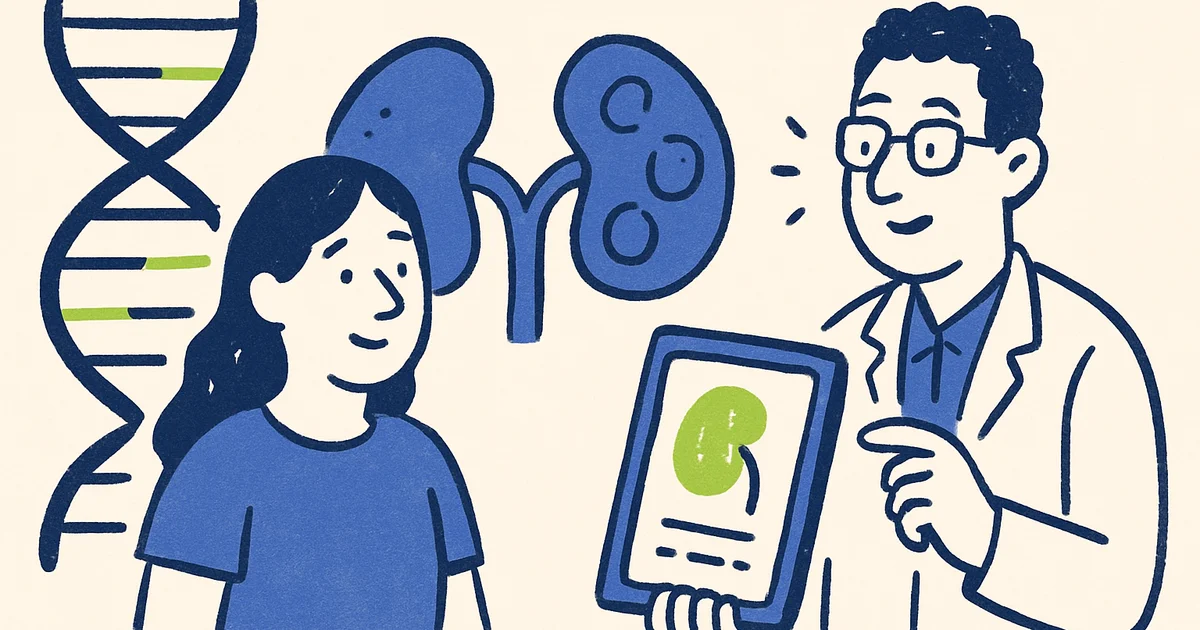
Polycystic kidney disease is an inherited condition where fluid-filled cysts grow in the kidneys. We explain the genetic causes, symptoms, and when to consider genetic testing.
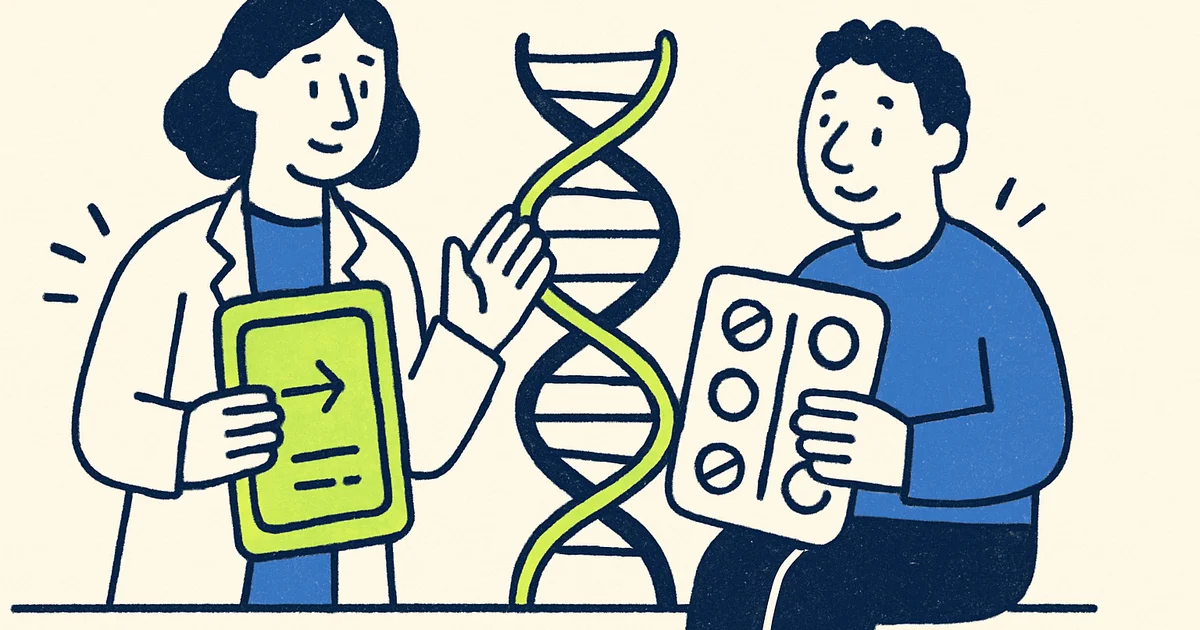
Genetic differences in two genes-VKORC1 and CYP2C9-can mean you need a higher or lower warfarin dose. Understanding your genetic makeup may help avoid bleeding or clotting complications.
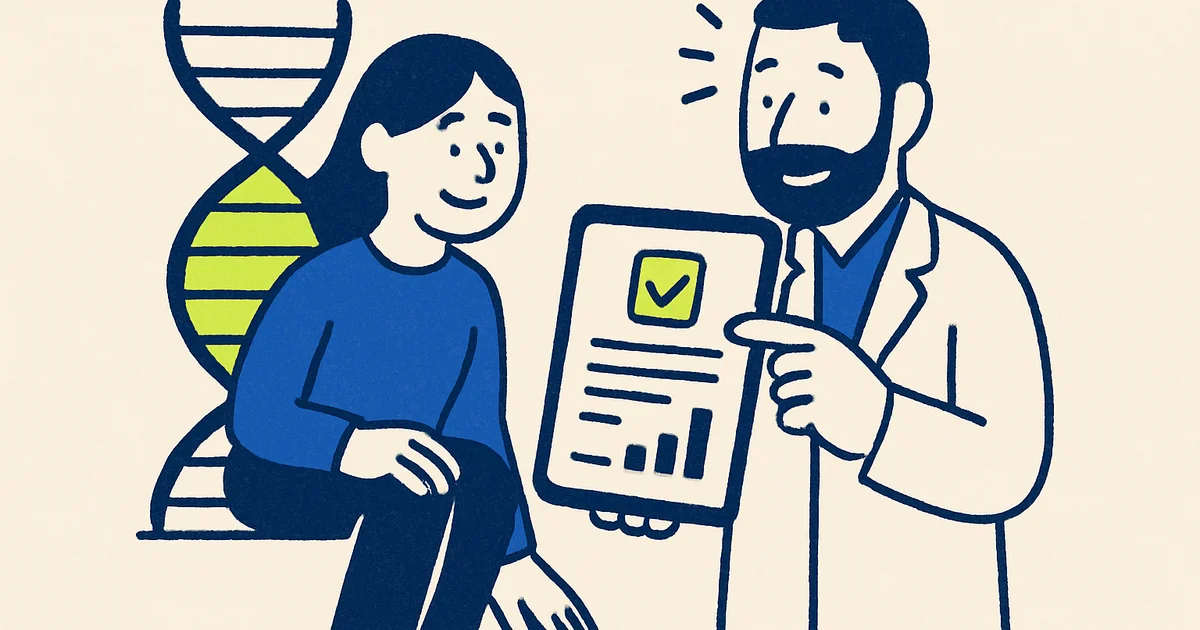
A polygenic risk score estimates your inherited risk for common diseases by reading thousands of DNA variants across your genome. It's not a diagnosis, but it can help you and your doctor make more informed decisions about screening and prevention.
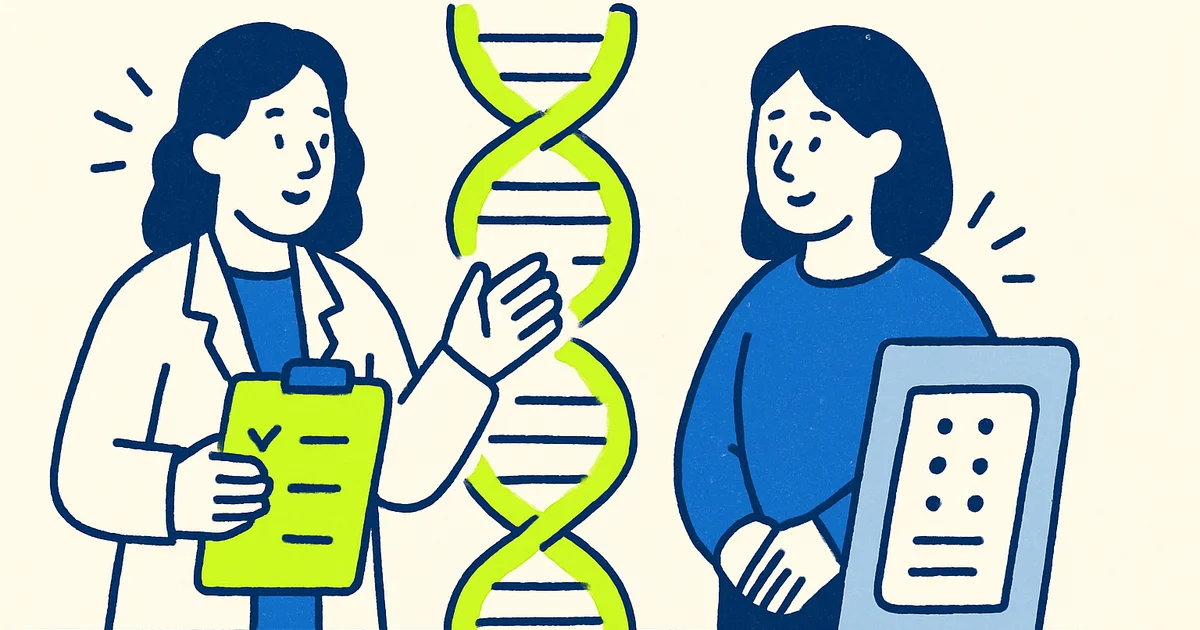
BRCA1 and BRCA2 both raise cancer risk, but they differ in which cancers are most likely, when cancer typically appears, and how high the risk becomes. Understanding these differences helps guide screening and prevention decisions.
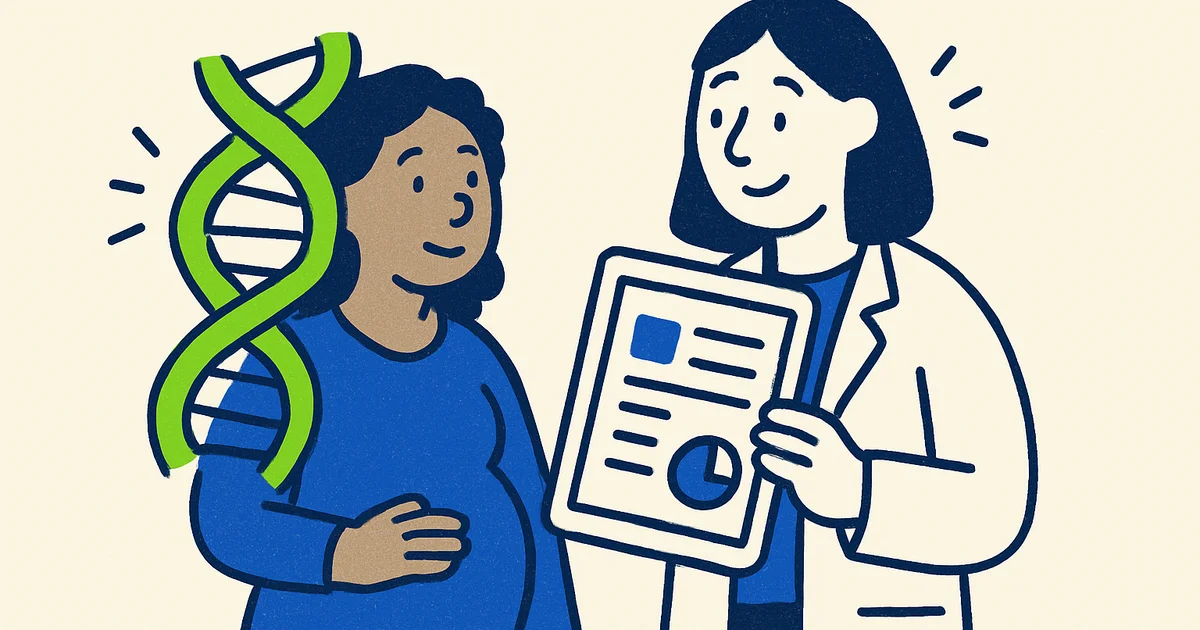
Being pregnant at 35 or older increases the chance of certain chromosome conditions. Here's what testing is available, what it looks for, and how to decide if it's right for you.
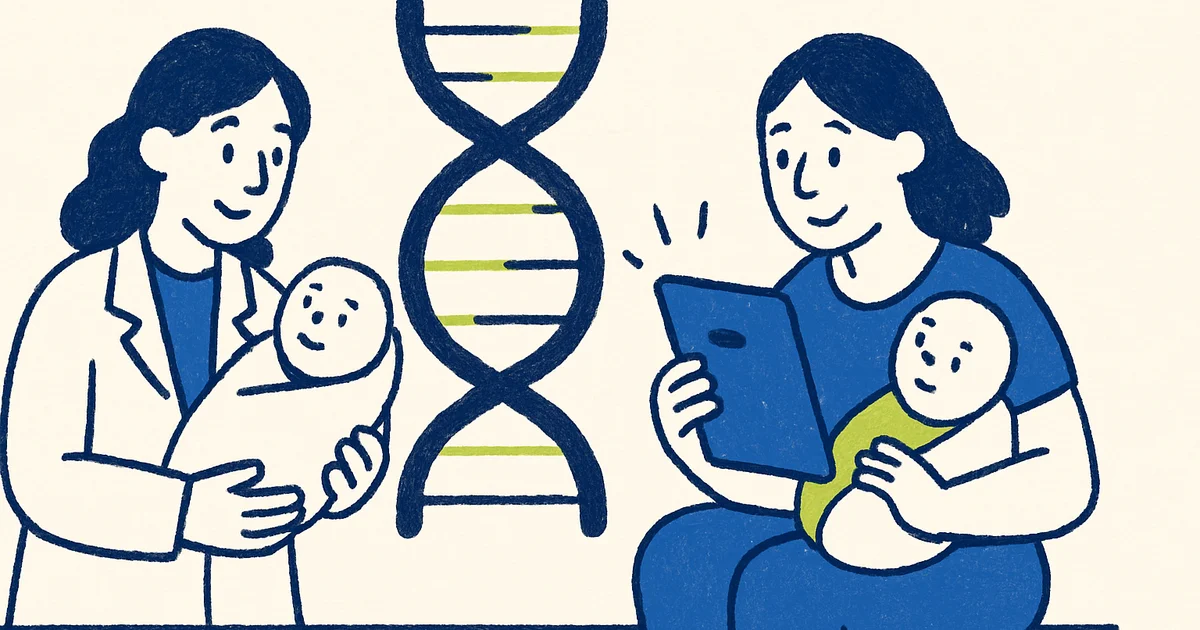
Spinal muscular atrophy (SMA) is a genetic condition that weakens muscles. Newborn screening lets doctors start treatment before symptoms appear, which can save lives.

NIPT analyses cell-free DNA from a blood sample to screen for chromosomal conditions in pregnancy. On the NHS it is offered as a follow-on test after a higher-chance combined or quadruple screening result; it is also available privately from around 9 weeks.
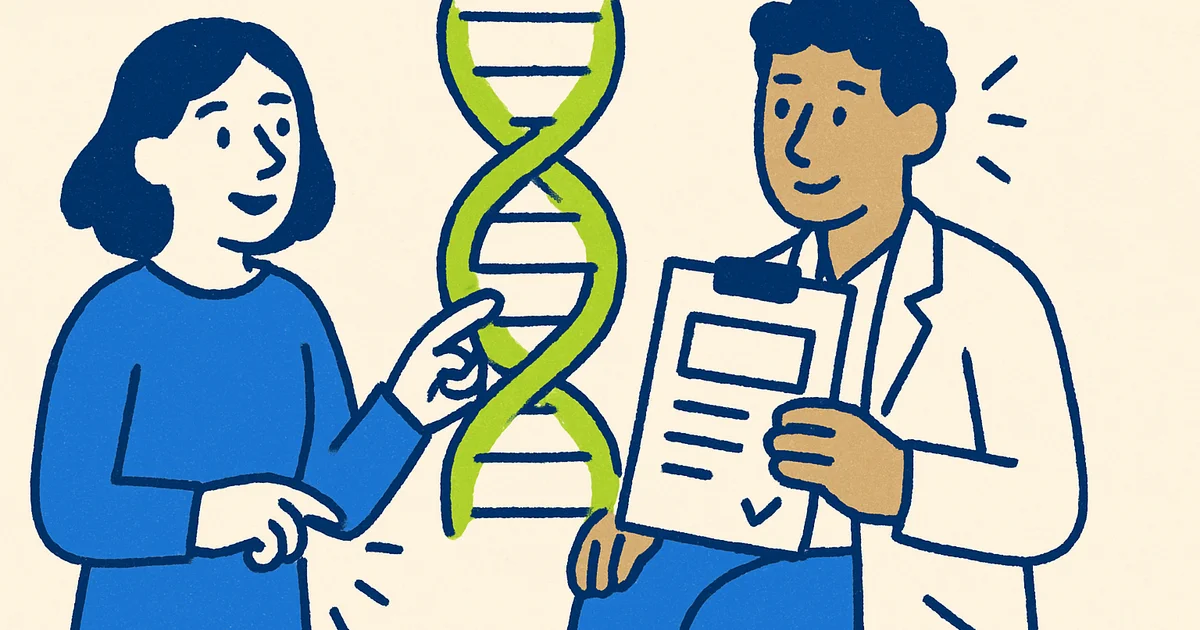
Lynch syndrome is the most common inherited condition that raises your risk of bowel and other cancers. Around 1 in 300 people carry it, yet most don't know they have it.
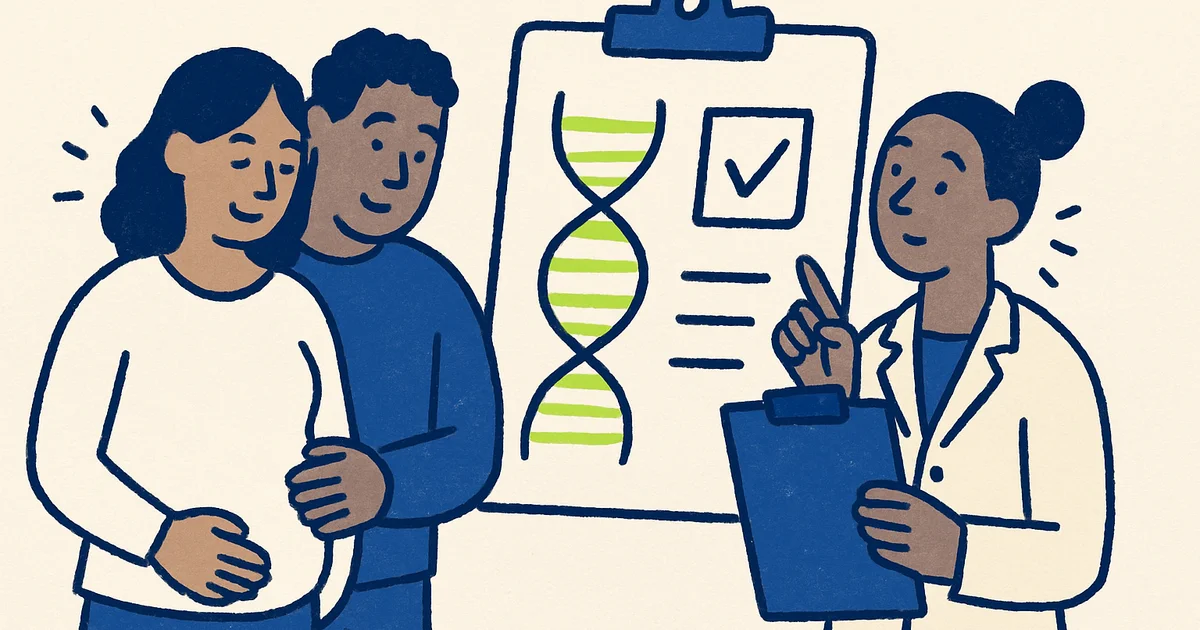
Carrier screening checks whether you carry gene changes that could cause serious inherited conditions in your children. It's most useful before or early in pregnancy, but the NHS doesn't routinely offer it to everyone.
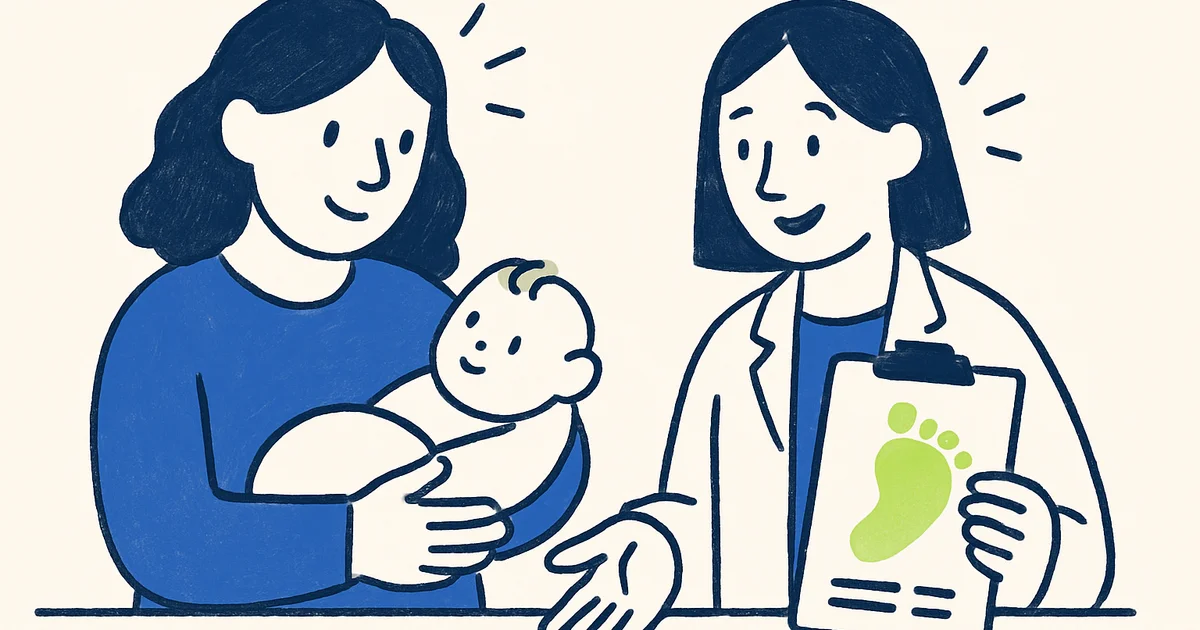
The NHS newborn bloodspot test (heel prick) screens babies for 9 rare but serious conditions. Early detection means treatment can start before symptoms appear, preventing long-term harm.
Pharmacogenomic tests look at your genes to predict how you might respond to antidepressants. They're being trialled in the NHS to help reduce the trial-and-error approach to prescribing.
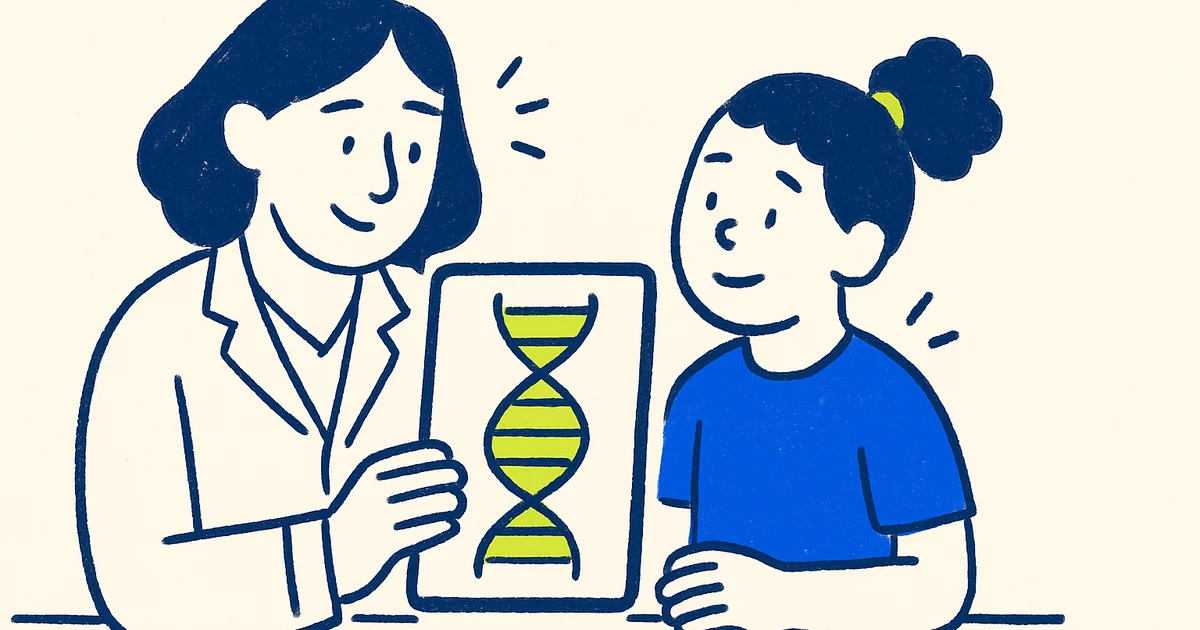
Having a parent with breast cancer doesn't automatically mean you need genetic testing. We explain the NHS criteria for testing, what BRCA results mean, and how testing can guide prevention.