

What is spinal muscular atrophy and why is my newborn being screened for it?
Spinal muscular atrophy (SMA) is a genetic condition that weakens muscles. Newborn screening lets doctors start treatment before symptoms appear, which can save lives.
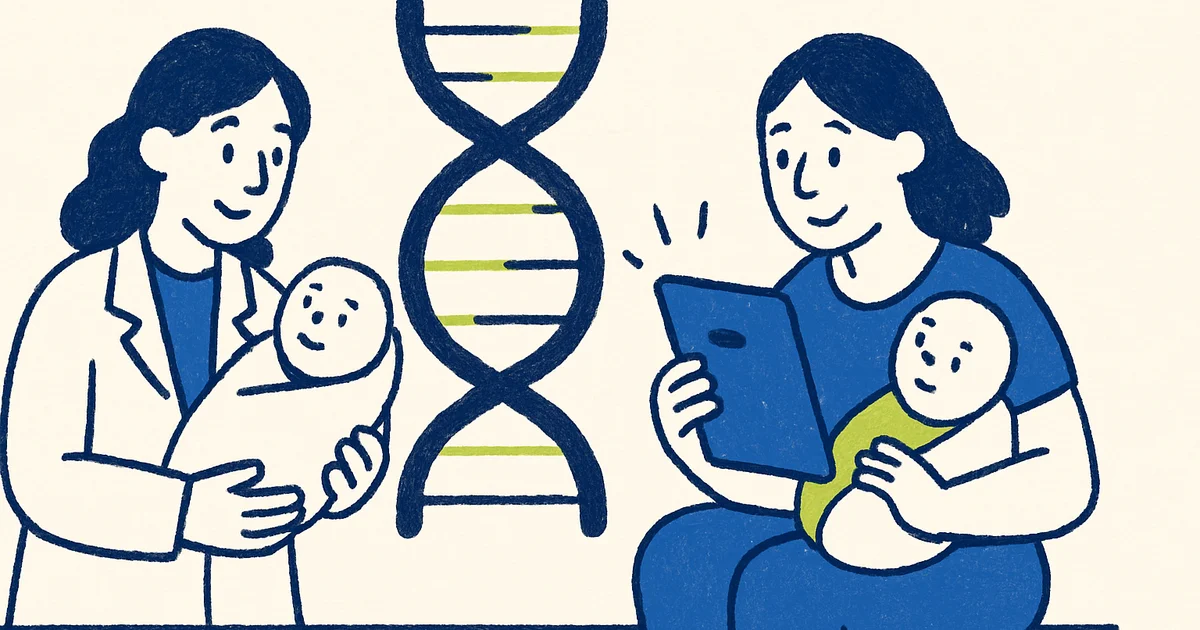
Spinal muscular atrophy (SMA) is a genetic condition that affects the nerves controlling your muscles. Without treatment, babies with the most severe form lose the ability to move, swallow, and breathe-often within the first two years. But if SMA is caught before symptoms start, newer treatments can stop or dramatically slow down muscle loss. Because of this, there is growing pressure to add SMA to routine newborn screening in the UK-but it is not on the standard NHS heel-prick panel yet. The UK National Screening Committee is currently reviewing the evidence, and an in-service evaluation is being planned.
What is spinal muscular atrophy?
SMA happens when a child inherits two faulty copies of a gene called SMN1 (one from each parent). This gene makes a protein that motor neurones-the nerve cells that tell muscles to move-need to survive. Without enough of this protein, motor neurones die. Muscles weaken because they’re no longer getting signals from the brain. More than 95% of people with SMA have a deletion affecting both copies of SMN1. A second, very similar gene called SMN2 makes a small amount of the same protein, which is why some people have milder forms.
There are different types of SMA:
- Type 1 (the most severe): Symptoms appear before 6 months. Babies struggle to lift their head, sit, or swallow. Without treatment, death or the need for permanent breathing support typically occurs within the first few years of life.
- Type 2: Symptoms start between 6 and 18 months. Children learn to sit but usually never walk independently.
- Type 3: Symptoms begin after 18 months. Children can walk but may lose that ability over time.
- Type 4: Symptoms start in adulthood. Weakness is mild and progresses slowly.
Studies suggest that around 1 in 40 to 1 in 50 people carry one faulty copy of SMN1. Carriers have no symptoms-they have one working copy, which is enough. But when two carriers have a child together, there’s a 1-in-4 chance that child will inherit two faulty copies and develop SMA.
Why screen newborns for SMA?
Until recently, most babies with SMA weren’t diagnosed until they started showing symptoms-by which point, many motor neurones had already been lost. Motor neurones don’t regenerate. Once they’re gone, the muscle weakness is permanent.
Now we have treatments-including gene therapy (onasemnogene abeparvovec, also called Zolgensma)-that aim to replace or boost the faulty gene’s function. These treatments tend to work best when given before symptoms appear, while motor neurones are still healthy. In trials of babies treated before symptoms began, many were able to meet motor milestones such as sitting and standing that would be highly unusual in untreated severe SMA. Outcomes still vary from child to child.
Newborn screening gives you time. Where it is offered, the test is done in the first days of life, usually from a dried blood spot (the same heel-prick sample used to screen for other conditions). If a baby tests positive, genetic specialists can confirm the diagnosis and start treatment early, before significant muscle damage has occurred.
How does the screening test work?
An SMA newborn screen looks for the SMN1 gene. Most people have at least one working copy (one from each parent). Most babies with SMA are missing both copies. The test uses DNA from a blood spot or saliva sample.
What happens if the result is positive?
- Confirmation test: A specialist genetics laboratory repeats the test using a different sample to make sure the first result was correct.
- Referral: You’ll be contacted-usually quickly-by a paediatric neurologist or clinical geneticist.
- Clinical assessment: The specialist will examine your baby to check for any early signs of muscle weakness (though many babies are still completely well at this stage).
- Treatment planning: If SMA is confirmed, your baby may be eligible for gene therapy or other approved treatments. Some are given as a one-off infusion; others are ongoing.
What if the result is negative? A negative result is very reassuring. It means your baby has at least one working copy of SMN1, which makes the common form of SMA very unlikely. As with any screening test, no test is 100% certain, so always speak to a clinician if you have concerns.
What treatments are available?
Three main treatments are licensed in the UK for SMA:
- Onasemnogene abeparvovec (Zolgensma): A one-time gene therapy given by intravenous infusion. It delivers a working copy of the SMN1 gene. It is used in young children and tends to be most effective when given early.
- Nusinersen (Spinraza): An injection into the fluid around the spinal cord, given as a course of doses and then ongoing maintenance. It helps the body make more of the SMN protein from the SMN2 gene.
- Risdiplam (Evrysdi): A daily medicine taken by mouth. It also increases SMN protein production.
These treatments have been shown in clinical trials to improve survival and motor function, particularly when started early, though responses vary between children. Your child’s neurology team will recommend the best option based on the type of SMA, your baby’s age, and other medical factors.
What if SMA runs in my family?
If you already know you’re a carrier (because a relative has SMA, or you had carrier screening before or during pregnancy), tell your midwife and clinical team early. If a previous child was diagnosed with SMA, your maternity team should coordinate with genetics specialists before your baby is born, so that testing and any treatment can be arranged as quickly as possible.
What you can do at Jeen
SMA is not currently part of the standard NHS newborn blood-spot (heel-prick) screening panel. The UK National Screening Committee is reviewing the evidence and an in-service evaluation is being planned, but routine national screening has not yet been recommended. If your baby hasn’t been screened for SMA at birth-or if you’d like to arrange testing yourself-Jeen’s SMA Newborn Testing gives you an at-home option. It’s a simple oral-swab DNA test that screens for the SMN1 gene deletions that cause spinal muscular atrophy. Results come back within 7-10 working days from when your sample reaches the laboratory, with 30-minute genetic counsellor support included to explain what they mean.
If you’d like broader newborn screening beyond what the NHS offers, our Newborn Genetic Screening panel covers SMA plus other treatable inherited conditions-including metabolic disorders, immune deficiencies, and hearing-impairment risk genes-all from a single oral swab. Early detection means early intervention, and for conditions like SMA, that can be life-changing.
Sources & further reading
- Spinal Muscular Atrophy – MedlinePlus Genetics Accessed 16 June 2026.
- SMN1 gene (survival of motor neuron 1) – OMIM Accessed 16 June 2026.
- Spinal Muscular Atrophy – GeneReviews (NCBI Bookshelf) Accessed 16 June 2026.
- Spinal Muscular Atrophy – NHS Accessed 16 June 2026.
- Onasemnogene abeparvovec for presymptomatic infants with two copies of SMN2 at risk for SMA type 1: the Phase III SPR1NT trial – Nature Medicine (PubMed 35715566) DOI:
10.1038/s41591-022-01866-4. Accessed 16 June 2026. - UK NSC publishes SMA screening evidence documents (UK National Screening Committee) Accessed 16 June 2026.