

On this page
Left ventricular non-compaction (familial)
LVNC is characterised by prominent muscular ridges and deep recesses within the left ventricle. This can impair the heart's pumping ability, potentially leading to complications such as heart failure, abnormal heart rhythms, and blood clots. It often affects multiple family members.
Available at Jeen Health
Clinical tests that include this
Overview
Left Ventricular Non-Compaction (LVNC) is a heart muscle condition, also known as a cardiomyopathy, where the muscular wall of the left ventricle - the heart's main pumping chamber - develops abnormally [PMID:33604193]. Instead of a smooth, compact inner lining, the muscle appears thickened with prominent ridges (trabeculations) and deep pockets (recesses) that communicate with the ventricular cavity. This gives the heart muscle a distinctive 'spongy' or 'mesh-like' appearance.
While LVNC can occur in isolation, it is often referred to as 'familial' because it frequently runs in families, indicating an underlying genetic cause. This condition can affect individuals from birth, but symptoms may not appear until later in childhood or adulthood. The severity of LVNC can vary significantly between affected individuals, even within the same family.
Symptoms & clinical features
The symptoms of familial LVNC are varied and depend on how much the heart's function is affected. Some individuals may have no symptoms (asymptomatic) and the condition is only discovered during family screening or investigations for another issue. Others may experience symptoms that gradually worsen over time.
Common symptoms can include shortness of breath, particularly during physical activity, and fatigue due to the heart's reduced pumping efficiency. Individuals may also experience palpitations, which are sensations of a racing or irregular heartbeat, or dizziness and fainting (syncope) if abnormal heart rhythms develop. Chest pain is also possible. In some cases, blood clots can form within the deep recesses of the spongy heart muscle, leading to strokes or other embolic events [PMID:25624137]. For these reasons, regular medical follow-up is important for individuals diagnosed with LVNC.
Video: Genetics 101
Affected organs
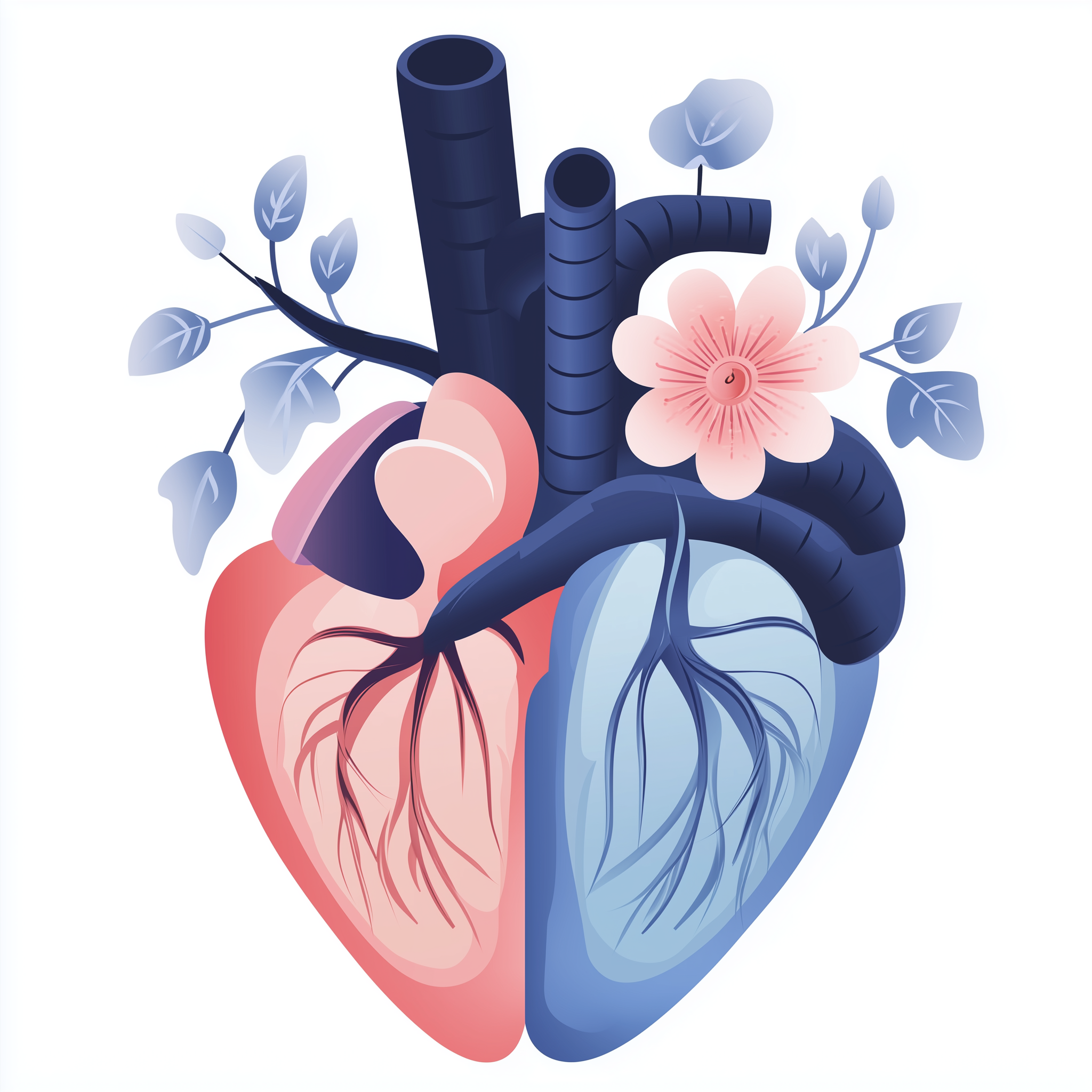
Familial LVNC primarily affects the heart, specifically the left ventricle. The structural changes in the ventricular muscle can lead to several complications. The main concern is that the altered structure can weaken the heart muscle, making it less effective at pumping blood around the body. This reduced pumping action can lead to heart failure, where the heart struggles to meet the body's demands.
The abnormal architecture of the left ventricle can also create an environment conducive to abnormal electrical activity, leading to various types of arrhythmias (irregular heartbeats). These can range from relatively benign palpitations to more serious rhythms that can increase the risk of sudden cardiac arrest. Furthermore, the deep recesses within the non-compacted muscle can allow blood to become stagnant, increasing the risk of blood clot formation (thromboembolism), which can then travel to other parts of the body, potentially causing a stroke or other organ damage.

Risks & severity
The severity of familial LVNC is highly variable; some individuals may remain asymptomatic throughout their lives, while others can develop severe complications. The condition can manifest at any age, from infancy to late adulthood, with symptoms typically appearing when the heart's function begins to decline [PMID:33604193].
Potential risks associated with LVNC include progressive heart failure, which may require advanced treatments or even heart transplantation in severe cases. There is also an increased risk of developing life-threatening arrhythmias, which might necessitate the implantation of a pacemaker or defibrillator. Additionally, the risk of blood clot formation and subsequent embolic events, such as a stroke, is a significant concern for some patients. Regular monitoring by a cardiologist helps to assess these risks and guide appropriate management strategies.
Genetic causes
Familial LVNC is a genetically heterogeneous condition, meaning it can be caused by pathogenic variants in several different genes. The genes involved typically provide instructions for making proteins that are crucial for the structure and function of heart muscle cells (cardiomyocytes). Three genes frequently associated with LVNC include MYBPC3, MYH7, and TAZ.
MYBPC3 (myosin binding protein C3) provides the genetic instructions for cardiac myosin-binding protein C. This protein plays a vital role in regulating heart muscle contraction and stability within the sarcomere, the basic contractile unit of muscle cells. Pathogenic variants in MYBPC3 can disrupt these processes, leading to impaired heart function and structural changes characteristic of LVNC.
MYH7 (myosin heavy chain 7) is essential for producing a key protein involved in generating the mechanical force for muscle contraction in the heart. Variants in MYH7 can alter the structure or function of this protein, weakening the heart's ability to pump effectively. TAZ (tafazzin) is involved in remodelling a type of fat molecule (cardiolipin) critical for energy production within mitochondria, the 'powerhouses' of cells. Pathogenic variants in TAZ can lead to mitochondrial dysfunction, particularly affecting tissues with high energy demands like the heart.
- MYBPC3 myosin binding protein C3The MYBPC3 gene provides instructions for cardiac myosin-binding protein C, a key component in heart muscle cells that helps regulate cardiac contraction.
- MYH7 myosin heavy chain 7The MYH7 gene provides instructions for producing myosin heavy chain-7, a protein essential for muscle contraction in both cardiac and skeletal muscles.
- TAZ tafazzin, phospholipid-lysophospholipid transacylase
Inheritance pattern
Familial LVNC can be inherited in different ways, but most commonly it follows an autosomal dominant or X-linked inheritance pattern. In autosomal dominant inheritance, an individual needs to inherit only one copy of an altered gene from either parent to be affected by the condition. This means that if one parent has the condition, there is a 50% chance with each pregnancy that their child will inherit the pathogenic variant and develop LVNC.
For X-linked inheritance, the altered gene is located on the X chromosome. Males, who have one X and one Y chromosome, are more likely to be severely affected than females, who have two X chromosomes (one copy can compensate for the other). If a mother carries an X-linked pathogenic variant, each son has a 50% chance of inheriting the variant and being affected, while each daughter has a 50% chance of being a carrier. If a father has an X-linked pathogenic variant, all his daughters will be carriers, and none of his sons will inherit the variant. Genetic counselling is available to help families understand their specific inheritance risks.
Each child has a 50% chance of inheriting the pathogenic variant, regardless of sex.
Diagnosis & testing
Diagnosing familial LVNC typically begins with a clinical evaluation, which includes reviewing an individual's medical history, family history of heart disease, and a physical examination. Imaging tests are crucial for identifying the characteristic structural changes in the heart. An echocardiogram (ultrasound of the heart) is often the first and most common test, as it can clearly show the prominent trabeculations and deep recesses in the left ventricle [PMID:25624137]. Cardiac MRI (magnetic resonance imaging) may also be used to provide more detailed images of the heart's structure and function.
Once clinical suspicion of LVNC is raised, genetic testing is usually recommended to identify the specific genetic cause, especially in familial cases. This is crucial for confirming the diagnosis, understanding the inheritance pattern, and identifying other family members at risk. In the UK, genetic testing for inherited cardiac conditions, including LVNC, can be accessed via the NHS Genomic Medicine Service (GMS). Referral to clinical genetics services is typically made by a cardiologist or GP, and testing may be offered under relevant R-codes, such as R101 (Dilated cardiomyopathy) or R102 (Hypertrophic cardiomyopathy) depending on the predominant phenotype or R103 (Arrhythmogenic Right Ventricular Cardiomyopathy) if relevant features are present, as LVNC can sometimes overlap with other cardiomyopathies.
Management & lifestyle
The management of familial LVNC focuses on monitoring heart function, managing symptoms, and preventing complications. While there is no cure for the underlying genetic defect, treatments can help individuals live well with the condition. Regular follow-up with a cardiologist is essential, usually involving periodic echocardiograms and ECGs (electrocardiograms) to track heart function and rhythm. Medications, such as beta-blockers or ACE inhibitors, may be prescribed to improve heart function, manage blood pressure, and control arrhythmias.
For individuals at high risk of blood clots, anticoagulant medication may be recommended. If severe arrhythmias pose a risk of sudden cardiac arrest, an implantable cardioverter-defibrillator (ICD) might be considered. In very severe cases where heart failure progresses despite other treatments, a heart transplant may be an option. Lifestyle modifications, such as avoiding excessive physical exertion and maintaining a healthy diet, are often advised. Genetic counsellors can provide support and information regarding the genetic aspects of the condition and family planning.
UK care pathway
In the UK, individuals suspected of having familial LVNC would typically be referred to a cardiologist, often within a specialist inherited cardiac conditions (ICC) clinic. If a genetic cause is suspected, particularly if there's a family history, referral to NHS clinical genetics services will be made. Genetic counsellors play a key role in explaining the genetic basis of the condition, inheritance patterns, and the implications for family members.
Diagnostic genetic testing for LVNC is available through the NHS Genomic Medicine Service (GMS) pathways. The specific R-code used (e.g., R101, R102) depends on the clinical presentation and the referring clinician's assessment of the primary cardiomyopathy features. Family members at risk may also be offered cascade screening, which involves clinical assessment and genetic testing to identify those who have inherited the pathogenic variant, even if they are currently asymptomatic.
Frequently asked questions
What does 'non-compaction' mean for my heart?
Non-compaction refers to how the heart muscle forms. Instead of a smooth inner lining, your heart's left ventricle has prominent muscular ridges and deep pockets. This spongy appearance can affect how efficiently your heart pumps blood.
Is familial LVNC always inherited from a parent?
Familial LVNC is most often inherited from a parent, typically in an autosomal dominant pattern. This means only one copy of an altered gene is needed. In some cases, it can be X-linked, or it can arise from a new genetic change in the affected individual, rather than being inherited from a parent.
If I have LVNC, will my children definitely get it?
If your LVNC is caused by an autosomal dominant genetic change, each of your children has a 50% chance of inheriting the altered gene. For X-linked forms, the risk depends on the child's sex. Genetic counselling can provide a more precise risk assessment for your family.
What kind of lifestyle changes should I make if I have familial LVNC?
Generally, individuals with LVNC are advised to avoid very strenuous or competitive physical activity. A healthy, balanced diet and maintaining a healthy weight are also important for overall heart health. Your cardiologist will provide specific guidance tailored to your condition.
How often will I need to be monitored if I have familial LVNC?
Monitoring frequency varies depending on your symptoms, heart function, and overall risk. Typically, you will have regular appointments with a cardiologist, which may include periodic echocardiograms, ECGs, and possibly cardiac MRI scans to track your heart's condition and adjust treatment as needed.