

On this page
Familial dilated cardiomyopathy (all)
Also known as Dilated cardiomyopathy (LMNA)
DCM leads to the heart's main pumping chamber, the left ventricle, becoming stretched and thin. This can cause symptoms like breathlessness and fatigue. It is often inherited, affecting individuals and families across generations.
Available at Jeen Health
Clinical tests that include this
Overview
Familial dilated cardiomyopathy (DCM) is a type of heart muscle disease where the heart's main pumping chamber, the left ventricle, becomes enlarged and thinned, losing its ability to pump blood efficiently. This reduced pumping action can lead to symptoms of heart failure [PMID:33671236]. The term 'familial' indicates that the condition runs in families, suggesting an underlying genetic cause. It is one of the most common inherited heart conditions, affecting approximately 1 in 2,500 people globally [PMID:28362669].
When the heart cannot pump enough blood to meet the body's needs, symptoms can develop. These symptoms often progress over time as the heart function declines. Understanding the familial nature of DCM is crucial for diagnosis, as identifying genetic causes can help predict the condition's course and inform management strategies for affected individuals and their relatives.
Symptoms & clinical features
The symptoms of familial DCM are typically related to the heart's diminished ability to pump blood effectively. These can vary widely among individuals, even within the same family, and may develop gradually. Common symptoms include breathlessness, especially during physical activity or when lying flat, and fatigue due to reduced oxygen delivery to muscles and tissues [PMID:33671236].
Other potential symptoms include swelling in the legs, ankles, or abdomen (oedema) caused by fluid retention, and palpitations - a sensation of a fluttering or pounding heart. Some individuals may experience dizziness or light-headedness, particularly with exertion, and in some cases, chest pain. In more advanced stages, symptoms can become more severe, potentially leading to complications such as arrhythmias (irregular heartbeats) or a higher risk of blood clots. In some instances, familial DCM may be discovered during screening of family members before any symptoms appear.
Video: Genetics 101
Affected organs
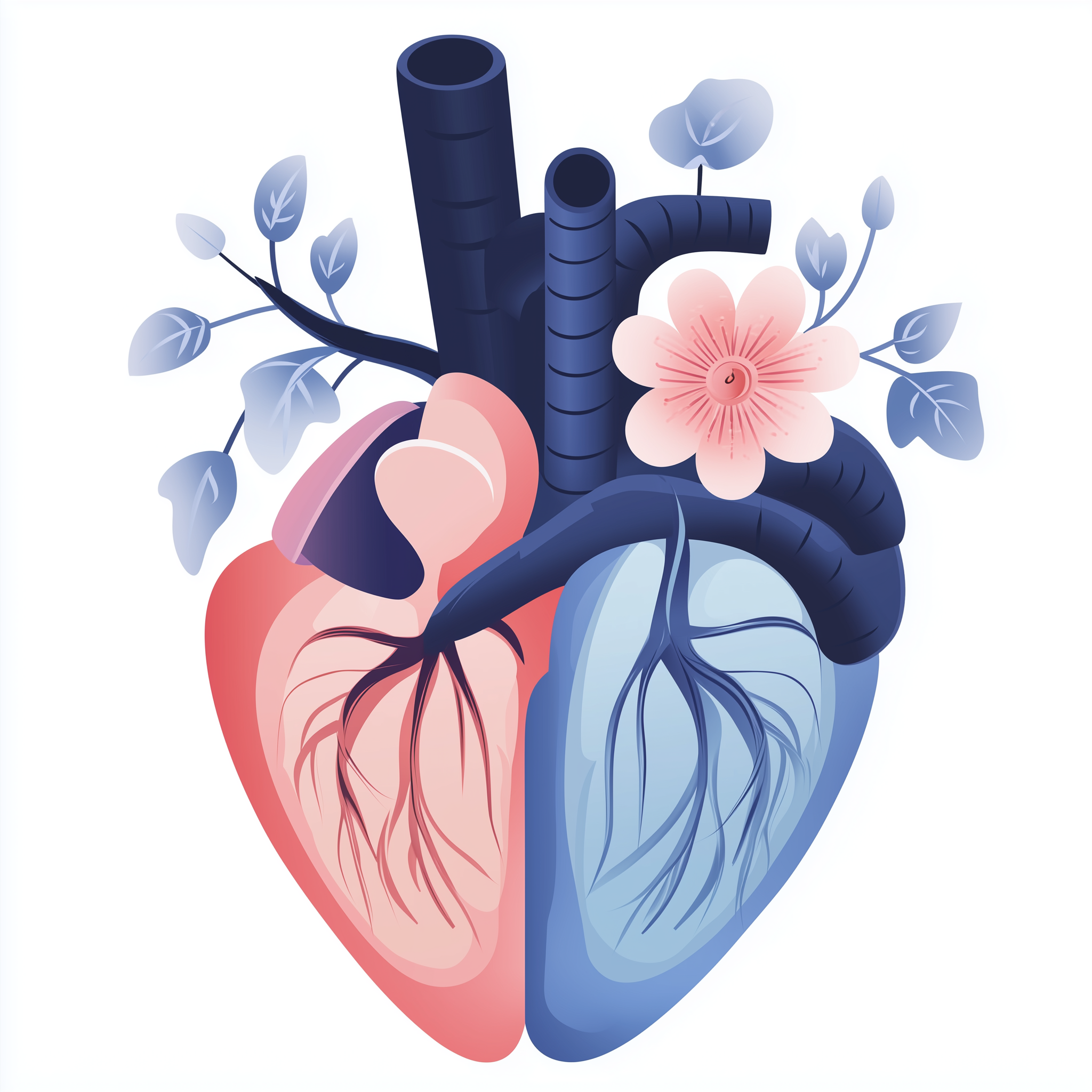
Familial dilated cardiomyopathy primarily affects the heart, specifically the left ventricle, which is the heart's main pumping chamber. This chamber becomes enlarged (dilated) and its walls become thinner and weaker, impairing its ability to contract forcefully and pump blood out to the body [PMID:33671236].
While the heart is the primary organ affected, the reduced pumping efficiency can indirectly impact other body systems due to insufficient blood flow. This can lead to fluid accumulation in the lungs, causing breathlessness, and fluid retention in the extremities, leading to swelling. In severe cases, the reduced blood flow can also affect kidney function and liver congestion, although these are typically secondary effects of advanced heart failure.

Risks & severity
The severity of familial DCM can range from mild, with few noticeable symptoms, to severe, requiring significant medical intervention. The condition often progresses over time, though the rate of progression varies considerably between individuals. Some people may live for many years with stable, mild symptoms, while others may experience a more rapid decline in heart function.
Potential risks associated with familial DCM include the development of heart failure, which can become life-threatening. Individuals are also at an increased risk of developing abnormal heart rhythms (arrhythmias), which can sometimes be serious. In some cases, the condition may lead to an increased risk of sudden cardiac death, particularly in individuals with certain genetic variants or more advanced disease [PMID:33671236]. The age of symptom onset is variable, ranging from childhood to late adulthood, even within the same family. Regular cardiac monitoring is essential to manage these risks.
Genetic causes
Familial dilated cardiomyopathy is caused by pathogenic variants in several genes that play crucial roles in heart muscle structure and function. The most commonly implicated genes include *LMNA*, *MYH7*, and *TTN* [PMID:33671236].
The *LMNA* gene provides instructions for making lamin A and lamin C proteins. These proteins are vital components of the nuclear lamina, a supportive mesh-like layer within the cell's nucleus. They help maintain the nucleus's structural integrity and are involved in regulating gene activity. Pathogenic changes in *LMNA* can disrupt these functions, leading to issues with heart muscle cells and, in some cases, other tissues. The *MYH7* gene guides the production of a key protein involved in generating the mechanical force for muscle contraction. Variants in *MYH7* can impair this process, affecting the heart's ability to pump effectively. Similarly, *TTN* encodes titin, a very large protein essential for the elasticity and structural integrity of muscle fibres, including those in the heart. Pathogenic variants in *TTN* are a frequent cause of familial DCM, leading to a weakened heart muscle [PMID:28362669].
- LMNA lamin A/CThe LMNA gene encodes lamin A and C proteins, which are essential structural components of the nuclear envelope and play key roles in cellular stability, gene expression, and signalling pathways.
- MYH7 myosin heavy chain 7The MYH7 gene provides instructions for producing myosin heavy chain-7, a protein essential for muscle contraction in both cardiac and skeletal muscles.
- TTN titin
Inheritance pattern
Familial dilated cardiomyopathy is most commonly inherited in an autosomal dominant pattern. This means that a person only needs to inherit one copy of a pathogenic variant in a specific gene from one parent to develop the condition. If a parent has autosomal dominant DCM, there is a 50% chance with each pregnancy that their child will inherit the pathogenic variant and therefore be at risk of developing the condition [PMID:33671236].
In some rarer instances, familial DCM can be inherited in an autosomal recessive pattern. In this scenario, an individual must inherit two copies of the pathogenic variant, one from each parent, to be affected. Parents who carry one copy of the variant (and are typically unaffected themselves) have a 25% chance with each pregnancy of having a child with the condition. Genetic counselling is recommended for affected individuals and their families to understand the specific inheritance pattern and implications for family planning.
Each child has a 50% chance of inheriting the pathogenic variant, regardless of sex.
Subtypes & variants
This page covers Familial dilated cardiomyopathy (all) as a single condition. Several distinct variants and clinical subtypes are recognised in the literature - they share the underlying biology and broad management approach, but differ in severity, age of onset, or causative gene:
- LMNA-related LMNA OMIM 115200
LMNA-related DCM has a more aggressive course than other genetic forms - earlier onset of conduction disease, higher arrhythmic burden, and elevated risk of sudden cardiac death. Implantable cardioverter-defibrillator thresholds are typically lower for LMNA carriers.
Diagnosis & testing
The diagnosis of familial dilated cardiomyopathy typically involves a combination of clinical assessment, imaging of the heart, and genetic testing. An initial clinical evaluation will usually include a detailed medical history, physical examination, and an electrocardiogram (ECG) to check the heart's electrical activity. An echocardiogram (ultrasound of the heart) is crucial for visualising the heart's structure and function, confirming the presence of dilation and reduced pumping ability [PMID:33671236].
Genetic testing plays a vital role in confirming a diagnosis of familial DCM, especially when there is a family history of the condition. This testing involves analysing DNA for pathogenic variants in genes known to cause DCM, such as *LMNA*, *MYH7*, and *TTN*. Referrals for genetic testing are usually made by a cardiologist or a clinical genetics specialist within the NHS, often facilitated through a regional Genomic Medicine Centre. The relevant R-codes for genetic testing within the NHS Genomic Medicine Service include R108 for inherited cardiac conditions, which covers genetic testing for DCM genes.
Management & lifestyle
Management of familial dilated cardiomyopathy focuses on alleviating symptoms, preventing disease progression, and reducing the risk of complications. Treatment strategies are individualised and typically guided by a cardiologist. Medications commonly used include those that help the heart pump more efficiently, reduce fluid build-up, and control blood pressure, such as ACE inhibitors, beta-blockers, and diuretics [PMID:33671236].
In some cases, medical devices like pacemakers or implantable cardioverter-defibrillators (ICDs) may be recommended to manage abnormal heart rhythms or improve heart function. Regular monitoring with echocardiograms and ECGs is important to track the condition's progression. Lifestyle adjustments, such as maintaining a healthy diet, limiting salt intake, avoiding excessive alcohol, and regular, appropriate exercise (as advised by a healthcare professional), can also contribute to managing the condition. In advanced stages, a heart transplant may be considered.
UK care pathway
In the UK, individuals with suspected or confirmed familial dilated cardiomyopathy are typically managed through the NHS. The care pathway usually begins with a referral from a GP to a specialist cardiology service. If an inherited cause is suspected or confirmed, patients may be referred to a Clinical Genetics service. These services are often provided by NHS Genomic Medicine Centres.
Genetic counsellors play a crucial role in supporting individuals and families, providing information about the inheritance pattern, risks to relatives, and implications of genetic testing. Genetic testing for familial DCM is available through the NHS Genomic Medicine Service, with relevant PanelApp R-codes such as R108 for inherited cardiac conditions, guiding the diagnostic process.
Frequently asked questions
What is the main difference between familial DCM and other heart conditions?
Familial DCM specifically involves the heart muscle becoming stretched and thin, making it less effective at pumping blood. The key difference from other heart conditions is its inherited nature, meaning it runs in families due to specific genetic changes.
Can familial DCM be prevented?
Familial DCM is an inherited condition caused by genetic changes, so its development cannot be prevented. However, early diagnosis and appropriate management can help control symptoms, slow progression, and reduce complications.
Will my children inherit familial DCM?
If familial DCM in your family is autosomal dominant, there is a 50% chance with each child that they will inherit the genetic change and be at risk. Genetic counselling can provide personalised risk assessment and discuss options for family planning.
What kind of lifestyle changes can help manage familial DCM?
Lifestyle changes can help manage symptoms and support heart health. These often include maintaining a balanced diet low in salt, managing fluid intake, avoiding excessive alcohol, and engaging in regular, appropriate exercise as advised by your healthcare team.
How often do I need to be monitored if I have familial DCM?
The frequency of monitoring depends on the severity of your condition, your symptoms, and the specific genetic cause. Your cardiologist will establish a personalised monitoring schedule, typically involving regular echocardiograms, ECGs, and clinical reviews, to track heart function and adjust treatment as needed.