

On this page
Hypertrophic cardiomyopathy
HCM is a common inherited heart condition affecting approximately 1 in 500 people in the UK. It can lead to symptoms like breathlessness, chest pain, and palpitations, but many individuals have no symptoms. Regular monitoring is key to managing the condition.
Overview
Hypertrophic cardiomyopathy (HCM) is a condition where the heart muscle, most commonly the left ventricle, becomes abnormally thick without an obvious cause, such as high blood pressure [PMID:23703816]. This thickening can make it harder for the heart to pump blood effectively to the rest of the body. In some cases, the thickened muscle can obstruct blood flow out of the heart, a condition known as obstructive HCM.
HCM is recognised as one of the most common inherited heart conditions, affecting an estimated 1 in 500 people in the general population [PMID:23703816]. It can affect individuals of any age, from infancy to older adulthood, though symptoms often emerge during adolescence or early adulthood. Many people with HCM may not experience any symptoms, and the condition is sometimes discovered incidentally during routine medical examinations or screenings.
Understanding HCM is important because, while often manageable, it can be associated with serious complications, including heart failure and, in rare instances, sudden cardiac death. Early diagnosis and appropriate management, guided by specialist cardiac teams within the NHS, are crucial for improving outcomes and quality of life for those affected.
Symptoms & clinical features
The symptoms of hypertrophic cardiomyopathy can vary significantly between individuals. Some people live with HCM for many years without experiencing any noticeable symptoms, while others may develop symptoms that can range from mild to severe. The presentation of symptoms often depends on how much the heart muscle has thickened and whether blood flow is obstructed.
Common symptoms associated with HCM include shortness of breath, particularly during physical activity or exertion. Individuals may also experience chest pain or discomfort, which can be similar to angina. Palpitations, or a sensation of a rapid, fluttering, or pounding heart, are another frequent complaint. Some people might feel light-headed, dizzy, or even faint, especially after exercise or when standing up quickly, due to reduced blood flow to the brain [PMID:29658933].
In more severe cases, HCM can lead to symptoms of heart failure, such as persistent fatigue, swelling in the legs and ankles, and increased breathlessness even at rest. Although less common, HCM can also be associated with serious complications like abnormal heart rhythms (arrhythmias) which can, in rare instances, lead to sudden cardiac arrest.
Video: Genetics 101
Affected organs
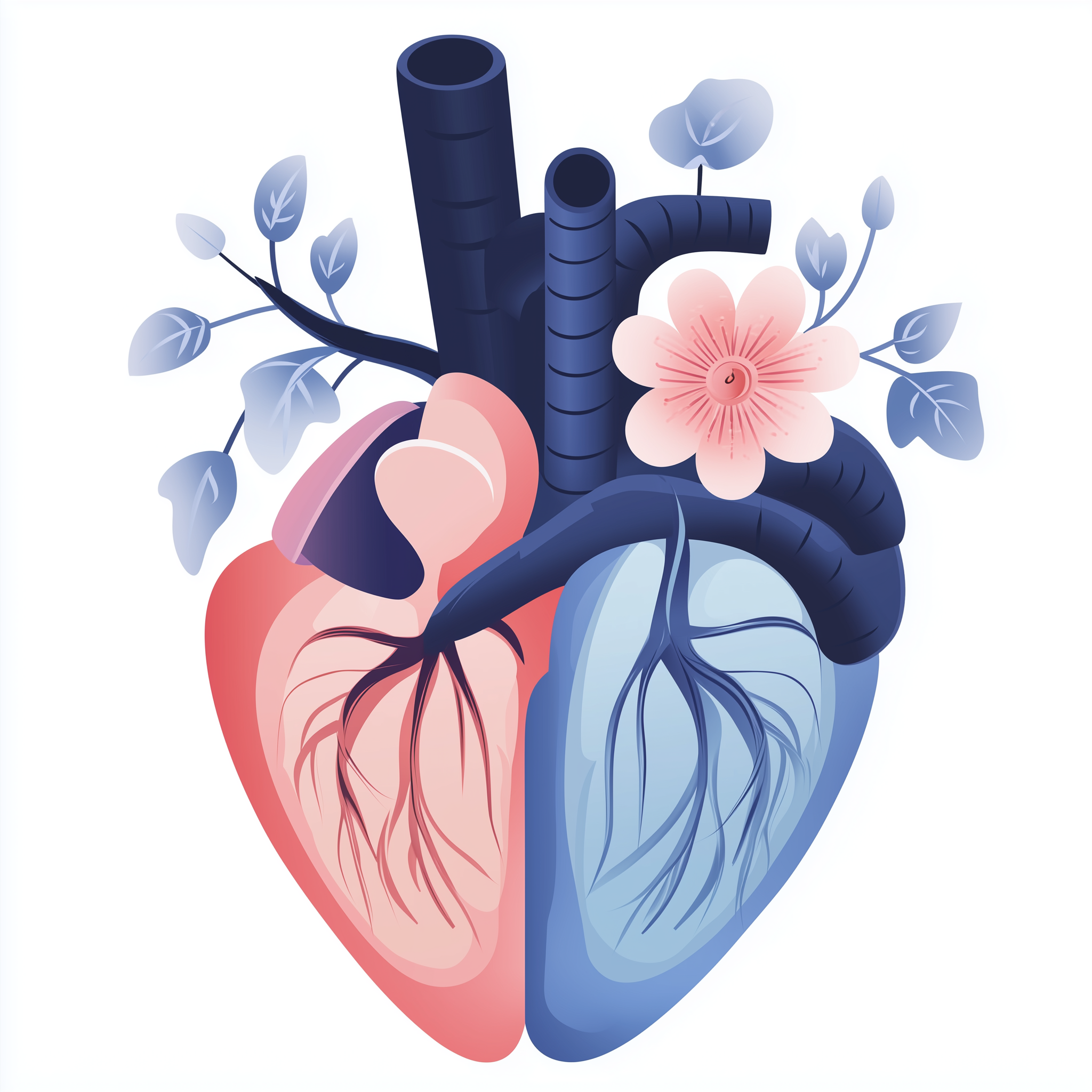
Hypertrophic cardiomyopathy primarily affects the heart, specifically the myocardium, which is the muscular wall of the heart. The most characteristic feature is the abnormal thickening of the heart muscle, predominantly involving the left ventricle, the heart's main pumping chamber. This thickening can be asymmetric, meaning it affects some parts of the ventricle more than others.
Beyond the primary thickening, HCM can also impact other structures within the heart. The mitral valve, which separates the left atrium and left ventricle, can be affected, sometimes leading to mitral regurgitation (a leaky valve). The thickened muscle can also obstruct the outflow of blood from the left ventricle into the aorta, the body's main artery, a condition known as left ventricular outflow tract (LVOT) obstruction. These structural changes within the heart can impair its ability to pump blood efficiently, leading to the various symptoms experienced by individuals with HCM.

Risks & severity
The severity of hypertrophic cardiomyopathy can vary widely among affected individuals, even within the same family. Some people may have mild thickening of the heart muscle with no symptoms and a normal lifespan, while others may experience significant symptoms and complications. The condition can manifest at any age, though symptoms often become apparent during adolescence or early adulthood. However, it can also be diagnosed in infancy or not until later in life.
Lifetime risks associated with HCM include a heightened risk of heart failure, where the heart becomes unable to pump enough blood to meet the body's needs. There is also an increased risk of developing abnormal heart rhythms (arrhythmias), which can cause palpitations, dizziness, or fainting. In a small number of cases, serious arrhythmias can lead to sudden cardiac death, particularly in younger individuals or athletes. However, with appropriate medical management, many individuals with HCM can lead full and active lives. Regular follow-up with a specialist cardiology team is crucial for monitoring the condition and mitigating potential risks.
Genetic causes
Hypertrophic cardiomyopathy is primarily caused by changes (variants) in genes that provide instructions for making proteins involved in the heart muscle's contraction. These proteins are crucial for the heart to pump blood effectively. In most cases, HCM is caused by variants in genes encoding components of the sarcomere, the basic contractile unit of muscle cells.
Two of the most frequently implicated genes in HCM are MYH7 and MYBPC3 [PMID:23703816]. The MYH7 gene provides instructions for producing beta-myosin heavy chain, a key protein that forms part of the thick filament of the sarcomere and is essential for muscle contraction. Variants in MYH7 can alter the structure or function of this protein, affecting how the heart muscle contracts and potentially leading to thickening [PMID:29658933].
Similarly, the MYBPC3 gene provides instructions for cardiac myosin-binding protein C (MyBP-C), another vital protein within the sarcomere that helps regulate muscle contraction and maintain the structural integrity of the heart muscle. Pathogenic variants in MYBPC3 can disrupt the normal function of MyBP-C, contributing to the development of HCM. Other genes are also known to be associated with HCM, but MYH7 and MYBPC3 are the most common genetic causes.
- MYBPC3 myosin binding protein C3The MYBPC3 gene provides instructions for cardiac myosin-binding protein C, a key component in heart muscle cells that helps regulate cardiac contraction.
- MYH7 myosin heavy chain 7The MYH7 gene provides instructions for producing myosin heavy chain-7, a protein essential for muscle contraction in both cardiac and skeletal muscles.
Inheritance pattern
Hypertrophic cardiomyopathy is typically inherited in an autosomal dominant pattern. This means that a person only needs to inherit one copy of a changed gene from one parent to develop the condition. If a parent has HCM due to a genetic variant, there is a 50% chance with each pregnancy that their child will inherit the variant and therefore be at risk of developing the condition.
The autosomal dominant inheritance pattern implies that the condition does not skip generations and can affect both males and females equally. Even if a child inherits the genetic variant, the severity of HCM can vary greatly, even within the same family. Some individuals with the variant may have severe symptoms, while others might have very mild or no symptoms at all. This is known as variable expressivity. Genetic counselling is often recommended for families affected by HCM to understand the inheritance pattern and implications for other family members.
Each child has a 50% chance of inheriting the pathogenic variant, regardless of sex.
Diagnosis & testing
The diagnosis of hypertrophic cardiomyopathy often begins with a clinical evaluation by a cardiologist, especially if symptoms are present or if there's a family history of the condition. Initial investigations typically include an electrocardiogram (ECG) to assess the heart's electrical activity and an echocardiogram (echo) to visualise the heart's structure and function, looking for muscle thickening. Further imaging tests like cardiac MRI may be used to provide more detailed images of the heart muscle [PMID:29658933].
Genetic testing plays a crucial role in confirming the diagnosis, identifying the specific genetic cause, and guiding family screening. In the UK, genetic testing for inherited cardiac conditions, including HCM, is available through the NHS Genomic Medicine Service (GMS). Referral for genetic testing is typically made by a clinical geneticist or a specialist cardiologist. The relevant NHS Genomic Medicine Service 'R-code' for testing for hypertrophic cardiomyopathy is R101. Genetic testing helps clarify the diagnosis and allows for cascade screening of at-risk family members, even those who currently show no symptoms.
Management & lifestyle
The management of hypertrophic cardiomyopathy focuses on alleviating symptoms, preventing complications, and improving the quality of life for affected individuals. Management plans are highly individualised and are developed by a specialist cardiology team, often involving cardiologists with expertise in inherited cardiac conditions, electrophysiologists, and genetic counsellors.
Treatment strategies may include medications to control symptoms such as breathlessness and chest pain, and to manage heart rhythms. Beta-blockers and calcium channel blockers are often used to relax the heart muscle and slow the heart rate. For individuals with significant obstruction to blood flow, other medications or procedures like septal myectomy (surgical removal of thickened heart muscle) or alcohol septal ablation may be considered. In cases of high risk for serious arrhythmias, an implantable cardioverter-defibrillator (ICD) may be recommended.
Regular follow-up appointments, typically annually, are essential to monitor the condition's progression, assess symptoms, and adjust treatment as needed. Lifestyle modifications, such as avoiding strenuous exercise (especially competitive sports) and maintaining a healthy diet, may also be advised. Patients can access specialist care within the NHS, often through inherited cardiac conditions clinics, and genetic counselling is an integral part of supporting patients and their families.
UK care pathway
In the UK, individuals with suspected or diagnosed hypertrophic cardiomyopathy are typically referred to specialist inherited cardiac conditions (ICC) clinics within the NHS. These clinics provide expert multidisciplinary care, including cardiology, electrophysiology, and genetic counselling services. Genetic testing for HCM is integrated into the NHS Genomic Medicine Service (GMS) pathways, often initiated following clinical suspicion by a cardiologist or when there is a family history of the condition.
Patients can be referred for genetic testing under the GMS 'R-code' R101 for hypertrophic cardiomyopathy. This testing helps to identify the underlying genetic cause, which is vital for confirming the diagnosis and enabling cascade screening for at-risk family members. Genetic counsellors play a key role in explaining the genetic aspects of HCM, discussing inheritance patterns, and supporting families through the testing process and its implications.
Frequently asked questions
What activities should I avoid if I have hypertrophic cardiomyopathy?
Individuals with HCM are generally advised to avoid competitive sports and very strenuous exercise, as these activities can increase the risk of complications. Your cardiology team will provide personalised advice based on your specific condition and risk profile. It is important to discuss any exercise plans with them.
Can hypertrophic cardiomyopathy be cured?
Currently, there is no cure for hypertrophic cardiomyopathy. However, the condition is manageable, and treatments are available to alleviate symptoms, reduce complications, and improve quality of life. Regular monitoring and adherence to your treatment plan are essential.
How often do I need to be checked if I have HCM?
Typically, individuals with HCM require regular follow-up appointments with their cardiology team, often on an annual basis. These appointments usually include an assessment of symptoms, an ECG, and an echocardiogram to monitor the heart's condition and adjust treatment as needed.
What is the risk of passing HCM on to my children?
Hypertrophic cardiomyopathy is most commonly inherited in an autosomal dominant pattern. If you have HCM due to a genetic variant, there is a 50% chance with each pregnancy that your child will inherit the genetic variant. Genetic counselling can provide detailed information and support for family planning.
Is sudden cardiac death a high risk for everyone with HCM?
While HCM is associated with an increased risk of sudden cardiac death, this risk is not the same for everyone. It is a rare event, and individual risk is assessed by your cardiology team based on several factors, including your specific symptoms, family history, and test results. Management strategies, such as lifestyle changes or an ICD, can help mitigate this risk.
References
- Butt AK, Alkhatib D, Pour-Ghaz I. Hypertrophic Cardiomyopathy. Journal of cardiovascular development and disease. 2023. PMID: 36975870
- Shah M. Hypertrophic cardiomyopathy. Cardiology in the young. 2017. PMID: 28084957
- Monda E, Limongelli G, Pelliccia F. Hypertrophic Cardiomyopathy-Current Challenges and Future Perspectives. Journal of clinical medicine. 2023. PMID: 37763033
- Chou C, Chin MT. Genetic and Molecular Mechanisms of Hypertrophic Cardiomyopathy. International journal of molecular sciences. 2023. PMID: 36768840
- Mitchell CC, Frye C, Jankowski M. A Practical Approach to Echocardiographic Imaging in Patients With Hypertrophic Cardiomyopathy. Journal of the American Society of Echocardiography : official publication of the American Society of Echocardiography. 2023. PMID: 37160197
- Sherrid MV, Massera D. Risk Stratification and Hypertrophic Cardiomyopathy Subtypes. Journal of the American College of Cardiology. 2019. PMID: 31699274
- Subasic K. Hypertrophic cardiomyopathy. The Nursing clinics of North America. 2013. PMID: 24295188
- Borlaug BA, Omote K. Beta-Blockers and Exercise Hemodynamics in Hypertrophic Cardiomyopathy. Journal of the American College of Cardiology. 2022. PMID: 35450574