

On this page
Polycystic ovary syndrome
PCOS affects an estimated 6 to 12% of women, usually becoming apparent in the teenage years or early adulthood. It can cause irregular periods, excess hair growth, acne and fertility difficulties, and is linked to a higher chance of metabolic problems such as type 2 diabetes.
Overview
Polycystic ovary syndrome is a long-term condition affecting how the ovaries work and how the body handles certain hormones, including insulin. Despite the name, the condition is not defined by cysts in the usual sense. The ovaries often contain many small, fluid-filled follicles (immature egg sacs) that have not matured and been released.
Based on the metadata for this page, roughly 6 to 12% of women are affected, although exact prevalence varies with the diagnostic criteria used and the population studied. It is one of the most common causes of irregular ovulation and is a frequent reason for women to seek fertility advice.
PCOS is considered a complex (polygenic) condition. This means it arises from many small genetic influences combined with factors such as body weight, metabolic health and environment, rather than from a single faulty gene. Presentation and severity differ widely between individuals.
Symptoms & clinical features
Common features include infrequent or absent periods, difficulty becoming pregnant because ovulation is irregular, and signs of raised androgens. These can include excess facial or body hair (hirsutism), acne, and thinning of scalp hair. Some people notice weight gain, particularly around the waist, or darkened patches of skin in body folds.
Not everyone has every feature. Some people have regular periods but other signs, while others have irregular cycles with few visible changes. Symptoms often first appear in adolescence, which can make diagnosis harder because irregular cycles are common in the first years after periods begin.
PCOS can also affect emotional wellbeing. Research suggests higher rates of anxiety, low mood and body-image concerns among people with the condition, and these are increasingly recognised as part of overall care.
Video: Genetics 101
Affected organs
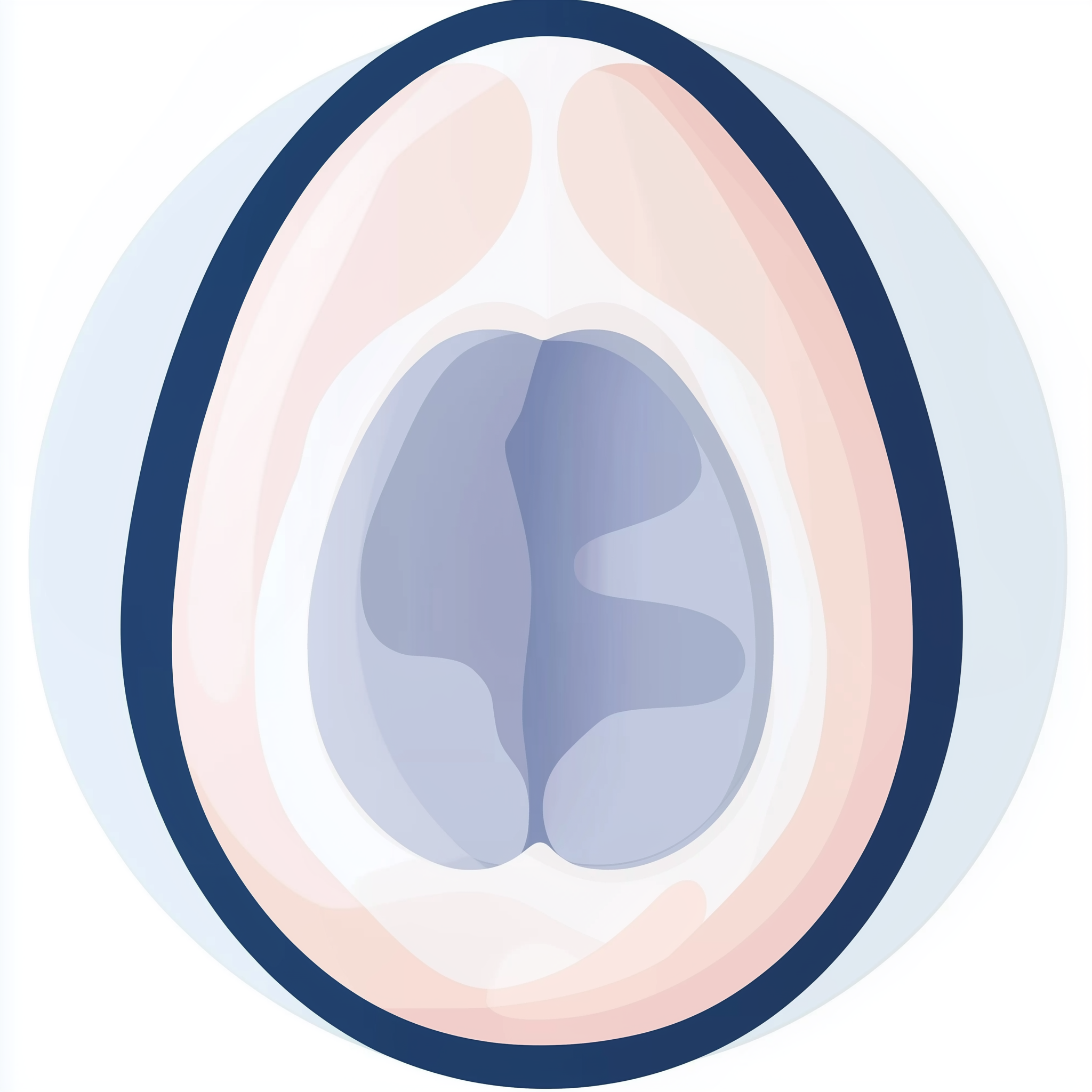
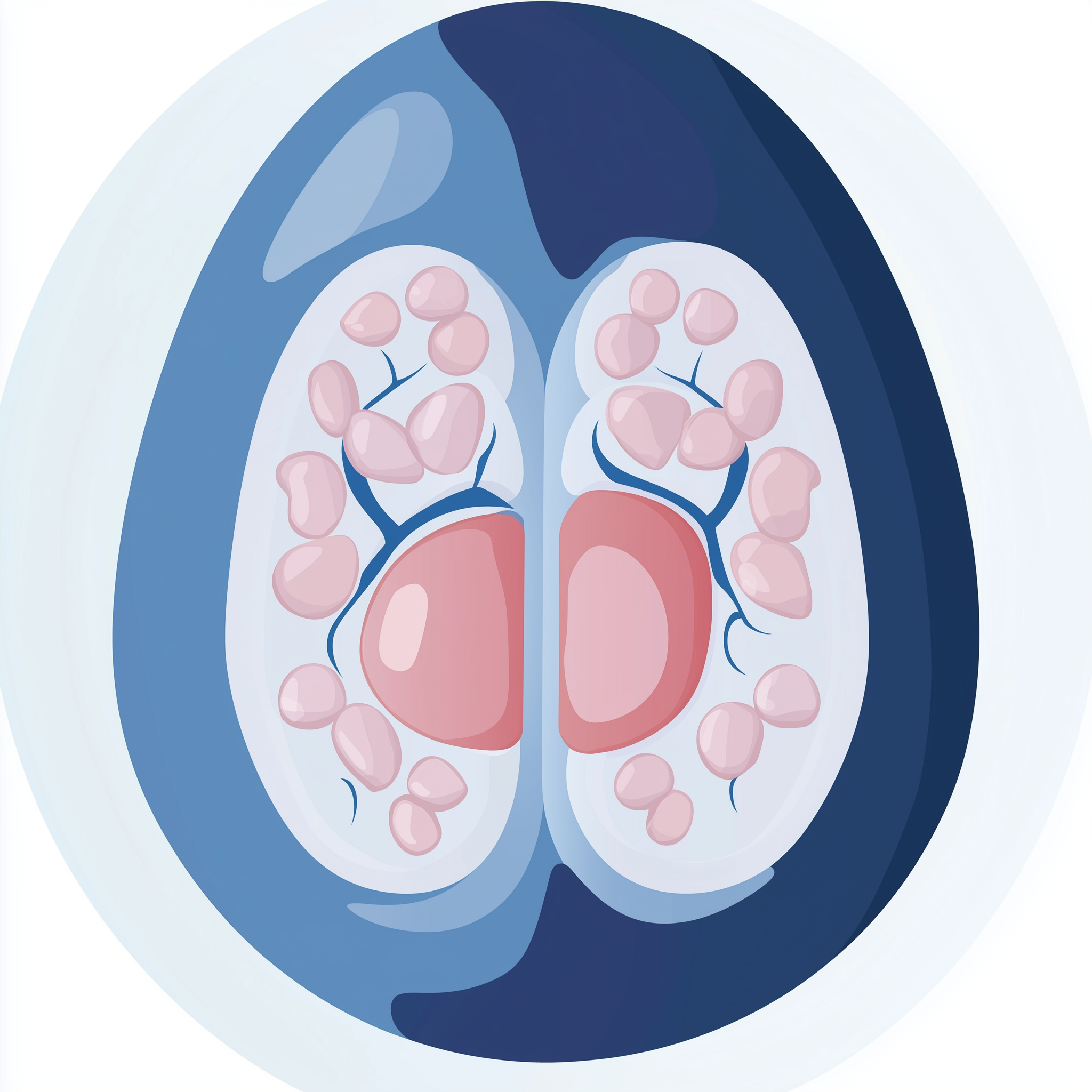
The ovaries are the main organs involved, with disrupted follicle development and irregular egg release. The hormone-signalling pathway linking the brain's pituitary gland to the ovaries is also central, as are the adrenal glands, which may contribute to raised androgens.
Beyond reproduction, PCOS affects metabolism. Many people have a reduced response to insulin (insulin resistance), which can affect the pancreas, liver, blood vessels and fat tissue. The skin and hair follicles respond to raised androgens, and the womb lining can be affected when periods are infrequent.
Risks & severity
Severity ranges from mild cycle irregularity to marked reproductive and metabolic effects. Many people with PCOS conceive, sometimes with support, and outcomes vary considerably.
Evidence suggests PCOS is associated with a higher likelihood of type 2 diabetes, gestational diabetes, high blood pressure, raised cholesterol and sleep apnoea. Infrequent periods over many years may also be linked to thickening of the womb lining and, in some studies, a higher risk of endometrial cancer. Absolute risks differ from person to person, and estimates vary between studies, so individual risk is best discussed with a clinician.
Genetic causes
Studies of families and large genome-wide association studies indicate that PCOS has a substantial inherited component. Rather than one causative gene, many common variants each add a small amount of risk. Genes highlighted in our reference dataset include DENND1A, FSHB, LHCGR and THADA.
DENND1A has been linked to androgen production in ovarian theca cells, and research suggests altered activity may contribute to higher androgen output. FSHB encodes part of follicle stimulating hormone, which drives follicle growth, while LHCGR encodes the receptor through which luteinizing hormone triggers ovulation and hormone production. Variation in these genes may subtly alter hormone signalling in the ovary. THADA has been associated with PCOS in several populations, and its role is thought to involve metabolic and cellular stress pathways, although the exact mechanism is not fully established.
These associations describe tendencies, not certainties. Carrying a variant in one of these genes does not mean a person will develop PCOS, and many people with PCOS will not have a clearly identifiable genetic cause.
Inheritance pattern
PCOS follows a polygenic or complex pattern (OMIM 184700). It does not pass through families in the predictable way seen in single-gene conditions, and a child does not simply inherit it or not.
Relatives, particularly sisters and daughters, appear more likely to have PCOS than the general population, probably because they share many risk variants and often similar environments. Male relatives can also carry risk variants and may show related features such as early-onset hair loss or metabolic changes, though this is less well defined. Risk for relatives is generally increased rather than certain.
Diagnosis & testing
PCOS is diagnosed clinically, usually through a GP, gynaecologist or endocrinologist. Commonly used criteria (such as the Rotterdam criteria) look for two of three features: irregular or absent ovulation, clinical or blood-test evidence of raised androgens, and polycystic-appearing ovaries on ultrasound. Other conditions with similar features are generally excluded first, often with blood tests.
Genetic testing is not part of routine diagnosis. PCOS is generally not assessed through NHS Genomic Medicine Service panels, so no dedicated R-code typically applies. Genetic testing may be considered only where features suggest a different, single-gene cause, and this would be decided by a specialist team.
Management & lifestyle
Care is tailored to the individual's symptoms and goals, such as cycle regulation, fertility, skin and hair concerns, or metabolic health. NICE guidance and NHS pathways generally emphasise lifestyle approaches, regular review of blood pressure, blood glucose and cholesterol, and attention to mental health.
Treatment choices, including medical options and fertility support, are decided with a GP or specialist team. Decisions about starting or changing any treatment are individual and are not covered here.
UK care pathway
In the UK, most people are first assessed in primary care, with referral to gynaecology, endocrinology or fertility services where needed. Because PCOS is a complex condition, it is not usually referred to NHS clinical genetics.
Clinical genetics referral may be considered where there is an unusual presentation, such as very early onset, marked virilisation or a strong family pattern suggesting another condition. In these cases, a genetic counsellor can explain what testing can and cannot show.
Frequently asked questions
Is PCOS inherited, and will my daughter get it?
PCOS has a genetic component, so relatives such as daughters may have a higher chance than average. It is not passed on in a simple, predictable way, and many daughters of affected women do not develop it.
Can a genetic test confirm that I have PCOS?
No. PCOS is diagnosed from symptoms, blood tests and sometimes ultrasound, not from a gene test. Variants in genes such as DENND1A or LHCGR only slightly alter risk and cannot diagnose or rule out the condition.
Does PCOS mean I cannot have children?
Not necessarily. PCOS can make ovulation irregular, which may delay pregnancy, but many people conceive naturally or with support. A GP or fertility specialist can discuss options based on individual circumstances.
Does PCOS increase my risk of other health problems?
Research suggests PCOS is associated with higher chances of type 2 diabetes, high blood pressure and raised cholesterol, and with changes to the womb lining if periods are very infrequent. Regular health checks through your GP can help monitor these.