

On this page
Congenital adrenal hyperplasia (17-hydroxylase)
This condition affects the body's ability to produce important hormones, including sex hormones and some stress hormones. It can lead to differences in sexual development and blood pressure issues, typically becoming apparent during childhood or puberty.
Available at Jeen Health
Clinical tests that include this
Overview
Congenital adrenal hyperplasia (CAH) due to 17-hydroxylase deficiency is a rare inherited condition. It affects the adrenal glands, which are small glands located on top of each kidney, as well as the gonads (ovaries in females, testes in males). These glands are responsible for producing a variety of essential hormones, including sex hormones and corticosteroids. In this specific form of CAH, there is a problem with an enzyme called 17-hydroxylase, which is crucial for the normal production of these hormones [PMID:33602166].
The deficiency results in reduced levels of sex hormones like oestrogens and androgens, as well as cortisol, a corticosteroid that helps the body respond to stress and regulate metabolism. Levels of other hormones, such as mineralocorticoids, which control salt and water balance, can be elevated. The clinical presentation varies depending on an individual's sex and the specific hormone imbalances caused by the condition.
Symptoms & clinical features
Individuals with 17-hydroxylase deficiency can experience a range of symptoms due to the altered hormone levels. One common feature is high blood pressure (hypertension), which often develops in childhood or adolescence and can be severe [PMID:31568285]. This is typically due to an excess of mineralocorticoid hormones.
Differences in sexual development are also characteristic. Genetically male individuals (with XY chromosomes) may have under-masculinised external genitalia, ranging from ambiguous genitalia at birth to appearing female. Genetically female individuals (with XX chromosomes) typically have normal female external genitalia at birth, but they may not develop secondary sexual characteristics during puberty, such as breast development or menstruation. Both sexes usually experience delayed puberty or absent pubertal development, and infertility can be a concern.
Video: Genetics 101
Affected organs
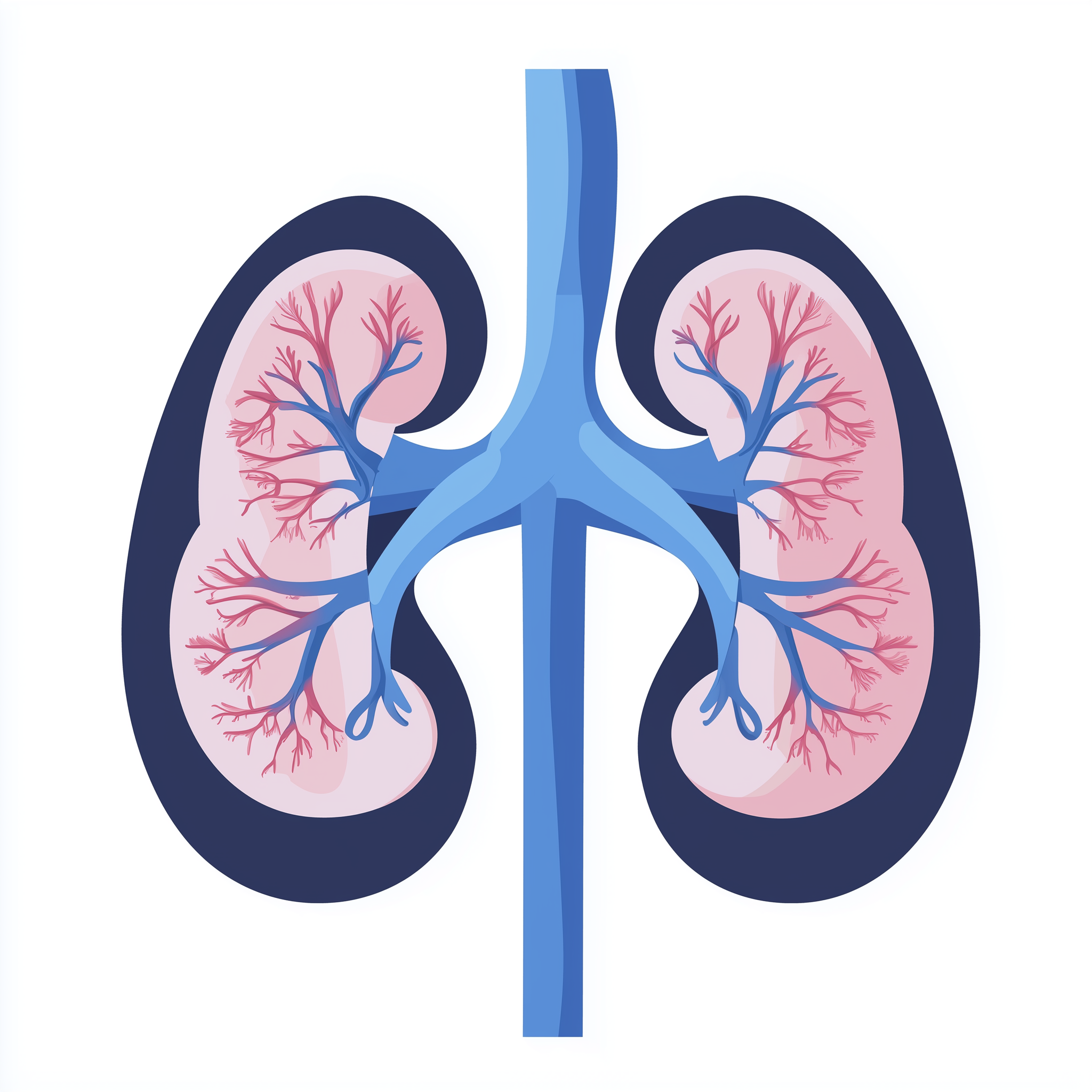
The primary organs affected are the adrenal glands and the gonads (testes and ovaries). The adrenal glands are unable to produce adequate levels of cortisol and sex hormone precursors. This can lead to the adrenal glands enlarging, a process known as hyperplasia, as they try to compensate for the enzyme deficiency.
The gonads are also affected because they rely on the same 17-hydroxylase enzyme to produce sex hormones. This can lead to incomplete or absent development of secondary sexual characteristics and potential fertility issues in both males and females.

Risks & severity
The severity of 17-hydroxylase deficiency can vary, but generally, individuals experience a recognisable set of symptoms related to hormone imbalances. Unmanaged high blood pressure poses long-term health risks, including cardiovascular complications.
For genetically male individuals, the degree of undervirilisation (reduced male characteristics) can range from mild abnormalities to complete feminisation of external genitalia. For genetically female individuals, the primary concerns are often related to absent puberty and potential bone health issues due to lack of oestrogen. Infertility is a common concern for both sexes [PMID:33602166]. Early diagnosis and management are important to address these concerns and improve long-term outcomes.
Genetic causes
Congenital adrenal hyperplasia due to 17-hydroxylase deficiency is caused by pathogenic variants in the CYP17A1 gene. This gene provides instructions for making the 17-alpha-hydroxylase enzyme. This enzyme plays a vital role in two key steps in the production of steroid hormones.
Specifically, it converts certain precursors into cortisol, which is essential for regulating metabolism, immune response, and stress. It also converts precursors into sex hormones like androgens (e.g., testosterone) and oestrogens. When pathogenic variants occur in CYP17A1, the enzyme's function is disrupted, leading to low levels of cortisol and sex hormones, and varying accumulation of other hormone precursors [PMID:31568285].
- CYP17A1 cytochrome P450 family 17 subfamily A member 1CYP17A1 encodes an enzyme essential for producing sex hormones and cortisol, with variants causing hormone deficiencies that affect sexual development and blood pressure.
Inheritance pattern
This condition follows an autosomal recessive inheritance pattern. This means that a person must inherit two altered copies of the CYP17A1 gene - one from each parent - to be affected.
Individuals who inherit only one altered copy of the gene are called carriers. Carriers typically do not show symptoms of the condition themselves but can pass the altered gene on to their children. If both parents are carriers, there is a 25% chance with each pregnancy that their child will inherit two altered copies and be affected, a 50% chance the child will be a carrier, and a 25% chance the child will inherit two normal copies and not be affected or a carrier.
When both parents are carriers, each child has a 25% chance of being affected, 50% of being a carrier, and 25% of being unaffected.
Diagnosis & testing
Diagnosis of 17-hydroxylase deficiency is typically initiated based on clinical signs, such as unexplained high blood pressure, differences in sexual development, or delayed/absent puberty. Blood tests to measure hormone levels, including cortisol, sex hormones, and their precursors, can provide important clues. For example, low cortisol and sex hormone levels, along with elevated levels of precursor steroids, can indicate the condition.
Confirmation of the diagnosis involves genetic testing for pathogenic variants in the CYP17A1 gene. This can be requested by a specialist, such as an endocrinologist or clinical geneticist, and is part of the NHS Genomic Medicine Service pathway. Relevant NHS R-codes would be applied for such testing.
Management & lifestyle
Management of 17-hydroxylase deficiency focuses on hormone replacement therapy to address the specific deficiencies. Glucocorticoid replacement, typically with hydrocortisone, is used to replace cortisol and help suppress the overproduction of other hormones that contribute to high blood pressure. Mineralocorticoid excess can often be managed with glucocorticoid replacement, though sometimes additional medications for blood pressure control may be needed.
Sex hormone replacement therapy, using oestrogen and progesterone for females and testosterone for males, is often started at the appropriate age of normal puberty to induce secondary sexual characteristics and support bone health. Patients are typically managed by a multidisciplinary team, including endocrinologists, clinical geneticists, and specialist nurses, within the NHS. Regular monitoring of hormone levels and blood pressure is essential.
UK care pathway
In the UK, individuals suspected of having genetic conditions like congenital adrenal hyperplasia (17-hydroxylase) would typically be referred to a specialist, such as a paediatric endocrinologist or adult endocrinologist, or a clinical geneticist. These specialists can arrange for appropriate diagnostic tests, including genetic testing for the CYP17A1 gene, if clinically indicated. Diagnostic testing adheres to the NHS Genomic Medicine Service (GMS) pathways and uses specific R-codes. Genetic counsellors are available to provide information and support to individuals and families regarding genetic testing, inheritance patterns, and the implications of a diagnosis.
Frequently asked questions
What is the life expectancy for someone with 17-hydroxylase deficiency?
With appropriate and consistent hormone replacement therapy and regular medical follow-up, individuals with 17-hydroxylase deficiency generally have a normal life expectancy. Managing blood pressure and hormone levels effectively is key to long-term health.
Can individuals with 17-hydroxylase deficiency have children?
Fertility can be challenging for individuals with 17-hydroxylase deficiency due to the impact on sex hormone production and gonadal development. However, depending on the severity and individual circumstances, some individuals may achieve fertility, sometimes with assisted reproductive technologies. This should be discussed with specialist doctors.
Will my children inherit 17-hydroxylase deficiency if I have it?
If you have 17-hydroxylase deficiency, it means you have two altered copies of the CYP17A1 gene. Because it is an autosomal recessive condition, any children you have will inherit one altered copy from you. Whether they are affected themselves depends on what gene copy they inherit from your partner. If your partner is a carrier, there is a 50% chance with each child that they will be affected.
Is there a cure for 17-hydroxylase deficiency?
Currently, there is no cure for 17-hydroxylase deficiency. However, the condition is well-managed with lifelong hormone replacement therapy. This treatment aims to correct hormone imbalances and alleviate symptoms, allowing individuals to live healthy lives.
How often do I need to see a specialist for this condition?
Individuals with 17-hydroxylase deficiency typically require regular follow-up with an endocrinologist or a specialist CAH team. The frequency of appointments will depend on individual needs, response to treatment, and stability of hormone levels, but it often involves annual or bi-annual visits.