

On this page
Pierson syndrome
Pierson syndrome typically presents in newborns with heavy protein loss in the urine, unusually small pupils and low muscle tone. It is inherited in an autosomal recessive pattern. Severity varies, and care involves kidney, eye and neurodevelopmental teams.
Overview
Pierson syndrome is a rare genetic condition that mainly affects the kidneys and eyes, with additional effects on muscle tone and development. It is classed as a renal condition because kidney disease is usually the first and most serious feature, appearing at or soon after birth.
The condition is listed in OMIM as entry 609049. Exact prevalence is not well established, but it is considered very rare. It affects boys and girls equally, and it is caused by changes in both copies of a single gene, LAMB2.
Pierson syndrome sits within a wider group of LAMB2-related disorders. Some people have the full combination of features, while others have a milder or kidney-only picture, so outcomes differ between families.
Symptoms & clinical features
The classic kidney feature is congenital nephrotic syndrome, in which the kidneys leak large amounts of protein into the urine from very early life. This can cause swelling (oedema), low blood protein levels, poor weight gain and an increased risk of infection. Kidney function often declines over the first months or years.
The typical eye feature is microcoria, meaning abnormally small pupils that respond poorly to light and do not widen well. Other eye differences may include short-sightedness, cataracts or problems with the structure of the eye, and vision can be significantly affected.
Many affected infants also have low muscle tone (hypotonia) and delayed development. Some have additional neurological problems. The combination and severity of these features vary from person to person.
Video: Genetics 101
Affected organs
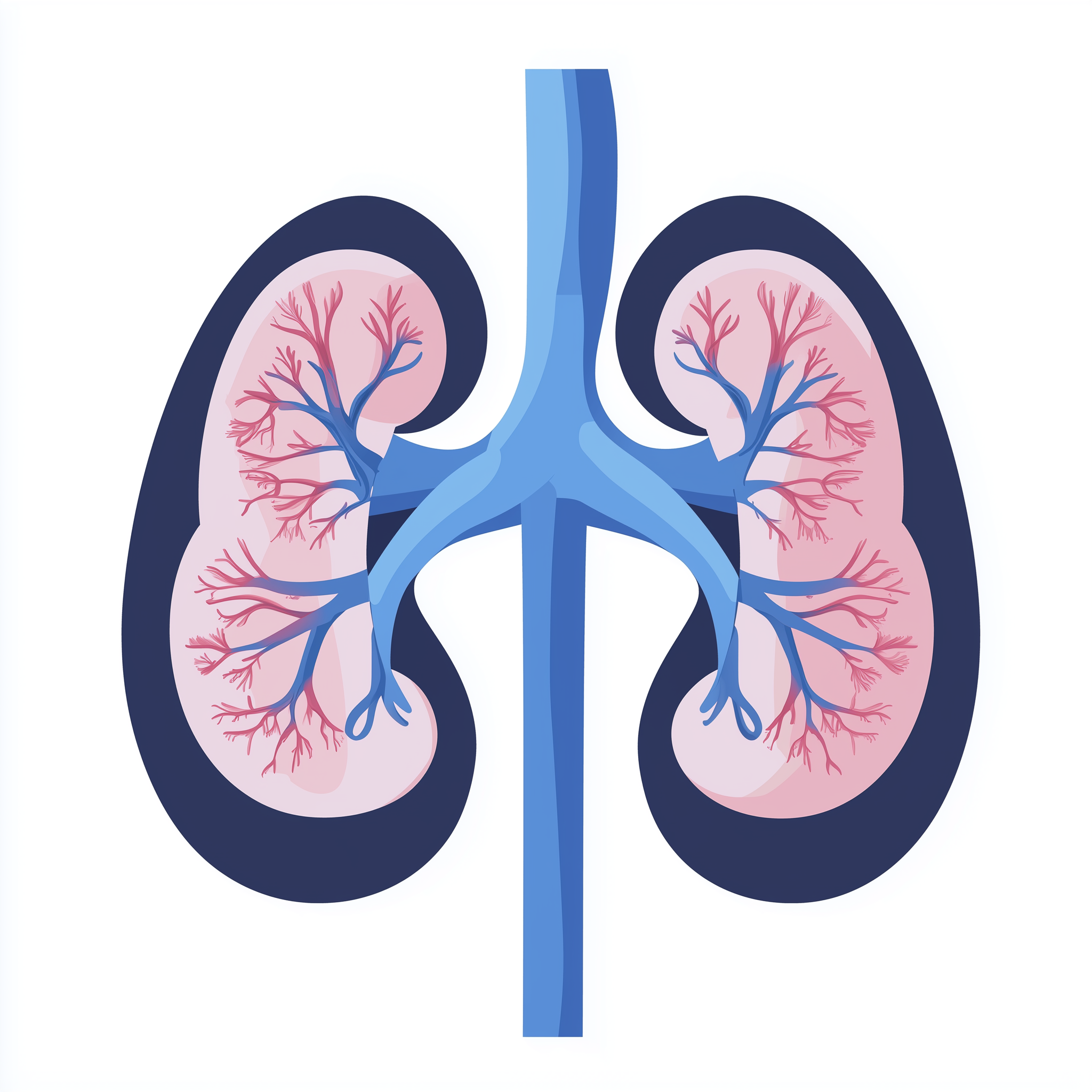
The kidneys are most consistently affected, particularly the glomeruli, the tiny filtering units of the kidney. Scarring of the supporting tissue within these units (diffuse mesangial sclerosis) is a recognised pattern.
The eyes, the nervous system and skeletal muscle are also involved. These tissues all depend on a supporting scaffold that includes the protein encoded by LAMB2, which explains why such different organs can be affected together.

Risks & severity
Severity ranges widely. In the most severe form, kidney failure develops in early infancy and survival can be limited, especially without dialysis or transplantation. Other children, often those with certain LAMB2 variants that retain some protein function, have milder kidney disease, later onset or fewer eye and neurological features.
Because the condition is rare and the evidence base is small, precise survival and long-term outcome figures are uncertain. Specialist teams can discuss what is known for an individual child, based on the specific genetic change and clinical picture.
Genetic causes
Pierson syndrome is caused by pathogenic variants (disease-causing changes) in LAMB2, which provides instructions for the laminin beta-2 chain. This chain is one component of laminin proteins that form part of the basement membrane, a thin supportive layer found beneath many cell types.
In the kidney, laminin containing this chain helps anchor and organise the glomerular filtration barrier. In the eye it contributes to structures that control the pupil, and at nerve-muscle junctions it helps organise signalling. When LAMB2 variants greatly reduce or abolish working protein, these structures are disrupted.
Variants that remove protein production entirely are generally linked with the severe classic form, whereas some missense variants (single letter changes that alter one building block) may allow milder disease. This genotype-phenotype link is helpful but not absolute.
- LAMB2 laminin subunit beta 2
Inheritance pattern
Pierson syndrome is inherited in an autosomal recessive way. A child is affected when they inherit a non-working LAMB2 variant from each parent. Parents are usually carriers with one altered and one working copy, and are typically unaffected.
When both parents are carriers, each pregnancy has a 1 in 4 chance of an affected child, a 1 in 2 chance of a carrier child and a 1 in 4 chance of a child with two working copies. Brothers and sisters may be offered carrier or diagnostic testing, and genetic counsellors can discuss reproductive options, including prenatal and pre-implantation testing.
When both parents are carriers, each child has a 25% chance of being affected, 50% of being a carrier, and 25% of being unaffected.
Diagnosis & testing
Diagnosis is usually suspected from the combination of congenital nephrotic syndrome and eye findings such as microcoria. Urine and blood tests assess kidney function and protein loss, and an eye examination looks for characteristic changes.
Genetic testing of LAMB2 confirms the diagnosis. In the NHS, testing is arranged through the Genomic Medicine Service, typically via a paediatric nephrologist or clinical geneticist, using renal-related panels listed in the National Genomic Test Directory. The relevant R-code for an individual case is best confirmed with the referring clinical genetics team.
Management & lifestyle
Care is supportive and coordinated by a multidisciplinary team, usually including paediatric nephrology, ophthalmology, neurodevelopmental and therapy services. Approaches to nephrotic syndrome may include nutritional support, managing swelling and infection risk, and planning for kidney replacement treatment such as dialysis or transplantation where appropriate.
Eye care focuses on supporting vision, and developmental support may include physiotherapy and early intervention. Decisions are individual to each child and are made by their specialist team with the family.
UK care pathway
In the UK, children with suspected Pierson syndrome are generally seen by a paediatric nephrology team, often at a specialist centre, and referred to clinical genetics through the NHS Genomic Medicine Service. Gene panels for inherited kidney disease are available through the National Genomic Test Directory, and PanelApp lists the genes reviewed for each panel.
Families can ask their clinical team about a genetic counsellor, who can explain results, carrier testing for relatives and options for future pregnancies.
Frequently asked questions
Is Pierson syndrome always fatal in infancy?
Not always. The most severe form can cause life-threatening kidney failure early in life, but milder LAMB2-related forms exist and some children survive longer, particularly with dialysis or transplant. Outlook depends on the specific genetic change and clinical picture, so the specialist team is best placed to discuss it.
Can we have another child with Pierson syndrome?
If both parents are carriers, each pregnancy has a 1 in 4 chance of an affected child. A genetic counsellor can explain options such as prenatal testing or pre-implantation genetic testing.
Do brothers and sisters need testing?
Siblings may be offered testing to check whether they are affected or carriers, depending on their age and symptoms. Your clinical genetics team can advise on timing and what the results would mean.
How is Pierson syndrome tested for on the NHS?
Testing is usually a blood sample analysed for LAMB2 variants, requested by a nephrologist or clinical geneticist through the NHS Genomic Medicine Service. Results can take several weeks, and rapid options may be available in some urgent situations.
References
- Naylor RW, Morais MRPT, Lennon R. Complexities of the glomerular basement membrane. Nature reviews. Nephrology. 2021. PMID: 32839582
- Conegundes AF, Silva NL, Silva FRLR. Pierson Syndrome: An Update. Current pediatric reviews. 2026. PMID: 41582364
- Savige J, Harraka P. Pathogenic LAMA5 Variants and Kidney Disease. Kidney360. 2021. PMID: 35419542
- Boyer O, Mollet G, Dorval G. Neurological involvement in monogenic podocytopathies. Pediatric nephrology (Berlin, Germany). 2021. PMID: 33791874
- Funk SD, Lin MH, Miner JH. Alport syndrome and Pierson syndrome: Diseases of the glomerular basement membrane. Matrix biology : journal of the International Society for Matrix Biology. 2018. PMID: 29673759
- ALKhamees A, ALShemmari M. Case of Pierson syndrome presented with hyphema,vitrous haemorrhage and subsequent neovascular glaucoma. BMC ophthalmology. 2023. PMID: 36829142
- Kashtan CE, Segal Y. Genetic disorders of glomerular basement membranes. Nephron. Clinical practice. 2011. PMID: 21071975
- Yurchenco PD, Kulczyk AW. Polymerizing laminins in development, health, and disease. The Journal of biological chemistry. 2024. PMID: 38825010