

On this page
Galloway-Mowat syndrome
This syndrome typically presents in infancy with significant protein loss through the kidneys (nephrotic syndrome) and microcephaly. It is a rare, inherited condition that affects various aspects of a child's development.
Overview
Galloway-Mowat syndrome (GAMOS) is a rare inherited disorder that primarily affects the kidneys and brain. It is characterised by early-onset nephrotic syndrome, which means the kidneys leak large amounts of protein, and microcephaly, a condition where the head is smaller than expected for age and sex [PMID:30197480]. The syndrome often manifests in early infancy, sometimes even before birth, with a range of challenging health issues. While a rare condition, its severe impact on kidney and brain function often leads to significant developmental concerns.
Symptoms & clinical features
Individuals with Galloway-Mowat syndrome typically show symptoms from birth or early infancy. Key features include significant proteinuria, swelling (oedema) due to fluid retention, and low levels of albumin in the blood, all indicative of nephrotic syndrome [PMID:28368817]. Brain anomalies are also common, with microcephaly being a hallmark symptom, and may include structural changes noticeable on brain imaging. Developmental delay is often observed, affecting motor skills, speech, and cognitive development. Other symptoms can involve facial characteristics, such as unusual ear shape, widely spaced eyes, or a small jaw. Muscle weakness and feeding difficulties are also frequently reported.
Video: Genetics 101
Affected organs
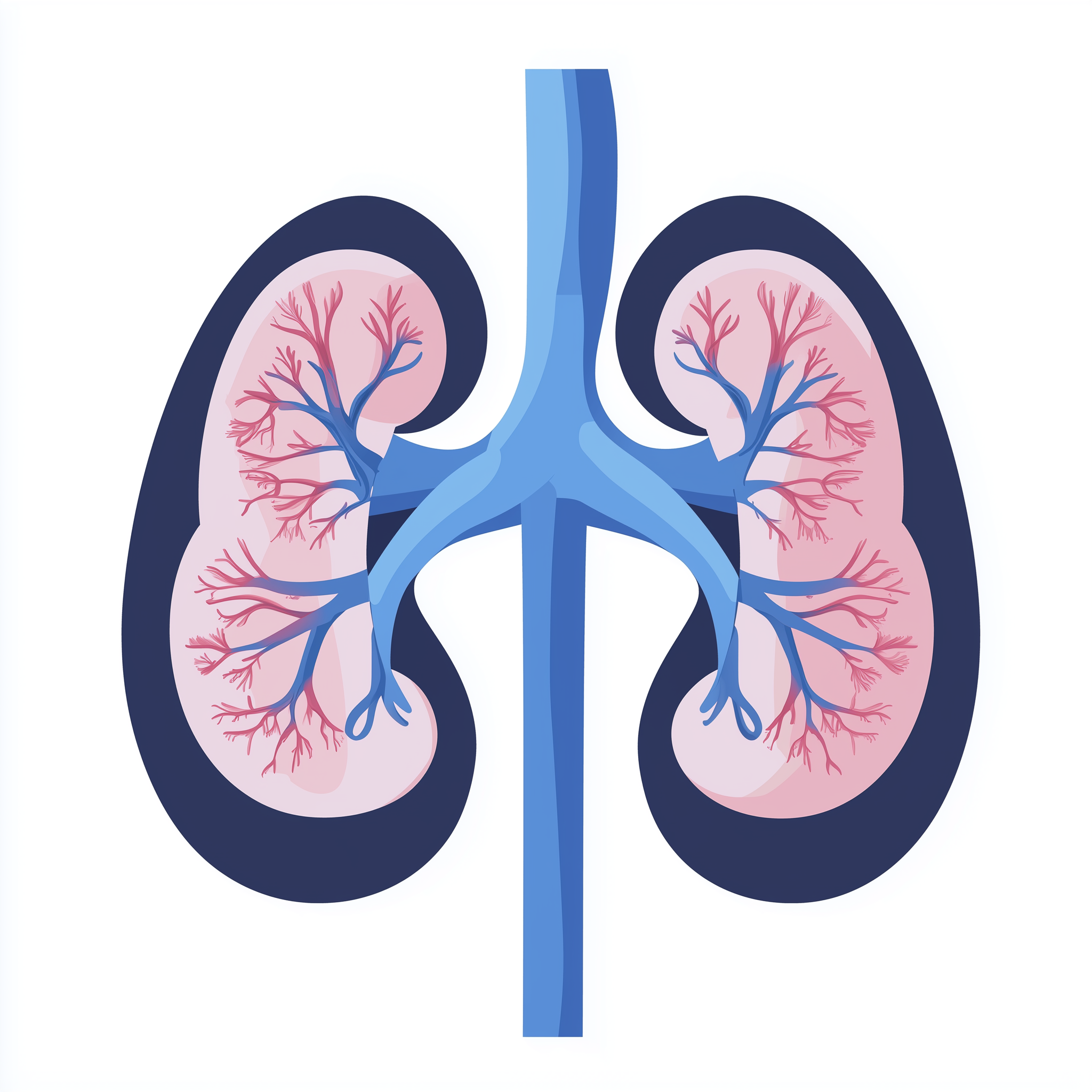
The primary organs affected by Galloway-Mowat syndrome are the kidneys and the brain. The kidney involvement typically presents as nephrotic syndrome, where the filtering units of the kidneys are damaged, leading to excessive protein loss. This can progress to severe kidney failure. In the brain, microcephaly is a consistent feature, often accompanied by structural brain changes like simplified gyral patterns (smoother brain surface) or hypoplasia (underdevelopment) of the corpus callosum. These brain anomalies contribute to the developmental delays and neurological challenges seen in affected individuals. Other organ systems may be indirectly affected due to the severe nature of the condition, but kidney and brain are the most consistently and severely impacted.

Risks & severity
Galloway-Mowat syndrome is a severe condition with a broad spectrum of clinical presentation, though generally associated with significant health challenges. The early onset and progressive nature of kidney disease often lead to kidney failure, sometimes requiring dialysis or kidney transplant. Neurological complications, stemming from brain abnormalities, can result in severe developmental delay and intellectual disability [PMID:30197480]. The severity of symptoms can vary among affected individuals, even within the same family, but generally, the prognosis is guarded due to the dual impact on vital organ systems. The exact prevalence of Galloway-Mowat syndrome is not well established, but it is considered a rare disorder.
Genetic causes
Galloway-Mowat syndrome is caused by pathogenic variants in specific genes, including OSGEP, LAGE3, and WDR73 [PMID:28368817]. These genes are crucial for normal cellular function, particularly in protein modification and processing. For instance, the OSGEP gene provides instructions for making a protein that is part of a complex involved in modifying tRNA, which is essential for protein synthesis. Pathogenic changes in OSGEP, LAGE3, or WDR73 disrupt these critical cellular processes, leading to the developmental defects observed in the kidneys and brain. Understanding which gene is involved can sometimes provide insights into the specific clinical features or progression of the syndrome.
- LAGE3 L antigen family member 3
- OSGEP O-sialoglycoprotein endopeptidase
- WDR73 WD repeat domain 73
Inheritance pattern
Galloway-Mowat syndrome follows an autosomal recessive inheritance pattern. This means that an individual must inherit two altered copies of the causative gene - one from each parent - to develop the condition. Parents who each carry one altered copy of the gene are typically unaffected themselves; they are known as carriers. When both parents are carriers, there is a 25% chance with each pregnancy that their child will inherit two altered copies and develop the syndrome. There is a 50% chance the child will be a carrier like their parents, and a 25% chance the child will inherit two working copies of the gene and be neither affected nor a carrier.
When both parents are carriers, each child has a 25% chance of being affected, 50% of being a carrier, and 25% of being unaffected.
Diagnosis & testing
Diagnosis of Galloway-Mowat syndrome is usually suspected based on the distinct clinical features, particularly the combination of early-onset nephrotic syndrome and microcephaly. Further investigations, such as kidney biopsies and brain imaging (MRI), help to confirm the clinical diagnosis. Definitive diagnosis relies on genetic testing to identify pathogenic variants in one of the known causative genes, such as OSGEP, LAGE3, or WDR73. In the UK, genetic testing for suspected cases can be accessed through the NHS Genomic Medicine Service, often following referral from a paediatrician or nephrologist to a clinical genetics service. This process typically uses an R-code, such as R241 for 'Childhood Steroid-Resistant Nephrotic Syndrome', to guide the diagnostic pathway.
Management & lifestyle
Due to the severe and multi-system nature of Galloway-Mowat syndrome, management focuses on supportive care and symptom management. For kidney involvement, treatment for nephrotic syndrome may include medications to reduce protein loss and manage fluid balance. If kidney failure progresses, renal replacement therapies such as dialysis or kidney transplantation may be considered. Neurological management involves interventions to support development, such as physiotherapy, occupational therapy, and speech and language therapy. Nutritional support is often crucial, especially with feeding difficulties. Management plans are highly individualised and coordinated by a multidisciplinary team, potentially including paediatricians, nephrologists, neurologists, genetic counsellors, and therapists. The focus is on improving quality of life and addressing immediate medical needs within the NHS framework.
UK care pathway
In the UK, individuals suspected of having Galloway-Mowat syndrome will typically be referred to specialist paediatric services. If a genetic condition is suspected, they may then be referred to a regional clinical genetics service. Genetic counsellors play a vital role in explaining the condition, inheritance patterns, and the implications of genetic testing for the family. Diagnostic genetic testing is usually initiated through the NHS Genomic Medicine Service (GMS) pathways, often after discussion with a clinical geneticist. This service uses specific R-codes to guide the appropriate genetic tests, enabling a precise diagnosis to inform management and family planning.
Frequently asked questions
What is nephrotic syndrome in Galloway-Mowat syndrome?
Nephrotic syndrome means the kidneys leak too much protein into the urine. This leads to swelling (oedema) in the body, especially around the eyes and in the legs, and low levels of protein in the blood. It is a key feature of Galloway-Mowat syndrome.
What is microcephaly?
Microcephaly literally means 'small head'. In Galloway-Mowat syndrome, it indicates that the brain has not developed to its typical size. This can contribute to developmental delays and intellectual disabilities.
How does Galloway-Mowat syndrome affect daily life?
The syndrome can significantly impact daily life due to kidney problems requiring ongoing medical care, and developmental delays affecting learning and mobility. Support from various healthcare professionals and therapists is usually needed to help manage these challenges.
Can Galloway-Mowat syndrome be cured?
Currently, there is no cure for Galloway-Mowat syndrome, but treatments focus on managing the symptoms and improving quality of life. This includes managing kidney failure and providing therapies to support development and neurological function.
What are the chances of future children in the family having Galloway-Mowat syndrome?
Because Galloway-Mowat syndrome is inherited in an autosomal recessive manner, if both parents are carriers of a pathogenic variant, there is a 25% chance with each pregnancy for another child to be affected. Genetic counselling can provide more specific risk assessments and discuss family planning options.
References
- Huang L, Wang Y, Zhang Y. Genetics and phenotypic heterogeneity of Galloway-Mowat syndrome. Cell communication and signaling : CCS. 2025. PMID: 40533795
- Braun DA, Rao J, Mollet G. Mutations in KEOPS-complex genes cause nephrotic syndrome with primary microcephaly. Nature genetics. 2017. PMID: 28805828
- Treimer E, Niedermayer K, Schumann S. Galloway-Mowat syndrome: New insights from bioinformatics and expression during Xenopus embryogenesis. Gene expression patterns : GEP. 2021. PMID: 34619372
- Lin PY, Tseng MH, Zenker M. Galloway-Mowat syndrome in Taiwan: OSGEP mutation and unique clinical phenotype. Orphanet journal of rare diseases. 2018. PMID: 30558655
- Mann N, Mzoughi S, Schneider R. Mutations in PRDM15 Are a Novel Cause of Galloway-Mowat Syndrome. Journal of the American Society of Nephrology : JASN. 2021. PMID: 33593823
- Akhtar N, Kiran S, Hafeez F. Galloway-Mowat syndrome. Journal of the College of Physicians and Surgeons--Pakistan : JCPSP. 2008. PMID: 18798594
- Cohen AH, Turner MC. Kidney in Galloway-Mowat syndrome: clinical spectrum with description of pathology. Kidney international. 1994. PMID: 8072253
- Sabath K, Qiu C, Jonas S. Assembly mechanism of Integrator's RNA cleavage module. Molecular cell. 2024. PMID: 39032489