

On this page
Congenital nephrotic syndrome (Finnish type)
This autosomal recessive condition results from pathogenic variants in NPHS1 and leads to kidney failure within the first year of life if untreated. First identified in Finland where it is most common, the condition affects the kidney's filtering units and requires early intervention including dialysis and transplantation.
Available at Jeen Health
Clinical tests that include this
Overview
Congenital nephrotic syndrome (Finnish type) represents one of the most severe forms of inherited kidney disease presenting in newborns. The condition disrupts the kidney's ability to retain essential proteins in the bloodstream, leading to massive urinary protein loss from birth or within the first three months of life. Research suggests this leads to accumulation of fluid in tissues, poor growth, and progressive kidney damage. First systematically described in Finnish populations where it occurs at higher frequency, the condition has since been recognised worldwide across diverse ethnic backgrounds.
The disorder affects approximately 1 in 8,000 births in Finland, though it is considerably rarer in other populations. Without treatment, affected infants typically develop complete kidney failure within the first year of life. Early recognition and management have substantially improved outcomes, with kidney transplantation now offering the possibility of long-term survival.
Symptoms & clinical features
Affected infants may be born prematurely and often have an enlarged placenta, sometimes weighing as much as one-quarter of the baby's birth weight. Within days to weeks of birth, babies develop swelling (oedema) throughout the body due to severe protein loss in the urine. The abdomen may appear distended, and fluid can accumulate in body cavities. Parents may notice the baby's urine appears frothy or foamy due to high protein content.
Infants experience poor weight gain and growth failure despite adequate feeding. They are susceptible to severe infections because antibodies and other protective proteins are lost through the kidneys. Blood clots may develop due to loss of proteins that regulate clotting. As kidney function deteriorates, affected children may show signs of uraemia including poor feeding, vomiting, and lethargy.
Video: Genetics 101
Affected organs
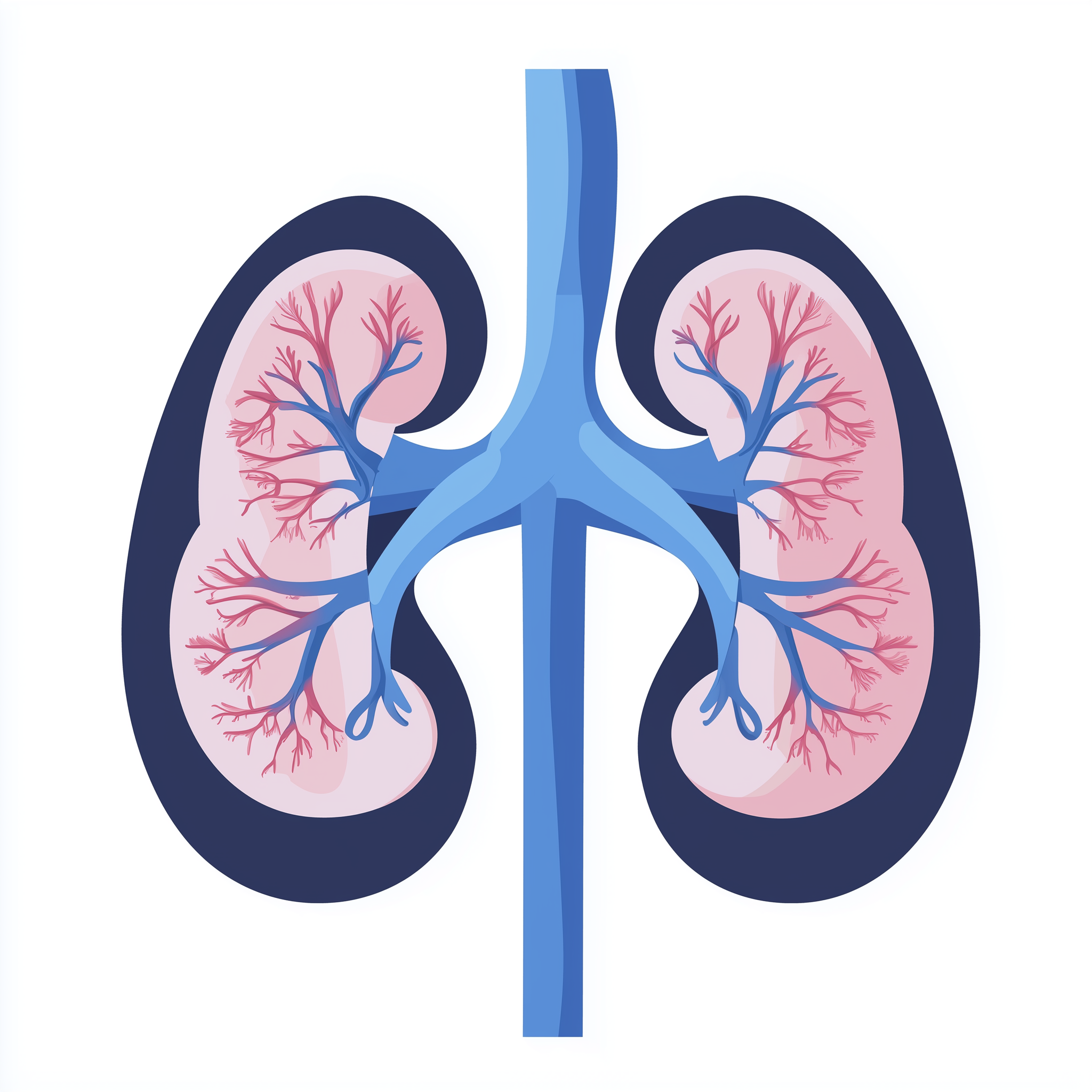
The primary affected organs are the kidneys, specifically the glomeruli - the tiny filtering units responsible for removing waste whilst retaining essential proteins. Under microscopy, the glomeruli show characteristic abnormalities with fusion of specialised cells called podocytes. The filtration barrier becomes severely compromised, allowing large amounts of protein to leak into the urine.
Secondary effects extend throughout the body due to severe protein loss and fluid imbalance. The liver attempts to compensate by increasing protein production. The cardiovascular system may be affected by fluid overload and abnormal blood clotting. The immune system becomes compromised, increasing infection risk.
Risks & severity
Congenital nephrotic syndrome (Finnish type) represents a severe, life-threatening condition. Without treatment, affected infants typically progress to end-stage kidney failure within the first year of life. The massive ongoing protein loss leads to malnutrition, growth failure, and life-threatening complications including severe infections, blood clots, and fluid overload.
The severity is consistent across affected individuals, though the precise age of onset may vary slightly. Some infants show signs at birth, whilst others develop symptoms within the first three months. Early intervention with intensive supportive care, including albumin infusions, nutritional support, and prophylactic antibiotics, can stabilise infants until they are large enough for kidney transplantation, generally by 1-2 years of age. Long-term outcomes have improved substantially with advances in paediatric nephrology and transplantation.
Genetic causes
Congenital nephrotic syndrome (Finnish type) results from pathogenic variants in NPHS1, which encodes nephrin, a crucial protein component of the kidney's filtration barrier. Nephrin normally forms part of the slit diaphragm, a specialised structure between podocyte foot processes that acts as the final barrier preventing protein loss into urine whilst allowing waste products to pass through.
When NPHS1 carries pathogenic variants, nephrin protein is either absent, severely reduced, or structurally abnormal. This disrupts formation of the slit diaphragm, rendering the filtration barrier ineffective. Evidence suggests the loss of functional nephrin leads to podocyte damage and progressive glomerular scarring. Most affected individuals carry two different pathogenic variants (compound heterozygotes), though some populations show founder variants that are more common within specific communities.
- NPHS1 NPHS1 adhesion molecule, nephrin
Inheritance pattern
Congenital nephrotic syndrome (Finnish type) follows an autosomal recessive inheritance pattern. This means an affected child has inherited one pathogenic NPHS1 variant from each parent. Parents who each carry one pathogenic variant (carriers) typically have no symptoms themselves, as one working copy of NPHS1 is sufficient for normal kidney function.
When both parents are carriers, each pregnancy has a 25% chance of producing an affected child, a 50% chance of producing a carrier child, and a 25% chance of producing a child with two working gene copies. Siblings of an affected child have a two-thirds chance of being carriers. Genetic counselling can help families understand these risks and discuss reproductive options, including carrier testing for extended family members.
When both parents are carriers, each child has a 25% chance of being affected, 50% of being a carrier, and 25% of being unaffected.
Diagnosis & testing
Diagnosis typically begins with recognition of the clinical presentation: a newborn or young infant with massive proteinuria, low blood protein levels (hypoalbuminaemia), and generalised oedema. An enlarged placenta at birth may prompt early suspicion. Urine testing reveals extremely high protein levels, and blood tests show characteristic biochemical abnormalities.
Confirmation requires genetic testing of NPHS1, which can identify pathogenic variants in the majority of cases with the classical Finnish-type presentation. Kidney biopsy, whilst sometimes performed, shows characteristic but non-specific changes and is not always necessary when genetic testing is diagnostic. Within the NHS, referral to paediatric nephrology services leads to access to specialist genetic testing. The condition may be identified through relevant NHS Genomic Medicine Service panels for renal disorders. Prenatal diagnosis is available for at-risk pregnancies when pathogenic variants have been identified in the family.
Management & lifestyle
Management requires specialist paediatric nephrology care coordinated through tertiary centres. Initial supportive treatment focuses on replacing lost protein through regular albumin infusions, providing high-calorie nutrition to support growth, and managing fluid balance with diuretics. Prophylactic antibiotics help prevent life-threatening infections, whilst anticoagulation may be needed to prevent blood clots.
Some centres perform early removal of one or both kidneys (nephrectomy) to reduce protein loss, followed by dialysis until the child reaches sufficient size for kidney transplantation, typically around 9-12 kilograms body weight. Kidney transplantation offers the definitive treatment, with good long-term outcomes reported in most cases. Following transplantation, children require lifelong immunosuppressive medication and regular monitoring. Families receive support from multidisciplinary teams including dietitians, specialist nurses, and psychosocial services. Genetic counselling is offered to discuss recurrence risks and testing options for future pregnancies.
UK care pathway
Families affected by congenital nephrotic syndrome (Finnish type) access specialist care through NHS paediatric nephrology services at tertiary centres. Referral typically occurs shortly after birth when the condition is suspected based on clinical features. Genetic testing for NPHS1 is arranged through the NHS Genomic Medicine Service, with appropriate panels for inherited renal conditions. Confirmation of diagnosis triggers access to comprehensive multidisciplinary care including nephrology, transplant surgery, nutrition, and psychological support.
Genetic counselling services are available through regional genetics centres to discuss inheritance patterns, recurrence risks, and testing options for family members. For subsequent pregnancies, families can access prenatal testing once causative variants have been identified. Long-term follow-up continues through paediatric and later adult nephrology services, with transition planning to ensure continuity of care into adulthood.
Frequently asked questions
Can congenital nephrotic syndrome (Finnish type) be cured?
Kidney transplantation offers the most effective long-term treatment and can restore normal kidney function. Whilst this requires lifelong immunosuppressive medication and monitoring, many children achieve good quality of life following successful transplantation. The underlying genetic condition remains, but the transplanted kidney provides working nephrin protein.
Why is it called Finnish type if it occurs in other populations?
The condition was first systematically described in Finland, where it occurs at higher frequency due to founder variants in the population. However, it is now recognised worldwide across all ethnic groups, though it remains considerably rarer outside Finland. The name reflects its historical identification rather than geographic restriction.
If I am a carrier, will I develop kidney problems?
Carriers with one pathogenic NPHS1 variant and one working copy typically have no symptoms and normal kidney function throughout life. The single working gene copy produces sufficient nephrin protein to maintain the filtration barrier. Kidney disease only develops when both gene copies carry pathogenic variants.
What are the chances of having another affected child?
If both parents are carriers, each pregnancy has a 25% (1 in 4) chance of resulting in an affected child. Genetic counselling can discuss these risks in detail and explain options including prenatal testing and preimplantation genetic testing for future pregnancies once the family's specific NPHS1 variants have been identified.
How soon after birth can the condition be diagnosed?
The condition can be suspected within days of birth based on clinical signs such as an enlarged placenta, early oedema, and massive protein in the urine. Genetic testing of NPHS1 provides definitive confirmation, though results may take several weeks. Early recognition is essential to begin supportive treatment promptly.
References
- Northrup M, Mendez-Castillo A, Brown JC. Congenital nephrotic syndrome, Finnish type: sonographic appearance and pathologic correlation. Journal of ultrasound in medicine : official journal of the American Institute of Ultrasound in Medicine. 2003. PMID: 14606567
- Bolk S, Puffenberger EG, Hudson J. Elevated frequency and allelic heterogeneity of congenital nephrotic syndrome, Finnish type, in the old order Mennonites. American journal of human genetics. 1999. PMID: 10577936
- Morin PR, Potier M, Dallaire L. Prenatal detection of the congenital nephrotic syndrome (Finnish type) by trehalase assay in amniotic fluid. Prenatal diagnosis. 1984. PMID: 6207521
- Schneider R, Mansour B, Kolvenbach CM. Phenotypic quantification of Nphs1-deficient mice. Journal of nephrology. 2025. PMID: 39003671
- Spahiu L, Merovci B, Jashari H. Congenital Nephrotic Syndrome - Finish Type. Medical archives (Sarajevo, Bosnia and Herzegovina). 2016. PMID: 27594755
- Tikhomirov E, Voznesenskaya T, Tsygin A. Novel human pathological mutations. Gene symbol: NPHS1. Disease: congenital nephrotic syndrome, Finnish type. Human genetics. 2009. PMID: 19309778
- Kacer M, Whyte DA, Boydstun I. Congenital nephrotic syndrome and persistent hypothyroidism after bilateral nephrectomy. Journal of pediatric endocrinology & metabolism : JPEM. 2008. PMID: 18717247
- Fujinami M, Hane Y, Ito K. Congenital nephrotic syndrome (Finnish type). Acta pathologica japonica. 1985. PMID: 2992230