

On this page
Mitochondrial myopathy
This condition arises when mitochondria, the 'powerhouses' of our cells, don't work correctly, particularly in muscle tissue. It can affect individuals of any age and lead to a range of physical challenges.
Overview
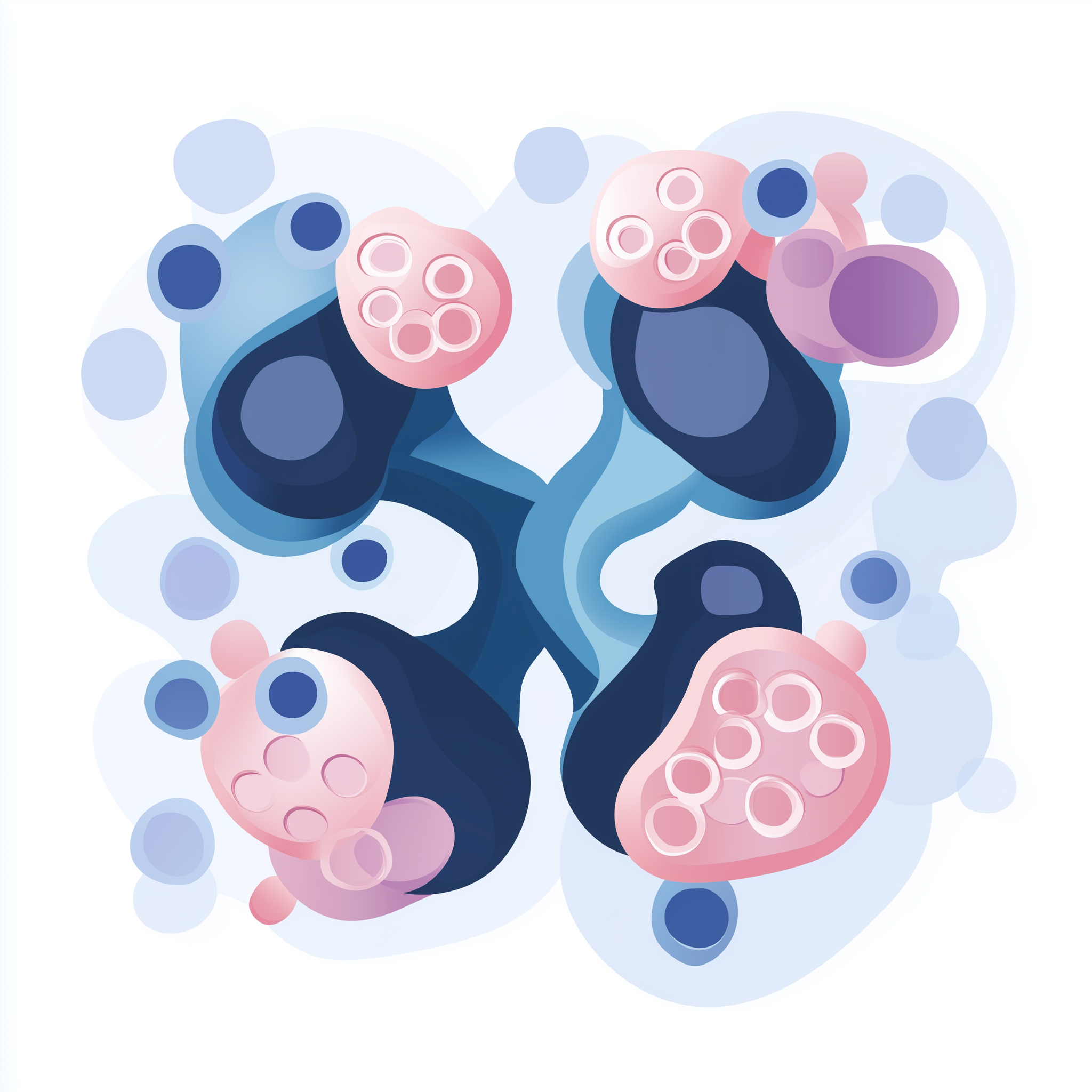
Mitochondrial myopathy refers to a collection of disorders where the mitochondria, which are essential for producing energy within cells, do not function properly, primarily impacting muscle tissue [PMID:32525547]. Our bodies rely on energy for all functions, and when muscle cells lack sufficient energy, it can lead to various symptoms, most notably muscle weakness and fatigue. This condition is part of a broader category known as mitochondrial diseases, which can affect many different organ systems, but in myopathy, the muscles are the most prominently affected.
Symptoms & clinical features
The primary symptoms of mitochondrial myopathy are muscle weakness and exercise intolerance. This weakness can be progressive, meaning it worsens over time, and can affect any muscle group, though it often involves the muscles closest to the body's trunk, such as those in the shoulders and hips. Individuals may experience difficulty with activities like climbing stairs, lifting objects, or even walking [PMID:32525547]. Muscle fatigue is also a prominent feature, where muscles tire easily and recover slowly after activity. Some people may also experience muscle pain or cramps.
Video: Genetics 101
Affected organs
While mitochondrial myopathy primarily affects the skeletal muscles, which are responsible for movement, mitochondria are present in nearly all cells of the body. Therefore, depending on the specific underlying genetic cause, other organs can sometimes be affected. These might include the heart (leading to cardiomyopathy), the brain (causing neurological issues), or the eyes (affecting vision) [PMID:32525547]. However, in mitochondrial myopathy, the muscular involvement is the most defining characteristic.
Risks & severity
The severity of mitochondrial myopathy can vary significantly between individuals, even within the same family. Symptoms can range from mild muscle weakness to severe, debilitating fatigue and profound muscle loss. The age of onset is also highly variable; some individuals may develop symptoms in childhood, while others may not experience them until adulthood. The condition is generally progressive, but the rate of progression differs widely. There is no typical age of onset or specific lifetime risk that applies to all forms of mitochondrial myopathy, as it is a heterogeneous group of disorders. The exact prevalence of mitochondrial myopathy is not well established due to its varied presentations and underlying genetic causes.
Genetic causes
Mitochondrial myopathy arises from genetic changes that affect the function of mitochondria. Mitochondria contain their own small circular DNA, called mitochondrial DNA (mtDNA), which carries genes essential for energy production. Changes in mtDNA can directly lead to mitochondrial myopathy [PMID:24660706]. Additionally, many genes located in the nuclear DNA (the DNA found in the cell's nucleus) are also crucial for mitochondrial function. Pathogenic variants in these nuclear genes can also cause mitochondrial disorders, including myopathies [PMID:24660706]. These genetic changes disrupt the normal processes by which mitochondria convert food into energy, leading to insufficient energy supply for muscle cells to function correctly.
Inheritance pattern
Mitochondrial myopathy often follows a mitochondrial inheritance pattern. This means the condition is passed down from the mother to all her children. Both sons and daughters will inherit the mitochondrial DNA from their mother, and therefore, if the mother carries a pathogenic variant in her mitochondrial DNA, all her children will inherit it. Fathers do not pass on mitochondrial DNA to their children. In cases where mitochondrial myopathy is caused by changes in nuclear DNA, the inheritance pattern can vary and might be autosomal recessive or dominant, depending on the specific gene involved.
Diagnosis & testing
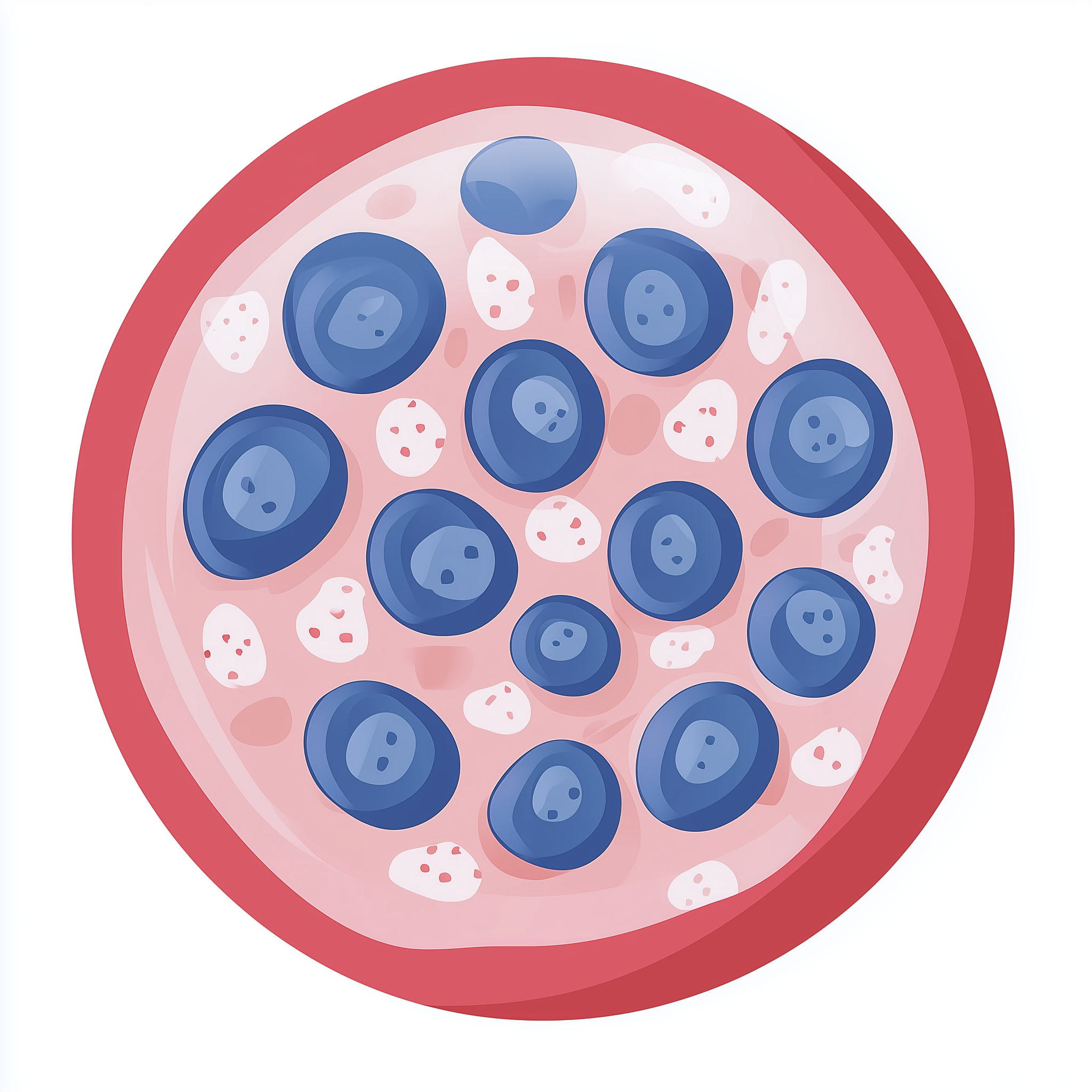
Diagnosing mitochondrial myopathy typically involves a combination of clinical assessment, blood tests, and often a muscle biopsy. Blood tests can look for elevated levels of certain enzymes, such as creatine kinase, which indicate muscle damage. A muscle biopsy involves taking a small sample of muscle tissue for examination under a microscope, which can reveal characteristic changes associated with mitochondrial dysfunction, often referred to as 'ragged red fibres'. Genetic testing is crucial for confirming the diagnosis and identifying the specific genetic cause [PMID:24660706]. This testing can involve analysing mitochondrial DNA or nuclear DNA, depending on the suspected cause. Referrals for genetic testing in the UK are typically made through clinical genetics services, often following initial investigations by a neurologist. The NHS Genomic Medicine Service uses specific R-codes for genetic testing related to mitochondrial disorders.
Management & lifestyle
While there is currently no cure for mitochondrial myopathy, management focuses on alleviating symptoms and improving quality of life. This often involves a multidisciplinary approach with input from neurologists, physiotherapists, and dieticians. Physiotherapy can help maintain muscle strength and flexibility, while occupational therapy can assist with adapting daily activities. Nutritional support may be important, and some individuals may benefit from vitamin and coenzyme supplements, though their effectiveness can vary. Regular follow-up appointments with specialists are essential to monitor the condition's progression and adjust management strategies as needed. It is important to avoid certain medications that can worsen mitochondrial function.
UK care pathway
In the UK, individuals suspected of having a mitochondrial myopathy would typically be referred to a neurologist for initial assessment. If a mitochondrial disorder is suspected, they may then be referred to a regional clinical genetics service. These services provide expert assessment, genetic counselling, and access to genomic testing through the NHS Genomic Medicine Service. Genetic counsellors can provide valuable information about the condition, its inheritance, and implications for family members. The NHS uses specific R-codes, such as R86 and R87 for mitochondrial disorders, to guide appropriate genomic testing.
Frequently asked questions
Can mitochondrial myopathy be passed down to children?
Yes, if the condition is due to changes in mitochondrial DNA, it is passed from a mother to all her children. If it is due to changes in nuclear DNA, the inheritance pattern can vary, and a genetic counsellor can explain the specific risks.
What kind of exercise is safe with mitochondrial myopathy?
Gentle, low-impact exercise is generally recommended, but it's crucial to work with a physiotherapist who can create a personalised exercise plan. Overtraining or intense exercise can sometimes worsen symptoms.
Are there any dietary recommendations for mitochondrial myopathy?
Some individuals may benefit from dietary adjustments or specific supplements, but this should always be discussed with a dietitian or doctor. There isn't a universal diet that applies to all forms of mitochondrial myopathy.
How does mitochondrial myopathy affect daily life?
The impact on daily life varies greatly depending on symptom severity. It can affect physical activities, work, and social life due to muscle weakness and fatigue. Support from healthcare professionals and adaptive strategies can help manage these challenges.
Will my mitochondrial myopathy get worse over time?
Mitochondrial myopathy is typically a progressive condition, meaning symptoms may worsen over time. However, the rate of progression varies significantly between individuals and depends on the specific genetic cause.