

On this page
MELAS
MELAS, short for Mitochondrial Encephalomyopathy, Lactic Acidosis, and Stroke-like episodes, is a rare genetic disorder affecting multiple body systems. It is characterised by stroke-like events, muscle weakness, and a build-up of lactic acid in the blood, typically beginning in childhood or adolescence.
Overview
MELAS syndrome is a complex and progressive condition that affects many parts of the body, particularly the brain and muscles. It is classified as a mitochondrial disease, meaning it results from faulty mitochondria. Mitochondria are often called the 'powerhouses' of the cell because they generate most of the energy needed for cellular function. When mitochondria do not work properly, cells throughout the body, especially those in high-energy demand tissues like the brain and muscles, cannot function effectively [PMID:33678512].
The name MELAS is an acronym derived from its main features: Mitochondrial Encephalomyopathy (brain dysfunction due to mitochondrial issues), Lactic Acidosis (a build-up of lactic acid in the body), and Stroke-like episodes. While these are the hallmark symptoms, the condition can manifest differently among individuals, with a wide range of severity and age of onset. Symptoms typically first appear in childhood or adolescence.
Symptoms & clinical features
The symptoms of MELAS can vary significantly, even within the same family. One of the most distinctive features is the occurrence of recurrent 'stroke-like episodes'. These are not traditional strokes caused by blocked blood vessels, but rather brain lesions that present with similar symptoms, including sudden weakness on one side of the body, speech difficulties, or visual problems. These episodes can lead to permanent neurological damage if not managed effectively [PMID:33678512].
Other common neurological symptoms include recurrent headaches, seizures, and dementia, which can lead to a decline in cognitive function over time. Muscle weakness (myopathy) and exercise intolerance are also frequently reported. Lactic acidosis, which is an excess of lactic acid in the blood, can cause symptoms like nausea, vomiting, abdominal pain, and rapid breathing. Other systems can also be affected, leading to problems such as hearing loss, diabetes, heart abnormalities (cardiomyopathy), and short stature [PMID:30137532].
Video: Genetics 101
Affected organs
MELAS primarily affects organs and tissues with high energy demands. The brain is significantly impacted, leading to the stroke-like episodes, seizures, headaches, and cognitive decline. The muscles are also heavily affected, resulting in myopathy and exercise intolerance. The heart can develop cardiomyopathy, which is a disease of the heart muscle, and the pancreas may be affected, leading to diabetes. Hearing loss can occur due to damage to the auditory system.
Less commonly, other organs such as the kidneys, eyes, and gastrointestinal system can also show signs of dysfunction. The multisystemic nature of MELAS reflects the ubiquitous presence of mitochondria in nearly all cells of the body, and the critical role they play in energy production.

Risks & severity
MELAS is a progressive condition, meaning its symptoms tend to worsen over time. The severity can vary greatly between individuals, from mild symptoms to severe, debilitating disease. The stroke-like episodes are a major contributor to morbidity and can lead to cumulative neurological damage. The frequency and severity of these episodes often influence the overall prognosis [PMID:33678512].
The age of onset is typically in childhood or adolescence, often between 2 and 15 years old, although cases with onset in infancy or adulthood have been documented. The exact prevalence of MELAS is not well established, but it is considered a rare disease. Mitochondrial DNA mutations associated with MELAS are estimated to be present in around 1 in 4,000 individuals, though not all carriers develop severe symptoms.
Genetic causes
MELAS is caused by pathogenic variants in the mitochondrial DNA (mtDNA). Unlike most genetic conditions which are caused by changes in DNA found in the cell's nucleus, MELAS results from faults in the small circular DNA found within the mitochondria themselves. The most common cause, accounting for about 80% of cases, is a specific change at position 3243 in the MT-TL1 gene, often written as m.3243A>G [PMID:30137532]. This gene provides instructions for making a transfer RNA (tRNA) molecule, which is essential for protein production within the mitochondria.
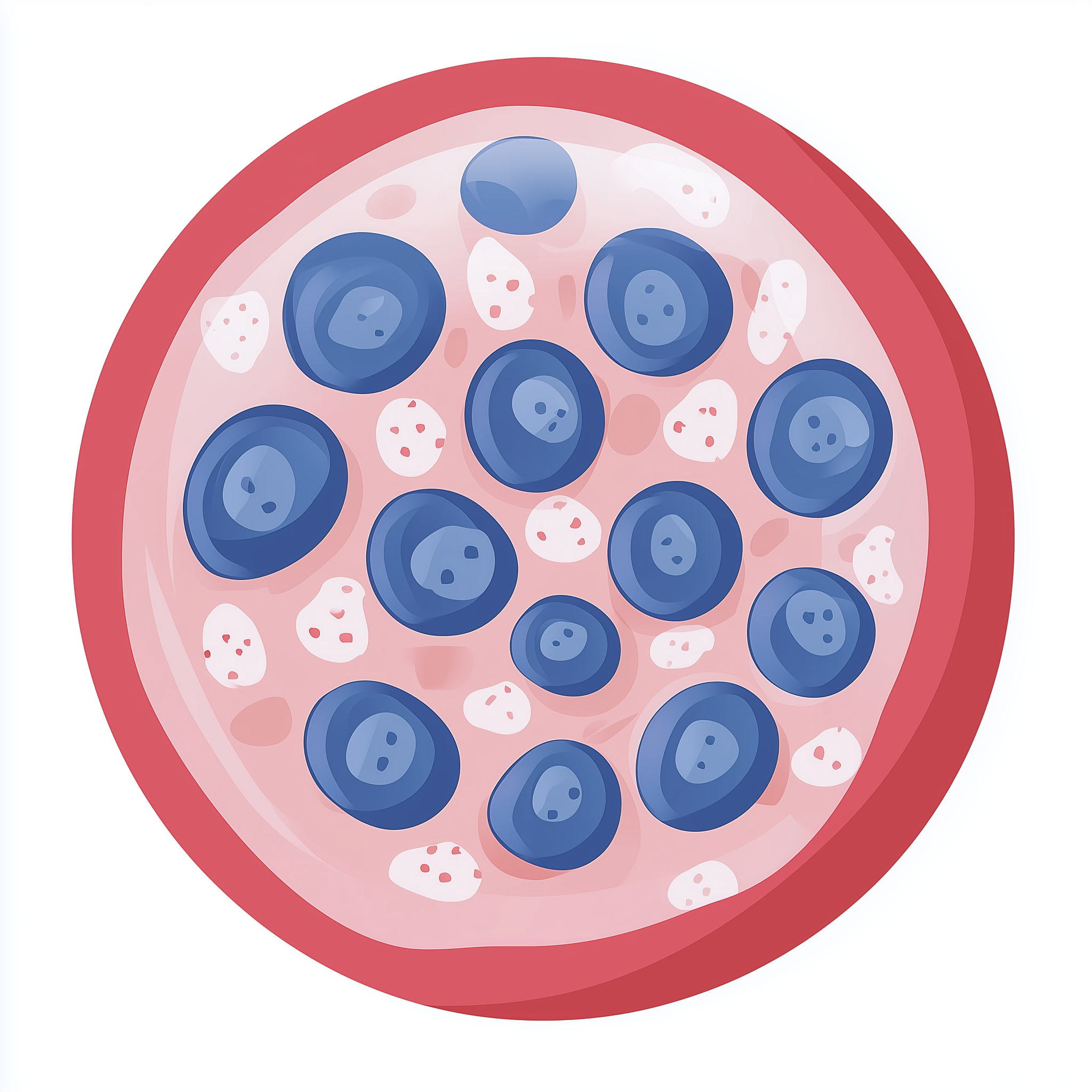
When there is a pathogenic variant in MT-TL1, the mitochondria struggle to produce proteins needed for their energy-generating machinery. This leads to an energy deficit, particularly in cells that require a lot of energy, such as those in the brain and muscles. Other less common pathogenic variants in different mitochondrial genes can also cause MELAS. The proportion of affected mitochondria within cells can vary, which is known as heteroplasmy, and this can influence the severity and presentation of the condition.
Inheritance pattern
MELAS is inherited in a mitochondrial pattern. This means it is passed down through the maternal line, as mitochondria are almost exclusively inherited from the mother. All children of a mother with a pathogenic mitochondrial variant will inherit the variant, regardless of their sex. However, the severity of the condition can vary greatly even within the same family due to a phenomenon called heteroplasmy, where the proportion of mutated to healthy mitochondria differs among cells and tissues.
Fathers with MELAS or a pathogenic mitochondrial variant will not pass the condition on to their children. This inheritance pattern is distinct from autosomal or X-linked inheritance, which involve genes located in the cell's nucleus.
Diagnosis & testing
Diagnosing MELAS typically involves a combination of clinical assessment, biochemical tests, and genetic testing. A clinical suspicion often arises from the characteristic symptoms, such as stroke-like episodes, muscle weakness, and lactic acidosis. Blood tests may show elevated levels of lactate, especially after exercise, and sometimes pyruvate. A muscle biopsy may reveal characteristic changes, including 'ragged red fibres' under a microscope.
Definitive diagnosis is confirmed through genetic testing, usually performed on blood samples, to identify pathogenic variants in mitochondrial DNA, such as the m.3243A>G variant in MT-TL1. In the UK, genetic testing for suspected mitochondrial conditions falls under the NHS Genomic Medicine Service (GMS) and is often initiated by a consultant neurologist or clinical geneticist. These tests are aligned with the relevant R-codes within the NHS National Genomic Test Directory.
Management & lifestyle
Currently, there is no cure for MELAS, and management focuses on alleviating symptoms, preventing complications, and improving quality of life. Treatment strategies are individualised based on the specific symptoms and severity experienced by the patient. Stroke-like episodes are typically managed with supportive care, including medications to control seizures and reduce brain swelling. Supplements such as coenzyme Q10, L-arginine, and B vitamins may be suggested, as some research indicates they might help improve mitochondrial function or manage certain symptoms, although more evidence is needed [PMID:30137532].
Ongoing care involves regular monitoring for potential complications like diabetes, hearing loss, and heart problems. A multidisciplinary team, which may include neurologists, cardiologists, endocrinologists, and genetic counsellors, often provides care. Lifestyle adjustments, such as avoiding fasting and intense physical exertion, may also be recommended. It is crucial to have regular follow-ups with specialists within the NHS framework to adapt management plans as the condition progresses.
UK care pathway
In the UK, individuals suspected of having MELAS are typically referred to specialist services within the NHS Genomic Medicine Service. This usually involves a consultation with a clinical geneticist or a neurologist with expertise in mitochondrial disorders. Genetic counsellors play a vital role in providing information, support, and discussing the implications of a diagnosis, including recurrence risks for family members. Diagnostic genetic testing is provided through the NHS National Genomic Test Directory, utilising specific R-codes for mitochondrial conditions, to confirm the diagnosis and guide management.
Once a diagnosis is made, ongoing care is coordinated by a multidisciplinary team within the NHS, often linked to one of the specialist mitochondrial disease centres in the UK. This integrated approach ensures comprehensive support and access to appropriate therapies and monitoring.
Frequently asked questions
What causes the 'stroke-like episodes' in MELAS?
The 'stroke-like episodes' in MELAS are not caused by blocked blood vessels like typical strokes. Instead, they are believed to result from a combination of metabolic dysfunction and energy failure in certain brain regions due to faulty mitochondria. This leads to temporary brain lesions that present with similar symptoms to a stroke.
Can MELAS be inherited from my father?
No, MELAS is inherited in a mitochondrial pattern, meaning it is passed down exclusively from the mother. Fathers cannot pass on mitochondrial DNA variants to their children. If your mother has a MELAS-causing variant, you will inherit it, but the severity of symptoms can vary greatly.
Is there a cure for MELAS?
Currently, there is no cure for MELAS. Treatment focuses on managing symptoms, preventing complications, and improving quality of life. This often involves a combination of medication, dietary adjustments, and supportive therapies, tailored to the individual's specific needs.
How is MELAS diagnosed in the UK?
In the UK, MELAS is diagnosed through a combination of clinical evaluation, blood tests for elevated lactate, and most importantly, genetic testing of mitochondrial DNA. This testing is typically arranged by a clinical geneticist or neurologist within the NHS Genomic Medicine Service.
What is 'heteroplasmy' in MELAS?
Heteroplasmy refers to the presence of both mutated and healthy mitochondrial DNA within the same cell or tissue. The proportion of mutated mitochondria can vary significantly between different cells and tissues, which can influence the severity and specific symptoms an individual with MELAS experiences.