

On this page
Long QT syndrome type 3
LQTS3 affects the heart's electrical system, causing a prolonged 'QT interval' on an electrocardiogram (ECG). This can lead to irregular heartbeats, fainting, and in rare cases, sudden cardiac arrest, typically affecting individuals from childhood onwards.
Overview
Long QT syndrome type 3 (LQTS3) is one of several types of inherited long QT syndrome, a group of conditions affecting the heart's electrical activity. In LQTS3, the heart muscle's electrical recharging phase, known as the QT interval on an electrocardiogram (ECG), is longer than usual. This prolongation can make the heart susceptible to fast, chaotic heart rhythms, called arrhythmias, particularly a dangerous type known as Torsades de Pointes [PMID:33678088]. These arrhythmias can lead to symptoms such as palpitations, fainting spells (syncope), and, in rare instances, sudden cardiac arrest. LQTS3 is considered a rare condition, and its exact prevalence in the UK is not well established.
Unlike some other forms of long QT syndrome where symptoms often appear during physical exertion or emotional stress, individuals with LQTS3 typically experience symptoms during periods of rest or sleep [PMID:28796859]. This characteristic difference is an important clue for diagnosis and management. Understanding the specific type of long QT syndrome is crucial because management strategies can vary between the different forms.
Symptoms & clinical features
The symptoms of Long QT syndrome type 3 generally arise from the heart's abnormal electrical activity. The most common symptom is fainting, which occurs when the irregular heart rhythm temporarily reduces blood flow to the brain. These fainting episodes are often unexpected and can happen without warning. Individuals may also experience palpitations, which are sensations of a fast, pounding, or fluttering heartbeat.
In some cases, the first symptom of LQTS3 can be a seizure-like event due to the brain being deprived of oxygen during a prolonged arrhythmia. Sadly, the most severe manifestation of LQTS3 can be sudden cardiac arrest, which occurs if the heart's electrical disturbance is not self-corrected or treated immediately. some individuals with LQTS3 may not experience any symptoms and are only diagnosed when a family member receives a diagnosis, or during a routine heart check-up.
Video: Genetics 101
Affected organs
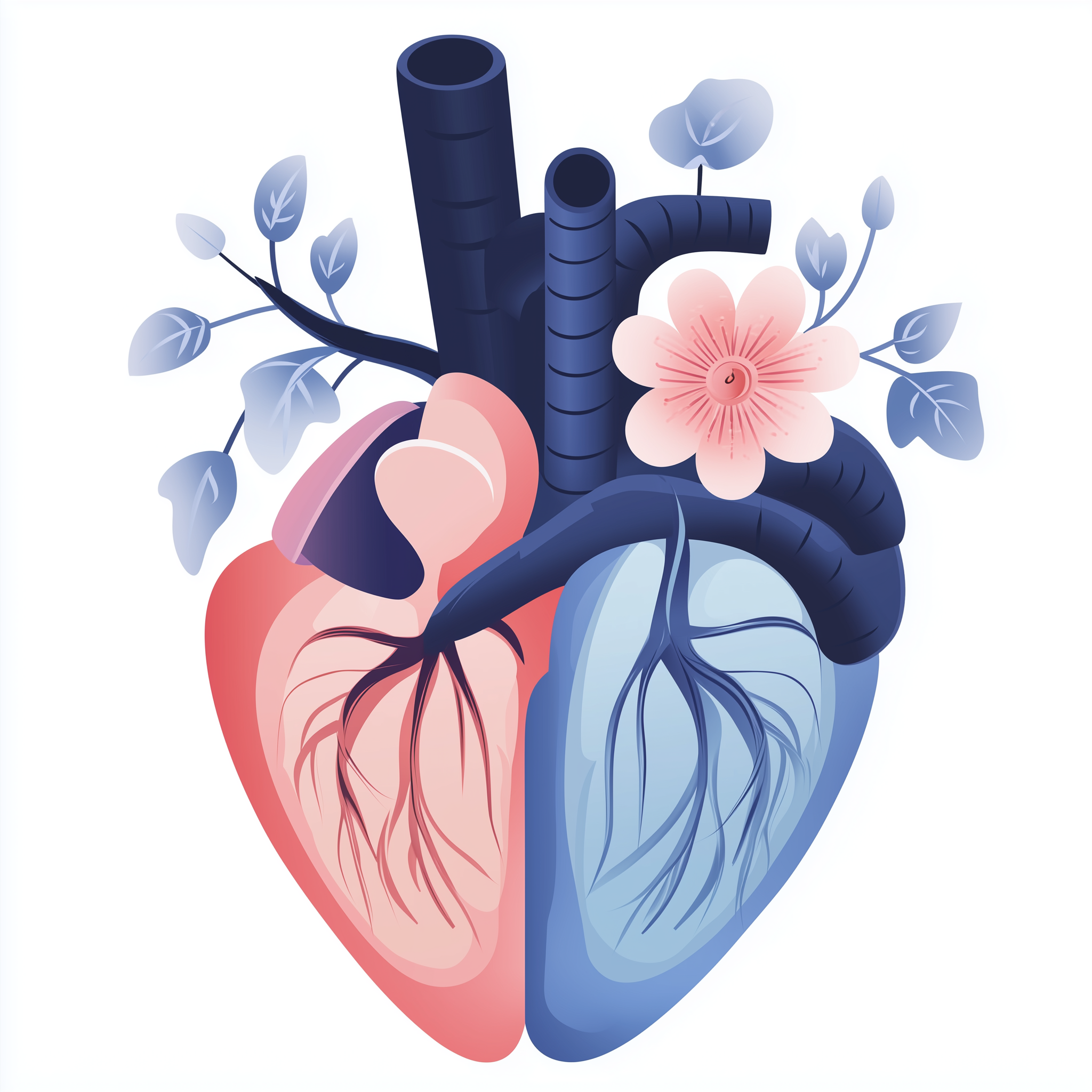
Long QT syndrome type 3 primarily affects the heart, specifically its electrical conduction system. The condition does not cause structural abnormalities of the heart muscle or valves, but rather impacts the specialised ion channels responsible for the heart's electrical impulses. These electrical signals control the heart's rhythm and pumping action. When these channels do not function correctly, as in LQTS3, the heart's electrical activity can become unstable, leading to the characteristic prolonged QT interval and the risk of arrhythmias. While the brain is not directly affected, symptoms like fainting or seizure-like events are secondary consequences of the heart's dysfunction temporarily reducing blood flow to the brain.

Risks & severity
The severity of Long QT syndrome type 3 can vary significantly among individuals, even within the same family. Some people may experience severe, life-threatening arrhythmias from a young age, while others may remain asymptomatic throughout their lives or have only mild symptoms. The risk of developing dangerous arrhythmias, including Torsades de Pointes and sudden cardiac arrest, is elevated in individuals with LQTS3. This risk is typically higher during periods of rest or sleep, distinguishing it from other forms of long QT syndrome [PMID:28796859].
The age of onset for symptoms can range from infancy to adulthood, though symptoms often become apparent in childhood or adolescence. Factors such as specific genetic changes, other medical conditions, and certain medications can influence the individual risk of experiencing symptoms and the overall severity of the condition. Regular cardiac monitoring and appropriate management are important to mitigate these risks and improve outcomes.
Genetic causes
Long QT syndrome type 3 is primarily caused by pathogenic variants in the SCN5A gene. This gene provides instructions for making a crucial protein called the alpha subunit of the voltage-gated sodium channel, also known as Nav1.5. This protein is predominantly found in heart muscle cells, where it plays a vital role in initiating each heartbeat. The Nav1.5 channel controls the rapid influx of sodium ions into heart cells, which is essential for the initial phase of the electrical signal that makes the heart contract.
Pathogenic variants in SCN5A associated with LQTS3 typically lead to a 'gain-of-function' effect. This means the sodium channels remain open for longer than they should, allowing sodium ions to continue flowing into the cell during the heart's repolarisation phase [PMID:25722420]. This extended sodium current prolongs the QT interval and increases the risk of developing life-threatening arrhythmias. Other genes can also be implicated in long QT syndrome, but SCN5A is the key gene for LQTS3.
- SCN5A sodium voltage-gated channel alpha subunit 5The SCN5A gene provides instructions for creating a crucial component of sodium channels, which are essential for the heart's electrical signalling and rhythm.
Inheritance pattern
Long QT syndrome type 3 is inherited in an autosomal dominant pattern. This means that a person only needs to inherit one copy of the altered SCN5A gene from either parent to develop the condition. If one parent has LQTS3, there is a 50% chance with each pregnancy that their child will inherit the pathogenic variant and therefore the condition. This chance is the same for both males and females.
Even if an individual inherits the pathogenic variant, the severity of symptoms can vary widely, a concept known as variable expressivity. Some individuals with the variant may experience severe symptoms, while others might have very mild or no symptoms at all. It is also possible for LQTS3 to arise from a new, or 'de novo', pathogenic variant in the SCN5A gene that occurred for the first time in an individual, with neither parent having the condition. Genetic counselling is highly recommended for affected individuals and their families to understand the inheritance patterns and risks.
Each child has a 50% chance of inheriting the pathogenic variant, regardless of sex.
Diagnosis & testing
Diagnosing Long QT syndrome type 3 typically involves a combination of clinical assessment, family history, and specialised heart tests. The primary diagnostic tool is an electrocardiogram (ECG), which measures the heart's electrical activity. A prolonged QT interval on an ECG, especially when corrected for heart rate (QTc), is a key indicator. Further investigations may include Holter monitoring, which records the heart's electrical activity over 24-48 hours, or exercise stress tests, although symptoms in LQTS3 are often triggered at rest.
Confirmation of LQTS3 usually relies on genetic testing. If LQTS3 is suspected, a referral to a clinical genetics service or specialist cardiology service within the NHS would typically be made. Genetic testing for LQTS3, specifically for variants in the SCN5A gene, can be accessed through the NHS Genomic Medicine Service (GMS) pathways under relevant R-codes. An R-code like R171 'Long QT syndrome' or R172 'Genetic dilated cardiomyopathy and inherited arrhythmia conditions' might be relevant for testing, depending on the full clinical picture. A positive genetic test result can confirm the diagnosis, guide management, and allow for cascade screening of at-risk family members.
Management & lifestyle
The management of Long QT syndrome type 3 aims to reduce the risk of life-threatening arrhythmias and improve quality of life. Management strategies are individualised, based on the severity of symptoms, ECG findings, and genetic test results. Medications, particularly beta-blockers, are often the first-line treatment for long QT syndrome; however, their effectiveness can vary between different types. Sodium channel blockers, such as mexiletine, may be specifically beneficial for LQTS3 because of the underlying sodium channel dysfunction [PMID:28796859].
For individuals at high risk of sudden cardiac arrest, or those who have experienced cardiac arrest, an implantable cardioverter-defibrillator (ICD) may be recommended. Lifestyle modifications are also an important part of management. Patients are generally advised to avoid medications known to prolong the QT interval (a list of such drugs is often provided by cardiologists or genetic counsellors), avoid excessive caffeine or stimulants, and manage stress. Regular follow-up with a cardiologist specialising in inherited cardiac conditions is crucial for ongoing monitoring and adjustment of treatment.
Within the UK, care for individuals with LQTS3 is typically coordinated through specialist inherited cardiac conditions (ICC) clinics within the NHS. Genetic counselling is an integral part of the management, providing information about the condition, inheritance patterns, and the implications for family members. Cardiac rehabilitation programmes may also be available to support patients in managing their condition.
UK care pathway
In the UK, individuals suspected of having Long QT syndrome type 3, or who have received a diagnosis, are typically managed through specialist services within the National Health Service (NHS). The initial referral often comes from a GP or a general cardiologist to an Inherited Cardiac Conditions (ICC) clinic. These clinics are staffed by multidisciplinary teams, including cardiologists, geneticists, and genetic counsellors, who specialise in diagnosing and managing conditions like LQTS3. Genetic testing for LQTS3 is facilitated through the NHS Genomic Medicine Service (GMS), guided by specific R-codes such as R171 or R172, which enable appropriate molecular testing based on clinical criteria. Genetic counsellors play a vital role in explaining the genetic aspects of the condition, inheritance risks for family members, and supporting individuals through the diagnostic and management journey.
Frequently asked questions
What is the main difference between LQTS3 and other types of Long QT syndrome?
The main difference lies in the triggers for symptoms and the specific gene involved. In LQTS3, symptoms like fainting or dangerous heart rhythms often occur during rest or sleep, whereas in other types, they might be triggered by exercise, loud noises, or stress. LQTS3 is specifically linked to the SCN5A gene.
Can LQTS3 be passed down to my children?
Yes, LQTS3 is inherited in an autosomal dominant pattern. This means if you have the condition, there is a 50% chance that each of your children will inherit the pathogenic gene variant and therefore the condition. Genetic counselling can provide a more personalised risk assessment.
Are there any medications I should avoid if I have LQTS3?
Yes, certain medications can prolong the QT interval and should generally be avoided if you have LQTS3. These include some antibiotics, antihistamines, and anti-depressants, among others. Your cardiologist or genetic counsellor will provide you with a detailed list and guidance on medication safety.
Is a special diet or exercise routine needed for someone with LQTS3?
Generally, there isn't a specific diet required for LQTS3, but maintaining a healthy lifestyle is always recommended. Regarding exercise, while LQTS3 symptoms are less commonly triggered by physical activity compared to some other LQTS types, you should discuss appropriate exercise levels with your cardiologist, especially for competitive sports.
If I have LQTS3, should my family members also be tested?
Yes, because LQTS3 is an inherited condition, it is strongly recommended that close family members (parents, siblings, and children) also be evaluated, typically through an ECG and potentially genetic testing. This is known as cascade screening and helps identify at-risk individuals who may benefit from monitoring and treatment.
References
- Feyen DAM, McKeithan WL, Bruyneel AAN. Metabolic Maturation Media Improve Physiological Function of Human iPSC-Derived Cardiomyocytes. Cell reports. 2020. PMID: 32697997
- Singh S, Chauhan S, Zeltser R. Mexiletine. 2026. PMID: 30085587
- Qi M, Ma S, Liu J. In Vivo Base Editing of Scn5a Rescues Type 3 Long QT Syndrome in Mice. Circulation. 2024. PMID: 37965733
- Moore OM, Dorn LE, Wehrens XHT. Variant-specific therapy for long QT syndrome type 3. Heart rhythm. 2023. PMID: 36806575
- Pérez-Riera AR, Barbosa-Barros R, Daminello Raimundo R. The congenital long QT syndrome Type 3: An update. Indian pacing and electrophysiology journal. 2018. PMID: 29101013
- Wilde AAM, Remme CA. Therapeutic approaches for Long QT syndrome type 3: an update. Europace : European pacing, arrhythmias, and cardiac electrophysiology : journal of the working groups on cardiac pacing, arrhythmias, and cardiac cellular electrophysiology of the European Society of Cardiology. 2018. PMID: 28402425
- Ruan Y, Liu N, Priori SG. Sodium channel mutations and arrhythmias. Nature reviews. Cardiology. 2009. PMID: 19377496
- Crotti L, Neves R, Dagradi F. Therapeutic Efficacy of Mexiletine for Long QT Syndrome Type 2: Evidence From Human Induced Pluripotent Stem Cell-Derived Cardiomyocytes, Transgenic Rabbits, and Patients. Circulation. 2024. PMID: 38939955