

On this page
Brugada syndrome
This inherited condition affects the heart's electrical system, potentially leading to fast, chaotic heartbeats. It can occur in individuals without obvious structural heart disease and can affect people of all ages, though symptoms often emerge in adulthood.
Overview
Brugada syndrome is an inherited disorder that affects the heart's electrical activity, specifically how electrical signals pass through the heart muscle [PMID:33671239]. It is not a structural problem with the heart itself, but rather a disorder of the heart's electrical signalling, which can lead to life-threatening abnormal heart rhythms called arrhythmias. These arrhythmias primarily involve the lower chambers of the heart (ventricles) and can cause fainting, seizures, or, in severe cases, sudden cardiac arrest.
While some individuals with Brugada syndrome may experience no symptoms, others can have recurrent fainting spells or develop more serious cardiac events. The condition is diagnosed based on a characteristic pattern seen on an electrocardiogram (ECG) and can be confirmed by genetic testing [PMID:33671239]. Brugada syndrome is estimated to affect between 1 in 2,000 and 1 in 5,000 people, with a higher prevalence reported in some Asian populations.
Symptoms & clinical features
Many individuals with Brugada syndrome never experience symptoms and are only diagnosed incidentally during an ECG performed for another reason, or through family screening. For those who do develop symptoms, they often appear in adulthood, typically between 20 and 50 years of age, but can occur at any point from infancy to old age [PMID:28734208].
The most common symptom is syncope, which is a sudden, temporary loss of consciousness (fainting) due to a drop in blood flow to the brain. This occurs because the heart's abnormal rhythm prevents it from pumping blood effectively. Other potential symptoms include nocturnal agonal respiration (noisy, laboured breathing during sleep), seizures, or palpations (a sensation of a rapid or irregular heartbeat). In some severe cases, the first sign of the condition may be sudden cardiac arrest.
Symptoms can be triggered or worsened by certain factors, such as fever, certain medications, alcohol, or even large meals. It is important for individuals diagnosed with Brugada syndrome to be aware of these potential triggers.
Video: Genetics 101
Affected organs
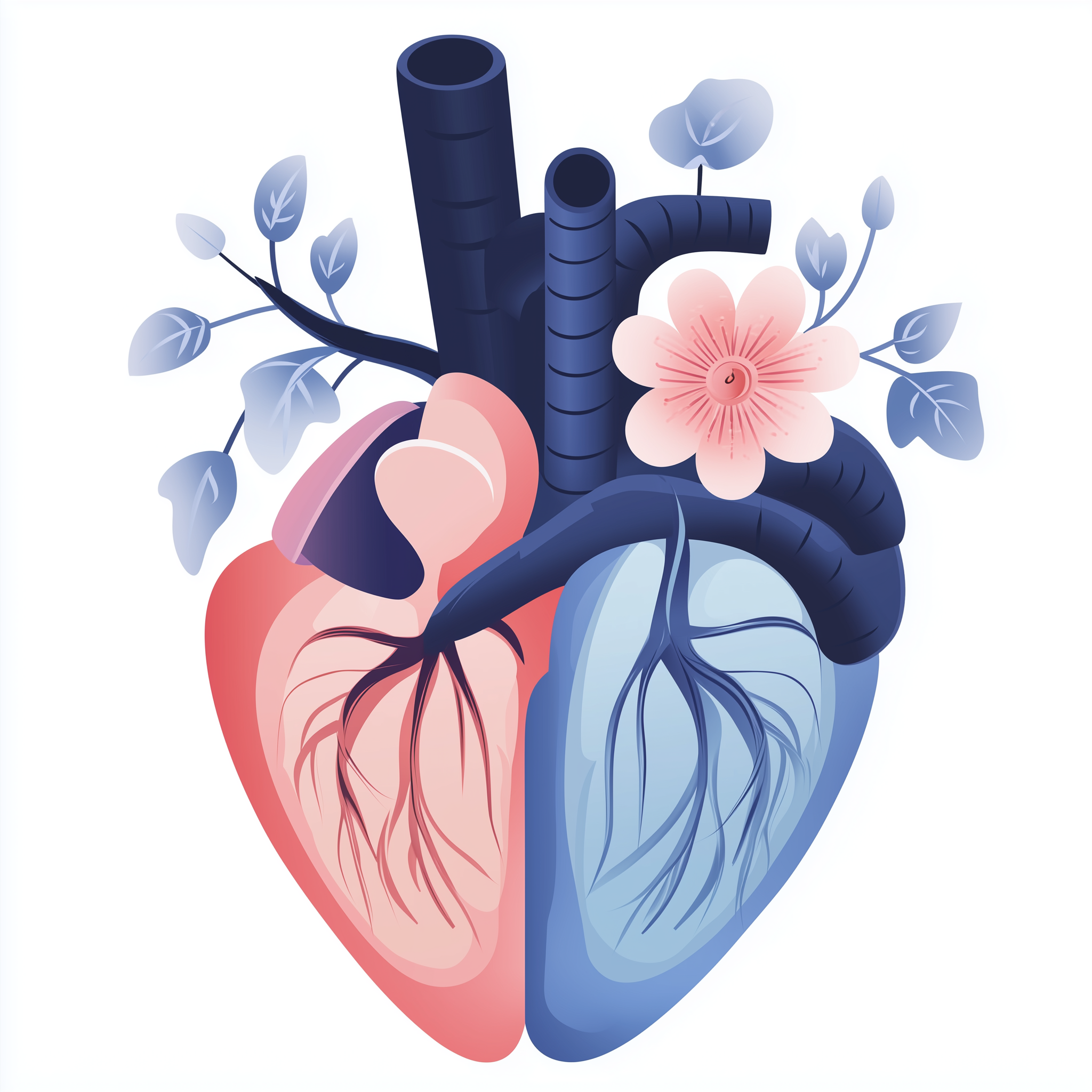
Brugada syndrome primarily affects the heart, specifically its electrical conduction system. Unlike conditions that cause structural changes to the heart muscle or valves, Brugada syndrome involves the ion channels embedded within the heart muscle cells. These channels are responsible for the precise flow of electrical currents that regulate the heart's rhythm [PMID:28734208].
When these ion channels do not function correctly, it can disrupt the electrical impulses that coordinate heartbeats, leading to characteristic ECG changes and an increased risk of ventricular arrhythmias. While the heart itself may appear structurally normal on imaging tests, its electrical stability is compromised.

Risks & severity
The severity of Brugada syndrome can vary significantly among affected individuals. Some people may remain entirely asymptomatic throughout their lives, while others face a higher risk of serious cardiac events, including sudden cardiac death. The risk of sudden cardiac arrest is a primary concern, particularly during sleep or at rest when the vagal (parasympathetic) nervous system activity is higher [PMID:28734208].
Age of onset for symptomatic individuals is typically in adulthood, often between the ages of 20 and 50, but it can present at any age. Factors that may increase the risk of symptoms or adverse events include a history of fainting (syncope), a family history of sudden cardiac death, or certain patterns on the ECG. It is important for individuals diagnosed with Brugada syndrome to have a thorough risk assessment by a specialist to determine their individual prognosis and management strategy.
Genetic causes
Brugada syndrome is typically caused by changes (variants) in genes that code for ion channels in heart muscle cells. The most commonly implicated gene is SCN5A [PMID:33671239]. SCN5A provides instructions for making a protein that forms part of the sodium channel, which is crucial for the initial phase of the heart's electrical activity. This channel controls the flow of sodium ions into heart cells, initiating each heartbeat and ensuring the coordinated contraction of the heart chambers.
Pathogenic variants in SCN5A can lead to a reduction in the function of these sodium channels, affecting the precise electrical signalling necessary for a normal heart rhythm. While SCN5A variants are found in about 15-30% of individuals with Brugada syndrome, other genes can also be involved, though less frequently. In many cases, a genetic cause may not be identified, suggesting that other, as yet undiscovered, genetic factors or environmental influences may play a role.
Genetic testing can help identify the specific genetic variant responsible, which can be useful for confirming the diagnosis and for identifying at-risk family members.
- SCN5A sodium voltage-gated channel alpha subunit 5The SCN5A gene provides instructions for creating a crucial component of sodium channels, which are essential for the heart's electrical signalling and rhythm.
Inheritance pattern
Brugada syndrome generally follows an autosomal dominant inheritance pattern. This means that a person only needs to inherit one copy of a changed gene from one parent to develop the condition.
If one parent has Brugada syndrome, there is a 50% chance that each of their children will inherit the pathogenic gene variant and therefore the condition. This applies to both male and female children equally. It's important to remember that even if a child inherits the gene variant, the severity of symptoms can vary widely, and some individuals may never develop noticeable symptoms [PMID:28734208].
Family members of someone diagnosed with Brugada syndrome are often advised to undergo screening, including an ECG and potentially genetic testing, to determine their own risk. This allows for early detection and appropriate management if they are also affected.
Each child has a 50% chance of inheriting the pathogenic variant, regardless of sex.
Diagnosis & testing
Diagnosis of Brugada syndrome relies on identifying a characteristic ECG pattern (known as a 'Type 1 Brugada ECG pattern') in the right precordial leads, often observed spontaneously or after the administration of specific medications (sodium channel blockers like flecainide or ajmaline) in a controlled hospital setting [PMID:33671239]. This distinctive ECG pattern may be intermittent, making diagnosis challenging at times.
Following the identification of the characteristic ECG changes, genetic testing is often recommended to confirm the diagnosis and identify the underlying genetic cause, particularly variants in the SCN5A gene. Referral for genetic testing is typically made by a cardiologist or clinical geneticist. In the UK, genetic testing for inherited cardiac conditions, including Brugada syndrome, falls under the NHS Genomic Medicine Service (GMS) pathways, with relevant R-codes for testing available. A clinical genetics service can offer support and guidance throughout the diagnostic process.
Management & lifestyle
Management for individuals with Brugada syndrome is highly individualised and focuses on reducing the risk of life-threatening arrhythmias. For asymptomatic individuals, regular monitoring with ECGs and clinical review is common. For those at higher risk, such as those who have experienced syncope or have a history of sudden cardiac arrest, an implantable cardioverter-defibrillator (ICD) may be recommended. An ICD is a small device surgically placed under the skin that can detect and correct dangerous heart rhythms by delivering an electrical shock [PMID:33671239].
Lifestyle modifications are also important. Individuals are generally advised to avoid known triggers such as certain medications (e.g., some antiarrhythmics, antidepressants, or anaesthetics), excessive alcohol consumption, and large carbohydrate-rich meals. Fever can also worsen the condition, so prompt treatment of fever is recommended. Genetic counsellors and specialist cardiologists within the NHS Genomic Medicine Service can provide comprehensive guidance on surveillance, risk assessment, and personalised management plans.
UK care pathway
In the UK, individuals suspected of having Brugada syndrome are typically referred to a cardiologist specialising in inherited cardiac conditions. If Brugada syndrome is suspected, the diagnostic pathway often involves specialised ECGs and, if indicated, genetic testing through the NHS Genomic Medicine Service (GMS). Genetic testing for inherited cardiac conditions is listed under specific R-codes within the GMS. Following a diagnosis, patients will be supported by a multidisciplinary team, including cardiologists and genetic counsellors, who can provide information about the condition, discuss management options, and arrange family screening. Genetic counsellors play a crucial role in explaining the inheritance pattern and implications for other family members.
Frequently asked questions
What is the main risk associated with Brugada syndrome?
The main risk associated with Brugada syndrome is sudden cardiac arrest due to life-threatening abnormal heart rhythms (ventricular arrhythmias). This risk can be particularly elevated during sleep or periods of rest.
Can Brugada syndrome be cured?
Currently, there is no cure for Brugada syndrome. Management focuses on preventing serious cardiac events, often through lifestyle modifications and, for higher-risk individuals, the implantation of a cardioverter-defibrillator (ICD).
How is Brugada syndrome inherited?
Brugada syndrome is typically inherited in an autosomal dominant pattern. This means that if one parent has the condition, each child has a 50% chance of inheriting the genetic change and potentially developing the syndrome.
Are there any lifestyle changes I should make if I have Brugada syndrome?
Yes, individuals with Brugada syndrome are often advised to avoid certain triggers, such as specific medications, excessive alcohol, and large meals. Prompt treatment of fever is also recommended, as it can worsen the condition.
What should I do if a family member is diagnosed with Brugada syndrome?
If a family member is diagnosed, it is recommended that you discuss with your GP or a cardiologist about being screened for the condition. This may involve an ECG and potentially genetic testing to determine your own risk.
References
- Xu T, Wang S, Wang J. Brugada syndrome update. Frontiers in physiology. 2024. PMID: 39896197
- Brugada syndrome. Nature reviews. Disease primers. 2025. PMID: 40442099
- Mizusawa Y, Wilde AA. Brugada syndrome. Circulation. Arrhythmia and electrophysiology. 2012. PMID: 22715240
- Behr ER. Genetic susceptibility and the Brugada syndrome. European heart journal. 2019. PMID: 31236562
- Shaffer R, Leeper BB. Brugada Syndrome. AACN advanced critical care. 2026. PMID: 42684882
- Jalloul Y, Refaat MM. Brugada syndrome and chest pain. Pacing and clinical electrophysiology : PACE. 2020. PMID: 32034920
- Coronel R. Noninvasive Testing for Brugada Syndrome. JACC. Clinical electrophysiology. 2024. PMID: 39093276
- Jellins J, Milanovic M, Taitz DJ. Brugada syndrome. Hong Kong medical journal = Xianggang yi xue za zhi. 2013. PMID: 23535677