

On this page
Long QT syndrome (digenic)
This condition can lead to an increased risk of irregular heartbeats, which may cause symptoms such as fainting or seizures. It typically affects individuals who have inherited genetic changes in both KCNH2 and KCNQ1.
Overview
Long QT syndrome (LQTS) is an inherited disorder of the heart's electrical activity. In LQTS, the heart muscle takes longer than usual to recharge between beats, a process known as repolarisation. This delay is shown as a prolonged 'QT interval' on an electrocardiogram (ECG). A prolonged QT interval can make the heart more susceptible to dangerous, fast, and irregular heart rhythms (arrhythmias) [PMID:31742197].
Digenic LQTS is a specific form of the condition where changes in two different genes, rather than just one, contribute to the disorder. This can influence the severity and presentation of symptoms. The condition is considered rare, and its exact prevalence is not well established.
Symptoms & clinical features
Individuals with Long QT syndrome (digenic) may not experience symptoms initially, and some might remain asymptomatic throughout their lives. When symptoms do occur, they are typically related to abnormal heart rhythms, known as arrhythmias. These arrhythmias can include a specific type called Torsade de Pointes, which can be life-threatening.
Common symptoms can include unexplained fainting (syncope), especially during physical exertion, emotional stress, or in response to sudden loud noises. Seizures may also occur if the brain is temporarily deprived of oxygen due to a severe arrhythmia. In some cases, individuals may experience heart palpitations, feeling their heart skip beats, flutter, or beat very fast. In rare, severe instances, the first symptom could be sudden cardiac arrest [PMID:33671072].
Video: Genetics 101
Affected organs
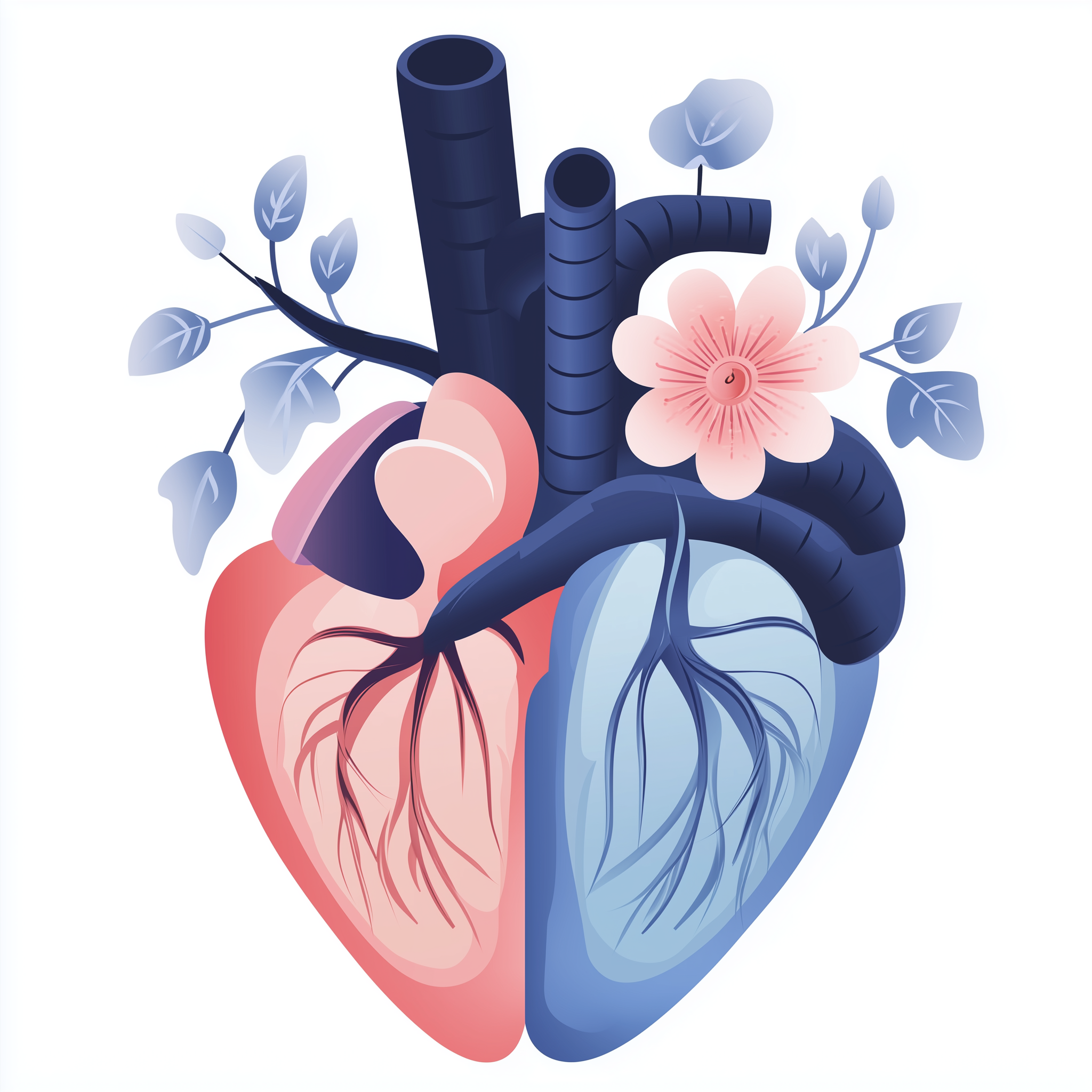
Long QT syndrome (digenic) primarily affects the heart, specifically its electrical conduction system. The condition disrupts the normal flow of ions, particularly potassium ions, across heart muscle cells. This disruption prolongs the 'recharging' phase of each heartbeat. While the heart muscle itself is structurally normal, the electrical instability can lead to life-threatening arrhythmias.

Risks & severity
The severity of Long QT syndrome (digenic) can vary considerably among individuals, even within the same family. Some people may have no symptoms, while others experience recurrent fainting episodes or even sudden cardiac arrest. The risk of serious arrhythmias can be influenced by factors such as the specific genetic changes involved, certain medications, and physical or emotional stress.
Evidence suggests that the presence of genetic changes in two genes, as seen in digenic LQTS, may sometimes lead to a more complex clinical picture compared to single-gene forms of the condition. However, the precise impact of digenic inheritance on lifetime risk and age of onset is still an active area of research. Generally, symptoms can begin at any age, from infancy to adulthood, but they often manifest during childhood or adolescence [PMID:31742197].
Genetic causes
Long QT syndrome (digenic) is caused by inherited genetic changes in two specific genes: KCNH2 and KCNQ1. Both of these genes provide instructions for making proteins that are crucial components of potassium ion channels in heart cells. These channels play a vital role in the heart's electrical system, specifically in the repolarisation phase, where heart cells reset electrically after each beat.
KCNH2 encodes a main part of the hERG potassium channel, which is essential for the heart's electrical recovery. Pathogenic variants in KCNH2 can impair the function of this channel, delaying repolarisation. Similarly, KCNQ1 produces a protein that forms part of another critical voltage-gated potassium channel. Changes in KCNQ1 can disrupt its normal function, also leading to a prolonged QT interval. When both KCNH2 and KCNQ1 have pathogenic changes, their combined effect can lead to the symptoms of digenic LQTS.
- KCNH2 potassium voltage-gated channel subfamily H member 2The KCNH2 gene provides instructions for making a potassium channel protein crucial for regulating the electrical activity of heart muscle cells, maintaining a regular heart rhythm.
- KCNQ1 potassium voltage-gated channel subfamily Q member 1The KCNQ1 gene provides instructions for making a protein that forms a critical part of voltage-gated potassium channels, which are essential for regulating electrical signals in the heart and inner ear.
Inheritance pattern
Long QT syndrome (digenic) follows a digenic inheritance pattern. This means that an individual must inherit a genetic change in KCNH2 from one parent AND a genetic change in KCNQ1 from the other parent to develop the condition. Each parent who carries one of these changes typically does not have Long QT syndrome themselves, as a single genetic change usually isn't enough to cause the condition.
If both parents are carriers of different genetic changes (e.g., one parent carries a KCNH2 change and the other carries a KCNQ1 change), there is a chance in each pregnancy that their child could inherit both changes and therefore be at risk of developing digenic LQTS. This inheritance pattern makes family history crucial for genetic counselling and testing.
Diagnosis & testing
Diagnosis of Long QT syndrome (digenic) typically begins with a clinical evaluation, including a review of personal and family medical history, and an electrocardiogram (ECG) to measure the QT interval. Further cardiac investigations, such as exercise stress tests or Holter monitoring (a portable ECG that records heart activity over 24-48 hours), may be performed.
Confirmation of digenic LQTS requires genetic testing to identify pathogenic variants in both KCNH2 and KCNQ1. Genetic testing for inherited cardiac conditions, including LQTS, is typically coordinated through NHS Genomic Medicine Service (GMS) pathways. Referrals for genetic testing are often made by cardiologists or clinical geneticists, with R-codes such as R145 (for Long QT syndrome) being relevant. Genetic counsellors play a key role in explaining the testing process, results, and implications for the individual and their family.
Management & lifestyle
Management for Long QT syndrome (digenic) focuses on reducing the risk of arrhythmias and preventing sudden cardiac arrest. This often involves lifestyle adjustments, such as avoiding strenuous exercise and certain medications known to prolong the QT interval. It is important to discuss all medications with a healthcare professional.
Medication, particularly beta-blockers, is commonly prescribed to help stabilise the heart's electrical activity and reduce the risk of dangerous arrhythmias. In some cases, an implantable cardioverter-defibrillator (ICD) may be recommended, particularly for individuals who have experienced cardiac arrest or have other high-risk features. Regular follow-up with a cardiologist specialising in inherited cardiac conditions is part of ongoing care within the NHS. Genetic counselling is also recommended for affected individuals and their families to understand the inheritance pattern and implications for family planning.
UK care pathway
In the UK, individuals suspected of having Long QT syndrome (digenic) are generally referred to specialist NHS services, often within inherited cardiac conditions clinics. These clinics bring together cardiologists, clinical geneticists, and genetic counsellors. Diagnostic genetic testing is accessible through the NHS Genomic Medicine Service, typically following a referral from a specialist. The relevant PanelApp R-code for Long QT syndrome, such as R145, guides the genetic testing pathway. Genetic counsellors provide essential support, explaining the condition, inheritance, and implications for family members.
Frequently asked questions
What does 'digenic' mean for Long QT syndrome?
'Digenic' means that changes in two different genes, KCNH2 and KCNQ1, are inherited to cause Long QT syndrome. Unlike some other genetic conditions, you need changes in both genes to develop the condition, typically one from each parent.
Can digenic Long QT syndrome be managed with medication?
Yes, medication, particularly beta-blockers, is often used to manage digenic Long QT syndrome. These drugs help to stabilise the heart's electrical activity and can reduce the risk of dangerous heart rhythms. Your cardiologist will advise on the most suitable treatment.
Are my family members at risk if I have digenic Long QT syndrome?
Because digenic Long QT syndrome is inherited, your close relatives may be at risk. Genetic counselling is highly recommended for your parents, siblings, and children to assess their risk and discuss genetic testing options.
What lifestyle changes are recommended for someone with Long QT syndrome (digenic)?
Lifestyle recommendations often include avoiding strenuous exercise and certain medications that can prolong the QT interval. It's important to discuss any sports or activities with your doctor and always inform healthcare professionals about your condition when prescribed new medicines.
How often do I need follow-up appointments?
Regular follow-up with a cardiologist specialising in inherited cardiac conditions is typically recommended. The frequency of appointments will depend on your individual symptoms, risk factors, and the treatment plan established by your healthcare team.