

On this page
Congenital sodium diarrhoea
This condition presents in the newborn period with profuse, watery stools that persist despite feeding changes. The underlying defect prevents the intestinal lining from properly absorbing sodium and chloride, leading to life-threatening dehydration and electrolyte imbalances if not promptly recognised and managed.
Overview
Congenital sodium diarrhoea is an extremely rare inherited disorder of intestinal ion transport that manifests within the first days or weeks of life. Affected infants develop persistent, severe watery diarrhoea that does not respond to dietary modifications or fasting. The condition results from a fundamental defect in how the intestinal epithelial cells handle sodium and chloride ions, leading to excessive loss of these electrolytes in the stool.
The hallmark biochemical finding is abnormally high sodium concentration in the faeces, typically exceeding 145 mmol/L, alongside elevated faecal chloride levels. Without appropriate fluid and electrolyte replacement, affected infants rapidly become severely dehydrated and develop metabolic acidosis. Early recognition is critical, as delay in diagnosis can result in failure to thrive, developmental delays from chronic dehydration, and potentially life-threatening complications. The exact prevalence is not well established, but fewer than 50 cases have been reported in medical literature worldwide, making it one of the rarest causes of congenital diarrhoea.
Symptoms & clinical features
The clinical presentation is typically dramatic, with onset in the immediate newborn period or within the first few weeks of life. Affected infants produce large volumes of watery stools that are notably acidic and may cause severe nappy rash. The diarrhoea persists regardless of whether the infant is fed breast milk, formula, or is temporarily nil by mouth, which helps distinguish this condition from other causes of infant diarrhoea such as lactose intolerance or cow's milk protein allergy.
The persistent fluid and electrolyte losses lead to signs of dehydration including sunken fontanelle, reduced skin turgor, dry mucous membranes, and decreased urine output. Affected infants often appear listless and feed poorly. Without adequate replacement therapy, they fail to gain weight appropriately and may lose weight despite adequate caloric intake. Chronic dehydration can impair growth and neurodevelopmental progress. The metabolic acidosis that develops from bicarbonate loss in the stool may cause rapid breathing as the body attempts to compensate.
Video: Genetics 101
Affected organs
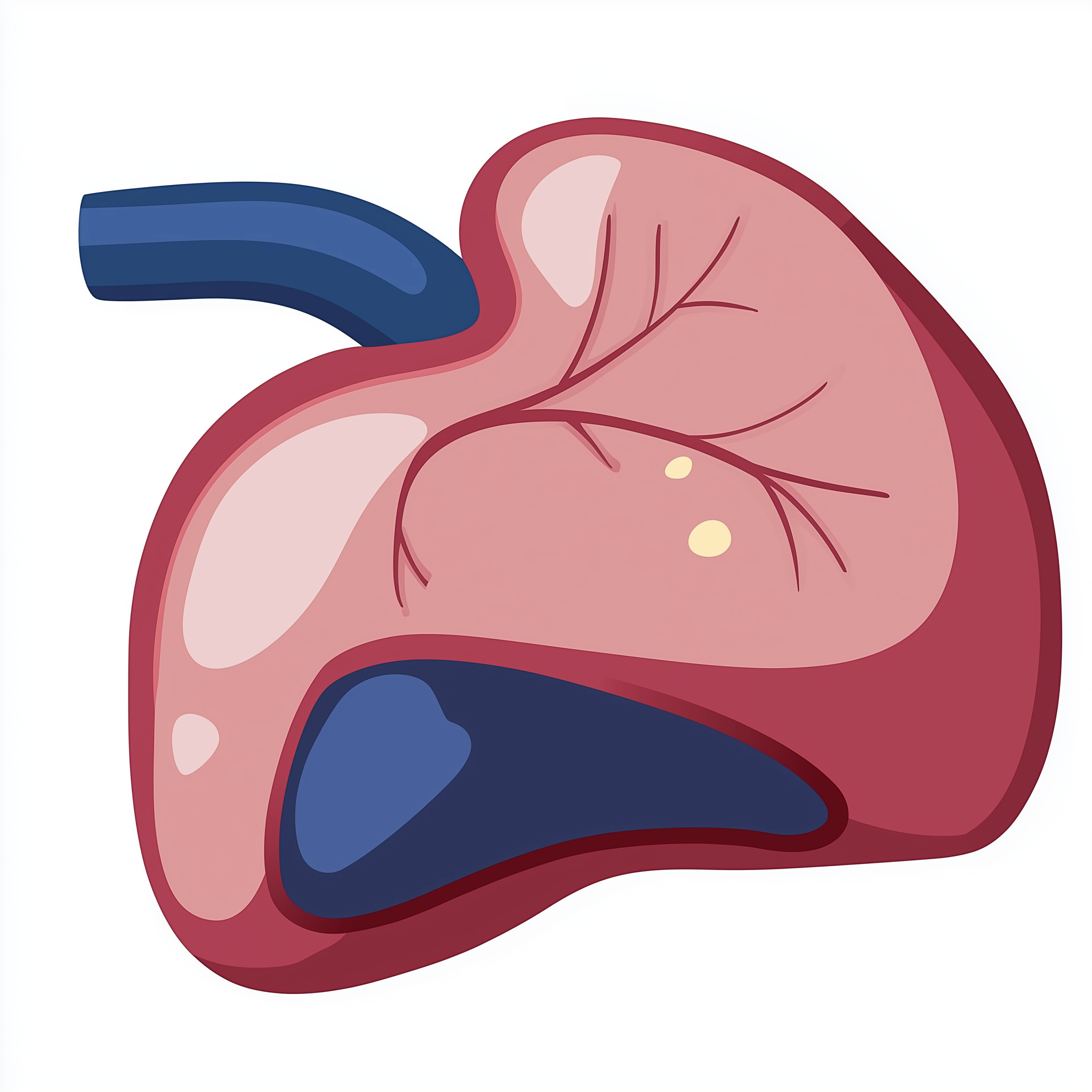
The primary affected organ is the small intestine, specifically the epithelial cells lining the jejunum and ileum. These cells normally express transport proteins that facilitate sodium and chloride absorption from the intestinal contents back into the bloodstream. When this absorption mechanism fails, water follows the retained electrolytes and remains in the bowel lumen, producing the characteristic watery diarrhoea. The colon may also be involved, though it typically has some residual absorptive capacity.
Secondary effects extend throughout the body due to chronic electrolyte imbalance and dehydration. The kidneys work to compensate by conserving sodium and water, which can lead to concentrated urine and metabolic stress on renal function. Poor nutrition absorption and chronic illness can affect growth and skeletal development. The cardiovascular system may be compromised during acute dehydration episodes, with risks of shock if fluid losses are not adequately replaced.
Risks & severity
Congenital sodium diarrhoea is a severe, lifelong condition requiring continuous management. The greatest risks occur in the neonatal period and early infancy, when rapid dehydration can develop within hours if fluid losses are not replaced. Severe dehydration episodes can lead to hypovolaemic shock, kidney injury, and neurological complications from electrolyte disturbances. Mortality risk is highest in the first year of life if the condition is not recognised and appropriately managed.
With early diagnosis and consistent electrolyte replacement therapy, many affected individuals can achieve reasonable growth and development, though they typically remain below average height and weight. Long-term complications may include chronic kidney disease from recurrent dehydration episodes, osteoporosis related to chronic metabolic acidosis, and developmental delays if early nutrition and hydration were inadequate. The need for lifelong electrolyte supplementation and dietary management significantly impacts quality of life. Some individuals require ongoing nasogastric or gastrostomy feeding to maintain adequate nutrition and hydration.
Genetic causes
Congenital sodium diarrhoea can result from pathogenic variants in SPINT2, which encodes a protein called hepatocyte growth factor activator inhibitor type 2. This protein normally acts as a serine protease inhibitor, regulating various cellular processes including the integrity and function of epithelial tight junctions in the intestine. The protein helps maintain the barrier function of the intestinal lining and regulates the activity of enzymes involved in cell-surface signalling.
When SPINT2 carries pathogenic variants, the encoded protein either fails to be produced in sufficient quantities or does not function properly. Research suggests this disruption affects the normal development and maintenance of intestinal epithelial cells, particularly impairing the mechanisms that regulate sodium and chloride transport across the intestinal wall. The loss of SPINT2 function may dysregulate proteases that normally control epithelial permeability and ion channel activity, though the precise molecular mechanisms linking SPINT2 dysfunction to defective electrolyte absorption continue to be investigated. Other genetic causes likely exist, as not all reported cases have identifiable SPINT2 variants, suggesting genetic heterogeneity in this condition.
- SPINT2 serine peptidase inhibitor, Kunitz type 2
Inheritance pattern
Congenital sodium diarrhoea follows an autosomal recessive inheritance pattern. This means an affected individual must inherit a pathogenic variant from both parents, one in each copy of the causative gene. Parents who each carry one pathogenic variant are typically unaffected carriers, showing no symptoms of the condition because their single working gene copy provides sufficient protein function.
When both parents are carriers, each pregnancy has a 25 per cent chance of producing an affected child, a 50 per cent chance of producing a carrier child, and a 25 per cent chance of producing a child with two working gene copies. Siblings of an affected individual have a two in three chance of being carriers if they are unaffected. Given the rarity of pathogenic SPINT2 variants in the general population, the condition is more commonly seen in families where the parents are related to each other (consanguineous), as this increases the likelihood that both parents carry the same rare variant inherited from a common ancestor.
When both parents are carriers, each child has a 25% chance of being affected, 50% of being a carrier, and 25% of being unaffected.
Diagnosis & testing
Diagnosis of congenital sodium diarrhoea requires a high index of suspicion in any infant presenting with severe, persistent watery diarrhoea from birth. The key diagnostic investigation is measurement of faecal electrolytes, with sodium concentrations typically exceeding 145 mmol/L and chloride similarly elevated. Faecal pH is characteristically acidic, often below 5.5. Blood tests typically reveal metabolic acidosis with low bicarbonate, and affected infants may have hyponatraemia and hypokalaemia depending on the degree of dehydration and any replacement therapy already given.
Genetic testing provides definitive confirmation and can identify pathogenic variants in SPINT2. In the NHS Genomic Medicine Service, testing may be accessed through the rare and inherited disease pathway, with referral to clinical genetics appropriate for infants with unexplained congenital diarrhoea. Intestinal biopsy is generally normal on standard histological examination, which helps exclude other structural or inflammatory bowel disorders. Specialised functional studies of intestinal electrolyte transport are available only in research settings. A multidisciplinary approach involving paediatric gastroenterology, clinical genetics, and metabolic specialists is often needed to establish the diagnosis and exclude other congenital diarrhoeal disorders.
Management & lifestyle
Management centres on lifelong replacement of fluid and electrolytes to compensate for ongoing intestinal losses. Affected infants typically require oral or nasogastric administration of solutions containing high concentrations of sodium chloride, often supplemented with potassium and bicarbonate to address the metabolic acidosis. The precise composition and volume must be individually tailored based on stool output and regular monitoring of serum electrolytes. Some individuals require continuous overnight nasogastric or gastrostomy feeding to maintain hydration.
Nutritional support is critical to promote growth and development. High-calorie feeds may be needed to offset the poor absorption and increased metabolic demands. Regular monitoring includes serial measurements of weight, height, electrolytes, acid-base status, and kidney function. Families require extensive education on recognising signs of dehydration and adjusting replacement therapy during intercurrent illnesses when losses may increase. Access to specialist paediatric gastroenterology and dietetic support through the NHS is essential for ongoing care. Genetic counselling should be offered to families to discuss recurrence risks and testing options for future pregnancies. There is no curative treatment currently available, and management remains supportive throughout life.
UK care pathway
Within the NHS Genomic Medicine Service, infants with suspected congenital sodium diarrhoea would typically be referred to paediatric gastroenterology in the first instance, with subsequent involvement of clinical genetics services for genetic testing and family counselling. Genetic testing for SPINT2 variants may be accessed through the rare disease pathway, though given the extreme rarity of this condition, testing strategies may need to be discussed with specialist genetic laboratories.
Ongoing care is coordinated through specialist paediatric gastroenterology centres with access to dietetic support, specialist nurses, and metabolic teams. Families should have access to genetic counsellors who can explain the inheritance pattern, discuss implications for other family members, and provide information about reproductive options including preimplantation genetic testing or prenatal diagnosis for future pregnancies. Transition to adult gastroenterology services should be planned as the individual approaches adulthood, ensuring continuity of the specialist electrolyte replacement and monitoring required throughout life.
Frequently asked questions
Will my child outgrow congenital sodium diarrhoea?
No, congenital sodium diarrhoea is a lifelong condition that does not improve with age. Your child will require ongoing electrolyte replacement therapy throughout their life, though with appropriate management, many individuals can achieve reasonable growth and quality of life.
How much salt supplementation will my child need?
The amount varies considerably between individuals and must be tailored based on your child's stool output and regular blood tests monitoring electrolyte levels. Your specialist team will work with you to find the right balance, and requirements may change during growth or illness.
Can diet changes help manage the diarrhoea?
Unlike many other causes of infant diarrhoea, congenital sodium diarrhoea does not respond to dietary modifications such as changing milk formula or removing specific foods. The fundamental problem is defective sodium absorption, which persists regardless of what is eaten. However, optimising nutrition remains important for growth.
What are the chances of having another affected child?
If both parents are carriers of a pathogenic SPINT2 variant, each pregnancy has a 25 per cent chance of producing an affected child. Genetic counselling can discuss your specific situation and options such as prenatal testing or preimplantation genetic testing for future pregnancies.
References
- Bajracharya S, Stich D, Berman J. Congenital sodium diarrhoea caused by rare de novo activating guanylate cyclase mutation. BMJ case reports. 2022. PMID: 36581358
- Yilmaz Dagli H, Özkan Zarif N, Çelik K. Non-Syndromic Congenital Sodium Diarrhoea With a SLC9A3 Gene Variant: A Case Report. Journal of paediatrics and child health. 2025. PMID: 40265303
- Bou Chaaya S, Eason JD, Ofoegbu BN. Syndromic congenital diarrhoea: new SPINT2 mutation identified in the UAE. BMJ case reports. 2017. PMID: 28716867
- Koh ET, Chan DK, Ho LY. Congenital sodium diarrhoea in an Indian girl. Singapore medical journal. 1998. PMID: 9885711
- Müller T, Rasool I, Heinz-Erian P. Congenital secretory diarrhoea caused by activating germline mutations in GUCY2C. Gut. 2016. PMID: 25994218