

On this page
Congenital chloride diarrhoea
This condition is caused by a genetic change that impairs the body's ability to absorb chloride in the intestines, resulting in significant fluid and electrolyte imbalances. It typically affects individuals from birth and requires lifelong management.
Available at Jeen Health
Clinical tests that include this
Overview
Congenital chloride diarrhoea (CCD) is a rare genetic condition characterised by chronic, watery diarrhoea that begins before or shortly after birth [PMID:17942767]. This diarrhoea continues throughout a person's life. The condition specifically affects how the body absorbs chloride in the intestines, which is crucial for maintaining fluid and electrolyte balance. Without proper chloride absorption, excess water and electrolytes are lost in the stool, leading to dehydration and significant chemical imbalances in the blood.
While CCD is present from birth, its severity can vary. Early diagnosis and consistent management are key to preventing serious complications and improving quality of life. The condition is rarer in the UK but has a higher prevalence in certain populations, such as in Finland, where it affects approximately 1 in 5,000 individuals.
Symptoms & clinical features
The main symptom of congenital chloride diarrhoea is profuse, watery diarrhoea that contains a high concentration of chloride. This can sometimes be detected even before birth, with mothers experiencing an excess of amniotic fluid (polyhydramnios) during pregnancy [PMID:17942767]. After birth, affected infants often pass frequent, copious stools, which can be yellowish or greenish in colour.
Due to the significant fluid and electrolyte losses, infants and children with CCD are at high risk of rapid dehydration. Other symptoms can include repeated vomiting, abdominal distension, and failure to thrive, meaning they do not gain weight or grow as expected. If left untreated, the chronic electrolyte imbalances can lead to more severe issues, including muscle weakness, fatigue, and potential long-term kidney problems [PMID:24817169].
Video: Genetics 101
Affected organs
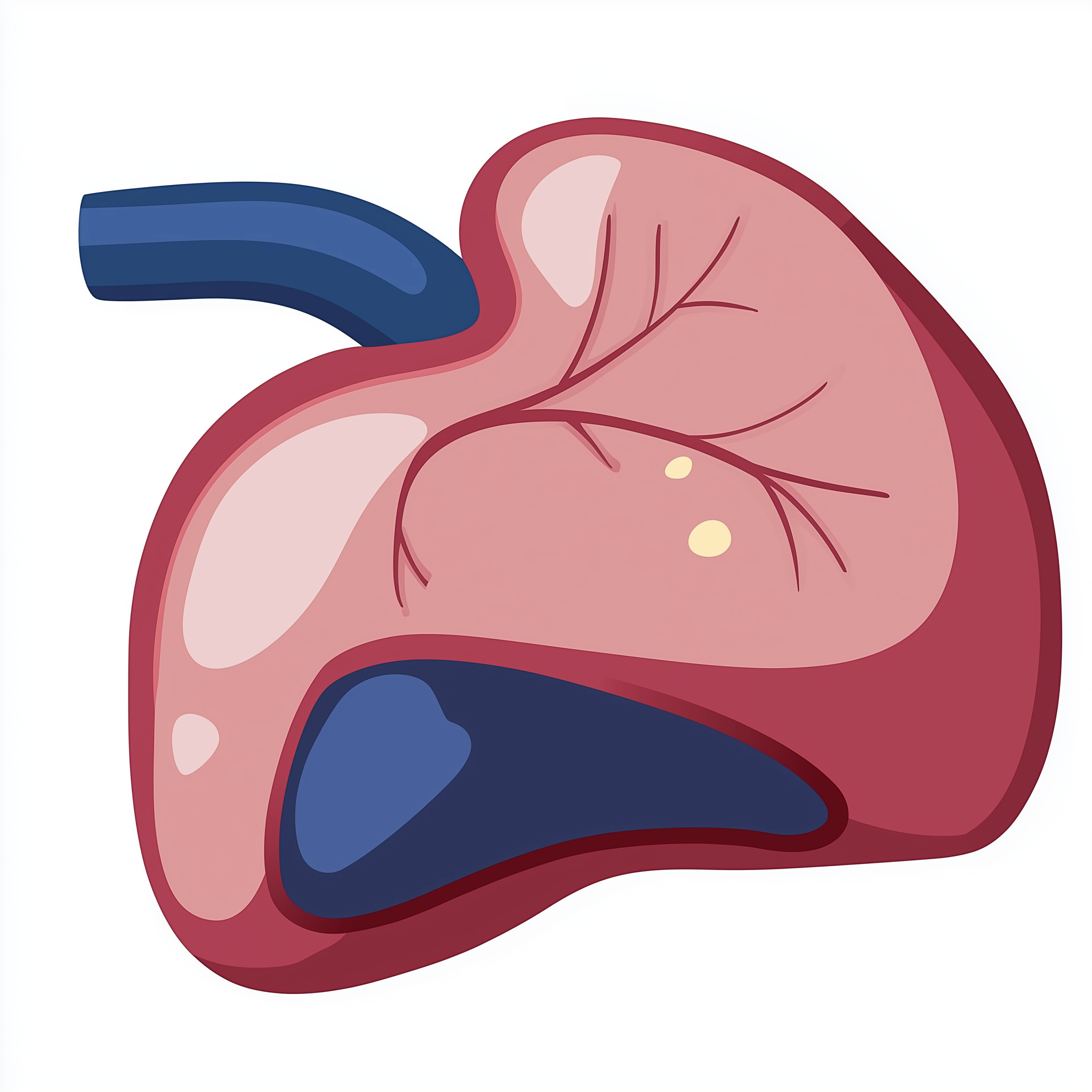
Congenital chloride diarrhoea primarily affects the gastrointestinal tract, especially the small and large intestines. The defect in chloride absorption within these organs leads to the characteristic diarrhoea. The kidneys are also significantly impacted over time, as they work to compensate for the continuous loss of fluids and electrolytes. This increased workload can lead to the development of kidney stones (nephrocalcinosis) or chronic kidney disease in some individuals [PMID:24817169]. Additionally, the constant fluid loss can affect the cardiovascular system, potentially leading to issues with blood pressure regulation.
Risks & severity
The severity of congenital chloride diarrhoea can range, but it generally requires lifelong medical attention due to the chronic nature of the diarrhoea and electrolyte imbalances. Without appropriate management, there is a risk of severe dehydration, growth failure, and development of life-threatening electrolyte disturbances, particularly in infancy. Long-term complications can include kidney damage, such as nephrocalcinosis, and an increased risk of urinary tract infections [PMID:24817169].
While the exact prevalence in the UK is not well established, the condition is considered very rare. Early diagnosis and consistent adherence to treatment greatly improve long-term outcomes, allowing individuals to lead relatively normal lives into adulthood.
Genetic causes
Congenital chloride diarrhoea is caused by pathogenic variants in the *SLC26A3* gene. This gene provides instructions for making a protein known as the solute carrier family 26 member 3. This protein acts as a chloride/bicarbonate exchanger, primarily located in the cells lining the small and large intestines.
The *SLC26A3* protein is responsible for moving chloride ions from the gut lumen (the inside of the intestine) into the cells, while simultaneously moving bicarbonate ions out. This process is vital for the normal absorption of water and electrolytes. When pathogenic variants occur in *SLC26A3*, the protein either functions poorly or is not produced at all. This prevents chloride from being properly absorbed, leading to an accumulation of chloride and water in the intestines, which manifests as persistent watery diarrhoea.
- SLC26A3 solute carrier family 26 member 3
Inheritance pattern
Congenital chloride diarrhoea follows an autosomal recessive inheritance pattern. This means that an individual must inherit two copies of the altered *SLC26A3* gene - one from each parent - to develop the condition.
If both parents are 'carriers' of a pathogenic variant in *SLC26A3*, they typically do not show symptoms themselves, as they have one working copy of the gene. However, with each pregnancy, there is a 25% chance of their child inheriting two altered copies and thus being affected by CCD. There is also a 50% chance the child will be a carrier like their parents, and a 25% chance the child will inherit two normal copies of the gene.
When both parents are carriers, each child has a 25% chance of being affected, 50% of being a carrier, and 25% of being unaffected.
Diagnosis & testing
The diagnosis of congenital chloride diarrhoea is often suspected based on clinical signs, particularly chronic watery diarrhoea from birth and characteristic biochemical findings, such as low blood chloride levels (hypochloraemia) and high faecal chloride levels. Polyhydramnios in pregnancy can also raise suspicion [PMID:17942767].
Confirmation of the diagnosis is typically achieved through genetic testing, which can identify pathogenic variants in the *SLC26A3* gene. In the UK, genetic testing for rare disease conditions like CCD is usually accessed via specialist clinical genetics services. If a clinician suspects CCD, they can refer the patient for genomic testing. This testing would generally fall under the NHS National Genomic Test Directory R-codes for rare inherited diseases, helping to provide a definitive diagnosis.
Management & lifestyle
Management of congenital chloride diarrhoea focuses on correcting and preventing fluid and electrolyte imbalances, particularly the replenishment of chloride, sodium, and potassium. This typically involves lifelong oral supplementation with sodium chloride (table salt) and potassium chloride, often at high doses, tailored to the individual's needs.
Regular monitoring of electrolyte levels, kidney function, and growth is crucial. Nutritional support may also be necessary to ensure adequate growth and development, especially in children experiencing failure to thrive. Management is guided by paediatricians or adult gastroenterologists, often in conjunction with nephrologists and clinical geneticists, as part of the NHS care pathway. Genetic counselling is also recommended for affected individuals and their families to understand the inheritance pattern and implications for future pregnancies.
UK care pathway
In the UK, individuals suspected of having a rare genetic condition like congenital chloride diarrhoea are typically managed within the NHS Genomic Medicine Service. If a clinical team, such as a paediatrician or gastroenterologist, suspects CCD, they can refer to a local clinical genetics service. This service can facilitate genomic testing, which is listed in the National Genomic Test Directory (e.g., via specific R-codes for rare inherited disorders). Genetic counsellors within these services provide essential support, explaining the condition, inheritance, and implications for the family.
Frequently asked questions
What does 'autosomal recessive' mean for congenital chloride diarrhoea?
Autosomal recessive means a child needs to inherit two altered copies of the *SLC26A3* gene - one from each parent - to develop congenital chloride diarrhoea. Parents who are carriers, meaning they have one altered copy and one normal copy, typically do not show symptoms themselves but can pass the altered gene to their children.
Will my child always have diarrhoea with congenital chloride diarrhoea?
Yes, chronic watery diarrhoea is a lifelong symptom of congenital chloride diarrhoea. However, with appropriate and consistent management, including electrolyte supplementation, the frequency and severity of diarrhoea can often be managed, improving overall quality of life.
Can congenital chloride diarrhoea be detected before a baby is born?
Sometimes, congenital chloride diarrhoea can be suspected before birth if an ultrasound shows an excessive amount of amniotic fluid (polyhydramnios). This finding might prompt further investigations, including prenatal genetic testing if there is a family history or strong clinical suspicion.
What kind of doctors treat congenital chloride diarrhoea in the UK?
In the UK, care for congenital chloride diarrhoea typically involves a team of specialists. This often includes paediatricians or adult gastroenterologists, kidney specialists (nephrologists), and clinical geneticists. Genetic counsellors also provide important support and information to families.
Is there a cure for congenital chloride diarrhoea?
Currently, there is no cure for congenital chloride diarrhoea. However, the condition is highly manageable with lifelong treatment involving oral electrolyte supplements, particularly sodium chloride and potassium chloride. This management helps to correct the electrolyte imbalances and prevent severe complications, allowing individuals to live fulfilling lives.
References
- Sajid A, Riaz S, Riaz A. Congenital chloride diarrhoea. BMJ case reports. 2019. PMID: 31826900
- Shanthala CC, Maiya PP, Benakappa N. Congenital chloride diarrhoea. Indian journal of pediatrics. 1996. PMID: 10829997
- Xie Y, Liu X, Tang J. Clinical analysis of salt-wasting in infants due to genetic aetiology. Endokrynologia Polska. 2024. PMID: 40091330
- Holmberg C. Congenital chloride diarrhoea. Clinics in gastroenterology. 1986. PMID: 3527496
- Li Q, Wang J, Zang R. Congenital chloride diarrhoea in a Chinese infant with a compound heterozygous SLC26A3 mutation. BMC pediatrics. 2024. PMID: 38704545
- Höglund P. SLC26A3 and congenital chloride diarrhoea. Novartis Foundation symposium. 2006. PMID: 17120762
- Norsa L, Berni Canani R, Duclaux-Loras R. Inflammatory Bowel Disease in Patients with Congenital Chloride Diarrhoea. Journal of Crohn's & colitis. 2021. PMID: 33770165
- Wani AM, Janhan N, Hussain WM. Congenital cataract and congenital chloride diarrhoea-a unique combination and antenatal diagnosis. BMJ case reports. 2009. PMID: 21847417