

On this page
Wilson disease
This inherited condition can lead to severe organ damage if not diagnosed and treated early. It affects both children and adults, with symptoms varying depending on which organs are most impacted by copper build-up.
Available at Jeen Health
Clinical tests that include this
Overview
Wilson disease is an inherited disorder characterised by the body's inability to properly remove excess copper, leading to its accumulation in various organs [PMID:33671239]. While copper is an essential trace element vital for many bodily functions, too much can become toxic. In individuals with Wilson disease, the liver, which usually processes and eliminates copper, cannot do so effectively. This results in copper building up to harmful levels, primarily in the liver, brain, and eyes, but potentially in other tissues as well. If left untreated, this copper overload can cause significant damage to these organs.
The condition is present from birth, but symptoms often do not appear until later childhood, adolescence, or early adulthood, typically between the ages of 6 and 45 years [PMID:33671239]. However, symptoms can sometimes emerge earlier or later. Because the symptoms can be diverse and mimic those of other conditions, diagnosis can sometimes be delayed. Early recognition and treatment are crucial to prevent severe, irreversible organ damage and improve long-term outcomes for affected individuals.
Wilson disease is estimated to affect approximately 1 in 30,000 people globally. It is considered a rare disease, but its impact can be profound for those affected and their families.
Symptoms & clinical features
The symptoms of Wilson disease are highly variable, depending on which organs are most affected by copper accumulation. Symptoms typically manifest as liver-related issues, neurological problems, or psychiatric disturbances, often in combination. In some cases, the condition might first be identified through routine blood tests showing abnormal liver function before any noticeable symptoms appear.
Liver-related symptoms can range from mild fatigue and jaundice (yellowing of the skin and eyes) to more severe conditions like acute liver failure or chronic liver disease, including cirrhosis. Individuals might experience abdominal pain, swelling due to fluid retention (ascites), or easy bruising. Neurological symptoms often include difficulties with movement, such as tremors, uncoordinated movements (ataxia), and problems with speech (dysarthria) or swallowing (dysphagia). Changes in handwriting and stiffness of limbs can also occur. Psychiatric symptoms can involve mood swings, depression, anxiety, personality changes, and, less commonly, psychosis. These non-specific symptoms can sometimes lead to an initial misdiagnosis.
Another distinctive sign of Wilson disease, present in about half of individuals, is Kayser-Fleischer rings. These are greenish-brown rings around the edge of the cornea in the eye, caused by copper deposits. While characteristic, their absence does not rule out Wilson disease, especially in younger patients or those whose primary symptoms are liver-related. Other symptoms can include joint pain, kidney stones, and anaemia caused by the destruction of red blood cells (haemolysis).
Video: Genetics 101
Affected organs
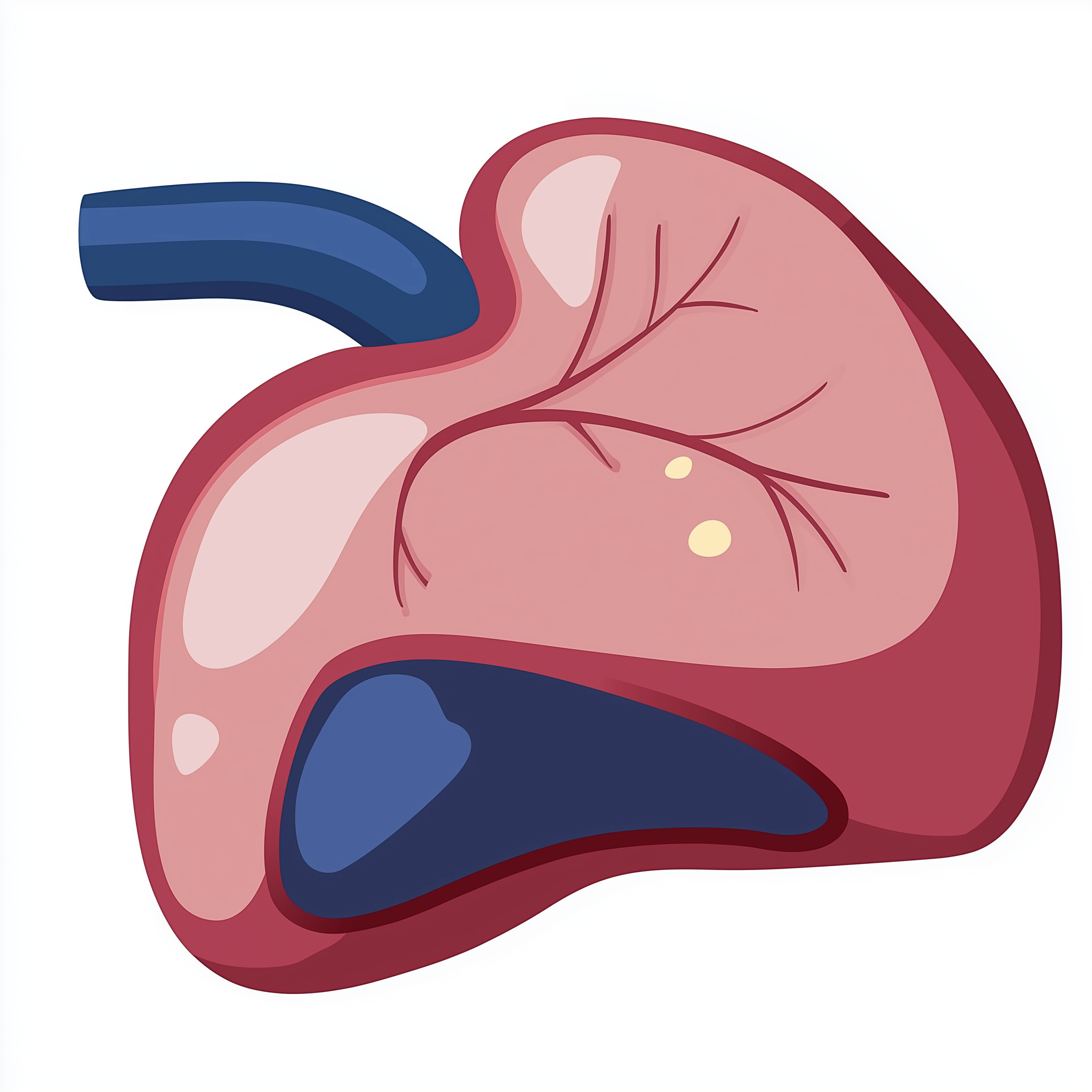
Wilson disease primarily affects organs involved in copper metabolism and those most vulnerable to copper toxicity. The main organs impacted are the liver, brain, and eyes.
The liver is the first organ to accumulate copper because it is responsible for processing and eliminating it from the body. Excess copper here can lead to inflammation, scarring (fibrosis), and eventually cirrhosis, which is severe scarring that impairs liver function. In some cases, it can cause acute liver failure, a life-threatening condition. The brain is also highly susceptible to copper toxicity, particularly areas involved in movement control. This can result in a range of neurological and psychiatric symptoms. In the eyes, copper deposits can form Kayser-Fleischer rings, which are typically found in the cornea.

Risks & severity
The severity of Wilson disease can vary considerably among affected individuals, even within the same family. The condition is progressive, meaning that without treatment, copper accumulation will continue, leading to worsening organ damage. The age of onset for symptoms is also variable, typically ranging from late childhood to middle adulthood. Liver disease symptoms generally appear earlier, often in childhood or adolescence, while neurological and psychiatric symptoms tend to manifest later, during adolescence or young adulthood.
If Wilson disease is left undiagnosed or untreated, the copper overload can lead to severe, life-threatening complications. These include acute liver failure, chronic liver failure requiring a liver transplant, and irreversible brain damage causing significant disability. Early diagnosis and consistent treatment are therefore critical to prevent or minimise these serious outcomes. With appropriate management, many individuals with Wilson disease can lead full and healthy lives, although long-term follow-up and adherence to treatment are usually necessary.
Genetic causes
Wilson disease is caused by pathogenic variants in the ATP7B gene [PMID:33671239]. This gene provides instructions for making a protein called a copper-transporting P-type ATPase, specifically located in liver cells. This protein plays a vital role in two key processes: transporting excess copper into bile for excretion from the body, and incorporating copper into a protein called ceruloplasmin, which carries copper in the bloodstream.
When pathogenic variants occur in ATP7B, the ATP7B protein either does not function correctly or is not produced at all. This dysfunction means the liver cells cannot effectively remove excess copper. As a result, copper builds up within the liver, causing damage, and then spills over into the bloodstream, where it travels to other organs like the brain, kidneys, and eyes, leading to further toxicity. Identifying specific variants in ATP7B helps to confirm a diagnosis of Wilson disease and can be important for family planning.
- ATP7B ATPase copper transporting betaThe ATP7B gene provides instructions for making a protein crucial for transporting copper, playing a key role in maintaining proper copper balance within the body.
Inheritance pattern
Wilson disease is inherited in an autosomal recessive pattern. This means that an individual must inherit two altered copies of the ATP7B gene - one from each parent - to develop the condition [PMID:28795904].
Individuals who inherit only one altered copy of the ATP7B gene are called carriers. Carriers typically do not develop symptoms of Wilson disease because their one functional copy of the gene is usually sufficient to process copper effectively. However, if two carriers have children together, there is a 25% chance with each pregnancy that their child will inherit two altered copies of the gene and therefore develop Wilson disease. There is a 50% chance their child will be a carrier, and a 25% chance their child will inherit two functional copies of the gene. Genetic counselling is often recommended for families where Wilson disease has been diagnosed to understand the inheritance patterns and risks for other family members.
When both parents are carriers, each child has a 25% chance of being affected, 50% of being a carrier, and 25% of being unaffected.
Diagnosis & testing
Diagnosing Wilson disease typically involves a combination of clinical assessment, blood and urine tests, and sometimes a liver biopsy or genetic testing. The presence of Kayser-Fleischer rings in the eyes, detected by an ophthalmologist, is often a strong indicator. Blood tests usually measure ceruloplasmin levels, which are often low in individuals with Wilson disease, and sometimes copper levels. Urine tests can check for elevated copper excretion, indicating the body's attempt to rid itself of excess copper.
Genetic testing for pathogenic variants in the ATP7B gene is the most definitive way to confirm a diagnosis. This test can be arranged through the NHS Genomic Medicine Service (GMS) via an appropriate clinical referral. For individuals in the UK, referral to a clinical genetics service is common. The relevant R-code for genomic testing for Wilson disease in the UK is R157 Wilson Disease, which covers sequencing of the ATP7B gene. A liver biopsy, which involves taking a small sample of liver tissue for analysis, can directly measure copper content in the liver and assess the extent of liver damage. This test is sometimes used when other results are inconclusive.
Management & lifestyle
Management of Wilson disease focuses on removing excess copper from the body and preventing its re-accumulation, alongside managing any existing organ damage. Treatment typically involves lifelong medication and careful dietary modifications. The primary medications used are chelating agents, such as D-penicillamine or trientine, which bind to copper and facilitate its excretion through urine [PMID:33671239]. Another treatment option is zinc therapy, which blocks the absorption of copper from the digestive tract.
Individuals with Wilson disease are usually advised to avoid foods high in copper, such as organ meats, shellfish, mushrooms, nuts, and chocolate, especially during the initial stages of treatment. Regular follow-up appointments with specialists, including hepatologists and neurologists, are essential to monitor copper levels, assess organ function, and adjust treatment as needed. In cases of severe liver damage, a liver transplant may be necessary. Genetic counsellors can provide valuable support and information to patients and their families regarding the condition's inheritance and implications for family planning. Adherence to treatment is vital for preventing the progression of the disease and maintaining good health.
UK care pathway
In the UK, individuals suspected of having Wilson disease are typically referred by their GP to specialist services, such as gastroenterology, hepatology, or neurology, depending on their presenting symptoms. If Wilson disease is suspected, a referral to a clinical genetics service can be made for confirmatory genetic testing. The NHS Genomic Medicine Service (GMS) offers genomic testing under R-code R157 Wilson Disease, which involves sequencing of the ATP7B gene. This allows for a definitive diagnosis and can inform genetic counselling for affected individuals and their families.
Once diagnosed, care is usually coordinated by a multidisciplinary team, including hepatologists, neurologists, ophthalmologists, and specialist nurses. Genetic counsellors play an important role in explaining the genetic basis of the condition, its inheritance pattern, and the implications for other family members. Patients will receive lifelong management and monitoring, often through specialist NHS centres, to ensure optimal treatment and support.
Frequently asked questions
Can Wilson disease be cured?
Wilson disease cannot be cured, but it can be effectively managed with lifelong treatment. This typically involves medications that remove excess copper from the body and prevent its re-accumulation, along with dietary changes. Consistent treatment can prevent severe organ damage and allow individuals to lead full lives.
How is Wilson disease passed down in families?
Wilson disease is inherited in an autosomal recessive pattern. This means an individual must inherit two altered copies of the ATP7B gene, one from each parent, to develop the condition. Parents who each carry one altered copy are typically healthy themselves but have a 25% chance with each child of having a child with Wilson disease.
What happens if Wilson disease is not treated?
If Wilson disease is left untreated, copper will continue to build up in the body, leading to progressive and severe organ damage. This can result in acute or chronic liver failure, irreversible brain damage with significant neurological and psychiatric problems, and can ultimately be life-threatening.
Are there any dietary restrictions for someone with Wilson disease?
Yes, individuals with Wilson disease are usually advised to follow a low-copper diet, especially when starting treatment. Foods high in copper, such as shellfish, organ meats, nuts, and chocolate, should generally be limited or avoided. A dietitian can provide specific guidance on dietary management.
Can carriers of Wilson disease develop symptoms?
Individuals who are carriers for Wilson disease have one altered copy of the ATP7B gene and one functional copy. They typically do not develop symptoms of Wilson disease because the functional gene copy is usually sufficient for normal copper metabolism. However, they can pass the altered gene copy to their children.
References
- Schilsky ML. Wilson Disease: Diagnosis, Treatment, and Follow-up. Clinics in liver disease. 2017. PMID: 28987261
- Roberts EA, Schilsky ML. Current and Emerging Issues in Wilson's Disease. The New England journal of medicine. 2023. PMID: 37672695
- Weinstein D, Shah DA. Wilson disease and pregnancy. Clinical liver disease. 2024. PMID: 38312994
- Kerkar N, Rana A. Wilson Disease in Children. Clinics in liver disease. 2022. PMID: 35868686
- Wilson disease. Nature reviews. Disease primers. 2018. PMID: 30190465
- Rabiee A, Hamilton JPA. Pregnancy in Wilson disease. Hepatology (Baltimore, Md.). 2018. PMID: 29077220
- Członkowska A, Litwin T, Chabik G. Wilson disease: neurologic features. Handbook of clinical neurology. 2017. PMID: 28433096
- Shribman S, Warner TT, Dooley JS. Clinical presentations of Wilson disease. Annals of translational medicine. 2019. PMID: 31179297