

On this page
Autoimmune hepatitis (genetic risk)
This liver disorder can lead to serious health issues if not managed. While not solely genetic, certain gene variations, especially within the HLA complex, increase an individual's susceptibility to developing the condition.
Overview
Autoimmune hepatitis (AIH) is a chronic liver disease characterised by ongoing inflammation of the liver, which occurs when the body's own immune system targets and damages healthy liver cells [PMID:34731737]. This condition is distinct from hepatitis caused by viruses, alcohol, or medications. If left untreated, the chronic inflammation can lead to liver scarring (fibrosis), cirrhosis, and eventually liver failure, which may necessitate a liver transplant. AIH can affect people of any age, gender, or ethnic background, though it is often diagnosed in women and can present differently in children compared to adults [PMID:33675037].
The exact cause of AIH is not fully understood, but it is believed to involve a combination of genetic predisposition and environmental triggers. This means that while some individuals may have a genetic likelihood to develop the condition, an external factor, such as certain infections or medications, might be needed to initiate the autoimmune response. It is considered a relatively rare condition, affecting approximately 1 in 6,000 people in the general population.
Symptoms & clinical features
The symptoms of autoimmune hepatitis can vary widely from person to person. Some individuals might experience no symptoms, especially in the early stages, and the condition may only be discovered during routine blood tests that show abnormal liver function. For others, symptoms can develop suddenly and be severe, resembling acute hepatitis, or they can appear gradually over time.
Common symptoms often include fatigue, nausea, appetite loss, joint pain, abdominal discomfort, and itching. More severe indicators of liver damage may include jaundice (yellowing of the skin and eyes), dark urine, pale stools, enlarged liver or spleen, and the development of ascites (fluid build-up in the abdomen). In some cases, AIH can be associated with other autoimmune conditions, such as inflammatory bowel disease, thyroid problems, or type 1 diabetes [PMID:34731737], which may also contribute to the overall symptom picture.
Video: Genetics 101
Affected organs
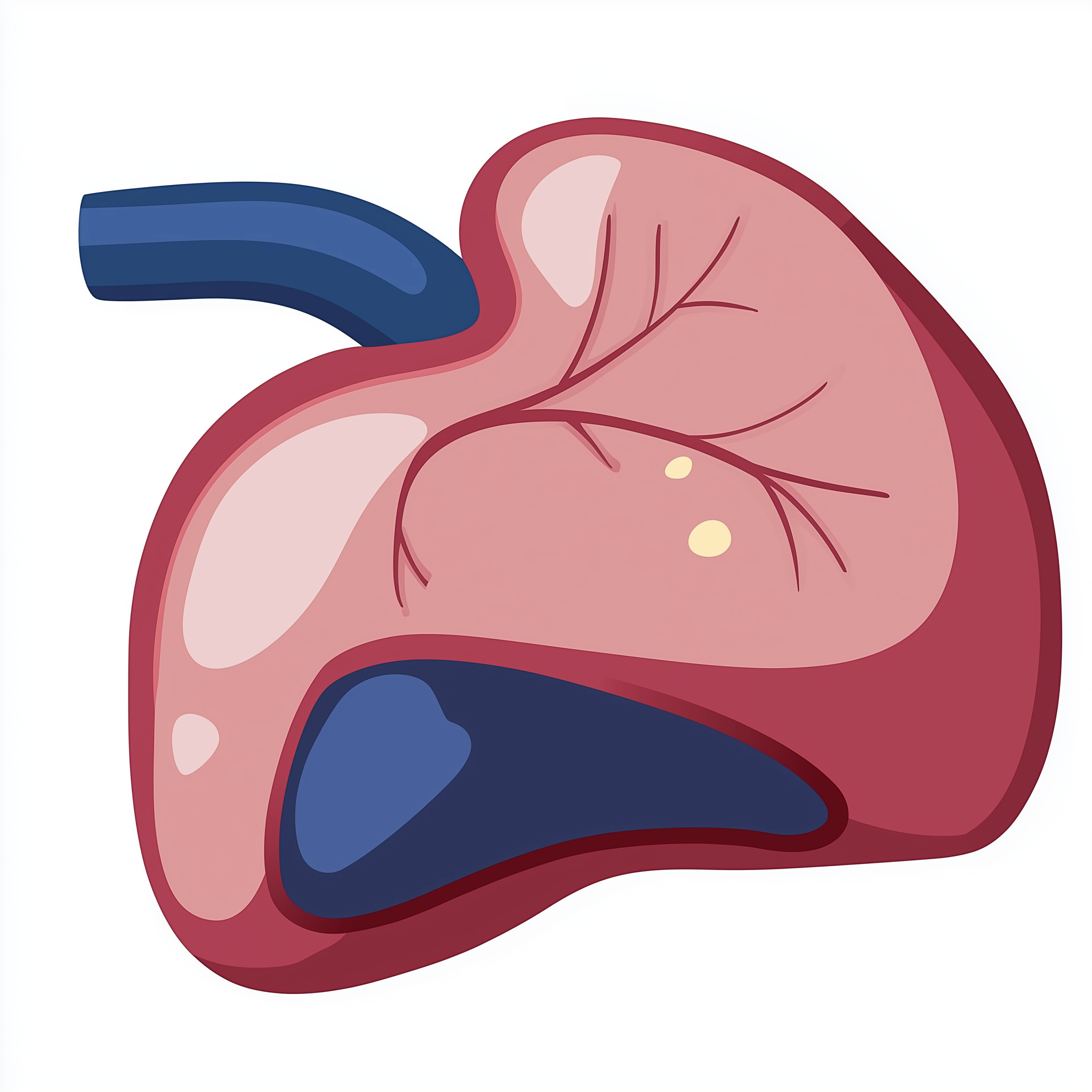
The primary organ affected by autoimmune hepatitis is the liver. The immune system's attack on liver cells causes inflammation, which damages these cells over time. This ongoing damage can disrupt the liver's essential functions, such as filtering toxins from the blood, producing proteins necessary for blood clotting, and processing nutrients.
Over prolonged periods, chronic liver inflammation can lead to the formation of scar tissue within the liver, a process known as fibrosis. If fibrosis becomes extensive and widespread, it can progress to cirrhosis, where the liver architecture is severely distorted and its function is significantly impaired. In advanced stages of cirrhosis, the liver may fail, leading to life-threatening complications. While the liver is the main target, AIH can also have systemic effects due to its autoimmune nature, potentially involving other organs if other autoimmune conditions are present.

Risks & severity
Autoimmune hepatitis can range in severity from mild, asymptomatic forms to rapidly progressive, severe liver disease. The lifetime risk varies among individuals, greatly influenced by genetic factors and potential environmental triggers. Without appropriate treatment, AIH can lead to serious long-term complications including cirrhosis, liver failure, and an increased risk of liver cancer [PMID:34731737].
The age of onset is highly variable; AIH can affect children and adults alike, with peaks in incidence often observed in childhood or adolescence, and in middle age. The prognosis and outcomes are generally good with early diagnosis and consistent treatment. However, around 10-20% of individuals with AIH may not respond well to standard treatments or may experience relapses, highlighting the need for careful monitoring and tailored management strategies.
Genetic causes
Autoimmune hepatitis is considered a complex or polygenic condition. This means that it is influenced by multiple genetic factors rather than a single gene, in combination with environmental factors. The strongest genetic association for AIH is with the *HLA-DRB1* gene [PMID:33675037]. This gene is part of the Human Leucocyte Antigen (HLA) complex, which plays a crucial role in the immune system by helping T-cells recognise foreign invaders versus the body's own cells.
Specific variations (alleles) in *HLA-DRB1*, such as *HLA-DRB1*03:01 and *HLA-DRB1*04:01, have been consistently identified as increasing susceptibility to AIH. These alleles are thought to alter how the immune system presents liver-specific proteins, making them appear as foreign to immune cells and triggering an autoimmune attack. Additionally, other genes like *SH2B3* have also been implicated in AIH susceptibility, although their contribution is generally less significant than that of the HLA complex. *SH2B3* is involved in immune signalling pathways, and variations in this gene may further influence immune cell activation and regulation. It is important to remember that having these genetic variations does not guarantee development of AIH, but rather increases the likelihood, especially when other predisposing factors are present.
Inheritance pattern
Autoimmune hepatitis follows a complex or polygenic inheritance pattern. This means that having a specific genetic change, such as certain *HLA-DRB1* variants, does not directly cause the condition in every person who inherits it. Instead, these genetic variations increase an individual's susceptibility or risk of developing AIH.
Unlike conditions caused by a single gene, there isn't a straightforward predictable pattern of inheritance from parents to children in complex conditions. Instead, a combination of multiple genes, each contributing a small effect, along with environmental triggers, determines whether someone will develop AIH. Therefore, while genetic risk factors can run in families, the presence of AIH in one family member does not automatically mean other relatives will develop it, nor does it typically trigger specific genetic counselling for direct inheritance risks unless other factors are at play.
Diagnosis & testing
Diagnosing autoimmune hepatitis typically involves a combination of thorough clinical assessment, blood tests, and often a liver biopsy. Blood tests are crucial for evaluating liver function, checking for specific autoantibodies (such as anti-nuclear antibody (ANA), anti-smooth muscle antibody (SMA), or liver kidney microsomal antibody type 1 (LKM1)), and ruling out other causes of liver disease like viral hepatitis.
If AIH is suspected, a liver biopsy may be performed. This procedure involves taking a small tissue sample from the liver for microscopic examination, which can reveal characteristic inflammation and damage patterns suggestive of AIH, and help assess the extent of fibrosis or cirrhosis. Diagnosis of AIH within the NHS follows established clinical guidelines and may sometimes involve genetic testing to support the suspicion of an inherited predisposition, although this is not typically a primary diagnostic criterion. Referrals for investigation are generally made by a GP to a gastroenterologist or hepatologist.
Management & lifestyle
The primary goal of managing autoimmune hepatitis is to suppress the immune system's attack on the liver, reduce inflammation, and prevent further liver damage. Treatment typically involves long-term use of immunosuppressive medications, most commonly corticosteroids (like prednisolone) often combined with another immunosuppressant (like azathioprine). The specific medication regimen and dosage are tailored to the individual's condition, severity, and response to treatment.
Regular monitoring of liver function tests and medication side effects is essential. The NHS provides a multidisciplinary approach, with care generally overseen by a hepatologist or gastroenterologist, often in collaboration with specialist nurses. In cases of advanced liver disease or treatment failure, assessment for liver transplantation may be considered. Lifestyle advice, such as maintaining a healthy diet, avoiding alcohol, and managing weight, also forms part of comprehensive management to support liver health. Patients can access ongoing support and information through their clinical team and patient organisations in the UK.
UK care pathway
In the UK, suspected cases of autoimmune hepatitis are typically referred by a General Practitioner (GP) to a specialist service, usually within a hospital setting. This referral is often made to a gastroenterologist or hepatologist, a doctor specialising in liver diseases. These specialists guide further investigations and diagnosis, including blood tests and liver biopsies. Genetic testing for specific risk factors like *HLA-DRB1* variants may be considered in certain contexts, particularly in complex or atypical presentations, or for research purposes, although it is not a routine part of diagnosis. Genetic counselling services may be accessed via a clinical genetics referral route should there be concerns about inherited susceptibility to guide family discussions, often after initial specialist assessment. While some genetic testing for liver conditions falls under specific NHS Genomic Medicine Service R-codes, for a complex condition like AIH, genetic testing is not always explicitly listed but can be part of broader investigations.
Frequently asked questions
Is autoimmune hepatitis contagious?
No, autoimmune hepatitis is not contagious. It is an autoimmune condition, meaning it results from the body's own immune system attacking the liver, rather than being caused by an infection that can be passed between people. You cannot catch it from someone else.
Can autoimmune hepatitis be cured?
Currently, there is no definitive cure for autoimmune hepatitis. However, it can be effectively managed with lifelong immunosuppressive medication. This treatment aims to control the immune system's activity, reduce liver inflammation, and prevent further damage, often leading to remission and a good quality of life.
Do I need to change my diet if I have autoimmune hepatitis?
While there isn't a specific 'autoimmune hepatitis diet', maintaining a healthy, balanced diet is generally recommended to support liver health. Your doctor or a dietitian may provide specific advice, especially if you have other conditions or medication side effects. Avoiding alcohol is typically strongly advised to prevent further liver damage.
What is the role of genetics in autoimmune hepatitis?
Genetics play a role in increasing an individual's susceptibility to autoimmune hepatitis, particularly specific variations in the *HLA-DRB1* gene. It is considered a complex condition, meaning multiple genes and environmental triggers combine to influence whether someone develops the condition. It's not typically inherited in a simple pattern.
Will my children inherit autoimmune hepatitis?
Autoimmune hepatitis has a complex inheritance pattern, meaning it's not directly passed down like single-gene conditions. While certain genetic factors can increase susceptibility, having these factors does not guarantee your children will develop the condition. Discussing specific family concerns with a genetic counsellor or hepatologist can provide more personalised insights.