

On this page
Spinal muscular atrophy with respiratory distress
SMARD1 is a severe, early-onset genetic disorder primarily affecting the motor neurons, which are nerve cells that control muscle movement. It typically presents in infancy with progressive muscle weakness and life-threatening respiratory failure.
Available at Jeen Health
Clinical tests that include this
Overview
Spinal muscular atrophy with respiratory distress type 1, often called SMARD1, is a rare genetic condition that primarily affects the motor neurons. These specialised nerve cells are found in the spinal cord and brainstem and are responsible for sending signals from the brain to control voluntary muscle movement [PMID:16598583]. In SMARD1, these motor neurons progressively degenerate, leading to muscle weakness and wasting (atrophy).
A hallmark feature of SMARD1 is severe respiratory distress, which means significant difficulty with breathing. This is due to weakness of the diaphragm, the main muscle involved in breathing. The condition typically presents in infancy and can be life-threatening without appropriate medical support.
Symptoms & clinical features
Symptoms of SMARD1 typically begin in infancy, usually between 6 weeks and 6 months of age, though onset can occasionally be later [PMID:16598583]. The most prominent early sign is difficulty breathing, which may become severe and require urgent medical intervention. Babies might show signs of respiratory distress such as rapid breathing, noisy breathing, or using accessory muscles to breathe.
Progressive muscle weakness is another key symptom, often starting in the limbs furthest from the body's centre (distal muscles) such as those in the hands and feet. This weakness can then spread to affect muscles closer to the body (proximal muscles). Infants with SMARD1 may have a weak cry, feeding difficulties, and reduced movement. Some individuals may also experience autonomic nervous system dysfunction, which can affect heart rate, blood pressure, and digestion, though this is less common than the motor and respiratory symptoms [PMID:22026850].
Video: Genetics 101
Affected organs
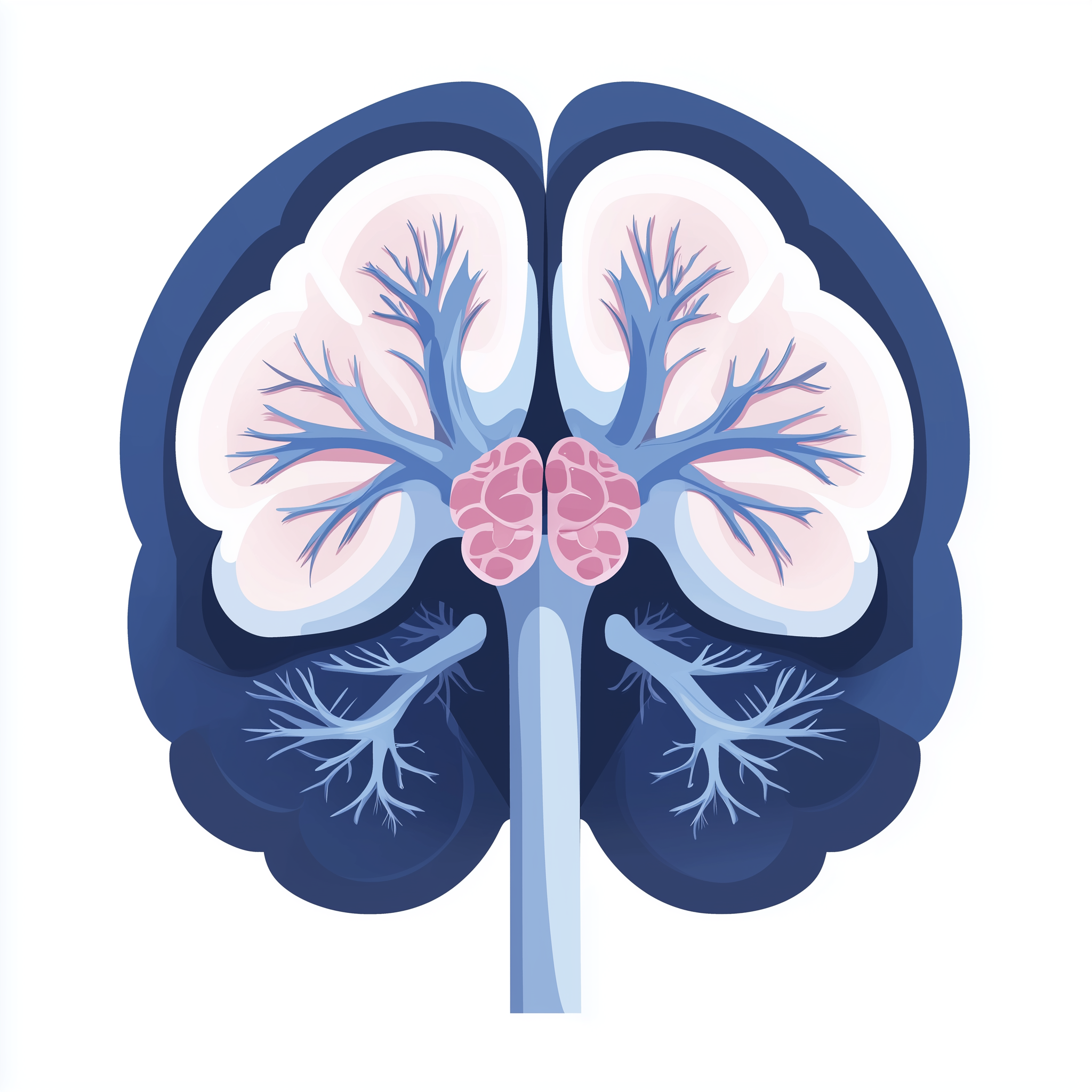
SMARD1 primarily affects the peripheral nervous system, specifically the motor neurons in the spinal cord and brainstem. The degeneration of these nerve cells directly impacts the muscles they control, leading to widespread muscle weakness and atrophy throughout the body.
The diaphragm, a crucial muscle for breathing, is particularly affected, resulting in severe respiratory difficulties. Other muscles involved in breathing, such as the intercostal muscles between the ribs, also become weak. This can lead to chronic respiratory insufficiency and an increased risk of respiratory infections. The heart muscle may also be affected in some individuals, leading to a condition called cardiomyopathy, where the heart struggles to pump blood effectively.

Risks & severity
SMARD1 is a severe condition, and its prognosis largely depends on the age of onset and the severity of respiratory involvement. Infants with very early and severe respiratory distress often require extensive respiratory support, sometimes including mechanical ventilation. The condition is rare, and its exact prevalence is not well established. Without intervention, respiratory failure is a significant cause of mortality in affected infants.
The progression of muscle weakness can vary, but it generally leads to significant motor impairment. While the cognitive development of individuals with SMARD1 is typically unaffected, the physical challenges are substantial. Life expectancy can be significantly impacted, particularly in those with early and severe respiratory failure, though medical advancements in supportive care have improved outcomes for some.
Genetic causes
SMARD1 is caused by changes (pathogenic variants) in the IGHMBP2 gene. This gene provides instructions for making a protein called immunoglobulin mu binding protein 2. This protein is a helicase, an enzyme that plays a vital role in unwinding DNA and RNA molecules, which is essential for fundamental cellular processes such as DNA replication and the production of RNA.
Pathogenic variants in the IGHMBP2 gene disrupt the normal function of this protein. When the IGHMBP2 protein doesn't work correctly, it is thought to particularly affect the survival and function of motor neurons. This disruption leads to the progressive degeneration of these nerve cells, resulting in the characteristic muscle weakness and respiratory distress seen in SMARD1.
- IGHMBP2 immunoglobulin mu DNA binding protein 2The IGHMBP2 gene provides instructions for creating a protein involved in DNA unwinding and replication, crucial for proper cellular function throughout the body.
Inheritance pattern
SMARD1 is inherited in an autosomal recessive pattern. This means that an individual must inherit two copies of the altered IGHMBP2 gene - one from each parent - to develop the condition. People who have only one copy of the altered gene are known as carriers. Carriers typically do not show symptoms of SMARD1 themselves but can pass the altered gene on to their children.
If both parents are carriers of a pathogenic IGHMBP2 variant, there is a 25% (1 in 4) chance with each pregnancy that their child will inherit two altered copies and develop SMARD1. There is a 50% (2 in 4) chance their child will be a carrier like them, and a 25% (1 in 4) chance their child will inherit two normal copies of the gene and not be affected or a carrier.
When both parents are carriers, each child has a 25% chance of being affected, 50% of being a carrier, and 25% of being unaffected.
Diagnosis & testing
Diagnosis of SMARD1 is usually suspected based on an infant's clinical symptoms, particularly the combination of early-onset respiratory distress and progressive muscle weakness. This clinical suspicion is then confirmed through genetic testing.
Genetic testing for SMARD1 involves analysing the IGHMBP2 gene to identify pathogenic variants. In the UK, genetic testing for conditions like SMARD1 is typically accessed through the NHS Genomic Medicine Service following a referral from a specialist paediatrician or neurologist. The relevant R-code for diagnostic testing for early-onset motor neuron conditions, which would include SMARD1, is R161.
Management & lifestyle
There is currently no cure for SMARD1, so management focuses on providing supportive care to alleviate symptoms and improve quality of life. Given the severe respiratory involvement, respiratory support is often a critical component of care, which may include non-invasive ventilation or, in some cases, tracheostomy and mechanical ventilation. A multidisciplinary team, including respiratory specialists, neurologists, physiotherapists, and occupational therapists, is usually involved.
Physiotherapy can help maintain muscle strength and flexibility, while occupational therapy can assist with adapting daily activities. Nutritional support may be necessary if feeding difficulties arise. Regular monitoring of respiratory function, heart health, and overall development is crucial. Genetic counsellors can provide information and support to families regarding the inheritance pattern and implications for future pregnancies.
UK care pathway
In the UK, individuals suspected of having SMARD1 would typically enter the NHS Genomic Medicine Service pathway. Referral for genetic testing, usually via a specialist paediatrician or neurologist, would consider R-codes such as R161 for early-onset motor neuron disorders. Genetic testing helps confirm the diagnosis and informs clinical management.
Once a diagnosis is confirmed, care is usually coordinated through specialist paediatric centres, often involving clinical geneticists and a range of other specialists. Genetic counselling is a key part of this pathway, providing information and support to affected individuals and their families.
Frequently asked questions
What is the life expectancy for someone with SMARD1?
Life expectancy for individuals with SMARD1 can vary significantly depending on the severity of respiratory involvement and the level of medical support provided. Sadly, many affected infants experience early mortality due to respiratory failure, though supportive care can prolong life in some cases.
Will a child with SMARD1 be able to walk?
Due to progressive muscle weakness, children with SMARD1 typically experience significant motor impairment. Most individuals will not achieve independent walking, and many will require mobility aids and support.
Is SMARD1 the same as other types of spinal muscular atrophy (SMA)?
No, SMARD1 is a distinct condition from the more common types of spinal muscular atrophy (SMA Type 1, 2, 3), which are caused by variants in the SMN1 gene. Although both conditions cause motor neuron degeneration, SMARD1 is caused by pathogenic variants in the IGHMBP2 gene and has specific clinical features, particularly the prominent respiratory distress.
Can SMARD1 be detected during pregnancy?
For families with a known pathogenic IGHMBP2 variant identified through genetic testing, prenatal diagnosis (testing during pregnancy) is possible. This involves testing foetal cells, typically obtained through chorionic villus sampling (CVS) or amniocentesis, to determine if the baby has inherited the altered genes.
Is there a cure for SMARD1?
Currently, there is no cure for SMARD1. Treatment focuses on supportive care, aiming to manage symptoms and improve the quality of life for affected individuals. This includes respiratory support, physiotherapy, and nutritional management.
References
- Saladini M, Nizzardo M, Govoni A. Spinal muscular atrophy with respiratory distress type 1: Clinical phenotypes, molecular pathogenesis and therapeutic insights. Journal of cellular and molecular medicine. 2020. PMID: 31802621
- Rzepnikowska W, Kaminska J, Kochański A. The molecular mechanisms that underlie IGHMBP2-related diseases. Neuropathology and applied neurobiology. 2024. PMID: 39119929
- Martin PB, Holbrook SE, Hicks AN. Clinically relevant mouse models of Charcot-Marie-Tooth type 2S. Human molecular genetics. 2023. PMID: 36413117
- Prusty AB, Hirmer A, Sierra-Delgado JA. RNA helicase IGHMBP2 regulates THO complex to ensure cellular mRNA homeostasis. Cell reports. 2024. PMID: 38368610
- Hedlund E, Hefferan MP, Marsala M. Cell therapy and stem cells in animal models of motor neuron disorders. The European journal of neuroscience. 2007. PMID: 17897390
- Viguier A, Lauwers-Cances V, Cintas P. Spinal muscular atrophy with respiratory distress type 1: A multicenter retrospective study. Neuromuscular disorders : NMD. 2019. PMID: 30598237
- Jablonka S, Yildirim E. Disease Mechanisms and Therapeutic Approaches in SMARD1-Insights from Animal Models and Cell Models. Biomedicines. 2024. PMID: 38672198
- Rzepnikowska W, Kochański A. Models for IGHMBP2-associated diseases: an overview and a roadmap for the future. Neuromuscular disorders : NMD. 2021. PMID: 34785121