

On this page
Sickle cell disease
This lifelong condition affects haemoglobin, the oxygen-carrying protein in red blood cells. When haemoglobin molecules stick together, they distort cell shape, causing episodes of pain, anaemia, and potential organ damage. It predominantly affects people with African, Caribbean, Middle Eastern, Mediterranean, and South Asian ancestry.
Available at Jeen Health
Clinical tests that include this
Overview
Sickle cell disease represents a group of inherited haematological conditions characterised by abnormal haemoglobin that causes red blood cells to adopt a rigid, sickle-like shape under certain conditions. These distorted cells cannot move smoothly through small blood vessels, leading to blockages that restrict blood flow and oxygen delivery to tissues throughout the body. In populations of African American ancestry, prevalence is approximately 1 in 365 births, whilst exact UK prevalence is not well established, though newborn screening programmes identify affected infants annually, enabling early initiation of preventive care.
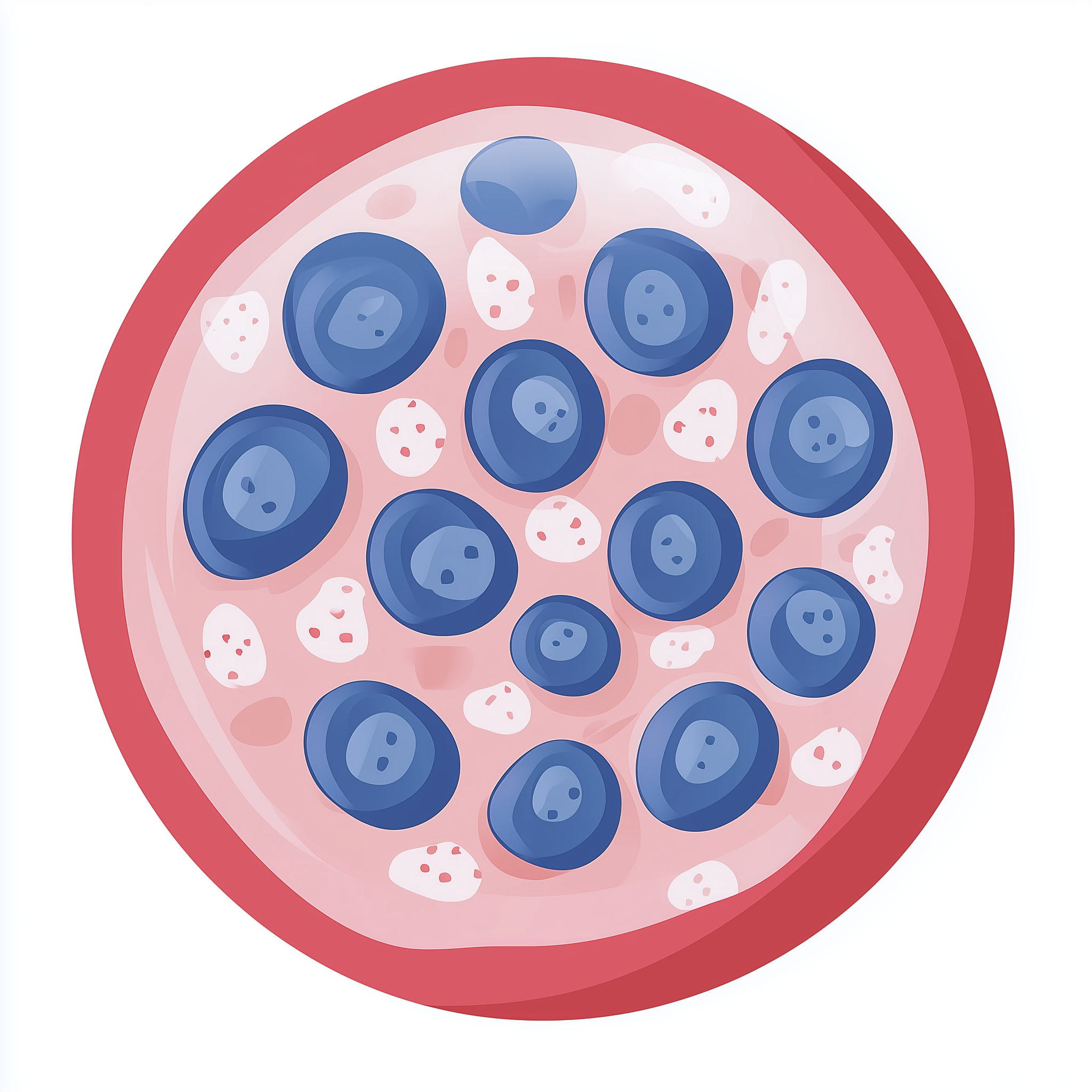
Unlike healthy red blood cells that remain flexible and disc-shaped throughout their typical lifespan, sickled cells are fragile and break down prematurely. This rapid destruction leads to chronic anaemia, whilst the sickling process itself triggers painful vaso-occlusive crises and progressive damage to multiple organ systems. Although sickle cell disease presents significant health challenges, advances in early detection, preventive care, and treatment have substantially improved outcomes for affected individuals over recent decades.
The condition shows marked clinical variability, with some individuals experiencing frequent complications whilst others have relatively mild symptoms. Factors influencing disease severity include the specific genetic changes involved, levels of foetal haemoglobin (which resists sickling), and various environmental and lifestyle factors. Early diagnosis through newborn screening, combined with comprehensive care from specialist multidisciplinary teams, forms the cornerstone of modern management within the NHS Genomic Medicine Service.
Symptoms & clinical features
Clinical features of sickle cell disease typically emerge after the first few months of life, once foetal haemoglobin levels decline and adult haemoglobin becomes predominant. The hallmark symptom is recurrent episodes of severe pain, known as vaso-occlusive crises or pain crises, which occur when sickled cells block blood vessels. These episodes can affect any part of the body but commonly involve the bones, chest, and abdomen, with pain lasting from hours to several days. The frequency of crises varies considerably between individuals, from several times yearly to monthly or more.
Chronic anaemia causes persistent fatigue, weakness, and pallor, as the body cannot maintain adequate numbers of functioning red blood cells. Affected individuals often experience delayed growth during childhood and delayed onset of puberty compared with their peers. Jaundice (yellowing of the eyes and skin) occurs frequently due to the breakdown of damaged red blood cells, which releases bilirubin into the bloodstream. Many people develop an enlarged spleen during early childhood, though repeated damage often causes the organ to shrink and lose function by adulthood.
Several acute complications require urgent medical attention. Acute chest syndrome, characterised by chest pain, fever, and breathing difficulties, represents a leading cause of hospitalisation and can be life-threatening. Stroke can affect children with sickle cell disease, causing sudden weakness, speech difficulties, or loss of consciousness. Rapid deterioration in anaemia may occur during infections or if the spleen temporarily sequesters large numbers of red blood cells. Priapism (painful, prolonged erections) affects many males with the condition and requires prompt treatment to prevent permanent damage. These varied presentations reflect the widespread impact of impaired blood flow and oxygen delivery throughout the body.
Video: Genetics 101
Affected organs
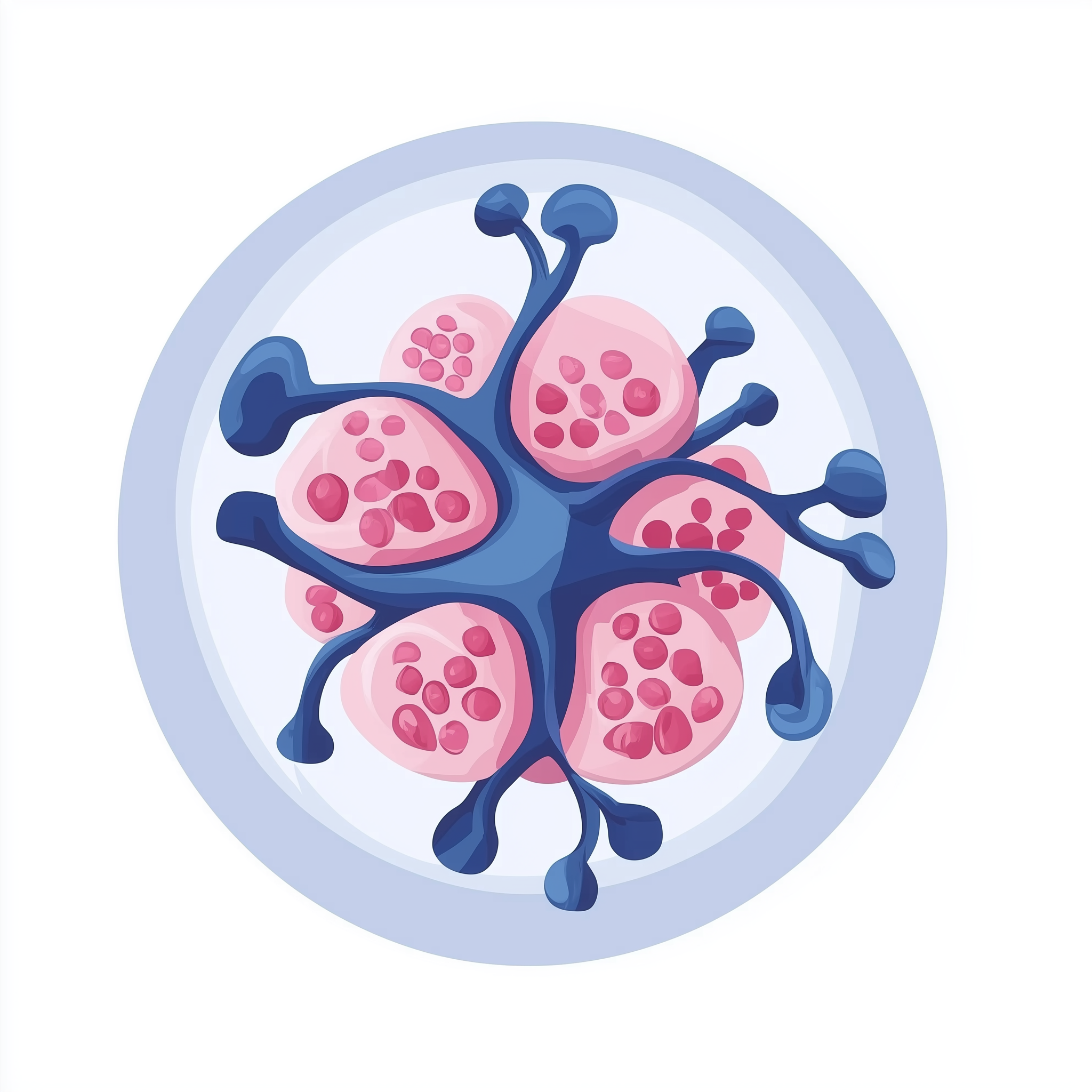
Sickle cell disease is a systemic condition affecting virtually every organ system, though certain areas show particular vulnerability to damage. The spleen typically suffers early injury, with repeated sickling episodes causing infarction (tissue death due to blocked blood supply) that usually results in a non-functional spleen by late childhood. This loss of splenic function significantly increases susceptibility to certain bacterial infections, particularly from encapsulated organisms such as pneumococcus. The bones and bone marrow experience chronic stress from both repeated vaso-occlusive episodes and increased red blood cell production, leading to bone pain, avascular necrosis (death of bone tissue), and weakened bone structure.
The cardiovascular and pulmonary systems face substantial long-term challenges. The heart must work harder to compensate for chronic anaemia, potentially leading to enlargement and eventual heart failure in some individuals. The lungs can develop pulmonary hypertension and chronic lung disease from repeated acute chest syndrome episodes. The kidneys frequently sustain progressive damage, with many adults developing chronic kidney disease requiring careful monitoring. The eyes are vulnerable to retinal damage from small vessel blockages, potentially causing vision impairment. The brain faces elevated stroke risk, particularly in childhood, whilst repeated silent infarcts can affect cognitive function. The liver may develop complications from iron overload (due to transfusions or increased iron absorption) and chronic bile duct changes. This multi-system involvement necessitates coordinated care from various medical specialties throughout an affected person's life.
Risks & severity
Disease severity varies considerably among individuals with sickle cell disease, ranging from relatively mild courses with infrequent complications to severe presentations requiring regular hospital admissions. Several factors influence this variability, including the specific genetic changes present, levels of foetal haemoglobin (higher levels generally correlate with milder disease), and genetic modifiers that affect red blood cell characteristics. Environmental factors such as dehydration, extreme temperatures, high altitude, and infections can trigger sickling and precipitate crises.
Life expectancy has improved substantially with modern care. Individuals born in recent decades and receiving comprehensive specialist care have benefited from advances in treatment and supportive measures. Historically, many children did not survive past early childhood due to overwhelming infections or acute complications, but newborn screening, prophylactic antibiotics, and vaccination programmes have dramatically reduced early mortality. Long-term risks include progressive organ damage affecting the kidneys, heart, lungs, and eyes, with cumulative complications increasing with age. Acute life-threatening events can occur at any age, including stroke, acute chest syndrome, and overwhelming infections, necessitating ongoing vigilance and rapid access to specialist care. Women with sickle cell disease face additional considerations during pregnancy, as the physiological demands can increase complication rates for both mother and baby, requiring enhanced monitoring throughout gestation.
Genetic causes
Sickle cell disease results from pathogenic variants in HBB, the gene providing instructions for producing beta-globin, one of the two protein subunits forming adult haemoglobin. The beta-globin protein combines with alpha-globin chains to create haemoglobin molecules that transport oxygen from the lungs to tissues. The most common pathogenic variant, known as the sickle mutation or HbS, involves a single nucleotide change that replaces one amino acid (glutamic acid) with another (valine) at position six of the beta-globin chain.
This seemingly small change has profound consequences for protein behaviour. In low-oxygen environments, the altered haemoglobin molecules aggregate into long, rigid polymers. These polymers distort the normally flexible, disc-shaped red blood cell into the characteristic sickle or crescent configuration. Cells with this abnormal shape cannot navigate narrow capillaries as efficiently as healthy cells, producing blockages that restrict blood flow and trigger the cascade of complications seen in the condition. The abnormal cells also have fragile membranes that break down prematurely, contributing to chronic anaemia.
Whilst the HbS variant causes the most common and typically most severe form of sickle cell disease, other HBB variants can cause related conditions when inherited in various combinations. For example, inheriting one HbS variant and one HbC variant (another pathogenic change in HBB) causes haemoglobin SC disease, which generally produces milder symptoms than two HbS variants. Inheriting one HbS variant alongside a beta-thalassaemia variant (which reduces beta-globin production) causes sickle beta-thalassaemia, with severity depending on whether any normal beta-globin is produced. These different combinations explain why sickle cell disease represents a spectrum of related conditions rather than a single entity.
- HBB hemoglobin subunit beta
Inheritance pattern
Sickle cell disease follows an autosomal recessive inheritance pattern, meaning an affected individual has inherited a pathogenic HBB variant from each parent. Each parent typically carries one working copy of HBB and one variant copy, a state called sickle cell trait. People with sickle cell trait generally remain healthy and experience no symptoms under normal circumstances, though they can pass the variant to their children. When both parents have sickle cell trait, each pregnancy carries a 25% (one in four) chance of producing a child with sickle cell disease, a 50% (two in four) chance of a child with sickle cell trait, and a 25% chance of a child inheriting two working gene copies.
Carrier frequencies are elevated in certain populations. This pattern reflects an evolutionary advantage: carrying one sickle variant provides some protection against severe malaria, which has been endemic in regions of Africa, the Mediterranean, Middle East, and parts of Asia for millennia. This protective effect meant that individuals with sickle cell trait were more likely to survive to reproductive age in malaria-affected regions, causing the variant to become more common in these populations over many generations. When family origins include these populations, genetic counselling before or during pregnancy can help couples understand their carrier status and the potential implications for their children. Importantly, sickle cell trait itself is not a disease and requires no treatment, though knowing one's carrier status enables informed reproductive choices.
When both parents are carriers, each child has a 25% chance of being affected, 50% of being a carrier, and 25% of being unaffected.
Diagnosis & testing
Sickle cell disease is identified through newborn bloodspot screening, offered to all babies in the UK as part of the routine NHS newborn screening programme. A small blood sample, typically taken when the baby is five days old, undergoes testing for multiple conditions including sickle cell disease and other haemoglobin disorders. This early detection enables prompt initiation of preventive measures, including prophylactic antibiotics and vaccinations, before complications develop. Parents receive results within six to eight weeks, with abnormal results communicated sooner alongside referral to specialist paediatric haematology services.
For individuals not diagnosed at birth, or when later confirmation is needed, several laboratory tests establish the diagnosis. Haemoglobin electrophoresis or high-performance liquid chromatography (HPLC) separates different haemoglobin types and quantifies their proportions, identifying abnormal haemoglobin variants and distinguishing between sickle cell disease and sickle cell trait. Full blood count reveals characteristic changes including anaemia and abnormally shaped red blood cells visible under microscopy. Genetic testing of HBB can identify the specific pathogenic variants present, which helps predict disease severity and guides genetic counselling for family members. Within the NHS Genomic Medicine Service, sickle cell disease falls under multiple R-codes depending on the clinical context, with testing accessible through both the NHS Sickle Cell and Thalassaemia Screening Programme and specialist haematology clinics. Prenatal diagnosis is available for at-risk pregnancies, typically performed through chorionic villus sampling or amniocentesis when both parents are known carriers, allowing families to make informed decisions about continuing the pregnancy.
Management & lifestyle
Comprehensive management of sickle cell disease requires coordinated care from specialist multidisciplinary teams, typically centred in regional haemoglobinopathy centres with expertise in this complex condition. Preventive strategies form the foundation of care, beginning in infancy with daily penicillin prophylaxis to reduce infection risk from encapsulated bacteria (as the spleen loses function). Affected individuals require an enhanced vaccination schedule including pneumococcal, meningococcal, Haemophilus influenzae type b, and annual influenza vaccines. Folic acid supplementation supports the increased red blood cell production demanded by chronic anaemia. Hydroxycarbamide (hydroxyurea) represents a key disease-modifying therapy that increases foetal haemoglobin levels, reducing sickling frequency and decreasing pain crises, acute chest syndrome, and the need for transfusions in many individuals.
Regular monitoring enables early detection of complications before they become severe. Children undergo annual transcranial Doppler ultrasound screening to identify those at high stroke risk, who may benefit from chronic transfusion programmes. Routine ophthalmology examinations screen for retinal damage, whilst kidney function monitoring detects early signs of renal impairment. Adults require surveillance for pulmonary hypertension, cardiac complications, and various other organ effects. During acute pain crises, prompt analgesia represents the primary intervention, often requiring strong pain relief and sometimes hospital admission for intravenous medications and hydration. Acute chest syndrome necessitates aggressive treatment including antibiotics, oxygen, and potentially transfusion. Blood transfusions play various roles, from treating severe acute anaemia to chronic transfusion programmes preventing stroke in high-risk children, though they require careful monitoring for iron overload and antibody development.
Haematopoietic stem cell transplantation (bone marrow transplant) offers the only current cure for sickle cell disease but carries significant risks and is typically reserved for severely affected individuals with suitable donors. Gene therapy approaches are emerging as promising alternatives, with several trials showing encouraging results, though these treatments remain largely investigational within the NHS. Lifestyle modifications can help reduce crisis frequency: maintaining good hydration, avoiding extreme temperatures, prompt treatment of infections, and minimising other known triggers where possible. However, these measures cannot prevent all complications, and prompt medical attention during acute events remains essential. Transition from paediatric to adult services requires careful planning, as young adults face particular challenges adapting to self-management whilst navigating education, employment, and relationships with this lifelong condition. Genetic counselling supports informed reproductive choices, including discussing options such as preimplantation genetic testing for couples wishing to avoid passing the condition to children.
UK care pathway
Within the NHS, sickle cell disease care follows established pathways coordinated through regional haemoglobinopathy centres and specialist haematology services. All newborns in England undergo screening for sickle cell disease as part of the national NHS Newborn Blood Spot Screening Programme, with similar programmes operating across the other UK nations. Affected infants are rapidly referred to specialist paediatric teams who initiate preventive measures and establish long-term care plans. The NHS Sickle Cell and Thalassaemia Screening Programme also offers antenatal carrier screening to at-risk pregnant women and their partners, enabling informed reproductive choices.
Genetic testing for suspected cases or family cascade screening falls under various PanelApp panels depending on clinical presentation, including the haemoglobinopathies virtual gene panel. Referral to specialist services typically occurs through primary care, midwifery services (for antenatal cases), or paediatric teams, with clinical genetics input available when genetic counselling is needed for family planning or complex scenarios. The NHS Genomic Medicine Service provides a framework for coordinated genetic testing, interpretation, and counselling, ensuring families receive accurate information about inheritance, recurrence risks, and reproductive options. Specialist haemoglobinopathy nurses serve as key contacts for ongoing support, education, and care coordination throughout an affected individual's life, helping navigate the multiple specialties involved in comprehensive management.
Frequently asked questions
Can someone with sickle cell disease have children, and what are the risks?
People with sickle cell disease can have children, though women may face increased health risks during pregnancy requiring enhanced monitoring. Each child of an affected parent will inherit one sickle variant; whether the child develops the disease depends on the other parent's HBB status. Genetic counselling can clarify risks and discuss options including partner carrier testing and prenatal diagnosis.
Will my child with sickle cell disease be able to attend school normally?
Most children with sickle cell disease attend mainstream school, though they may require occasional absences for medical appointments or during pain crises. Schools should be informed of the diagnosis so they can support hydration needs, recognise when a child feels unwell, and understand that physical limitations may vary. With appropriate support and communication between parents, medical teams, and educators, most affected children participate fully in education.
What triggers a pain crisis and can they be prevented?
Pain crises can be triggered by dehydration, infections, cold weather, stress, overexertion, or high altitude, though sometimes they occur without obvious cause. Whilst maintaining good hydration, treating infections promptly, staying warm, and avoiding known triggers may reduce crisis frequency, no strategy prevents all episodes. Hydroxycarbamide therapy has been shown to decrease crisis frequency in many individuals when taken regularly.
Is sickle cell disease the same across all affected individuals?
Disease severity varies considerably between individuals, with some experiencing frequent complications whilst others have relatively mild symptoms. Factors influencing severity include foetal haemoglobin levels, the specific genetic variants present, other genetic modifiers, and environmental factors. Regular specialist monitoring helps tailor management to each person's specific needs and complication pattern.
Does having sickle cell trait mean I will develop sickle cell disease later?
No, sickle cell trait is not a mild form of the disease and does not progress to sickle cell disease. People with sickle cell trait have one working HBB copy that produces enough normal haemoglobin to prevent sickling under ordinary conditions, and they typically remain healthy throughout life. The significance of carrier status relates primarily to reproductive planning and understanding the potential for having affected children.
References
- Gravitz L, Pincock S. Sickle-cell disease. Nature. 2014. PMID: 25390134
- Varelas C, Gavriilaki E. Sickle Cell Disease: Current Understanding and Future Options. Journal of clinical medicine. 2023. PMID: 37762884
- Inusa B, Popoola J, Wonkam A. Sickle Cell Disease. The New England journal of medicine. 2017. PMID: 28723335
- Piel FB, Steinberg MH, Rees DC. Sickle Cell Disease. The New England journal of medicine. 2017. PMID: 28723338
- Bibas M. Sickle Cell Disease. The New England journal of medicine. 2017. PMID: 28723336
- Lionnet F, Haymann JP, Bachmeyer C. Sickle Cell Disease. The New England journal of medicine. 2017. PMID: 28723337
- Carreras E, Dufour C, Mohty M. Hemoglobinopathies (Sickle Cell Disease and Thalassemia). 2019. PMID: 32091749
- Khan MI, Patel N, Meda RT. Sickle Cell Disease and Its Respiratory Complications. Cureus. 2022. PMID: 36185937