

On this page
Paroxysmal non-kinesigenic dyskinesia
Episodes of twisting, jerking or writhing movements typically begin in childhood or adolescence and can last from minutes to hours. People are usually well between attacks. Alcohol, caffeine and stress are commonly reported triggers. It is generally caused by variants in PNKD.
Overview
Paroxysmal non-kinesigenic dyskinesia (PNKD) is a rare movement disorder. A dyskinesia is an involuntary movement, and "paroxysmal" means it comes in sudden, short-lived episodes. "Non-kinesigenic" means the attacks are not typically brought on by a sudden voluntary movement, which helps distinguish it from related conditions.
The condition runs in families and is listed in OMIM as entry 118800. Exact prevalence is not well established, and it is generally described as rare. It is often under-recognised, partly because people appear completely well between attacks and episodes may be mistaken for seizures or functional movement problems.
Although the attacks can be distressing and disruptive, the condition is generally not thought to shorten life or cause progressive neurological decline. Understanding the pattern of attacks and their triggers can help families and clinicians reach a diagnosis.
Symptoms & clinical features
Attacks typically involve dystonia (sustained muscle contractions causing twisting or abnormal postures), chorea (irregular, flowing, dance-like movements), or a mixture of both. They may affect one limb, one side of the body, the face or the whole body. Speech can become slurred or difficult during an attack, and some people report a sense of tightness or an odd sensation just beforehand.
Episodes commonly last from several minutes to a few hours, which is longer than in paroxysmal kinesigenic dyskinesia. Frequency varies widely, from several attacks a day to only a few per year. Awareness is generally preserved throughout, and neurological examination between attacks is typically normal.
Reported triggers include alcohol, caffeine, tiredness, emotional stress and hunger. Many people also describe that sleep or rest can bring an attack to an end. Symptoms often begin in infancy or childhood, and may become less frequent in adulthood for some, though patterns differ between individuals and families.
Video: Genetics 101
Affected organs
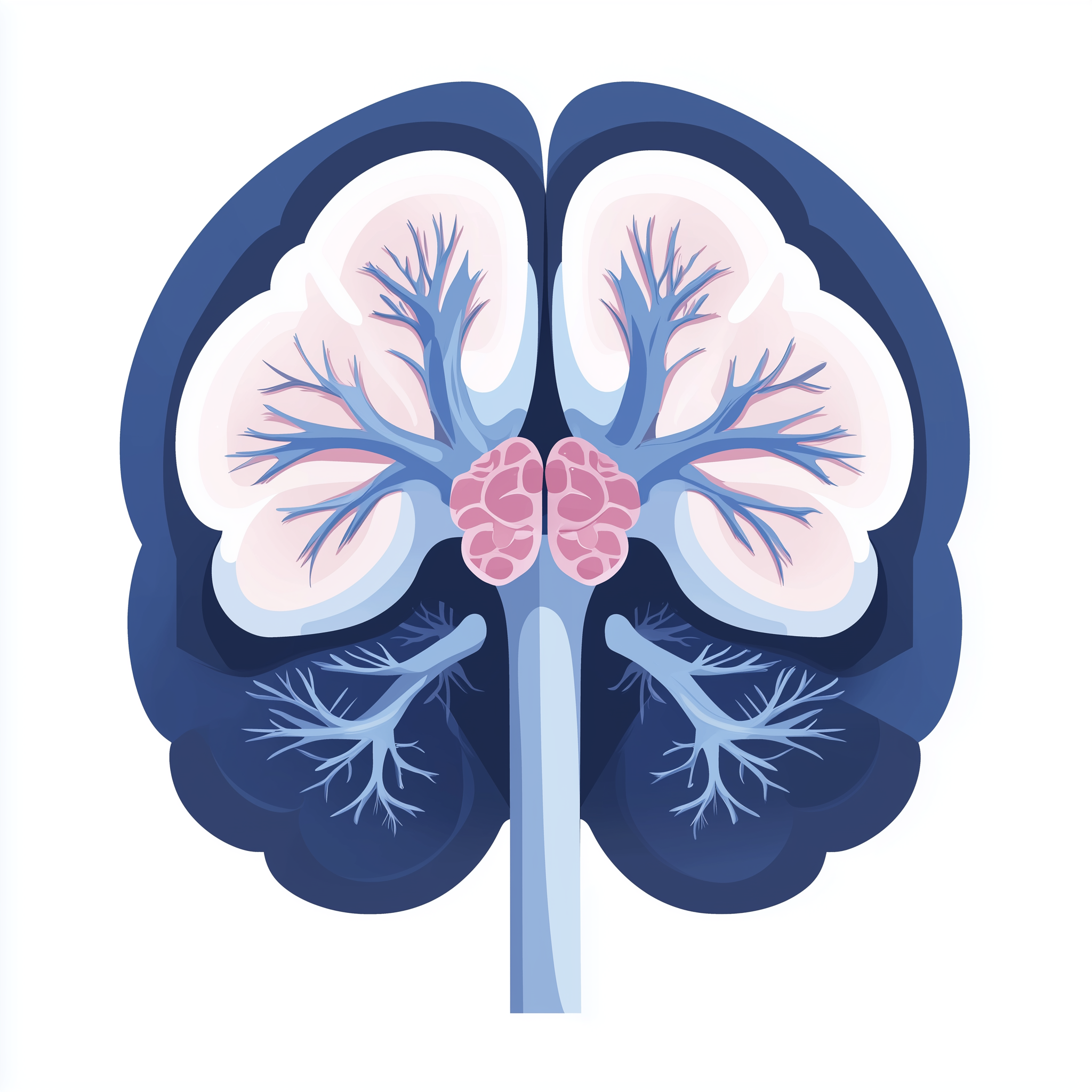
The condition primarily involves the nervous system, specifically the brain circuits that control voluntary movement, including the basal ganglia. Research suggests the problem is one of brain cell signalling rather than visible structural damage, and brain scans are typically normal. Other organ systems are not generally affected.
Risks & severity
Severity varies considerably, even within one family. Some people have rare, mild attacks, while others have frequent attacks that interfere with school, work, driving or social life. Falls or injury during an attack are possible, and the unpredictability can affect confidence and emotional wellbeing.
The condition is not generally associated with intellectual disability or progressive neurological deterioration. Because published case numbers are small, firm estimates of how attack frequency changes over a lifetime are limited, and individual outlook is best discussed with a specialist.
Genetic causes
The best-established cause is a change in PNKD, which provides instructions for a protein found in brain tissue. Recurrent missense variants (single-letter DNA changes that swap one amino acid for another) near the start of the protein have been reported in affected families. The protein is related to a family of enzymes that handle small metabolic molecules, and evidence suggests it helps regulate how nerve cells release chemical messengers.
The precise way PNKD variants lead to attacks is not fully understood. Studies indicate that altered protein function may make nerve signalling more sensitive to triggers such as alcohol and caffeine, which could explain why those exposures are commonly reported.
Not every person with this clinical pattern has a PNKD variant. Other genes have been described in people with similar episodic movement disorders, so genetic testing is often done as part of a wider panel.
- PNKD PNKD metallo-beta-lactamase domain containing
Inheritance pattern
PNKD-related dyskinesia follows an autosomal dominant pattern. This means a single altered copy of the gene, out of the two everyone carries, is enough to cause the condition. A person with a pathogenic variant has a 1 in 2 (50%) chance of passing it on in each pregnancy, regardless of the child's sex.
Relatives may or may not have inherited the variant. Penetrance (the chance that a carrier develops symptoms) can be reduced and symptoms can differ widely, so a relative with mild or no noticeable attacks may still carry the variant. A genetic counsellor can explain what this means for individual family members.
Each child of an affected parent has a 50% chance of inheriting the pathogenic variant, regardless of sex.
Diagnosis & testing
Diagnosis is generally based on a careful history of the attacks, ideally supported by home video, together with a normal examination between episodes. Doctors usually consider other causes of episodic symptoms, including epilepsy, other paroxysmal dyskinesias and episodic ataxias.
Genetic testing can confirm the diagnosis. In the NHS, testing is usually arranged through a neurologist or clinical genetics service under the NHS Genomic Medicine Service, using a gene panel from the National Genomic Test Directory for relevant movement or paroxysmal neurological disorders. The specific R-code applied depends on the clinical picture and is confirmed by the referring team.
Management & lifestyle
Management is individualised and led by neurology, often with clinical genetics input. Many people find that recognising and limiting personal triggers is a useful part of care. Some medicines have been reported in the literature to reduce attack frequency or severity in some people, but responses vary, and decisions about treatment are made with a specialist.
Support may also include advice on safety during attacks, school or workplace adjustments, and emotional support. A genetic counsellor can help with family planning and testing of relatives.
UK care pathway
In the UK, people with suspected paroxysmal dyskinesia are usually referred by a GP or neurologist to a neurology or clinical genetics service. Testing is delivered through NHS Genomic Medicine Service laboratories, and PanelApp gene panels linked to National Genomic Test Directory R-codes define which genes are analysed.
Genetic counsellors are available through regional clinical genetics services to discuss results, inheritance and testing for relatives. Anyone who wishes to explore this route can ask their GP or specialist about a referral.
Frequently asked questions
How is this different from epilepsy?
Attacks are generally episodes of abnormal movement with awareness preserved, whereas many seizures alter consciousness. Because the two can look alike, a neurologist may arrange tests such as EEG to help tell them apart.
Will my child inherit it?
If a parent carries a PNKD variant, each child has a 1 in 2 chance of inheriting it. Symptoms and severity can vary, so a genetic counsellor can explain what a result may mean for your family.
Do alcohol and caffeine really trigger attacks?
Many people with the condition report them as common triggers, and research supports this pattern. Triggers differ between individuals, so keeping a diary of attacks can help a specialist understand your own pattern.
Does it get worse with age?
The condition is not generally considered progressive. Some people notice attacks becoming less frequent over time, while others do not, so the course is difficult to predict for any one person.
References
- Mandigers PJJ, Santifort KM, Lowrie M. Canine paroxysmal dyskinesia-a review. Frontiers in veterinary science. 2024. PMID: 39119350
- Karakis I, Cole AJ, Hoch DB. Extrapyramidal epilepsy. Epileptic disorders : international epilepsy journal with videotape. 2011. PMID: 21561840
- Xu Z, Lim CK, Tan LCS. Paroxysmal Movement Disorders: Recent Advances. Current neurology and neuroscience reports. 2019. PMID: 31187296
- Zittel S, Ganos C, Münchau A. Fatal paroxysmal non-kinesigenic dyskinesia. European journal of neurology. 2015. PMID: 25572910
- Liatis T, Maeso C, De Stefani A. Phenotypic characteristics of paroxysmal dyskinesia in 25 cats. The Journal of small animal practice. 2026. PMID: 41881802
- Latorre A, Bhatia KP. Treatment of Paroxysmal Dyskinesia. Neurologic clinics. 2020. PMID: 32279719
- Gonzalez-Alegre P, Ammache Z, Davis PH. Moyamoya-induced paroxysmal dyskinesia. Movement disorders : official journal of the Movement Disorder Society. 2003. PMID: 14502675
- van Rootselaar AF, Schade van Westrum S, Velis DN. The paroxysmal dyskinesias. Practical neurology. 2009. PMID: 19289562