

On this page
Paroxysmal kinesigenic dyskinesia
Episodes last seconds to minutes and usually begin in childhood or adolescence. Between attacks, neurological examination is typically normal. Many families inherit the condition in an autosomal dominant pattern, and symptoms often ease with age.
Available at Jeen Health
Clinical tests that include this
Overview
Paroxysmal kinesigenic dyskinesia (PKD) is a rare movement disorder. 'Paroxysmal' means the symptoms come in sudden, brief episodes. 'Kinesigenic' means a movement triggers them, and 'dyskinesia' means unwanted, involuntary movement. Between episodes, people usually feel and move normally.
PKD typically starts in childhood or the teenage years. It is classed as rare, and exact prevalence is not well established. It can run in families or appear in someone with no known family history. It is listed in OMIM as entry 128200.
The condition is not generally life-threatening and does not usually cause progressive neurological decline. It can still affect school, work, sport and confidence, particularly if attacks happen in public or during activities such as crossing a road.
Symptoms & clinical features
The hallmark is a short attack of involuntary movement brought on by a sudden action, such as standing up quickly, starting to run, or reacting to a loud noise or surprise. Attacks may involve sustained muscle posturing (dystonia), jerky, dance-like movements (chorea), or a mix. They can affect one side of the body or both, and the arms, legs, face or trunk may be involved.
Episodes are usually brief, often lasting seconds up to a minute or two, and may occur many times a day. Many people notice a warning sensation beforehand, sometimes described as tingling or tightness in the affected limb. Consciousness is generally preserved during attacks, which helps clinicians tell PKD apart from many types of seizure.
Some individuals, or relatives in the same family, have other episodic conditions linked to the same gene. These include seizures in infancy and migraine, sometimes with temporary weakness on one side of the body. Symptom patterns can differ considerably even within one family.
Video: Genetics 101
Affected organs
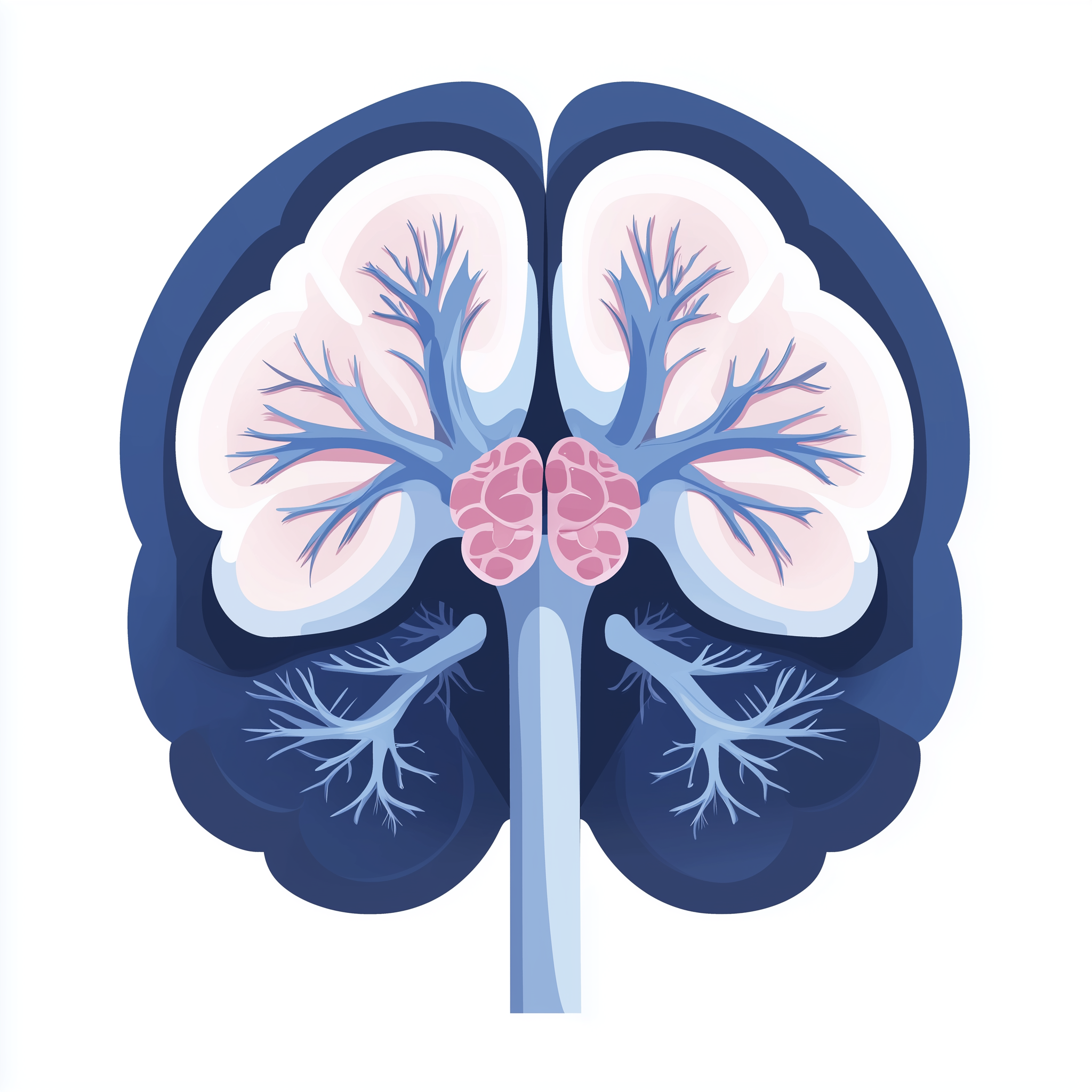
PKD mainly involves the nervous system, specifically the brain circuits that control movement, including the basal ganglia and cerebellum. Muscles and joints are structurally normal, and the movements arise from abnormal nerve signalling rather than muscle disease.
When related features occur, they also reflect altered brain excitability, for example infant seizures or migraine. Other organs are not typically affected.
Risks & severity
Severity varies widely. Some people have a few mild attacks a week, while others have many daily episodes that interfere with daily life. Onset is commonly between about 5 and 15 years of age. Attacks often become less frequent in adulthood, and some people experience remission, although this is not guaranteed.
Only some people who carry a PRRT2 variant develop symptoms, a feature called reduced penetrance. Individuals in one family may have PKD, infant seizures, migraine, or no symptoms at all. Reliable individual-level risk figures are limited, so a genetics team can discuss what is known for a specific variant and family.
Genetic causes
Variants in PRRT2 are the best-established genetic cause of PKD. PRRT2 provides instructions for a protein found in nerve cells, where it is thought to help regulate the release of chemical messengers at synapses (the junctions between neurons). Evidence also suggests it influences how voltage-gated sodium channels behave, which affects how easily neurons fire.
Most pathogenic PRRT2 variants lead to a shortened, non-functional protein or to too little protein being made. A single recurrent change is found in a large proportion of affected families. This is thought to cause haploinsufficiency, meaning one working copy of the gene does not provide enough protein for normal neuronal stability. The result may be brief bursts of over-excitability in movement-related brain circuits.
Not everyone with PKD has a detectable PRRT2 variant, which suggests other genes or mechanisms exist. Some people carry a larger deletion on chromosome 16 (16p11.2) that includes PRRT2.
- PRRT2 proline rich transmembrane protein 2
Inheritance pattern
PKD linked to PRRT2 follows an autosomal dominant pattern. This means a change in one copy of the gene is enough to cause the condition. A parent with a pathogenic variant has a 1 in 2 (50%) chance of passing it to each child, regardless of the child's sex.
Because of reduced penetrance and variable features, a parent may carry the variant without obvious symptoms. Occasionally a variant arises for the first time in the affected person (a de novo change). Relatives may be offered testing through a clinical genetics service, which can also explain what a result would and would not mean.
Each child of an affected parent has a 50% chance of inheriting the pathogenic variant, regardless of sex.
Diagnosis & testing
Diagnosis is usually clinical, based on the pattern of attacks: a clear movement trigger, short duration, preserved awareness, and onset in childhood or adolescence. Neurologists often review video recordings of attacks. Tests such as brain imaging or EEG (a recording of brain electrical activity) may be used to exclude other causes, and are often normal in PKD.
Genetic testing for PRRT2 can support the diagnosis. Within the NHS Genomic Medicine Service, testing is generally arranged through a neurologist or clinical genetics team using the National Genomic Test Directory. Relevant R-codes cover paroxysmal and movement disorder gene panels, and the current code can be confirmed with the referring team. A negative result does not rule out PKD.
Management & lifestyle
Care is typically led by a neurologist, sometimes alongside paediatric neurology and clinical genetics. Many people find that attacks respond well to certain anti-seizure medicines taken regularly, but whether any treatment is suitable is an individual decision for the treating clinician.
Practical measures may include recognising personal triggers, slowing down sudden movements, and planning for safety during activities such as swimming or cycling. Some families find stress and tiredness make episodes more likely, although evidence on lifestyle factors is limited. Follow-up generally reviews how often attacks occur and how they affect daily life.
UK care pathway
In England, genomic testing for suspected PKD is commissioned through the NHS Genomic Medicine Service and listed in the National Genomic Test Directory. Genes included in testing are guided by Genomics England PanelApp panels, which are reviewed by experts. A GP, neurologist or paediatrician can refer to a regional clinical genetics service.
Genetic counsellors can explain results, discuss inheritance and family testing, and talk through reproductive options. Devolved nations have comparable pathways through their own genomic services.
Frequently asked questions
Will my child grow out of paroxysmal kinesigenic dyskinesia?
Attacks often become less frequent or stop in adulthood, but this varies and cannot be predicted for an individual. A neurologist can discuss what is typical and monitor how symptoms change.
Is paroxysmal kinesigenic dyskinesia the same as epilepsy?
No. Awareness is generally preserved during attacks, and they are triggered by sudden movement. However, PRRT2 variants can also be linked to infant seizures, so the two sometimes occur in the same family.
If I carry a PRRT2 variant, will my children have it?
Each child has a 1 in 2 (50%) chance of inheriting it, because the condition is autosomal dominant. Not everyone who inherits it develops symptoms, and features can differ between family members.
Can I be referred for genetic testing on the NHS?
A GP or neurologist can generally refer you to a clinical genetics service. They will check whether testing meets National Genomic Test Directory criteria and arrange genetic counselling alongside any test.
References
- Mandigers PJJ, Santifort KM, Lowrie M. Canine paroxysmal dyskinesia-a review. Frontiers in veterinary science. 2024. PMID: 39119350
- Adam MP, Bick S, Mirzaa GM. PRRT2-Related Disorder. 1993. PMID: 29334453
- Magrinelli F, Bhatia KP. Paroxysmal movement disorders. Handbook of clinical neurology. 2024. PMID: 39174246
- Paucar M, Malmgren H, Svenningsson P. Paroxysmal Kinesigenic Dyskinesia. Tremor and other hyperkinetic movements (New York, N.Y.). 2017. PMID: 29276650
- Adam MP, Bick S, Mirzaa GM. CLCN2-Related Leukoencephalopathy. 1993. PMID: 26539602
- Waln O, Jankovic J. Paroxysmal movement disorders. Neurologic clinics. 2015. PMID: 25432727
- Xu JJ, Li HF, Wu ZY. Paroxysmal Kinesigenic Dyskinesia: Genetics and Pathophysiological Mechanisms. Neuroscience bulletin. 2024. PMID: 38091244
- Harvey S, King MD, Gorman KM. Paroxysmal Movement Disorders. Frontiers in neurology. 2021. PMID: 34177764