

On this page
Nephrogenic diabetes insipidus (X-linked)
This rare inherited condition primarily affects males, causing the kidneys to excrete large amounts of dilute urine. Individuals typically experience excessive thirst and frequent urination from an early age, requiring careful management of fluid balance.
Available at Jeen Health
Clinical tests that include this
Overview
Nephrogenic diabetes insipidus (X-linked) is a condition where the kidneys cannot respond to vasopressin, a hormone also known as antidiuretic hormone (ADH). Vasopressin signals the kidneys to reabsorb water, which helps to concentrate urine. In individuals with this condition, the kidneys do not receive this signal, resulting in the continuous excretion of large volumes of dilute urine, regardless of the body's hydration needs.
Symptoms typically become apparent from birth or in early infancy. Without careful management, the constant loss of water can lead to dehydration, particularly in very young children who may struggle to express thirst or access fluids independently. The term 'diabetes' in this context refers to the excessive urination, which is similar to diabetes mellitus, but it is not related to blood sugar levels.
Symptoms & clinical features
The main symptoms of nephrogenic diabetes insipidus (X-linked) are polyuria, which is passing unusually large amounts of urine, and polydipsia, meaning excessive thirst. These signs are often noticeable in infancy; affected babies may have very wet nappies and appear irritable due to dehydration. Other early symptoms can include poor feeding, vomiting, and constipation.
Older children and adults commonly experience significant thirst and frequent urination, including waking up multiple times during the night to pass urine. Despite drinking substantial amounts of fluid, they may still be at risk of dehydration. If dehydration is left untreated or poorly managed, it can potentially lead to other issues such as fever, developmental delays, and, in severe cases, seizures caused by imbalances in electrolytes.
Video: Genetics 101
Affected organs
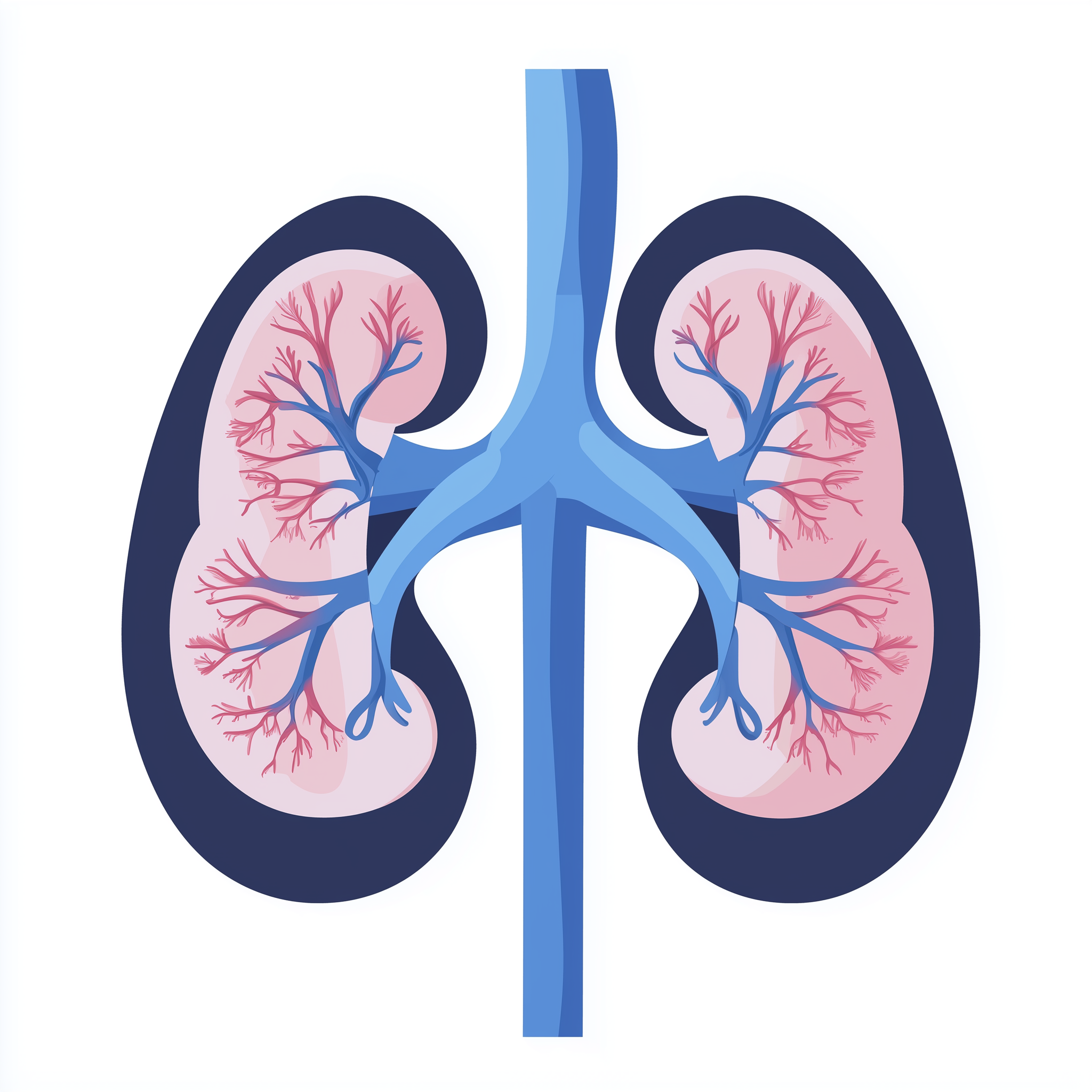
The kidneys are the main organs affected by nephrogenic diabetes insipidus (X-linked). Specifically, the renal tubules, which are tiny filtering structures within the kidneys that reabsorb essential substances like water, do not respond correctly to vasopressin. This impaired response leads to the continuous excretion of large volumes of dilute urine.
While the condition directly impacts kidney function related to water balance, long-term severe dehydration and electrolyte disturbances can indirectly affect other body systems. This includes the brain, and can potentially contribute to developmental concerns in early childhood if not managed properly.

Risks & severity
The severity of nephrogenic diabetes insipidus (X-linked) can vary, though most individuals experience significant symptoms from infancy. The primary risk is chronic or acute dehydration, which can be particularly dangerous for infants and young children. Severe dehydration can lead to electrolyte imbalances, specifically elevated sodium levels (hypernatraemia), which may cause neurological damage if not addressed [PMID:31613019].
Symptoms typically manifest shortly after birth, so there is no specific age of onset. While this condition is chronic and lifelong, individuals can generally lead full lives with careful management. However, consistent fluid intake and dietary considerations are crucial to prevent complications. Females carrying a single altered copy of the causative gene may experience milder symptoms or be asymptomatic, though some can have reduced kidney concentrating ability.
Genetic causes
Nephrogenic diabetes insipidus (X-linked) is caused by genetic changes in the AVPR2 gene. This gene provides instructions for making the arginine vasopressin receptor 2, also known as the V2 receptor. This receptor is found on the surface of kidney cells and acts as a 'docking station' for the hormone vasopressin.
Normally, when vasopressin binds to the V2 receptor, it signals kidney cells to reabsorb water from urine back into the bloodstream, helping to regulate the body's water balance. Pathogenic variants in AVPR2 lead to a faulty or absent V2 receptor. This means that even if vasopressin is present, the kidney cells cannot detect or respond to it, preventing proper water reabsorption and resulting in the excretion of excessive, dilute urine.
- AVPR2 arginine vasopressin receptor 2The AVPR2 gene encodes the arginine vasopressin receptor 2, a protein crucial for regulating the body's water balance by controlling kidney water reabsorption.
Inheritance pattern
Nephrogenic diabetes insipidus (X-linked) follows an X-linked recessive inheritance pattern. This means the AVPR2 gene is located on the X chromosome, which is one of the two sex chromosomes.
Males have one X and one Y chromosome. If a male inherits an X chromosome with a pathogenic AVPR2 variant, he will typically develop the condition because he lacks a second X chromosome to compensate. Females have two X chromosomes. If a female inherits one X chromosome with a pathogenic AVPR2 variant, she is usually a carrier and often does not show severe symptoms because her other X chromosome typically carries a working copy of the gene. However, some female carriers can experience milder symptoms, such as increased thirst and urination, depending on a process called X-inactivation [PMID:31613019]. A carrier mother has a 50% chance with each pregnancy of passing the variant to her child; sons inheriting the variant will be affected, and daughters inheriting the variant will be carriers.
X-linked recessive: sons of a carrier mother have a 50% chance of being affected. Daughters have a 50% chance of being carriers.
Diagnosis & testing
Diagnosis of nephrogenic diabetes insipidus (X-linked) is typically suspected based on characteristic symptoms like polyuria and polydipsia, especially in infancy. Clinical evaluation involves blood and urine tests to assess hydration status, electrolyte levels, and urine concentration. A 'water deprivation test' may be performed under strict medical supervision to observe how the kidneys respond to fluid restriction.
Genetic testing is used to confirm the diagnosis by identifying pathogenic variants in the AVPR2 gene. This testing is often requested by a clinical geneticist or paediatrician. In the UK, genetic testing for this condition may be accessed through the NHS Genomic Medicine Service (GMS) under relevant R-codes, following referral to a clinical genetics service. Genetic counselling is an important part of the diagnostic process, offering support and information to families.
Management & lifestyle
Management of nephrogenic diabetes insipidus (X-linked) focuses on preventing dehydration and maintaining electrolyte balance. This typically involves ensuring a high fluid intake throughout the day and night to replace lost water. In infants, this may require frequent feeds or supplemental water.
Dietary adjustments are often recommended, including a low-sodium and low-protein diet to reduce the kidney's water excretion load. Medications such as hydrochlorothiazide (a type of diuretic) may be prescribed; paradoxically, this can help reduce urine output by promoting sodium excretion and indirectly increasing water reabsorption in another part of the kidney [PMID:31613019]. Regular monitoring by a specialist paediatrician or nephrologist is essential to adjust treatment as needed and address any complications. Individuals and families are supported by the NHS through specialist clinics and genetic counselling services.
UK care pathway
In the UK, individuals suspected of having nephrogenic diabetes insipidus (X-linked) would typically be referred by their GP or another specialist to a clinical genetics service or a paediatric nephrologist. These specialists can arrange for diagnostic tests, including genetic testing through the NHS Genomic Medicine Service. Genetic counselling is provided alongside testing to explain the condition, inheritance patterns, and implications for family members. Management of the condition is usually coordinated by a specialist team within the NHS, often including a paediatrician, nephrologist, and dietitian.
Frequently asked questions
Can females get X-linked nephrogenic diabetes insipidus?
While males are typically more severely affected, some females who carry a pathogenic variant in the AVPR2 gene can experience milder symptoms, such as increased thirst and urination. The severity in females can vary due to a process called X-inactivation, where one of the two X chromosomes is randomly switched off in each cell.
Is there a cure for nephrogenic diabetes insipidus (X-linked)?
There is currently no cure for nephrogenic diabetes insipidus (X-linked). However, the condition can be effectively managed with lifelong treatment aimed at preventing dehydration and maintaining fluid and electrolyte balance. This often involves high fluid intake, dietary adjustments, and sometimes medication.
How is nephrogenic diabetes insipidus (X-linked) diagnosed in babies?
In babies, diagnosis is often suspected if they have symptoms like excessive urination, frequent wet nappies, irritability, poor feeding, and unexplained fever. Blood and urine tests, a carefully monitored water deprivation test, and genetic testing for variants in the AVPR2 gene are used to confirm the diagnosis.
What kind of diet is recommended for someone with this condition?
Individuals with nephrogenic diabetes insipidus (X-linked) are often advised to follow a low-sodium and low-protein diet. This helps to reduce the amount of waste products the kidneys need to excrete, thereby lessening the amount of water the kidneys lose and potentially helping to reduce urine output.
Can exercise be harmful for someone with nephrogenic diabetes insipidus?
People with nephrogenic diabetes insipidus (X-linked) can generally participate in exercise, but they must be extremely diligent about staying hydrated. Strenuous physical activity increases fluid loss through sweat, so it's crucial to drink plenty of fluids before, during, and after exercise to prevent dehydration.