

On this page
Nephrogenic diabetes insipidus (AR, AQP2)
This inherited renal condition results in the kidneys losing too much water, causing symptoms like extreme thirst and frequent urination. It typically presents in infancy and can affect both males and females.
Available at Jeen Health
Clinical tests that include this
Overview
Nephrogenic diabetes insipidus (NDI) is a rare disorder that primarily affects the kidneys' capacity to manage water balance within the body [PMID:25644171]. Normally, the kidneys filter waste products and excess water from the blood, but also reabsorb water back into the body to prevent dehydration. In NDI, this reabsorption process is disrupted, meaning too much water is passed out in the urine.
The condition leads to a cycle of excessive urination (polyuria) and extreme thirst (polydipsia) as the body tries to compensate for the fluid loss. If left untreated, severe dehydration can occur, particularly in infants and young children. This form of NDI is genetic, meaning it is caused by changes in specific genes.
Symptoms & clinical features
The symptoms of nephrogenic diabetes insipidus often begin shortly after birth, especially in the most severe forms. Infants may present with irritability, poor feeding, and a failure to thrive, which can be signs of dehydration [PMID:25644171]. They might also have episodes of unexplained fever or vomiting due to fluid imbalance.
Older children and adults typically experience persistent symptoms of polyuria and polydipsia. This means they pass large volumes of very dilute urine frequently, and feel an insatiable thirst, leading them to drink excessive amounts of fluid. In some cases, prolonged dehydration can lead to delayed growth or developmental concerns.
Video: Genetics 101
Affected organs
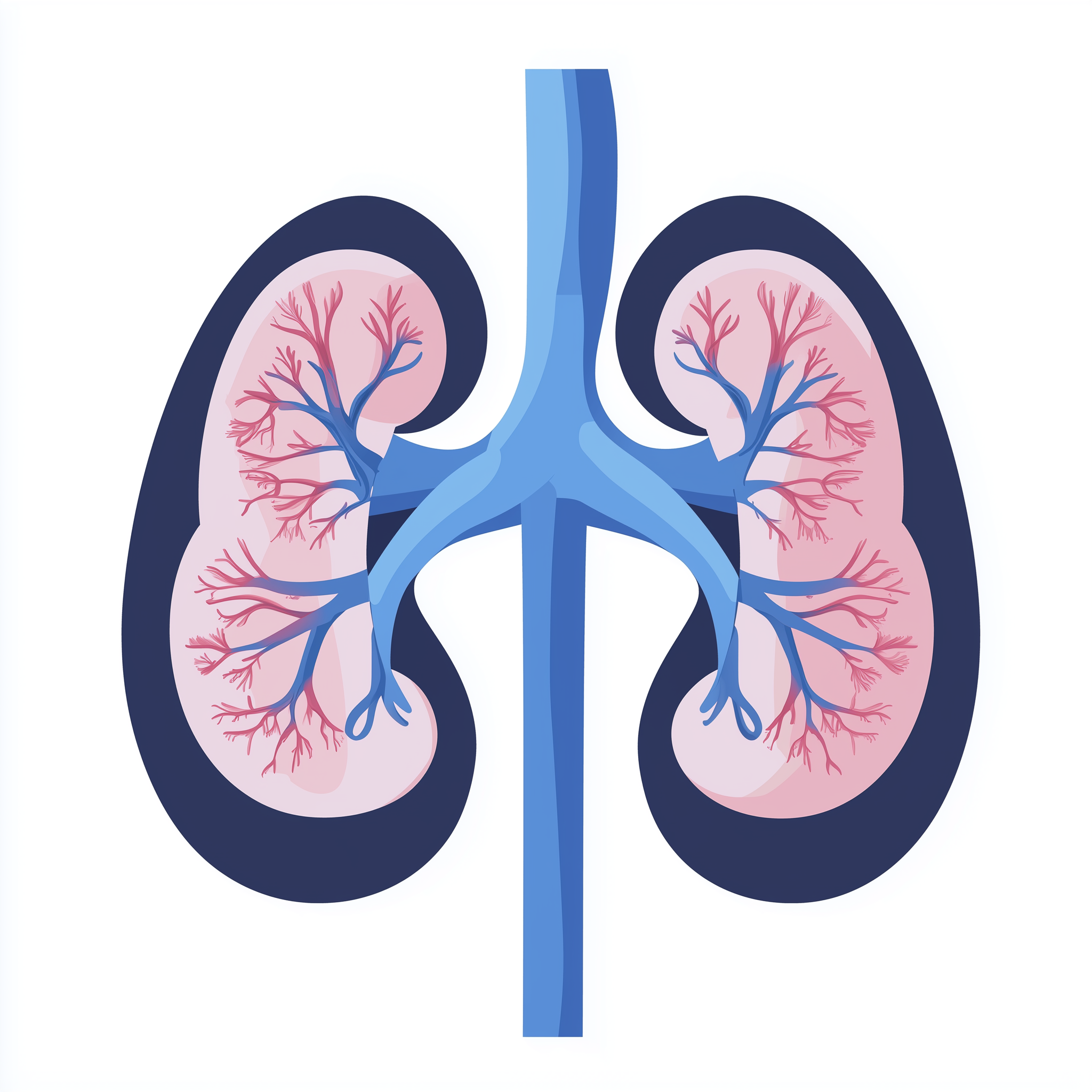
The primary organ affected in this type of nephrogenic diabetes insipidus is the kidney. Specifically, it is the collecting ducts within the kidneys that are unable to respond properly to a hormone called vasopressin (also known as antidiuretic hormone). This hormone usually signals the kidneys to reabsorb water, but in NDI, this signal is not correctly received or acted upon, leading to the excessive water loss [PMID:25644171]. Other organs are not directly affected, but severe dehydration can impact overall body function.

Risks & severity
The severity of nephrogenic diabetes insipidus can vary, though the form caused by AQP2 variants often presents in early infancy with significant symptoms. Without appropriate management, there is a risk of severe dehydration, especially in very young children, which can be life-threatening. Chronic dehydration can also contribute to issues such as growth impairment and kidney damage over time, including hydronephrosis (swelling of the kidney due to urine build-up) or calcification [PMID:25644171]. The long-term outlook with proper medical management is generally good, allowing individuals to lead relatively normal lives.
Genetic causes
This form of nephrogenic diabetes insipidus is caused by pathogenic variants in the AQP2 gene. The AQP2 gene provides instructions for making a protein called aquaporin-2, which is a water channel protein. These channels are crucial for allowing water to be reabsorbed from the urine back into the body, particularly in a part of the kidney called the collecting duct [PMID:25644171].
When there are pathogenic variants in the AQP2 gene, the aquaporin-2 protein may be non-functional, produced in insufficient amounts, or not correctly transported to the kidney cell surface. This means that even when the body produces enough vasopressin, the kidneys cannot effectively reabsorb water, leading to the hallmark symptoms of excessive urination and thirst.
- AQP2 aquaporin 2
Inheritance pattern
Nephrogenic diabetes insipidus due to AQP2 variants is inherited in an autosomal recessive pattern. This means that an individual must inherit two altered copies of the AQP2 gene - one from each parent - to develop the condition. People who have only one altered copy of the AQP2 gene are called carriers; they typically do not show symptoms of the condition themselves but can pass the altered gene copy to their children.
If both parents are carriers of a pathogenic AQP2 variant, there is a 25% chance with each pregnancy that their child will inherit two altered gene copies and develop NDI. There is also a 50% chance the child will be a carrier like their parents, and a 25% chance the child will inherit two normal gene copies and not be affected or a carrier.
When both parents are carriers, each child has a 25% chance of being affected, 50% of being a carrier, and 25% of being unaffected.
Diagnosis & testing
Diagnosis of nephrogenic diabetes insipidus is typically suspected based on clinical symptoms such as polyuria and polydipsia. Blood and urine tests can help confirm the kidneys' inability to concentrate urine and rule out other causes of excessive urination. A water deprivation test might be performed under medical supervision to further assess the kidney's response to fluid restriction.
Genetic testing is the definitive method to confirm the diagnosis of NDI caused by AQP2 variants and is available through the NHS Genomic Medicine Service. Referrals for genetic testing are usually made by a paediatrician or nephrologist. This testing involves analysing the AQP2 gene for pathogenic variants (NHS R-code: R355). Genetic counselling is often offered before and after testing to discuss the implications for the individual and their family.
Management & lifestyle
Management of nephrogenic diabetes insipidus focuses on preventing dehydration and managing symptoms. This primarily involves ensuring adequate fluid intake to replace lost water, which can be challenging, especially for infants. Children may require careful monitoring of their fluid balance. Specific dietary adjustments, such as a low-sodium and low-protein diet, can sometimes help reduce urine output.
Medications, such as thiazide diuretics, may be prescribed. Despite being diuretics (which typically increase urine output), in NDI, they can paradoxically help reduce the amount of urine produced by altering kidney function. Non-steroidal anti-inflammatory drugs (NSAIDs) may also be used in some cases to further help reduce urine volume. Regular follow-up with a renal specialist and genetic counsellor is important to optimise management and address any emerging concerns.
UK care pathway
In the UK, individuals suspected of having genetic conditions like nephrogenic diabetes insipidus can access diagnostic pathways through the NHS Genomic Medicine Service. A paediatrician or renal specialist would typically initiate a referral to a clinical genetics service. This service can arrange genetic testing (R-code R355 for NDI) and provide comprehensive genetic counselling to patients and their families. This ensures accurate diagnosis, understanding of the inheritance pattern, and access to appropriate specialist care and support groups.
Frequently asked questions
What is the difference between nephrogenic and central diabetes insipidus?
Both conditions cause excessive thirst and urination. However, in central diabetes insipidus, the body does not produce enough vasopressin, while in nephrogenic diabetes insipidus, the kidneys do not respond properly to the vasopressin that is produced.
How is nephrogenic diabetes insipidus diagnosed?
Diagnosis typically involves clinical observation, blood and urine tests to check kidney function and urine concentration, and sometimes a water deprivation test. Genetic testing of the AQP2 gene confirms the specific type of NDI.
Can carriers of AQP2 variants have symptoms?
No, carriers of a single pathogenic AQP2 variant typically do not experience symptoms of nephrogenic diabetes insipidus. They are usually unaware they are carriers unless identified through family genetic testing.
What are the main challenges for individuals with NDI?
The primary challenge is maintaining adequate hydration and managing constant thirst and frequent urination. In infants, this can lead to difficulties with feeding and growth. Careful monitoring and adherence to a management plan are crucial.
Is there a cure for nephrogenic diabetes insipidus?
There is currently no cure for genetic nephrogenic diabetes insipidus. However, symptoms can be effectively managed with careful fluid intake, dietary adjustments, and specific medications to help the kidneys conserve water. Regular medical supervision is essential.