

On this page
Multi-minicore disease
This condition is characterised by specific changes, called 'minicore lesions', seen in muscle biopsies. It typically presents in infancy or early childhood with muscle weakness, and its severity can vary significantly among individuals.
Available at Jeen Health
Clinical tests that include this
Overview
Multi-minicore disease is a rare inherited muscle disorder, often identified through a muscle biopsy revealing characteristic 'minicore lesions' - small areas within muscle fibres that lack certain structures [PMID:24765922]. These changes disrupt normal muscle function. The condition primarily affects skeletal muscles, which are responsible for movement. Individuals with Multi-minicore disease typically experience muscle weakness, which can range from mild to severe, and often presents during infancy or early childhood. The impact on daily life varies depending on the severity of muscle weakness and which muscles are most affected.
Symptoms & clinical features
The symptoms of Multi-minicore disease predominantly involve muscle weakness, which may be evident from birth or develop in early childhood. Common signs include hypotonia (reduced muscle tone), which can make an infant appear 'floppy', and difficulties with motor milestones such as sitting, crawling, and walking [PMID:24765922]. Muscle weakness can particularly affect muscles close to the body's trunk (proximal muscles) and may also impact breathing muscles, leading to respiratory challenges. Spinal curvature, known as scoliosis, is another feature that can develop due to muscle weakness affecting the back. The facial muscles, muscles around the eyes, or muscles involved in swallowing may also be affected, leading to characteristic facial features or feeding difficulties in some cases.
Video: Genetics 101
Affected organs
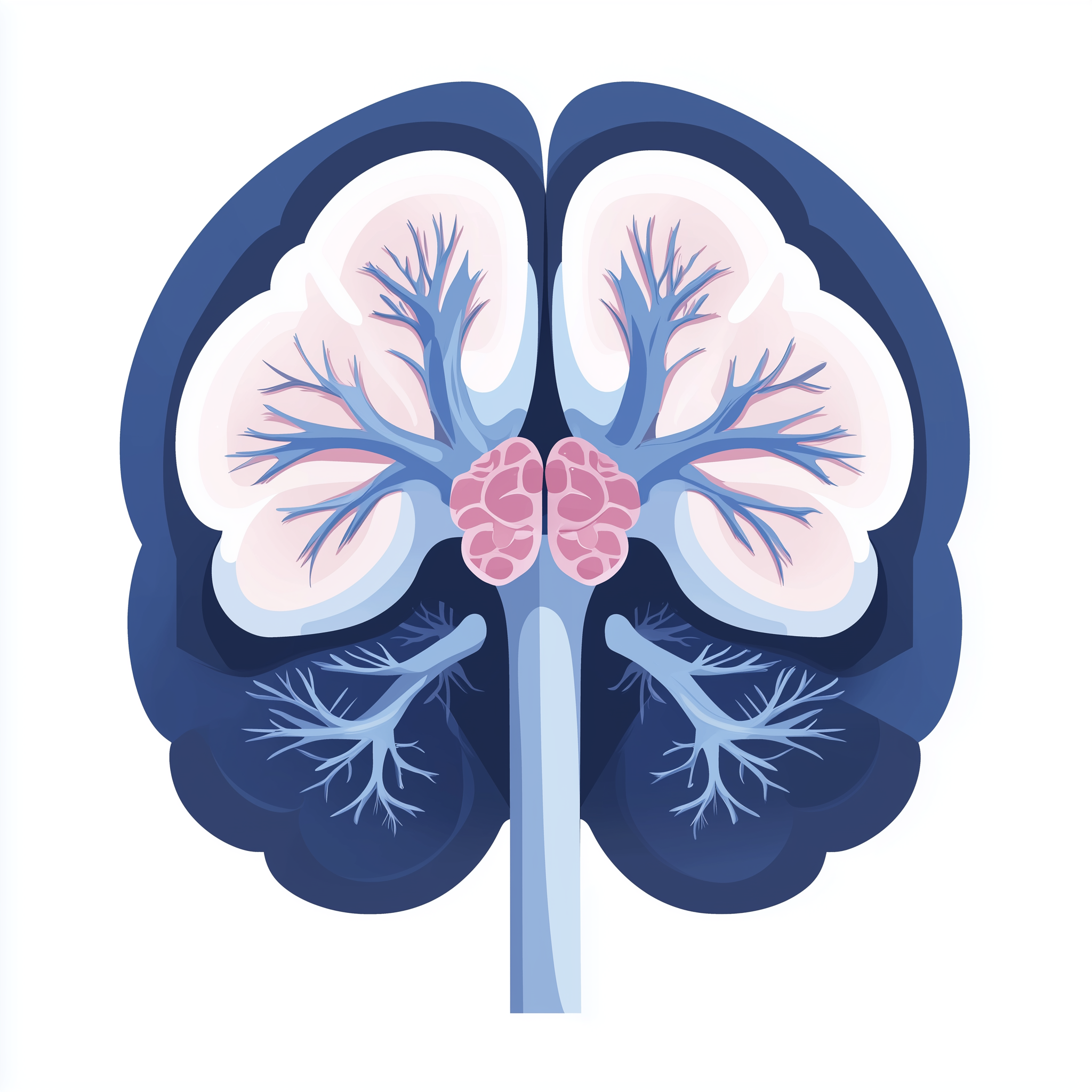
The primary organs affected in Multi-minicore disease are the skeletal muscles throughout the body. These are the muscles attached to bones that enable movement. Muscle weakness can also secondarily impact the respiratory system, as the muscles responsible for breathing may be weakened, potentially leading to respiratory insufficiency. The skeletal system can also be affected, with scoliosis (a sideways curvature of the spine) being a common finding due to prolonged muscle weakness [PMID:24765922].
Risks & severity
The severity of Multi-minicore disease is variable, ranging from mild forms with relatively good mobility to severe forms involving significant muscle weakness and respiratory compromise. The exact prevalence of Multi-minicore disease is not well established, but it is considered rare. The age of onset is typically in infancy or early childhood, though some milder forms might be diagnosed later. Respiratory complications, if present, can significantly influence the condition's severity. Regular monitoring and supportive care are important for managing potential risks and improving quality of life.
Genetic causes
Multi-minicore disease is most commonly associated with pathogenic changes in the RYR1 gene. This gene provides instructions for making a protein called ryanodine receptor 1. This protein is crucial for muscle contraction, as it forms a calcium channel in the sarcoplasmic reticulum of muscle cells [PMID:33671239]. Calcium release from this store is a vital step in the process that allows muscles to contract. When there are pathogenic changes in RYR1, the ryanodine receptor protein may not function correctly, leading to impaired calcium regulation within muscle cells. This disruption in calcium handling is thought to underlie the muscle weakness and the characteristic minicore lesions seen in muscle biopsies [PMID:33671239]. While RYR1 is the primary gene, other genes can also sometimes be associated with similar muscle conditions, but RYR1 is the most frequent cause of Multi-minicore disease.
- RYR1 ryanodine receptor 1
Inheritance pattern
Multi-minicore disease is typically inherited in an autosomal recessive pattern. This means that an individual must inherit two altered copies of the causative gene - one from each parent - to develop the condition. If a person inherits only one altered copy and one normal copy, they are considered a 'carrier'. Carriers usually do not show symptoms of the condition themselves. When both parents are carriers of the same altered gene, there is a 25% (1 in 4) chance with each pregnancy that their child will inherit two altered copies and develop Multi-minicore disease. There is a 50% (1 in 2) chance the child will be a carrier, and a 25% (1 in 4) chance the child will inherit two normal copies of the gene and not be affected or a carrier.
When both parents are carriers, each child has a 25% chance of being affected, 50% of being a carrier, and 25% of being unaffected.
Diagnosis & testing
Diagnosis of Multi-minicore disease often begins with a clinical evaluation based on presenting symptoms of muscle weakness and developmental delay. A muscle biopsy is a key diagnostic step, where a small sample of muscle tissue is examined under a microscope for the characteristic 'minicore lesions' [PMID:24765922]. Genetic testing, particularly for the RYR1 gene, is used to confirm the diagnosis and identify the specific genetic changes. In the UK, genetic testing for neuromuscular conditions like Multi-minicore disease falls under the NHS Genomic Medicine Service. Referrals for genetic testing and counselling are typically made by paediatricians, neurologists, or clinical geneticists, and may follow a diagnostic pathway indicated by an NHS R-code, such as R14 for 'Limb Girdle Muscular Dystrophy and other myopathies'.
Management & lifestyle
Management for Multi-minicore disease is primarily supportive and aims to address the specific symptoms an individual experiences. This often involves a multidisciplinary team, including paediatricians, neurologists, physiotherapists, occupational therapists, and respiratory specialists. Physiotherapy can help maintain muscle strength and flexibility, and occupational therapy may assist with adapting daily activities. Respiratory support, such as non-invasive ventilation, might be necessary if breathing muscles are significantly affected. Regular monitoring for scoliosis is important, and orthopaedic interventions may be considered if spinal curvature progresses. Genetic counselling is a crucial part of the care pathway, providing information about inheritance patterns and implications for family planning within the NHS Genomic Medicine Service.
UK care pathway
In the UK, individuals suspected of having genetic conditions like Multi-minicore disease would typically be referred to the NHS Genomic Medicine Service. This service provides a national framework for genetic testing, diagnosis, and ongoing support. Referrals often come from specialist clinicians, such as paediatric neurologists or clinical geneticists. Once a diagnosis is made, or if Multi-minicore disease is suspected, a genetic counsellor can provide detailed information about the condition, its inheritance, and implications for the family. Genetic testing for conditions affecting muscle development often falls under specific NHS R-codes, ensuring access to appropriate diagnostic pathways.
Frequently asked questions
What are 'minicore lesions'?
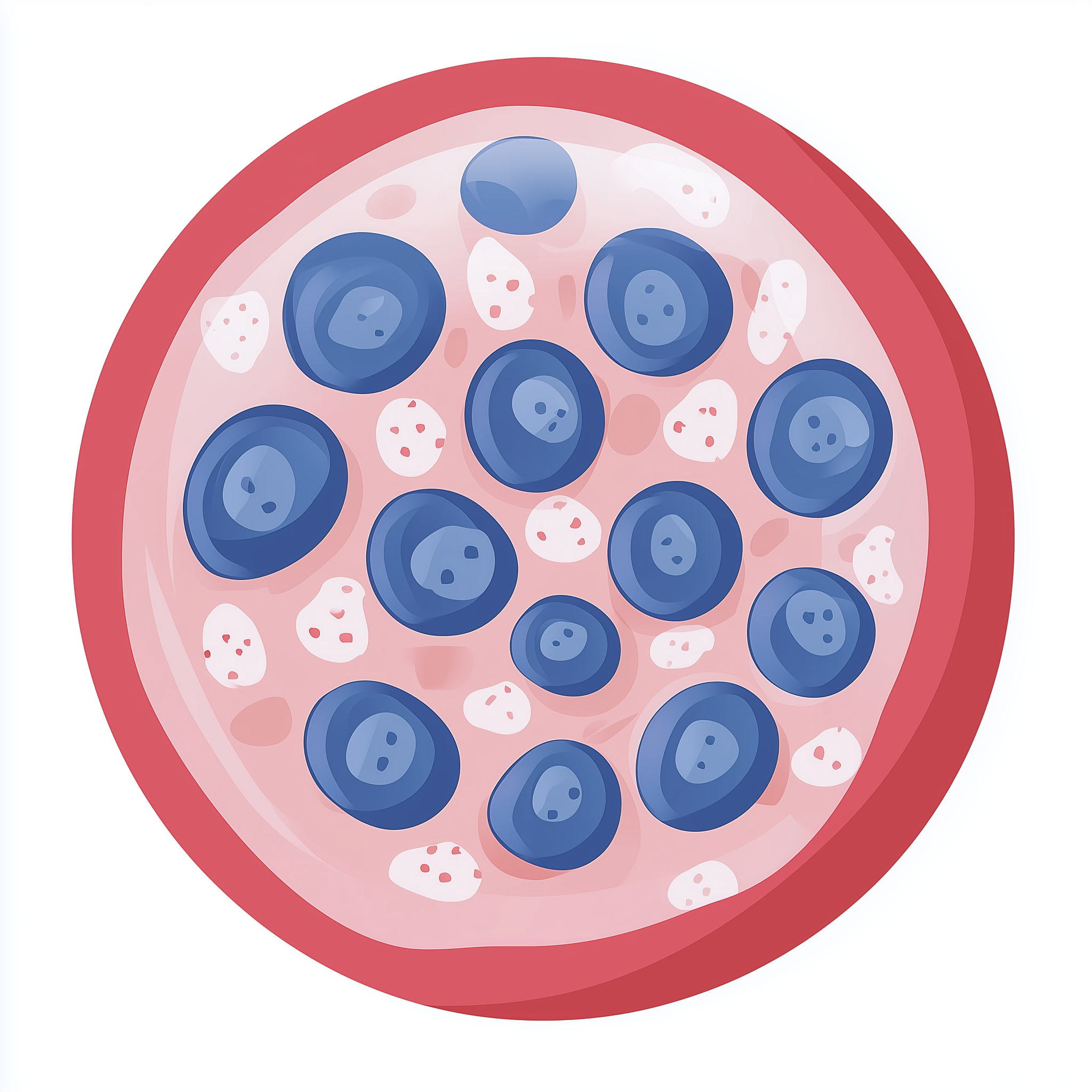
Minicore lesions are specific changes seen in muscle tissue when viewed under a microscope during a muscle biopsy. They are small areas within muscle fibres that show disorganisation or absence of certain cellular structures, which helps in diagnosing Multi-minicore disease.
Can Multi-minicore disease be cured?
Currently, there is no cure for Multi-minicore disease. Management focuses on supportive care to alleviate symptoms, improve quality of life, and address any complications, such as respiratory issues or scoliosis.
How does Multi-minicore disease affect a child's development?
Children with Multi-minicore disease may experience delays in achieving motor milestones like sitting, crawling, and walking due to muscle weakness. The extent of developmental delay varies depending on the severity of the condition and the specific muscles affected.
Will my other children be affected if one child has Multi-minicore disease?
Since Multi-minicore disease is typically inherited in an autosomal recessive pattern, if you and your partner are both carriers, there is a 25% chance with each pregnancy that your child will have the condition. Genetic counselling can provide personalised information and support regarding family planning and risks.
What kind of medical specialists will be involved in care?
Care for Multi-minicore disease typically involves a team of specialists, including paediatricians, neurologists, geneticists, physiotherapists, occupational therapists, and potentially respiratory specialists, to address the various aspects of the condition.