

On this page
Malignant hyperthermia susceptibility
MHS increases the risk of a life-threatening crisis during or after general anaesthesia involving certain agents. This rare but serious condition affects individuals who inherit specific genetic changes, making early diagnosis and careful anaesthetic planning crucial.
Available at Jeen Health
Clinical tests that include this
Overview
Malignant hyperthermia susceptibility (MHS) is a genetic condition where a person is at risk of a severe reaction called a malignant hyperthermia (MH) crisis. This crisis can be triggered by exposure to certain volatile anaesthetic gases (like halothane, isoflurane, sevoflurane, desflurane) or the muscle relaxant succinylcholine, which are commonly used during general anaesthesia. Without prompt treatment, an MH crisis can be life-threatening [PMID:33659281].
Individuals with MHS typically show no symptoms in their daily lives and are usually unaware of their susceptibility until an exposure occurs. The condition is often diagnosed after a family member has experienced an MH crisis, or if there is a known family history of MHS. Identifying individuals with MHS is important for preventing these reactions by allowing healthcare professionals to choose alternative, safe anaesthetics.
The estimated prevalence of MHS varies, with research suggesting it affects between 1 in 5,000 and 1 in 50,000 individuals, though the actual genetic susceptibility might be more common than the observed clinical events [PMID:32060877]. This difference may be due to varied penetrance of genetic changes and differing anaesthetic practices.
Symptoms & clinical features
An MH crisis typically presents rapidly after exposure to trigger agents. The symptoms are a direct result of uncontrolled calcium release within muscle cells, leading to sustained muscle contraction and a rapid increase in metabolism. The earliest signs often include an unexpected rise in end-tidal carbon dioxide (a measure of exhaled breath), which can be an important warning for anaesthetists [PMID:33659281].
Other key symptoms of an MH crisis include a sudden and dramatic increase in body temperature (hyperthermia), often reaching very high levels. This is usually accompanied by muscle rigidity, particularly in the jaw and limbs. The heart rate can become very fast (tachycardia) and irregular (arrhythmia), and blood pressure may fluctuate. As the crisis progresses, the body's cells break down, releasing substances like potassium and myoglobin into the bloodstream, which can lead to complications such as kidney damage and metabolic acidosis (an excess of acid in the body fluids) [PMID:32060877].
not all individuals with MHS will experience the full spectrum or severity of symptoms during an MH crisis. The presentation can vary, but the rapid progression and potential for serious complications necessitate immediate recognition and treatment.
Video: Is cancer in your genes?
Affected organs
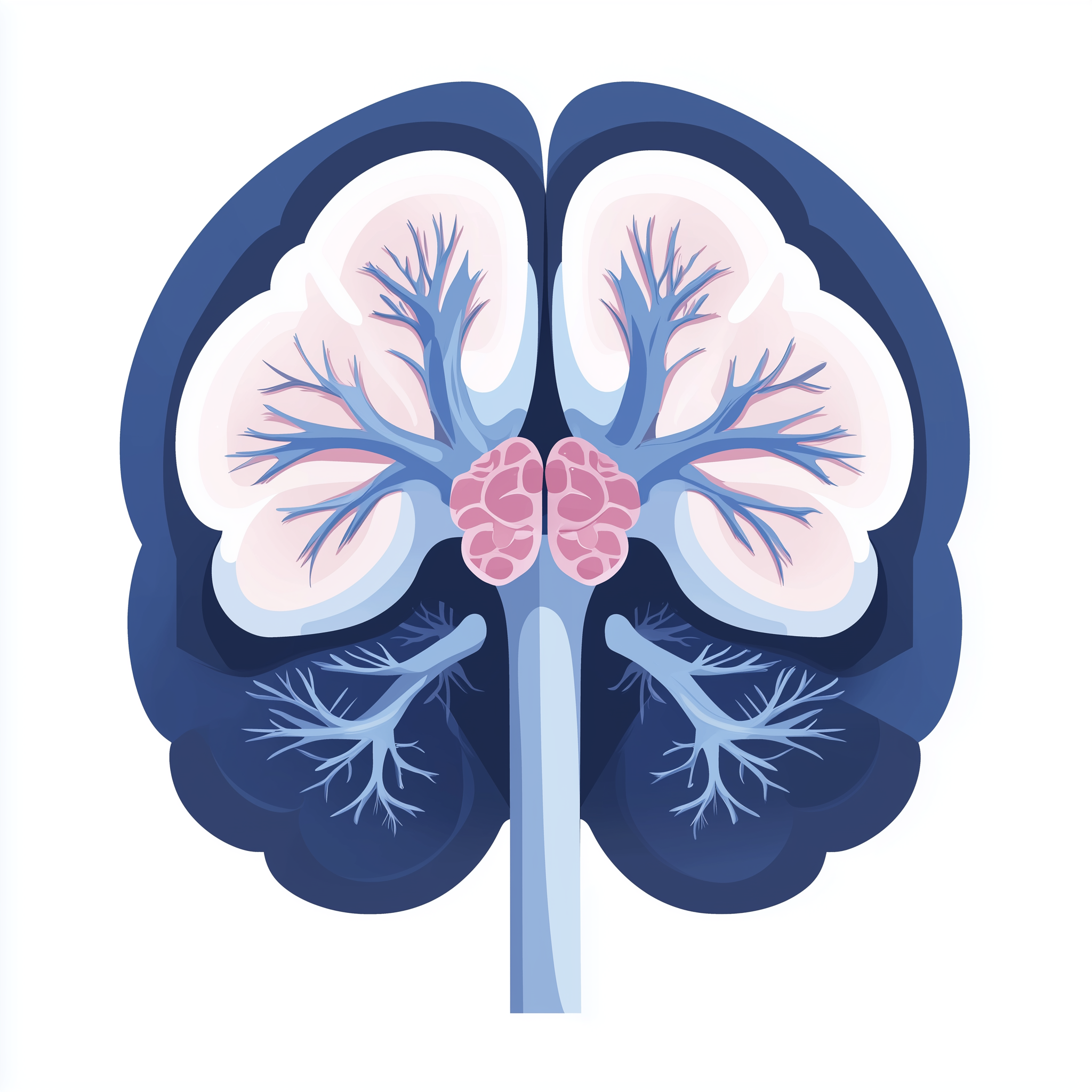
Malignant hyperthermia primarily affects the skeletal muscles, which are the muscles responsible for movement. During an MH crisis, these muscles undergo uncontrolled and sustained contraction. This intense muscle activity consumes a large amount of energy and generates significant heat, leading to the hallmark symptom of hyperthermia.
The widespread muscle breakdown during an MH crisis can release cellular contents into the bloodstream. This can subsequently impact other organs. For example, high levels of myoglobin can damage the kidneys, potentially leading to acute kidney injury. The severe metabolic changes, including acidosis and electrolyte imbalances, can also place significant stress on the heart and circulatory system, potentially causing cardiac arrhythmias or heart failure if not managed quickly.
Risks & severity
The main risk for individuals with MHS is experiencing a life-threatening MH crisis when exposed to specific anaesthetic gases or succinylcholine. The severity of an MH crisis can vary, but it is always considered a medical emergency. If left untreated, an MH crisis has a high mortality rate, often due to cardiac arrest, kidney failure, or severe brain damage resulting from prolonged hyperthermia and metabolic disturbances.
The onset of an MH crisis typically occurs within minutes to a few hours of exposure to a trigger agent. In some rarer cases, a reaction can occur post-operatively. While some individuals might have a more mild reaction, others can develop a fulminant crisis very rapidly. The likelihood of an MH crisis being triggered and its severity can be influenced by the specific genetic change, the type and dose of anaesthetic agent, the duration of exposure, and individual factors. Early recognition and administration of the specific antidote, dantrolene, are crucial for improving outcomes and reducing the risk of complications.
Genetic causes
Malignant hyperthermia susceptibility is primarily caused by genetic changes (variants) in two genes: RYR1 and CACNA1S. The RYR1 gene provides instructions for making the ryanodine receptor 1 protein, which is a calcium channel found in skeletal muscle cells. This channel plays a critical role in controlling muscle contraction and relaxation by regulating the release of calcium ions from internal stores within the muscle cell [PMID:33659281]. Pathogenic variants in RYR1 can lead to a 'leaky' or overactive calcium channel, meaning too much calcium is released when exposed to trigger agents, causing uncontrolled muscle contraction and an MH crisis.
Less commonly, MHS can be caused by variants in the CACNA1S gene. This gene produces the alpha-1 subunit of the dihydropyridine receptor, another type of calcium channel found in skeletal muscle. This receptor also plays a role in initiating calcium release from the ryanodine receptor, and pathogenic changes in CACNA1S can disrupt this process, leading to MHS [PMID:32060877]. Both RYR1 and CACNA1S variants lead to an abnormality in calcium regulation within muscle cells, which is the underlying mechanism of an MH crisis. Other genes are also being investigated as potential causes, but RYR1 is by far the most common genetic cause.
- CACNA1S calcium voltage-gated channel subunit alpha1 S
- RYR1 ryanodine receptor 1The RYR1 gene encodes ryanodine receptor 1, a protein critical for calcium release in skeletal muscle cells, playing a key role in muscle contraction and relaxation.
Inheritance pattern
Malignant hyperthermia susceptibility is inherited in an autosomal dominant pattern. This means that a person only needs to inherit one copy of an altered gene (either RYR1 or CACNA1S) from one parent to be at risk of developing MHS. If a parent has MHS, there is a 50% chance with each pregnancy that their child will also inherit the genetic change and be susceptible to malignant hyperthermia.
Individuals who inherit the genetic change are said to be 'susceptible' but may not experience an MH crisis unless exposed to specific anaesthetic trigger agents. MHS can sometimes appear in individuals with no prior family history; this can be due to a new genetic change (de novo variant) or because previous family members with the susceptibility were never exposed to the trigger agents. Family members of an affected individual may be offered genetic testing to determine if they also carry the susceptibility, which is important for planning any future medical procedures requiring anaesthesia.
Each child of an affected parent has a 50% chance of inheriting the pathogenic variant, regardless of sex.
Diagnosis & testing
Diagnosis of malignant hyperthermia susceptibility often begins with a clinical suspicion after an MH-like reaction during anaesthesia or a family history of such an event. The gold standard diagnostic test has traditionally been the in vitro contracture test (IVCT) [PMID:32060877]. This involves taking a small muscle biopsy and exposing the muscle fibres to specific anaesthetic agents to see if they contract abnormally.
Genetic testing for variants in RYR1 and CACNA1S is increasingly becoming the primary diagnostic approach. This involves a blood test to analyse these genes for known or suspected pathogenic variants. In the UK, genetic testing for MHS is available through the NHS Genomic Medicine Service (NHS GMS), typically following referral to a clinical genetics service. This testing falls under specific R-codes (e.g., R151 Malignant hyperthermia susceptibility) which guide the diagnostic pathway. A positive genetic test result can confirm MHS without the need for a muscle biopsy, which is a more invasive procedure. Genetic counselling is an important part of the diagnostic process to help individuals and families understand the implications of testing.
Management & lifestyle
The primary management strategy for individuals diagnosed with malignant hyperthermia susceptibility is strict avoidance of anaesthetic trigger agents. Before any surgical or medical procedure requiring general anaesthesia, it is crucial to inform the anaesthetic team about the MHS diagnosis or suspicion. Anaesthetists can then use 'MH-safe' anaesthetic protocols, which involve non-triggering agents and meticulous preparation of anaesthetic equipment to prevent contamination from triggering agents.
In the event of an MH crisis, immediate treatment with dantrolene sodium is essential. Dantrolene is a muscle relaxant that specifically works by reducing calcium release from muscle cells, counteracting the uncontrolled muscle contraction seen in MH. Alongside dantrolene, supportive measures are critical, including active cooling to reduce body temperature, managing metabolic imbalances, and supporting organ function. Following an MH crisis, ongoing monitoring and follow-up are necessary to assess for any complications.
Individuals with MHS and their families should be advised to carry documentation (such as a medical alert card or letter) detailing their condition. This ensures that in any emergency medical situation, healthcare providers are aware of the susceptibility. Genetic counselling plays a key role in providing information and support to affected individuals and their families.
UK care pathway
In the UK, the care pathway for malignant hyperthermia susceptibility is typically managed within the NHS Genomic Medicine Service (NHS GMS). If MHS is suspected, individuals are usually referred to a clinical genetics service or specialist anaesthetic clinic. This referral allows for a comprehensive assessment, including detailed family history and consideration for genetic testing. Genetic testing for MHS is available via specific NHS R-codes (e.g., R151), guiding the diagnostic process within the GMS framework.
Clinical geneticists and genetic counsellors provide vital support throughout this pathway, explaining the inheritance pattern, implications of diagnosis, and options for family testing. For those diagnosed with MHS, anaesthetic care is then planned in collaboration with specialist anaesthetists who are experienced in managing patients with this condition, ensuring safe anaesthetic practices for any future procedures.
Frequently asked questions
What should I do if I or a family member is diagnosed with Malignant Hyperthermia Susceptibility?
It is important to inform all healthcare providers, especially anaesthetists and surgeons, about the diagnosis before any procedure requiring general anaesthesia. You should carry a medical alert card or letter detailing your condition. Your clinical genetics team or specialist anaesthetist can provide specific advice and a personalised management plan.
Does having MHS mean I can never have surgery?
No, it does not mean you cannot have surgery. Anaesthetists are trained to manage patients with MHS by using 'MH-safe' anaesthetic techniques and medications that do not trigger a crisis. It is essential to communicate your diagnosis to your medical team well in advance so they can plan accordingly.
Are there any symptoms of MHS when I'm not having surgery?
Generally, individuals with MHS do not experience any symptoms in their daily lives. The condition only becomes apparent when exposed to specific anaesthetic trigger agents. Some individuals with certain genetic changes may rarely experience exercise-induced muscle cramps or breakdown, but this is less common.
Can my children inherit MHS if I have it?
Yes, MHS is inherited in an autosomal dominant pattern. This means if you have MHS, each of your children has a 50% chance of inheriting the genetic susceptibility. Genetic counselling can help you understand the risks and discuss options for family testing.
Is there a cure for Malignant Hyperthermia Susceptibility?
There is no cure for the underlying genetic susceptibility. However, MHS is a manageable condition. By strictly avoiding trigger anaesthetic agents and ensuring that appropriate protocols are in place, individuals with MHS can safely undergo medical procedures. The antidote dantrolene is highly effective if an MH crisis occurs.
References
- Adam MP, Bick S, Mirzaa GM. STAC3 Disorder. 1993. PMID: 31219695
- Flucher BE. Skeletal muscle Ca(V)1.1 channelopathies. Pflugers Archiv : European journal of physiology. 2020. PMID: 32222817
- Snoeck M, van Engelen BG, Küsters B. RYR1-related myopathies: a wide spectrum of phenotypes throughout life. European journal of neurology. 2015. PMID: 25960145
- Johnston JJ, Dirksen RT, Girard T. Updated variant curation expert panel criteria and pathogenicity classifications for 251 variants for RYR1-related malignant hyperthermia susceptibility. Human molecular genetics. 2022. PMID: 35849058
- Jungbluth H. Multi-minicore Disease. Orphanet journal of rare diseases. 2007. PMID: 17631035
- Hopkins PM. What is malignant hyperthermia susceptibility? British journal of anaesthesia. 2023. PMID: 37198032
- Litman RS, Griggs SM, Dowling JJ. Malignant Hyperthermia Susceptibility and Related Diseases. Anesthesiology. 2018. PMID: 28902673
- Johnston JJ, Dirksen RT, Girard T. Variant curation expert panel recommendations for RYR1 pathogenicity classifications in malignant hyperthermia susceptibility. Genetics in medicine : official journal of the American College of Medical Genetics. 2021. PMID: 33767344