

On this page
Lipoid congenital adrenal hyperplasia
This condition primarily affects the adrenal glands and gonads, leading to severe hormone deficiencies that impact development, particularly of sex characteristics. It is present from birth and requires lifelong management.
Overview
Lipoid congenital adrenal hyperplasia (lipoid CAH) is a very rare genetic disorder that impacts the body's endocrine system. Specifically, it affects the adrenal glands, located on top of each kidney, and the gonads (testes in males, ovaries in females). These organs are crucial for producing a variety of steroid hormones, including cortisol, aldosterone, and sex hormones like testosterone and oestrogen [PMID:24765636].
In individuals with lipoid CAH, the initial step in the production of all these steroid hormones is severely impaired. This leads to a significant deficiency in these vital hormones from early development. The condition is termed 'lipoid' because cholesterol, a precursor molecule for steroid hormones, can accumulate in the adrenal glands and gonads, giving them a characteristic fatty (lipoid) appearance when examined microscopically.
Symptoms & clinical features
The symptoms of lipoid CAH are typically severe and often noticeable shortly after birth. Affected infants often experience an adrenal crisis, a life-threatening emergency caused by dangerously low levels of cortisol and aldosterone. This can manifest as poor feeding, vomiting, dehydration, low blood pressure, and low blood sugar. Without prompt treatment, an adrenal crisis can be fatal [PMID:24765636].
In addition to the immediate life-threatening adrenal insufficiency, individuals with lipoid CAH also experience significant disruption in sex hormone production. Genetically male (XY) infants with lipoid CAH are typically born with external genitalia that appear female or ambiguous, due to the inability to produce sufficient male sex hormones during foetal development. Genetically female (XX) infants typically have normal female external genitalia at birth, but they will not undergo puberty or develop secondary sexual characteristics due to the lack of oestrogen production. Both sexes will experience infertility.
Video: Genetics 101
Affected organs
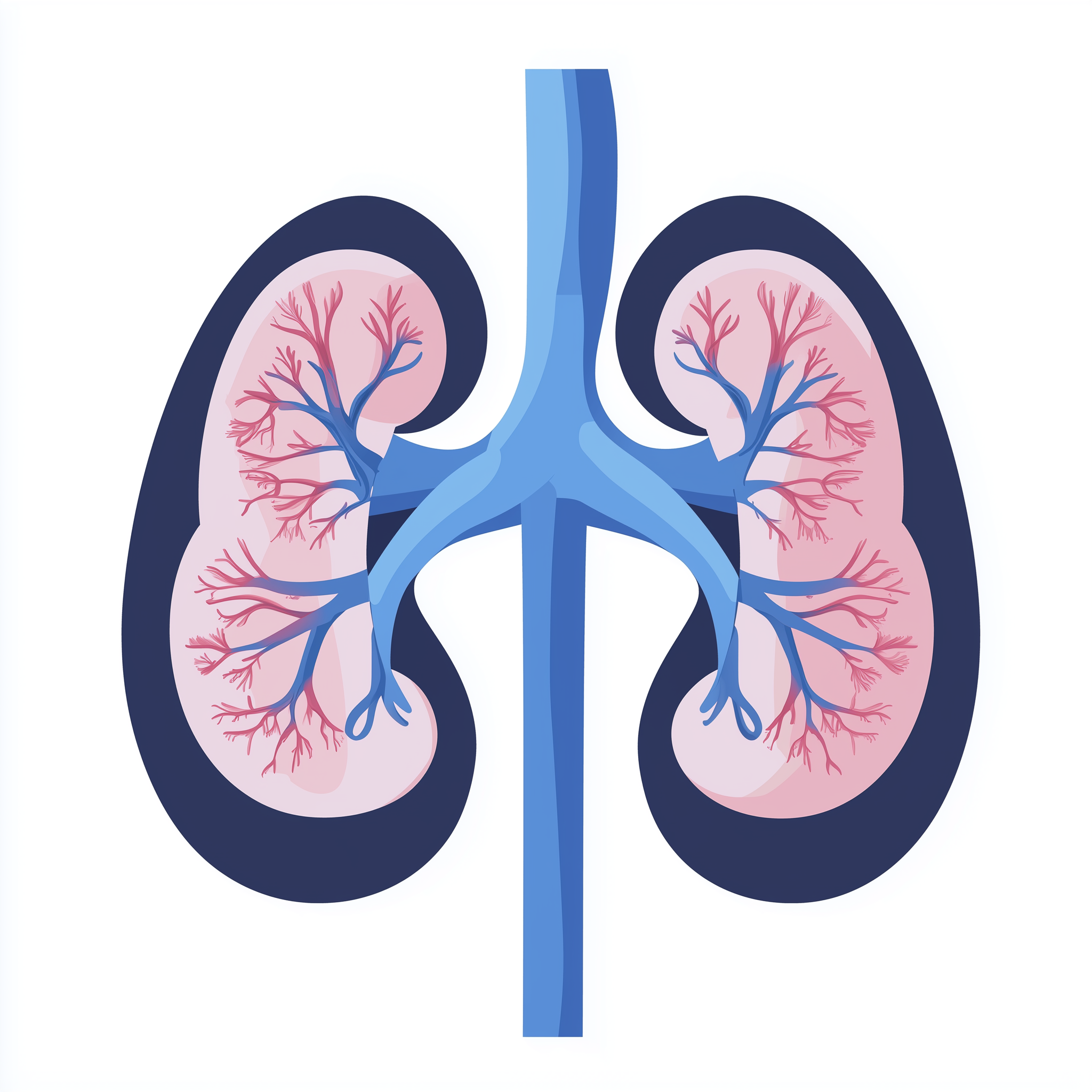
The primary organs affected by lipoid CAH are the adrenal glands and the gonads (testes or ovaries). The adrenal glands are responsible for producing cortisol (which helps the body respond to stress and maintain blood sugar) and aldosterone (which regulates blood pressure and salt balance). The gonads are responsible for producing sex hormones, which drive the development of male and female sexual characteristics and reproductive function.
The inability of these organs to produce steroid hormones properly leads to their dysfunction. Over time, the adrenal glands and gonads can accumulate cholesterol esters, which are fatty substances, due to the metabolic block in hormone synthesis. Other organ systems are indirectly affected by the severe hormone deficiencies, leading to widespread systemic issues if not managed effectively.

Risks & severity
Lipoid CAH is a severe condition that presents significant risks from birth. The most immediate and life-threatening risk is the adrenal crisis, which can occur shortly after birth or in early infancy if the condition is not diagnosed and treated rapidly. This crisis requires urgent medical intervention to prevent serious complications or death.
Lifelong hormone replacement therapy is essential to manage the condition. Without appropriate treatment, individuals would not survive due to the profound hormone deficiencies. Even with treatment, managing hormone levels can be complex, and individuals may still face challenges related to their hormone balance and sexual development. The exact prevalence of lipoid CAH is not well established, but it is considered extremely rare worldwide.
Genetic causes
Lipoid CAH is caused by pathogenic variants in specific genes that are involved in the very first step of steroid hormone synthesis. The condition typically arises from disruptions to the STARD1 gene, which provides instructions for making a protein called steroidogenic acute regulatory protein (StAR) [PMID:24765636]. The StAR protein is crucial for transporting cholesterol into the mitochondria within adrenal and gonadal cells, where the initial steps of hormone production occur.
When there are pathogenic variants in STARD1, the StAR protein function is impaired or absent. This means cholesterol cannot be efficiently moved into the mitochondria, effectively halting the entire process of steroid hormone synthesis. Consequently, the body cannot produce any of the essential adrenal or sex hormones, leading to the severe clinical features of lipoid CAH.
Inheritance pattern
Lipoid congenital adrenal hyperplasia is inherited in an autosomal recessive pattern. This means that an individual must inherit two copies of the altered gene - one from each parent - to develop the condition. People who have only one copy of the altered gene are known as carriers. Carriers typically do not show any symptoms of the condition because their one functional copy of the gene is usually sufficient to produce enough of the necessary protein.
If both parents are carriers of a pathogenic variant, there is a 25% chance with each pregnancy that their child will inherit two altered copies of the gene and be affected by lipoid CAH. There is a 50% chance their child will be a carrier like them, and a 25% chance their child will inherit two normal copies of the gene and not be a carrier or be affected.
When both parents are carriers, each child has a 25% chance of being affected, 50% of being a carrier, and 25% of being unaffected.
Diagnosis & testing
The diagnosis of lipoid CAH is often suspected in newborns presenting with an adrenal crisis, ambiguous genitalia in genetically male infants, or other signs of severe adrenal insufficiency. Initial investigations typically involve blood tests to measure hormone levels, which would show very low levels of cortisol, aldosterone, and sex hormones, along with very high levels of ACTH (adrenocorticotropic hormone) due to the adrenal glands' inability to respond.
Confirmation of lipoid CAH relies on genetic testing to identify pathogenic variants in the causative gene, most commonly STARD1. Genetic testing can be performed on a blood sample and is typically arranged through a clinical genetics service. This testing is crucial for confirming the diagnosis, guiding management, and informing family planning. In the UK, genetic testing for severe adrenal insufficiency is part of the NHS Genomic Medicine Service, often requested via specialist paediatric endocrinology services.
Management & lifestyle
Management of lipoid CAH is complex and requires lifelong specialist care from a multidisciplinary team, typically including paediatric endocrinologists. The primary goal of treatment is to replace the hormones that the body cannot produce. This involves daily oral medication with glucocorticoids (like hydrocortisone) to replace cortisol and mineralocorticoids (like fludrocortisone) to replace aldosterone [PMID:24765636]. These medications are critical for preventing adrenal crises and maintaining normal physiological function.
Sex hormone replacement therapy is also necessary, typically starting around the age of puberty, to induce secondary sexual characteristics and support bone health. Individuals with lipoid CAH will require regular monitoring of their hormone levels and general health. During times of stress, illness, or surgery, the doses of glucocorticoids may need to be increased temporarily to prevent an adrenal crisis. Genetic counselling is also an important part of management, providing information and support to affected individuals and their families.
UK care pathway
In the UK, individuals suspected of having lipoid congenital adrenal hyperplasia are typically referred to specialist paediatric endocrinology services within the NHS. If a genetic cause is suspected, a referral to a clinical genetics service is usually made. Genetic testing falls under the NHS Genomic Medicine Service (GMS) and is performed in accredited laboratories. Genetic counsellors play a vital role in explaining the condition, inheritance patterns, and implications for the family.
Diagnostic pathways for conditions involving adrenal insufficiency and disorders of sex development are covered by specific NHS national Genomic Test Directories, which outline the appropriate genetic tests (e.g., R-code R146 for Congenital Adrenal Hyperplasia).
Frequently asked questions
What happens during an adrenal crisis?
An adrenal crisis is a life-threatening emergency where the body lacks sufficient stress hormones (like cortisol). Symptoms can include severe vomiting, dehydration, low blood pressure, low blood sugar, lethargy, and even coma. It requires immediate medical attention, typically with intravenous fluids and stress-dose steroids, to prevent serious complications.
Will individuals with lipoid CAH need to take medication for their whole life?
Yes, individuals with lipoid CAH require lifelong hormone replacement therapy. This typically involves daily oral medications to replace the missing adrenal hormones (cortisol and aldosterone) and, later in life, sex hormones. Consistent adherence to medication is crucial for health and to prevent adrenal crises.
Can individuals with lipoid CAH have children?
Lipoid CAH causes infertility in both genetically male and female individuals due to the profound disruption of sex hormone production and gonadal development. While hormone replacement therapy helps manage general health and secondary sexual characteristics, it does not restore fertility.
How is lipoid CAH different from other types of congenital adrenal hyperplasia?
Lipoid CAH is unique because it affects the very first step in steroid hormone production, meaning no steroid hormones (cortisol, aldosterone, or sex hormones) can be made. Other forms of CAH, like 21-hydroxylase deficiency, affect later steps in the hormone production pathway, leading to different patterns of hormone deficiency and excess.
What is the role of a genetic counsellor for families affected by lipoid CAH?
A genetic counsellor provides essential support and information. They can explain the condition, its inheritance pattern, the chances of it occurring in future pregnancies, and discuss genetic testing options for family members. They also help families navigate the emotional and practical aspects of living with a genetic condition.
References
- Kim CJ. Congenital lipoid adrenal hyperplasia. Annals of pediatric endocrinology & metabolism. 2014. PMID: 25654062
- Bakkar AA, Alsaedi A, Kamal NM. Lipoid Congenital Adrenal Hyperplasia With a Novel StAR Gene Mutation. Clinical medicine insights. Endocrinology and diabetes. 2023. PMID: 37255966
- Koganti PP, Zhao AH, Kern MC. STAR/STARD1: A mitochondrial intermembrane space cholesterol shuttle degraded through mitophagy. Proceedings of the National Academy of Sciences of the United States of America. 2025. PMID: 41055982
- Finkielstain GP, Vieites A, Bergadá I. Disorders of Sex Development of Adrenal Origin. Frontiers in endocrinology. 2021. PMID: 34987475
- Wang YJ, Liu C, Xing C. Congenital lipoid adrenal hyperplasia with Graves' disease: A case report. World journal of clinical cases. 2022. PMID: 36159444
- Kaur J, Casas L, Bose HS. Lipoid congenital adrenal hyperplasia due to STAR mutations in a Caucasian patient. Endocrinology, diabetes & metabolism case reports. 2016. PMID: 27047663
- Liu J, Dai HM, Guang GP. Clinical and functional analyses of the novel STAR c.558C>A in a patient with classic lipoid congenital adrenal hyperplasia. Frontiers in genetics. 2023. PMID: 36733346
- Lu W, Zhang T, Zhang L. Clinical characteristics of a male child with non-classic lipoid congenital adrenal hyperplasia and literature review. Frontiers in endocrinology. 2022. PMID: 36407315