

On this page
Hereditary breast and ovarian cancer syndrome
Also known as Hereditary breast-ovarian cancer (BRCA1) · Hereditary breast-ovarian cancer (BRCA2) · HBOC · BRCA-related cancer syndrome
This autosomal dominant syndrome elevates the risk of breast, ovarian, and other cancers across multiple generations within a family. Early identification through genetic testing enables personalised surveillance and risk-reducing strategies within the NHS Genomic Medicine Service framework.
Available at Jeen Health
Clinical tests that include this
Overview
Hereditary breast and ovarian cancer syndrome, often abbreviated as HBOC, arises when an individual inherits a pathogenic variant in one of several DNA repair genes, most commonly BRCA1 or BRCA2. These genes encode proteins that orchestrate the correction of double-strand breaks in DNA, a critical function that prevents cells from accumulating harmful mutations during normal division and growth. When one copy of BRCA1 or BRCA2 carries a disease-causing change, the cellular machinery responsible for maintaining genomic integrity becomes less effective, increasing the likelihood that additional mutations will accumulate over time and eventually lead to cancer.
Approximately one in 400 people in the general UK population carries a pathogenic variant in BRCA1 or BRCA2, though prevalence is higher in certain populations, including Ashkenazi Jewish communities where founder mutations are well documented. The syndrome affects both women and men, though the spectrum and magnitude of cancer risks differ between sexes. Women with BRCA1 or BRCA2 pathogenic variants face substantially elevated risks of breast and ovarian cancer, while men carrying the same variants have increased risks of breast, prostate, and pancreatic cancer. Because HBOC follows an autosomal dominant pattern, each biological child of an affected parent has a 50 per cent chance of inheriting the familial variant.
Recognising the heritable nature of these cancer risks has transformed clinical practice in the UK. The NHS Genomic Medicine Service now offers systematic genetic testing for individuals whose personal or family history suggests HBOC, enabling early identification, targeted surveillance, and evidence-based risk reduction strategies. Genetic counselling is integral to this pathway, ensuring that individuals and families understand test results, cancer risks, and available management options.
Symptoms & clinical features
Hereditary breast and ovarian cancer syndrome itself does not produce symptoms until cancer develops. The condition represents an inherited predisposition rather than a disease with early warning signs. Individuals carrying a BRCA1 or BRCA2 pathogenic variant may remain entirely well for decades, and some never develop cancer despite elevated lifetime risk. Consequently, the clinical focus lies on surveillance for early cancer detection rather than symptom monitoring.
When breast cancer does occur in BRCA1 carriers, it often presents as a palpable lump, nipple discharge, or skin changes such as dimpling or retraction. BRCA1-associated breast cancers are more likely to be triple-negative, meaning they lack oestrogen receptors, progesterone receptors, and HER2 amplification, which influences treatment options and prognosis. BRCA2-associated breast cancers more commonly resemble sporadic breast cancers in hormone receptor profile. Ovarian cancer in BRCA carriers may present with non-specific abdominal symptoms such as bloating, early satiety, pelvic discomfort, or changes in bowel habit, though these features typically emerge only after the tumour has grown substantially.
Male carriers of BRCA2 pathogenic variants who develop breast cancer typically notice a lump beneath the nipple, sometimes accompanied by nipple inversion or discharge. Prostate cancer in male BRCA carriers may be identified through elevated prostate-specific antigen (PSA) levels during surveillance or may present with urinary symptoms if detected at a more advanced stage. Pancreatic cancer, which occurs at increased frequency in both male and female BRCA carriers, often remains asymptomatic until late in its course, when jaundice, weight loss, or abdominal pain may develop.
Video: Is cancer in your genes?
Affected organs
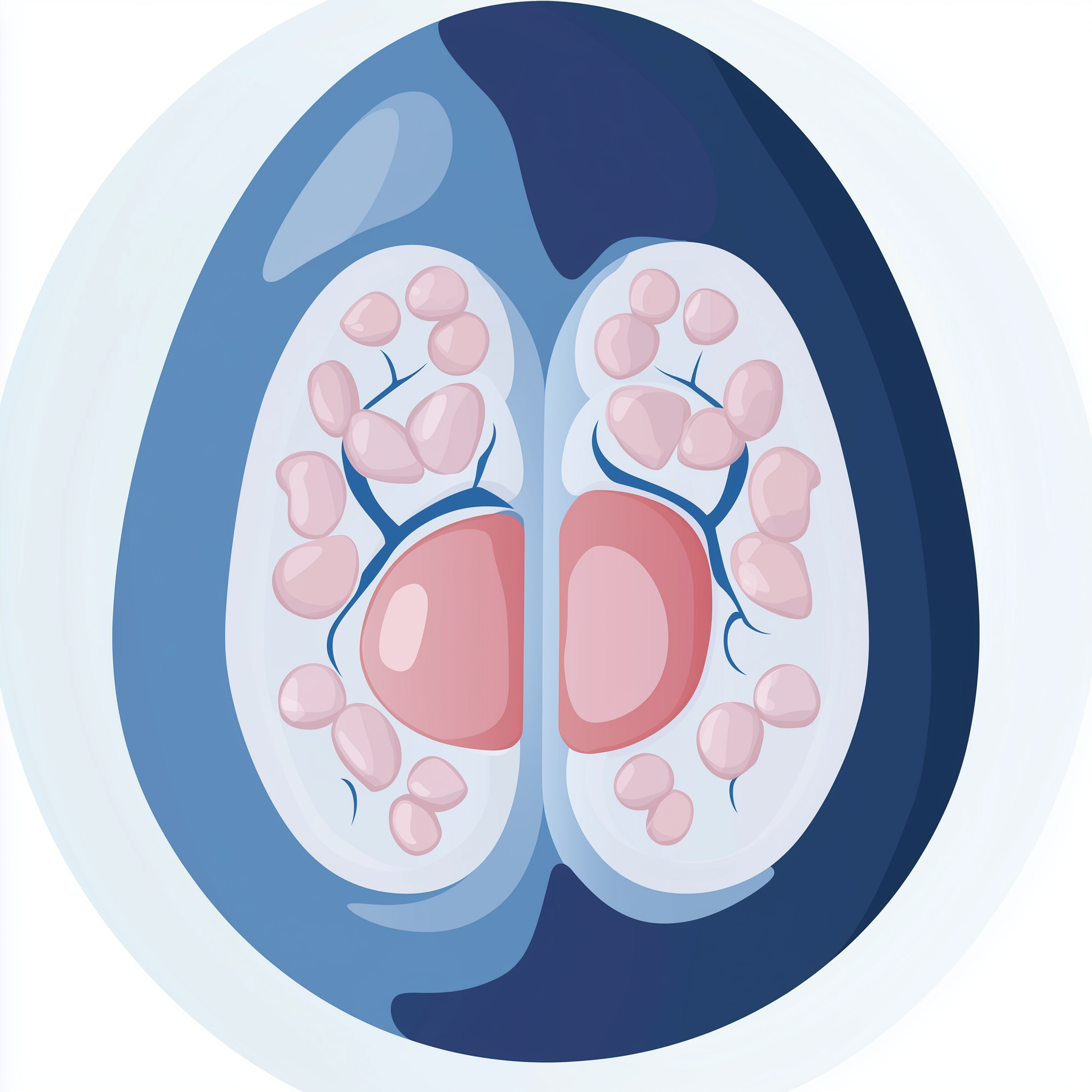
The breast and ovaries are the organs most significantly affected in women with hereditary breast and ovarian cancer syndrome. Breast tissue is particularly vulnerable because the cellular proliferation that occurs throughout reproductive life requires precise DNA repair mechanisms, and when BRCA1 or BRCA2 function is compromised, the risk of malignant transformation increases substantially. Ovarian epithelial cells, which undergo repeated cycles of damage and repair during ovulation, are similarly susceptible to accumulating mutations when DNA repair capacity is diminished. Fallopian tube cancers, now recognised as the origin of many tumours historically classified as ovarian cancer, also occur at elevated rates in BRCA carriers.
Beyond breast and ovarian tissues, several other organs demonstrate increased cancer susceptibility. The pancreas is affected in both men and women, with BRCA2 pathogenic variants conferring a higher pancreatic cancer risk than BRCA1 variants. The prostate gland in men is another important site, particularly for BRCA2 carriers, who face not only higher lifetime risk but also more aggressive disease presentations. Melanoma risk appears modestly elevated in some studies of BRCA2 carriers. The male breast, though much smaller than the female breast, retains sufficient glandular tissue to develop cancer, and male BRCA2 carriers have a notably increased risk compared with the general male population. Emerging evidence also suggests possible elevations in risk for certain gastrointestinal and haematological malignancies, though these associations are less firmly established than the core cancer spectrum.

Risks & severity
The cancer risks associated with hereditary breast and ovarian cancer syndrome vary by gene, sex, and specific variant, but are substantially higher than population baseline risks. Research suggests that women with BRCA1 pathogenic variants face markedly elevated breast cancer risk, with many cases diagnosed before age 50. Evidence indicates that ovarian cancer risk is also substantially increased in BRCA1 carriers. For BRCA2 carriers, breast cancer risk is similarly elevated, though the average age of onset may be slightly later than in BRCA1 carriers. Studies indicate that ovarian cancer risk in BRCA2 carriers is lower than in BRCA1 carriers, but still well above general population rates.
Men with BRCA1 pathogenic variants have a modestly increased breast cancer risk over a lifetime, compared with the very low baseline in the general male population. Male BRCA2 carriers face notably higher breast cancer risk and substantially elevated prostate cancer risk, with evidence suggesting earlier onset and more aggressive disease presentations. Pancreatic cancer risk is increased in both BRCA1 and BRCA2 carriers, with BRCA2 conferring a higher risk than BRCA1 relative to general population estimates. A second primary cancer in a different organ is not uncommon among individuals who have already had one BRCA-associated malignancy, underscoring the systemic nature of the predisposition. The exact magnitude of these risks can vary depending on family history, specific variant, and other genetic or environmental modifiers.
Genetic causes
Hereditary breast and ovarian cancer syndrome is caused predominantly by pathogenic variants in BRCA1 and BRCA2, two genes that play critical roles in repairing double-strand breaks in DNA through a process called homologous recombination. Pathogenic variants in BRCA1 are among the best-characterised genetic risk factors for hereditary breast and ovarian cancer. The protein this gene encodes is essential to preventing malignant transformation by orchestrating damaged DNA repair and regulating how cells divide. When BRCA1 function is lost or severely impaired by a pathogenic variant, cells become unable to repair certain types of DNA damage accurately, leading to chromosomal instability and an increased likelihood of malignant transformation.
The BRCA2 gene produces a large protein that helps prevent cells from accumulating harmful mutations by coordinating the repair of double-strand breaks in DNA. This step is essential for the faithful repair of double-strand breaks using the sister chromatid as a template. Pathogenic variants inherited in BRCA2 disrupt this function, forcing cells to rely on error-prone repair pathways that increase the mutation burden over time. Both BRCA1 and BRCA2 follow a two-hit model in tumourigenesis, meaning that while individuals inherit one faulty copy in every cell, cancer typically develops only after the second, healthy copy is lost or inactivated in a particular cell, removing all functional DNA repair capacity in that lineage.
Pathogenic variants in BRCA1 and BRCA2 span a wide range of mutation types, including frameshift insertions or deletions, nonsense mutations that introduce premature stop codons, splice-site changes that disrupt normal RNA processing, and large genomic rearrangements that delete entire exons. Certain variants are found recurrently in specific populations due to founder effects. For example, three founder mutations (two in BRCA1 and one in BRCA2) account for the majority of pathogenic variants in individuals of Ashkenazi Jewish ancestry. Missense variants, which change a single amino acid, are more challenging to interpret and are often classified as variants of uncertain significance until functional or segregation data clarify their impact.
- BRCA1 BRCA1 DNA repair associatedThe BRCA1 gene provides instructions for a protein that is vital for DNA repair, helping to maintain genomic stability and prevent uncontrolled cell growth, thus acting as a tumour suppressor.
- BRCA2 BRCA2 DNA repair associatedBRCA2 encodes a tumour suppressor protein critical for repairing DNA double-strand breaks and maintaining genomic stability.
Inheritance pattern
Hereditary breast and ovarian cancer syndrome is inherited in an autosomal dominant pattern, meaning that a single pathogenic variant in BRCA1 or BRCA2 is sufficient to confer increased cancer risk. Each biological child of a parent who carries a pathogenic variant has a 50 per cent chance of inheriting that variant, regardless of the child's sex. Because the relevant genes are located on autosomes rather than sex chromosomes, male and female offspring have equal probabilities of inheriting the familial mutation, though the clinical consequences differ between sexes due to differences in tissue susceptibility.
It is important to understand that inheriting a BRCA1 or BRCA2 pathogenic variant does not guarantee that cancer will develop, nor does it determine the age at which cancer might occur. Penetrance, the probability that a variant carrier will develop cancer during their lifetime, is high but incomplete, and is influenced by factors including the specific variant, family history, lifestyle, reproductive history, and possibly other genetic modifiers. Family members who do not inherit the familial variant have cancer risks similar to the general population, assuming no other predisposing factors are present. Genetic counselling is essential for families affected by HBOC, as it helps relatives understand their own risks, clarifies testing options, and supports informed decisions about predictive testing, surveillance, and risk reduction.
Each child has a 50% chance of inheriting the pathogenic variant, regardless of sex.
Subtypes & variants
This page covers Hereditary breast and ovarian cancer syndrome as a single condition. Several distinct variants and clinical subtypes are recognised in the literature - they share the underlying biology and broad management approach, but differ in severity, age of onset, or causative gene:
- BRCA1 BRCA1 OMIM 604370
BRCA1-driven HBOC. Higher lifetime risk of triple-negative breast cancer; ovarian cancer risk peaks earlier (typical onset 40s). Risk-reducing salpingo-oophorectomy is recommended earlier than for BRCA2.
- BRCA2 BRCA2 OMIM 612555
BRCA2-driven HBOC. Lower ovarian cancer risk than BRCA1 but higher male breast cancer risk and elevated prostate and pancreatic cancer risk. Risk-reducing surgery typically considered slightly later than for BRCA1.
Diagnosis & testing
Diagnosis of hereditary breast and ovarian cancer syndrome begins with clinical assessment of personal and family cancer history. In the UK, referral criteria for genetic testing typically include early-onset breast cancer (usually defined as diagnosis before age 40), triple-negative breast cancer diagnosed before age 50, ovarian cancer at any age, male breast cancer, or a significant family history of breast or ovarian cancer across multiple generations. The NHS Genomic Medicine Service utilises standardised eligibility criteria, and referrals are usually made by oncologists, breast surgeons, gynaecologists, or general practitioners to regional genetics services.
Genetic testing for BRCA1 and BRCA2 is performed on a blood or saliva sample and involves sequencing the coding regions and splice sites of both genes, as well as analysis for large deletions or duplications. Testing may be performed using targeted panels that include other cancer predisposition genes alongside BRCA1 and BRCA2, depending on clinical features. Results are classified according to international variant interpretation guidelines, with outcomes including pathogenic, likely pathogenic, uncertain significance, likely benign, or benign. Pathogenic and likely pathogenic variants confirm a diagnosis of HBOC, while variants of uncertain significance require careful counselling, as they do not currently guide clinical management.
The NHS categorises hereditary breast and ovarian cancer syndrome under specific R-codes within the Genomic Medicine Service framework, enabling standardised testing pathways and ensuring equitable access to genetic services. Individuals with a confirmed pathogenic variant are offered ongoing genetic counselling, and cascade testing is offered to at-risk relatives to identify other carriers within the family. Pre-test and post-test genetic counselling are integral components of the diagnostic pathway, ensuring that individuals understand the implications of testing, potential results, and management options before proceeding.
Management & lifestyle
Management of hereditary breast and ovarian cancer syndrome focuses on early cancer detection through enhanced surveillance and on risk-reducing interventions that lower the probability of cancer developing. The specific management plan is individualised based on the gene involved, sex, age, prior cancer history, and patient preferences, and is coordinated through NHS clinical genetics and oncology services. Management decisions are typically made in collaboration with a multidisciplinary team and a genetic counsellor.
For women with BRCA1 or BRCA2 pathogenic variants, breast surveillance typically includes annual magnetic resonance imaging (MRI) from age 30 to 49 and annual mammography from age 40, often alternating with MRI so that imaging occurs every six months. Risk-reducing mastectomy is an option that substantially reduces breast cancer risk and may be considered by women who have not had breast cancer or by those with a prior diagnosis wishing to reduce contralateral risk. Risk-reducing bilateral salpingo-oophorectomy, usually recommended between ages 35 and 40 once childbearing is complete, substantially reduces ovarian cancer risk and also lowers breast cancer risk due to the removal of ovarian hormone production. This procedure induces surgical menopause, and discussions about hormone replacement therapy and bone health are important components of pre-operative counselling.
Men with BRCA2 pathogenic variants are offered annual prostate-specific antigen testing and clinical breast awareness education, with some centres offering annual breast examination or imaging. Pancreatic cancer surveillance is not routinely recommended for all BRCA carriers due to limited evidence of benefit, but may be considered in research settings or for individuals with a strong family history of pancreatic cancer. Lifestyle measures, including maintaining a healthy weight, limiting alcohol intake, and avoiding smoking, are advised as part of general cancer risk reduction, though evidence specific to BRCA carriers is limited. Chemoprevention with agents such as tamoxifen may reduce breast cancer risk in some BRCA carriers, though efficacy appears lower in BRCA1 carriers with triple-negative-prone tumours. Individuals diagnosed with BRCA-associated cancers may be eligible for targeted therapies such as PARP inhibitors, which exploit the DNA repair deficiency in tumour cells.
UK care pathway
Within the NHS Genomic Medicine Service, individuals suspected of having hereditary breast and ovarian cancer syndrome are referred to regional clinical genetics services for assessment and genetic testing. The pathway typically begins with a referral from a hospital specialist or general practitioner based on personal cancer history, family history, or both. Genetic counsellors play a central role, taking a detailed pedigree, assessing eligibility for testing, explaining the implications of possible results, and supporting decision-making around predictive testing and risk management.
The Genomic Medicine Service uses standardised testing panels and R-codes to streamline referrals and ensure equitable access across England, Scotland, Wales, and Northern Ireland. For HBOC, testing is usually offered through the cancer predisposition pathway, with results reviewed in multidisciplinary team meetings involving clinical geneticists, genetic counsellors, oncologists, and other relevant specialists. Individuals with confirmed pathogenic variants are enrolled in structured surveillance programmes and offered referrals for risk-reducing surgery when appropriate. Cascade testing is proactively offered to relatives, with genetic counsellors facilitating communication within families. Access to psychosocial support, cancer risk management clinics, and specialist nurses is also available through NHS genetics services, ensuring holistic care for individuals and families navigating this diagnosis.
Frequently asked questions
If I carry a BRCA1 or BRCA2 pathogenic variant, does that mean I will definitely get cancer?
No. While carrying a pathogenic variant substantially increases cancer risk, it does not guarantee that cancer will develop. Many carriers remain cancer-free throughout their lives, though the probability of developing breast, ovarian, or other associated cancers is much higher than in the general population. Surveillance and risk-reducing measures can further lower your chances of cancer or detect it early when treatment is most effective.
Can men be affected by hereditary breast and ovarian cancer syndrome?
Yes. Men can inherit and pass on BRCA1 and BRCA2 pathogenic variants. Male BRCA2 carriers face increased risks of breast cancer, prostate cancer, and pancreatic cancer, while male BRCA1 carriers have modestly elevated breast cancer risk. Men with a family history of BRCA-associated cancers should discuss genetic testing and surveillance options with their GP or a genetic counsellor.
How is genetic testing for HBOC arranged on the NHS?
Your GP or hospital specialist can refer you to a regional clinical genetics service if your personal or family history suggests HBOC. A genetic counsellor will assess your eligibility, explain the testing process, and discuss what results might mean for you and your family. If testing is appropriate, a blood or saliva sample is analysed, and results are usually available within a few months.
What is risk-reducing surgery, and is it the only option?
Risk-reducing surgery includes mastectomy (removal of breast tissue) and salpingo-oophorectomy (removal of ovaries and fallopian tubes), which substantially lower cancer risk but do not eliminate it entirely. These are not the only options. Many individuals choose enhanced surveillance with regular MRI and mammography instead, or delay surgery until after completing their family. Your clinical team and genetic counsellor will help you weigh the benefits, risks, and personal factors relevant to your situation.
If I test negative for a BRCA variant, does that mean I have no increased cancer risk?
It depends on your family history. If a pathogenic variant has already been identified in your family and you test negative for that specific variant, your cancer risk is similar to the general population. However, if no variant has been found in your family despite a strong cancer history, other genetic or non-genetic factors might still be contributing, and your doctor may recommend continued surveillance based on family history alone.
References
- Abe K, Kitago M, Kitagawa Y. Hereditary pancreatic cancer. International journal of clinical oncology. 2021. PMID: 34476650
- Štellmachová Júlia, Vrtěl Petr, Vrtěl Radek. Ovarian tumors and genetic predisposition. Ceska gynekologie. 2022. PMID: 35896402
- Casaubon JT, Kashyap S, Regan JP. BRCA1 and BRCA2 Mutations. 2026. PMID: 29262038
- Potrony M, Morales-Romero B, Moreno L. Considerations for hereditary breast and ovarian cancer syndrome molecular diagnosis: experience from the clinical practice. Breast cancer research and treatment. 2025. PMID: 39992612
- Jurgiel WA, Panasiuk B, Posmyk R. Hereditary ovarian cancer. Discover oncology. 2026. PMID: 41538105
- Ewald IP, Cossio SL, Palmero EI. BRCA1 and BRCA2 rearrangements in Brazilian individuals with Hereditary Breast and Ovarian Cancer Syndrome. Genetics and molecular biology. 2016. PMID: 27303907
- Han W, Lim W. Next-Generation Sequencing-Based Biomarkers in Breast Cancer. Advances in experimental medicine and biology. 2021. PMID: 33983586
- Le TN, Tran VK, Nguyen TT. BRCA1/2 Mutations in Vietnamese Patients with Hereditary Breast and Ovarian Cancer Syndrome. Genes. 2022. PMID: 35205313