

On this page
Gordon syndrome (PHAII)
Gordon syndrome is a rare inherited disorder primarily affecting kidney function, leading to chronic high blood pressure (hypertension), elevated potassium levels, and altered acid-base balance. It typically becomes apparent in childhood or early adulthood.
Overview
Gordon syndrome, or pseudohypoaldosteronism type II (PHAII), is a rare genetic condition that primarily affects the body's ability to regulate salt and potassium levels, particularly in the kidneys. This dysregulation leads to a combination of high blood pressure (hypertension), often beginning in childhood, and elevated potassium levels (hyperkalaemia) [PMID:33671212]. The condition can also cause an excess of acid in the blood, known as metabolic acidosis.
While the condition is rare, its impact on blood pressure can be significant, potentially leading to related health complications if not managed effectively. It's important for individuals with these symptoms to undergo appropriate medical evaluation and genetic testing to confirm a diagnosis, as early identification can help guide treatment strategies.
Symptoms & clinical features
Individuals with Gordon syndrome commonly experience high blood pressure, which may be detected during routine check-ups in childhood or early adulthood. This hypertension can range in severity and, if left untreated, may contribute to heart and kidney complications over time [PMID:30605943].
Another key feature is hyperkalaemia, where potassium levels in the blood are higher than normal. While mild hyperkalaemia may not cause obvious symptoms, severe cases can affect heart rhythm and muscle function, potentially leading to weakness or fatigue. The body's inability to excrete acid properly can also lead to metabolic acidosis, which might cause non-specific symptoms such as tiredness or nausea.
Some individuals with Gordon syndrome might also show relatively low levels of renin and aldosterone in their blood, which are hormones involved in blood pressure and electrolyte regulation. Despite these low levels, the kidneys behave as if too much aldosterone is present, explaining the 'pseudohypoaldosteronism' part of its name.
Video: Genetics 101
Affected organs
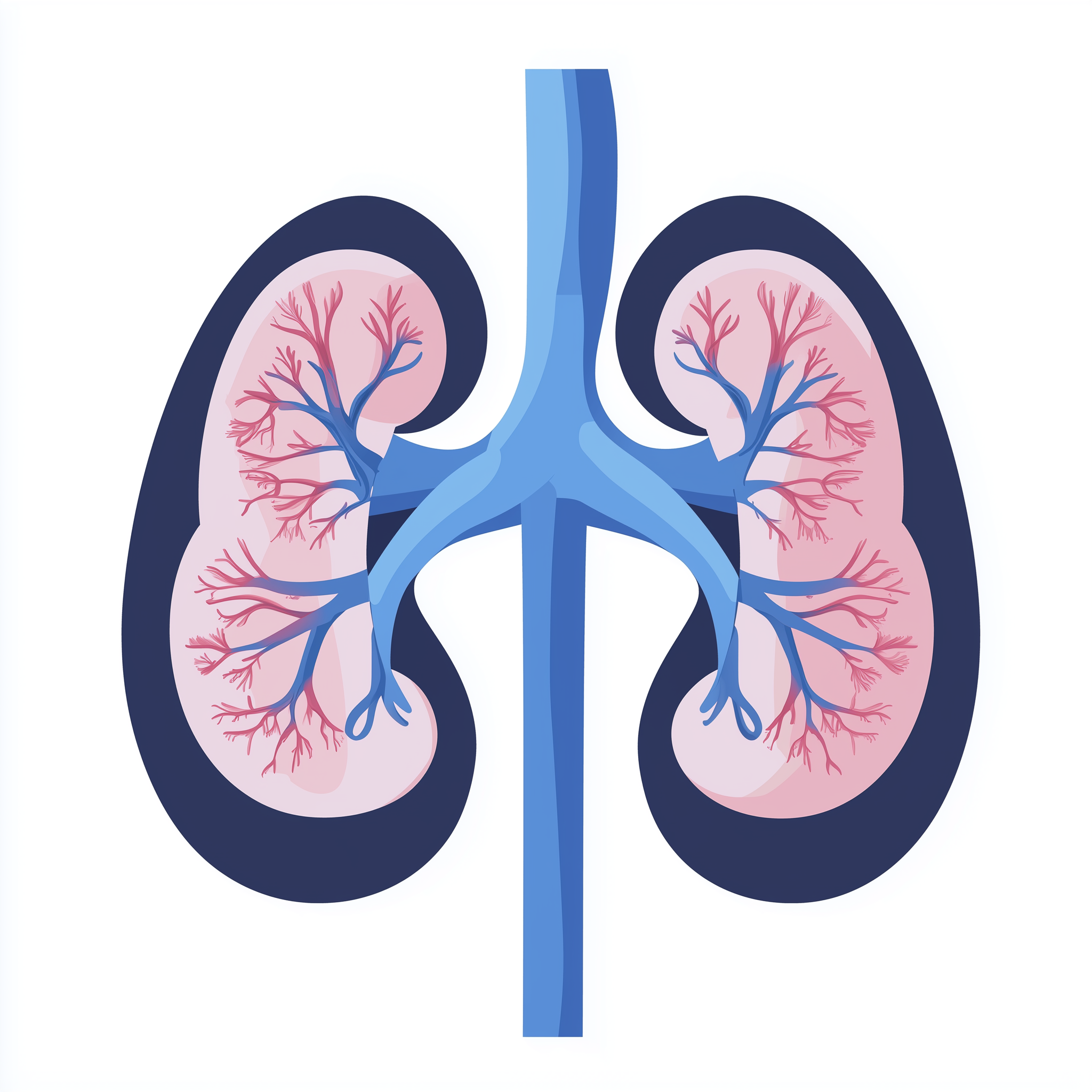
Gordon syndrome primarily affects the kidneys, specifically the tubules responsible for reabsorbing salt and water and secreting potassium and acid. This dysfunction leads to the characteristic electrolyte imbalances and high blood pressure.
As a secondary effect of chronic high blood pressure, other organs can be impacted over time. The cardiovascular system, including the heart and blood vessels, can be strained, potentially leading to heart enlargement or increased risk of heart disease. The brain may also be affected by prolonged hypertension, although direct brain involvement from Gordon syndrome itself is not common.

Risks & severity
The severity of Gordon syndrome can vary between individuals, even within the same family. High blood pressure typically manifests in childhood or early adulthood and can be mild to severe. If left untreated, chronic high blood pressure increases the risk of serious health issues such as heart disease, stroke, and kidney damage.
Hyperekalaemia can also range in severity. While mild elevation may be asymptomatic, significantly high potassium levels are a medical concern due to their potential to affect heart function. The exact prevalence of Gordon syndrome is not well established, but it is considered a rare condition.
Genetic causes
Gordon syndrome is caused by pathogenic variants in several genes that play a crucial role in kidney function and blood pressure regulation. The genes currently known to be associated with this condition include CUL3, KLHL3, WNK1, and WNK4 [PMID:22037599].
These genes provide instructions for making proteins that are involved in the WNK-SPAK/OSR1 kinase signalling pathway. This pathway regulates how the kidneys handle salt and potassium. Pathogenic changes in these genes disrupt the normal function of these proteins, leading to increased reabsorption of salt and water and decreased excretion of potassium in the kidneys. This imbalance results in the characteristic high blood pressure and hyperkalaemia seen in Gordon syndrome.
- CUL3 cullin 3
- KLHL3 kelch like family member 3
- WNK1 WNK lysine deficient protein kinase 1
- WNK4 WNK lysine deficient protein kinase 4
Inheritance pattern
Gordon syndrome is typically inherited in an autosomal recessive pattern. This means that an individual must inherit two pathogenic variants - one from each parent - to develop the condition. Parents who each carry one pathogenic variant (they are 'carriers') usually do not show symptoms themselves.
For each child born to two carrier parents, there is a 25% chance of inheriting two pathogenic variants and developing Gordon syndrome, a 50% chance of inheriting one pathogenic variant and being a carrier, and a 25% chance of inheriting no pathogenic variants and not being a carrier. Family members of someone diagnosed with Gordon syndrome may be offered genetic counselling to understand their own risks and testing options.
When both parents are carriers, each child has a 25% chance of being affected, 50% of being a carrier, and 25% of being unaffected.
Diagnosis & testing
Diagnosing Gordon syndrome typically involves a combination of clinical assessment, blood tests, and genetic testing. A doctor may suspect Gordon syndrome if a patient presents with persistent high blood pressure, unexplained high potassium levels, and sometimes metabolic acidosis, especially if these symptoms begin in childhood or early adulthood.
Blood tests often show elevated plasma potassium, normal or low plasma renin activity, and normal or low aldosterone levels, which helps differentiate Gordon syndrome from other causes of hypertension and hyperkalaemia. A definitive diagnosis is confirmed through genetic testing to identify pathogenic variants in the CUL3, KLHL3, WNK1, or WNK4 genes. In the UK, genetic testing for suspected Gordon syndrome would fall under the NHS Genomic Medicine Service, often accessed via an R-code, and typically initiated by a clinical geneticist or renal specialist.
Management & lifestyle
Management of Gordon syndrome focuses on controlling blood pressure and normalising potassium levels to prevent complications. Treatment often involves diet modifications, such as a low-salt diet, and specific medications known as thiazide diuretics. These diuretics help the kidneys excrete excess salt and, by doing so, can lower blood pressure and reduce potassium levels.
Regular monitoring of blood pressure, blood potassium, and kidney function is essential to ensure treatment effectiveness and adjust medication as needed. Individuals with Gordon syndrome in the UK would typically be managed by a team including a nephrologist (kidney specialist) and, where appropriate, a clinical geneticist, through the NHS. Genetic counsellors can provide support and information regarding the genetic aspects of the condition and its inheritance.
UK care pathway
For individuals in the UK suspected of having Gordon syndrome, the diagnostic and management pathway typically involves specialist NHS services. Referral to a clinical geneticist or an expert in renal medicine is common. Genetic testing, using specific R-codes under the NHS Genomic Medicine Service, can confirm the diagnosis at a molecular level. Genetic counsellors are available to provide support and information to patients and their families, explaining inheritance patterns and testing options for relatives.
Frequently asked questions
What is the main difference between Gordon syndrome and other types of high blood pressure?
Gordon syndrome is unique because its high blood pressure is caused by specific kidney abnormalities related to how salt and potassium are handled, linked to changes in particular genes. This is often accompanied by high blood potassium and a low-renin state, which differentiates it from more common forms of high blood pressure.
Can Gordon syndrome be cured?
Gordon syndrome is a genetic condition, meaning it cannot be cured. However, its symptoms, especially high blood pressure and high potassium levels, can be effectively managed with medication, typicallythiazide diuretics, and dietary adjustments. Regular medical follow-up is important.
What does 'autosomal recessive inheritance' mean for my family?
Autosomal recessive inheritance means that for Gordon syndrome to develop, an individual must inherit two copies of a pathogenic gene, one from each parent. If you have Gordon syndrome, both your parents are carriers. For any future children of two carriers, there's a 25% chance of them having the condition.
What kind of doctor treats Gordon syndrome?
Individuals with Gordon syndrome are typically treated by a nephrologist, who specialises in kidney diseases. In the UK, a clinical geneticist may also be involved in confirming the diagnosis through genetic testing and advising on genetic aspects for the family.
Are there any lifestyle changes that can help manage Gordon syndrome?
Yes, lifestyle adjustments can be beneficial. A low-salt diet is often recommended to help manage blood pressure. Regular physical activity, maintaining a healthy weight, and avoiding smoking can also contribute to overall cardiovascular health, which is particularly important for individuals with high blood pressure.