

On this page
Gitelman syndrome
This condition typically causes symptoms such as muscle weakness, fatigue, and cramps due to low levels of electrolytes in the blood. It affects individuals from childhood or adolescence and requires lifelong management to control symptoms and prevent complications.
Available at Jeen Health
Clinical tests that include this
Overview
Gitelman syndrome is a rare genetic condition that primarily affects the kidneys' ability to reabsorb certain salts and minerals, known as electrolytes [PMID:33671239]. Specifically, it impairs the kidney's tubule cells from properly reabsorbing sodium chloride, which leads to lower levels of potassium and magnesium in the blood. This electrolyte imbalance can cause a range of symptoms, impacting daily life. The condition is usually diagnosed in childhood or adolescence, though it can sometimes be identified later in adulthood [PMID:24765969].
Individuals with Gitelman syndrome have lifelong needs for monitoring and management to help correct the electrolyte disturbances. Despite these challenges, many people with this condition can lead full and active lives with appropriate treatment and support.
Symptoms & clinical features
The symptoms of Gitelman syndrome often begin during childhood or adolescence, though they can vary in severity and presentation. Common signs include muscle weakness, fatigue, and cramps, which are largely due to the low levels of potassium (hypokalaemia) and magnesium (hypomagnesaemia) in the blood [PMID:24765969]. Some individuals may also experience tingling sensations, particularly in the hands and feet.
Other symptoms can include increased thirst and frequent urination, especially at night, as the kidneys are less efficient at concentrating urine. Some people might have a craving for salt. In more severe cases, individuals could experience episodes of muscle spasm or even rhabdomyolysis, a condition where damaged muscle tissue releases proteins into the blood. Despite these potential symptoms, the long-term prognosis for kidney function is generally good, with most individuals not developing kidney failure.
Video: Genetics 101
Affected organs
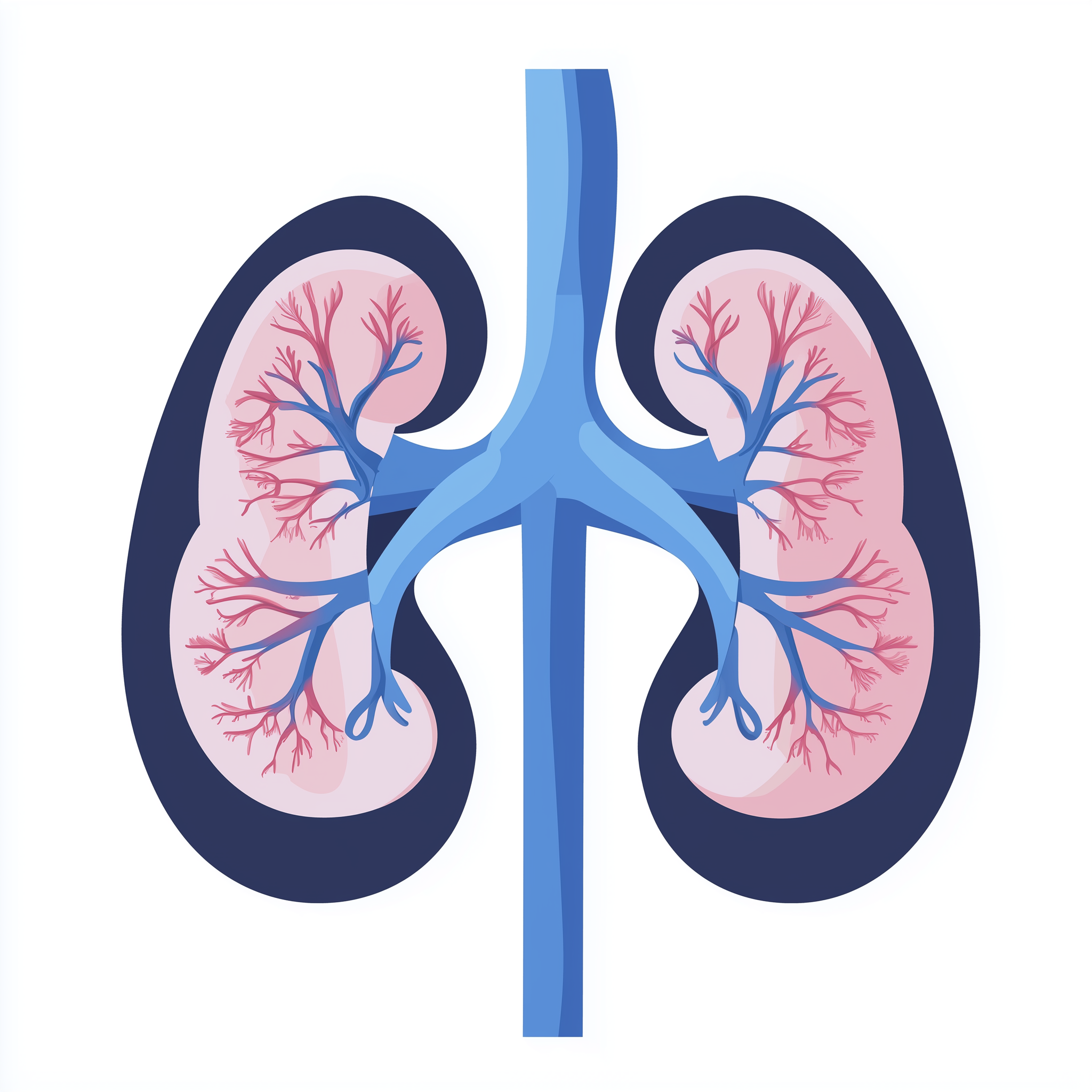
Gitelman syndrome primarily affects the kidneys, specifically a part called the distal convoluted tubule. This is where the kidneys are meant to reabsorb sodium, chloride, potassium, and magnesium back into the bloodstream. In Gitelman syndrome, the proper functioning of this tubule is disrupted, leading to the characteristic loss of these electrolytes in the urine.
While the kidneys are the directly affected organ, the resulting electrolyte imbalances can impact other body systems. For instance, low potassium and magnesium levels can influence muscle and nerve function, leading to symptoms like cramps, weakness, and fatigue. In some cases, low magnesium can affect calcium levels, potentially contributing to conditions like chondrocalcinosis (calcium crystal deposits in joints).
Risks & severity
Gitelman syndrome shows a wide range of severity, with symptoms ranging from very mild and sometimes unnoticed, to severe and significantly impacting quality of life. The condition is typically not life-threatening in itself, and most individuals do not experience progressive kidney failure often seen in other kidney disorders.
Complications, when they occur, are usually related to long-term electrolyte imbalances. These can include cardiac arrhythmias (irregular heartbeats) due to very low potassium, or chondrocalcinosis (calcium crystal deposits in joints) which can cause joint pain, especially in adults. The exact prevalence of Gitelman syndrome is not well established, but estimates suggest it affects approximately 1 in 40,000 people, making it a rare condition.
Genetic causes
Gitelman syndrome is caused by pathogenic variants in the *SLC12A3* gene. This gene provides instructions for making a protein called the thiazide-sensitive sodium-chloride cotransporter (NCC). The NCC protein is found in the cells of the distal convoluted tubule in the kidneys and plays a crucial role in reabsorbing sodium and chloride back into the bloodstream from the filtered fluid.
When a pathogenic variant occurs in *SLC12A3*, the NCC protein either doesn't work correctly or is not produced in sufficient amounts. This disruption means the kidneys cannot properly reabsorb sodium chloride, leading to increased excretion of sodium, chloride, potassium, and magnesium in the urine. The resulting loss of these vital electrolytes from the body causes the characteristic symptoms of Gitelman syndrome.
- SLC12A3 solute carrier family 12 member 3
Inheritance pattern
Gitelman syndrome is inherited in an autosomal recessive pattern. This means that an individual must inherit two copies of the altered *SLC12A3* gene - one from each parent - to develop the condition. If a person inherits only one copy of the altered gene, they are considered a 'carrier' [PMID:33671239].
Carriers usually do not show symptoms of Gitelman syndrome themselves, but they can pass the altered gene on to their children. If two carriers have a child together, there is a 25% chance with each pregnancy that the child will inherit two altered gene copies and develop Gitelman syndrome. There is a 50% chance the child will be a carrier, and a 25% chance the child will inherit two unaffected gene copies and not be a carrier.
When both parents are carriers, each child has a 25% chance of being affected, 50% of being a carrier, and 25% of being unaffected.
Diagnosis & testing
Diagnosing Gitelman syndrome typically involves a combination of clinical assessment and laboratory tests. Blood tests revealing low levels of potassium (hypokalaemia) and magnesium (hypomagnesaemia), often accompanied by high levels of renin and aldosterone but normal or low blood pressure, are strong indicators. Urine tests usually show high levels of potassium and magnesium excretion [PMID:24765969].
Confirmation of Gitelman syndrome often requires genetic testing to identify pathogenic variants in the *SLC12A3* gene. In the UK, genetic testing for suspected inherited kidney conditions like Gitelman syndrome falls under the NHS Genomic Medicine Service (GMS) pathways. Referrals for genetic testing are typically made by a nephrologist or clinical geneticist following initial clinical and biochemical investigations. The relevant NHS Genomic Medicine Service R-code for Gitelman syndrome would be R145 Gitelman syndrome.
Management & lifestyle
Management of Gitelman syndrome focuses on correcting the electrolyte imbalances and alleviating symptoms. This typically involves lifelong supplementation of potassium and magnesium to maintain levels within a healthy range. The specific doses and types of supplements are tailored to each individual based on their symptoms and blood test results.
Dietary modifications, such as increasing salt intake (if advised by a clinician) or consuming potassium-rich foods, may also be recommended. Regular monitoring through blood tests is crucial to adjust treatment as needed. In some cases, potassium-sparing diuretics may be used, though this is less common and depends on individual circumstances. Management plans are usually coordinated by a nephrologist within the NHS, often in consultation with a clinical geneticist or specialist nurse. Genetic counsellors can provide support and information regarding the genetic aspects of the condition and its inheritance.
UK care pathway
In the UK, individuals suspected of having Gitelman syndrome typically enter the care pathway via referral to a specialist, such as a nephrologist. Following initial clinical and biochemical assessment, if an inherited kidney disorder is suspected, a referral to Clinical Genetics services might be made. This ensures access to comprehensive genetic counselling and consideration for genetic testing through the NHS Genomic Medicine Service (GMS).
Genetic testing for Gitelman syndrome is available under the GMS using the designated R-code R145. This pathway provides a standardised route for diagnosis and allows for appropriate management plans to be developed, often involving multidisciplinary teams within the NHS.
Frequently asked questions
Is Gitelman syndrome a serious condition?
Gitelman syndrome is typically not considered life-threatening, and most affected individuals have a good long-term prognosis for kidney function. However, the chronic electrolyte imbalances can cause uncomfortable symptoms and, if not managed, may lead to complications like heart rhythm disturbances or joint pain.
How is Gitelman syndrome managed?
Management primarily involves lifelong oral supplements of potassium and magnesium to correct electrolyte imbalances. Regular blood tests are needed to monitor levels and adjust medication. Dietary advice might also be given. This care is usually coordinated by a kidney specialist (nephrologist) within the NHS.
Can Gitelman syndrome be cured?
Gitelman syndrome is a genetic condition, and there is currently no cure. However, it is a manageable condition, and symptoms can be effectively controlled with appropriate lifelong treatment and monitoring, allowing most individuals to live full lives.
What does 'autosomal recessive inheritance' mean for my family?
Autosomal recessive inheritance means that both parents must carry a copy of the altered gene for their child to have Gitelman syndrome. If you have the condition, your siblings and children may be carriers or potentially affected. Genetic counselling can provide detailed information specific to your family's situation and help with family planning.
Will Gitelman syndrome lead to kidney failure?
Unlike some other kidney disorders, Gitelman syndrome generally does not lead to kidney failure. While the kidneys are affected, the specific part of the kidney involved means that overall kidney function typically remains stable over a person's lifetime.