

On this page
Bartter syndrome
This inherited kidney disorder leads to an imbalance of important electrolytes in the body, such as potassium, sodium, and chloride. It often presents in childhood, causing a range of symptoms from growth problems to muscle weakness.
Available at Jeen Health
Clinical tests that include this
Overview
Bartter syndrome is a group of rare inherited kidney disorders. In individuals with this condition, the kidneys struggle to reabsorb adequate amounts of salts (like sodium and chloride) and other minerals, which are usually filtered from the blood [PMID:33679883]. This impaired reabsorption leads to increased loss of these essential electrolytes in the urine. Consequently, the body develops an imbalance of key electrolytes, including low levels of potassium (hypokalaemia) and abnormal acid-base balance (metabolic alkalosis) [PMID:31548651].
The consequences of these electrolyte disturbances can impact various body systems. Although considered a rare disease, the specific prevalence of Bartter syndrome is not well-established in the UK. Healthcare professionals in the NHS who suspect this condition would typically refer patients to specialist renal or paediatric services for further assessment and diagnosis.
Symptoms & clinical features
The symptoms of Bartter syndrome can vary, depending on the specific genetic cause and the age at which the condition manifests. In severe cases, symptoms may appear before birth, leading to polyhydramnios (excess amniotic fluid) and premature delivery. Children often experience difficulties with growth and development, including failure to thrive.
Common symptoms include excessive urination (polyuria) and extreme thirst (polydipsia), due to the kidneys' inability to concentrate urine effectively. Affected individuals may also have muscle weakness, cramps, and constipation as a result of low potassium levels. Fatigue and lethargy are also frequently reported. Less commonly, features such as hearing loss can also be observed in some forms of Bartter syndrome.
Video: Genetics 101
Affected organs
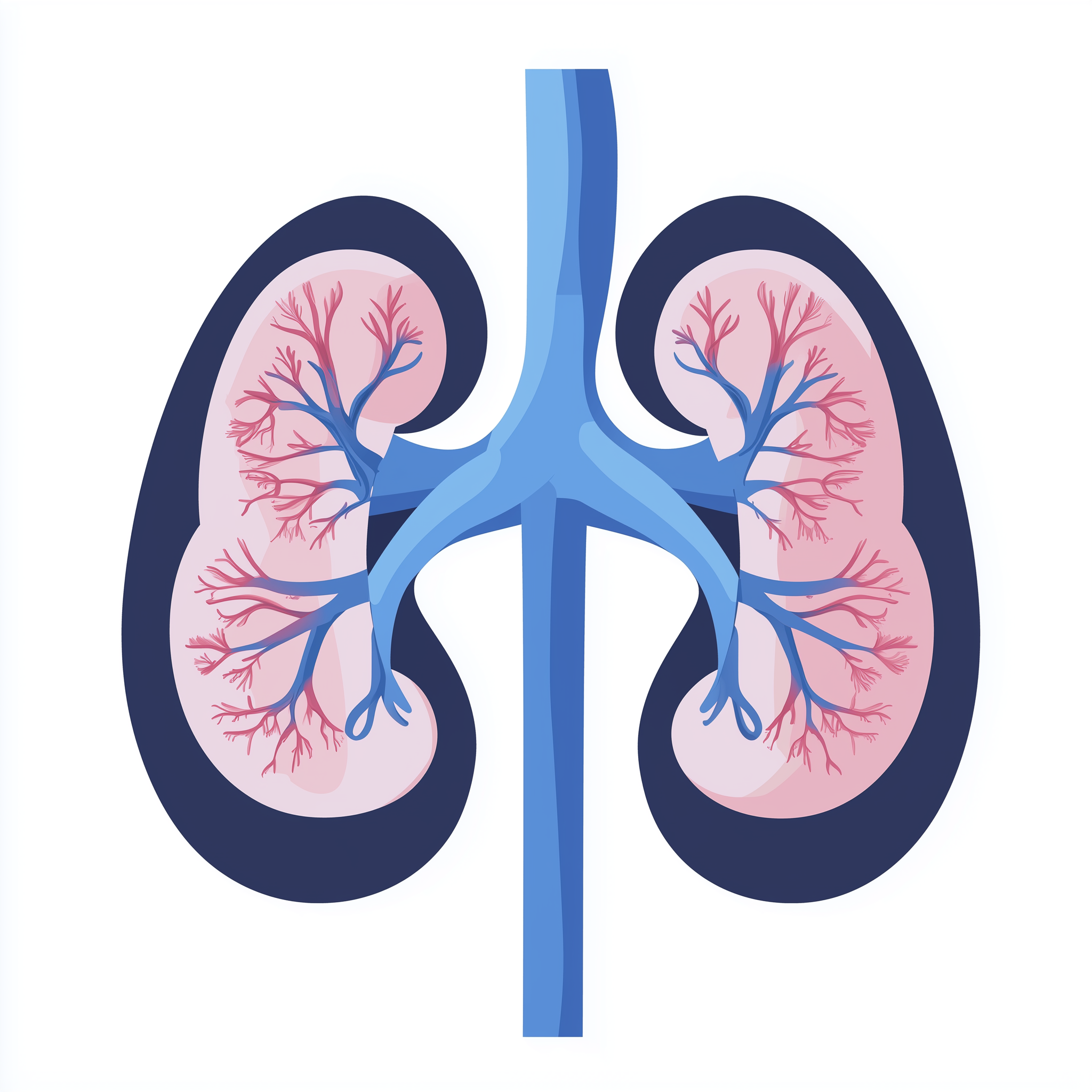
Bartter syndrome primarily affects the kidneys, specifically the cells lining the tubules responsible for regulating the body's salt and water balance. The impaired function of these kidney cells leads to the characteristic loss of electrolytes. While the kidneys are the main organ affected, the resulting electrolyte imbalances can have widespread effects on other body systems.
Low potassium levels can impact muscle function throughout the body, including the heart. The inner ear may also be affected in certain types of Bartter syndrome, leading to hearing impairment. The chronic imbalance of electrolytes can also affect the body's overall growth and development, particularly in children.
Risks & severity
Bartter syndrome presents with a spectrum of severity, even within individuals who have the same genetic cause. The condition generally manifests during childhood, with severe forms often detectable before or shortly after birth. Untreated, the chronic electrolyte imbalances can lead to serious complications. These may include kidney stones, chronic kidney disease, and in some cases, progressive kidney damage [PMID:33679883].
The long-term outlook for individuals with Bartter syndrome depends on early diagnosis and consistent management of electrolyte disturbances. While the condition can be life-long, ongoing medical care often helps manage symptoms and prevent severe complications, allowing many individuals to lead relatively full lives.
Genetic causes
Bartter syndrome is caused by pathogenic changes in specific genes that are crucial for kidney function. The genes most commonly associated with Bartter syndrome include SLC12A1, KCNJ1, CLCNKB, and BSND. These genes provide instructions for making proteins that are involved in the reabsorption of salts, particularly in a part of the kidney called the loop of Henle.
For example, SLC12A1 provides instructions for the Na-K-2Cl co-transporter, which is vital for moving sodium, potassium, and chloride ions across kidney cell membranes. Pathogenic changes in SLC12A1 disrupt this transporter's function, leading to excessive salt loss. Similarly, CLCNKB encodes a chloride channel (ClC-Kb), and BSND encodes an accessory protein (barttin) that helps the ClC-Kb chloride channel function correctly [PMID:31548651]. When these proteins do not work effectively, the body cannot retain enough electrolytes, leading to the symptoms seen in Bartter syndrome.
- BSND barttin CLCNK type accessory subunit betaThe BSND gene encodes the barttin protein, crucial for the proper function of chloride channels in the kidneys and inner ear, which are involved in fluid balance and hearing.
- CLCNKB chloride voltage-gated channel KbThe CLCNKB gene encodes a chloride channel, ClC-Kb, which is predominantly expressed in the kidneys and plays a vital role in salt reabsorption and maintaining fluid balance.
- KCNJ1 potassium inwardly rectifying channel subfamily J member 1The KCNJ1 gene provides instructions for making a potassium channel protein called ROMK, which is predominantly active in the kidneys and plays a key role in maintaining fluid and electrolyte balance.
- SLC12A1 solute carrier family 12 member 1
Inheritance pattern
Bartter syndrome is inherited in an autosomal recessive pattern. This means that an individual must inherit two altered copies of the same gene - one from each parent - to develop the condition. If a person inherits only one altered copy of the gene, they are considered a 'carrier'. Carriers typically do not show symptoms of the condition themselves because their other unaffected copy of the gene can still function correctly.
When both parents are carriers of the same altered gene, for each pregnancy, there is a 25% chance of their child inheriting two altered copies and developing Bartter syndrome. There is a 50% chance of their child being a carrier, and a 25% chance of their child inheriting two unaffected copies and not being a carrier. Genetic counselling is available through the NHS to help families understand these inheritance patterns and their implications.
When both parents are carriers, each child has a 25% chance of being affected, 50% of being a carrier, and 25% of being unaffected.
Diagnosis & testing
Diagnosing Bartter syndrome typically involves a combination of clinical assessment, laboratory tests, and genetic testing. Doctors may suspect the condition based on symptoms like growth problems, excessive urination, and characteristic electrolyte imbalances found in blood and urine tests, such as low potassium and high urine chloride levels. These tests help differentiate Bartter syndrome from other conditions with similar symptoms.
Confirmation of Bartter syndrome usually relies on genetic testing, which identifies pathogenic changes in one of the associated genes (e.g., SLC12A1, KCNJ1, CLCNKB, or BSND) [PMID:31548651]. Referral for genetic testing can be initiated by a specialist paediatrician or nephrologist, often within the NHS Genomic Medicine Service. The relevant NHS Genomic Medicine Service R-code for inherited renal tubulopathies, which includes Bartter syndrome, would be used.
Management & lifestyle
While there is no cure for Bartter syndrome, management focuses on correcting electrolyte imbalances and alleviating symptoms. This typically involves lifelong oral supplements of potassium and sometimes magnesium, along with medications that help the kidneys retain more salt and water. Non-steroidal anti-inflammatory drugs (NSAIDs) may also be used to help reduce kidney salt loss and improve electrolyte balance [PMID:33679883].
Regular monitoring of electrolyte levels and kidney function is essential to adjust treatments as needed and prevent complications. Care is usually provided by a multidisciplinary team, including paediatricians, nephrologists (kidney specialists), dietitians, and genetic counsellors within the NHS. Patients and their families are encouraged to work closely with their healthcare team to develop a personalised management plan.
UK care pathway
In the UK, suspected cases of Bartter syndrome are typically managed through the NHS. Initial assessment may occur in general paediatric or adult medicine clinics, with subsequent referral to specialist renal or paediatric immunology and infectious diseases services. Genetic testing for Bartter syndrome is available through the NHS Genomic Medicine Service, often following referral from a specialist clinician. This testing falls under the relevant R-codes for inherited renal tubulopathies in the inherited kidney disease test directory.
Upon diagnosis, care is usually coordinated by a specialist renal team. Patients and their families also have access to genetic counsellors who can provide comprehensive information about the condition, its inheritance pattern, and discuss implications for family planning and other relatives.
Frequently asked questions
What is the difference between Bartter syndrome and Gitelman syndrome?
Both Bartter and Gitelman syndromes are inherited kidney disorders that cause electrolyte imbalances. Bartter syndrome usually appears earlier in life and is typically more severe, primarily involving the loop of Henle in the kidney and leading to significant potassium and chloride loss. Gitelman syndrome is often milder, presents later, and primarily affects magnesium and potassium reabsorption in a different part of the kidney called the distal convoluted tubule.
Can Bartter syndrome be cured?
Currently, there is no cure for Bartter syndrome. However, the condition is manageable through lifelong treatment aimed at correcting the electrolyte imbalances and managing symptoms. This typically involves taking oral supplements and medications prescribed by a specialist.
How does Bartter syndrome affect daily life?
With consistent medical management, many individuals with Bartter syndrome can lead relatively normal lives. However, they typically need to take daily medications and supplements and attend regular medical appointments for monitoring. Some people may experience chronic fatigue or muscle weakness, which can impact daily activities, but these are often controllable with treatment.
Is Bartter syndrome always inherited?
Yes, Bartter syndrome is a genetic condition and is always inherited. It follows an autosomal recessive inheritance pattern, meaning a child must inherit a pathogenic genetic change from both parents to develop the condition. Parents who each carry one copy of a pathogenic gene variant typically do not show symptoms themselves but can pass the condition to their children.
What kind of specialist treats Bartter syndrome in the UK?
In the UK, Bartter syndrome is primarily managed by kidney specialists, known as nephrologists. For children, a paediatric nephrologist would lead their care. Patients often work with a multidisciplinary team including dietitians, and may also consult with genetic counsellors to understand the genetic aspects of the condition.
References
- Fulchiero R, Seo-Mayer P. Bartter Syndrome and Gitelman Syndrome. Pediatric clinics of North America. 2019. PMID: 30454738
- Hoogstraten CA, Hoenderop JG, de Baaij JHF. Mitochondrial Dysfunction in Kidney Tubulopathies. Annual review of physiology. 2024. PMID: 38012047
- Konrad M, Nijenhuis T, Ariceta G. Diagnosis and management of Bartter syndrome: executive summary of the consensus and recommendations from the European Rare Kidney Disease Reference Network Working Group for Tubular Disorders. Kidney international. 2021. PMID: 33509356
- Hebert SC. Bartter syndrome. Current opinion in nephrology and hypertension. 2003. PMID: 12920401
- Bokhari SRA, Zulfiqar H, Rauf N. Bartter Syndrome. 2026. PMID: 28723048
- Zieg J, Doležel Z. Bartter and Gitelman syndromes. Casopis lekaru ceskych. 2022. PMID: 36100451
- Cunha TDS, Heilberg IP. Bartter syndrome: causes, diagnosis, and treatment. International journal of nephrology and renovascular disease. 2018. PMID: 30519073
- Mohan Lal B, Musthafa Hafeesa N, Vikram NK. Polymyxin B-induced Bartter syndrome. BMJ case reports. 2024. PMID: 38702070