

On this page
Gaucher disease type 3 (chronic neuronopathic)
This condition is a type of lysosomal storage disorder, affecting how cells break down certain fats. It can lead to a range of symptoms impacting the spleen, liver, bones, and nervous system, typically emerging in childhood or adolescence.
Available at Jeen Health
Clinical tests that include this
Overview
Gaucher disease type 3 is a form of Gaucher disease, a rare inherited metabolic disorder. It is characterised by the body's inability to properly break down a fatty substance called glucocerebroside [PMID:33678077]. This occurs due to a deficiency in an enzyme called glucocerebrosidase. When this enzyme is not working correctly, glucocerebroside builds up in cells, particularly in specialised immune cells called macrophages, which then become enlarged and are known as Gaucher cells.
These Gaucher cells can accumulate in various organs, leading to a range of symptoms. Gaucher disease is classified into types based on whether the nervous system is affected and the typical age of onset and progression. Type 3 is known as the chronic neuronopathic form, meaning it involves neurological symptoms that progress more slowly compared to the severe infantile form (Type 2). The condition typically becomes apparent during childhood or adolescence, affecting various bodily systems.
While Gaucher disease type 1 is the most common form and does not involve primary neurological symptoms, type 3 presents with both systemic issues (affecting organs like the spleen, liver, and bones) and neurological involvement. The exact prevalence of Gaucher disease type 3 is not well established, but it is considered a rare disease worldwide [PMID:31252199].
Symptoms & clinical features
The symptoms of Gaucher disease type 3 can vary widely among individuals, even within the same family. However, they generally involve a combination of non-neurological (systemic) and neurological features.
Systemic symptoms often include an enlarged spleen (splenomegaly) and liver (hepatomegaly), which can lead to a swollen abdomen. This may also cause fatigue due to anaemia (low red blood cell count) and an increased risk of bleeding or bruising due to low platelet counts. Bone problems are also common, such as bone pain, bone crises (sudden severe pain), and an increased risk of fractures or arthritis. Some individuals may also experience lung involvement or growth delays [PMID:33678077].
Neurological symptoms are a defining characteristic of Type 3 and tend to progress more gradually than in Type 2. These can include problems with eye movements, such as jerky eye movements or difficulty moving the eyes horizontally. Other neurological signs may involve clumsiness, unsteadiness when walking (ataxia), speech difficulties (dysarthria), and in some cases, seizures or cognitive impairment. The onset and severity of these neurological symptoms can differ significantly between affected individuals.
Video: Genetics 101
Affected organs
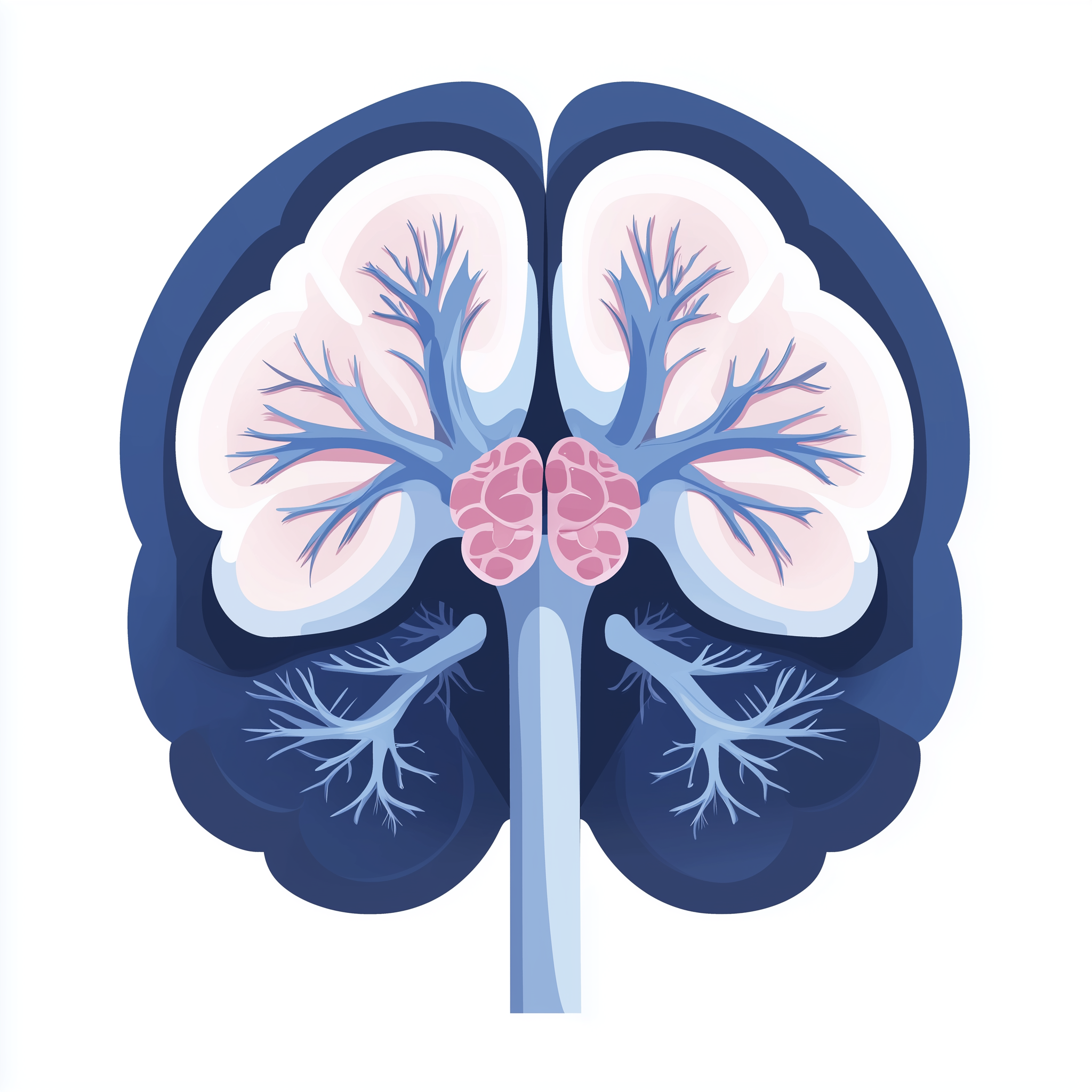
Gaucher disease type 3 can affect multiple organ systems throughout the body. The primary organs involved are those where Gaucher cells tend to accumulate.
The spleen and liver are almost always affected, becoming enlarged as they fill with Gaucher cells. This enlargement can lead to abdominal discomfort and can impair the function of these organs. The bone marrow is also a significant site of involvement, with Gaucher cells accumulating and disrupting normal bone marrow function, leading to anaemia and low platelet counts. This can result in bone pain, weakened bones, and an increased risk of fractures. The skeletal system can also be directly affected, leading to bone crises and joint problems.
Crucially, in type 3 Gaucher disease, the central nervous system is also affected. This includes the brainstem and other parts of the brain. The accumulation of glucocerebroside in nerve cells or supporting cells within the brain can lead to the characteristic neurological symptoms seen in this form of the disease.

Risks & severity
Gaucher disease type 3 is a chronic condition, meaning its symptoms develop over time and require ongoing management. The severity and progression of symptoms can vary considerably, even among individuals with the same genetic changes. Generally, symptoms appear during childhood or adolescence, though some individuals may present later.
The systemic manifestations, such as spleen and liver enlargement, bone disease, and blood count abnormalities, can range from mild to severe. If left untreated, these can lead to significant health complications, including severe bone crises, pathological fractures, and increased susceptibility to infections. The neurological symptoms also have a variable course; some individuals may experience slow progression over many years, while others may have more significant neurological decline [PMID:31252199].
While Gaucher disease type 3 is a serious condition, advancements in treatment have significantly improved the prognosis and quality of life for many individuals. Early diagnosis and consistent management are key to mitigating the risks and managing the severity of the disease.
Genetic causes
Gaucher disease type 3 is caused by pathogenic variants (sometimes called mutations) in the *GBA* gene. This gene provides instructions for making an enzyme called glucocerebrosidase, sometimes referred to as GCase. This enzyme is primarily active in lysosomes, which are often called the 'recycling centres' of cells.
The glucocerebrosidase enzyme is essential for breaking down a specific fatty substance known as glucocerebroside into simpler sugar and fat molecules. In individuals with Gaucher disease, the *GBA* gene contains pathogenic variants that lead to either a severely reduced amount of functional enzyme or an enzyme that does not work correctly. As a result, glucocerebroside cannot be efficiently broken down and instead accumulates within cells, particularly in macrophages, forming the characteristic Gaucher cells.
The specific types of pathogenic variants in the *GBA* gene can influence the amount of residual enzyme activity and, consequently, the clinical presentation and severity of Gaucher disease. Certain variants are more commonly associated with neuronopathic forms like Type 3, although the relationship between genotype and phenotype can be complex [PMID:33678077].
- GBA glucosylceramidase beta 1The GBA gene provides instructions for producing the lysosomal acid glucosylceramidase enzyme, crucial for breaking down a fatty molecule called glucocerebroside within cells.
Inheritance pattern
Gaucher disease type 3 follows an autosomal recessive inheritance pattern. This means that an individual must inherit two copies of a pathogenic variant in the *GBA* gene-one from each parent-to develop the condition.
If a person inherits only one copy of a pathogenic variant from one parent and a normal copy from the other, they are considered a carrier. Carriers typically do not show symptoms of Gaucher disease because their one functional copy of the *GBA* gene produces enough enzyme to prevent glucocerebroside build-up. However, they can pass the pathogenic variant on to their children.
When two carriers of a *GBA* pathogenic variant have children, there is a 25% (1 in 4) chance with each pregnancy that their child will inherit two pathogenic variants and develop Gaucher disease. There is a 50% (2 in 4) chance that their child will be a carrier, and a 25% (1 in 4) chance that their child will inherit two normal copies of the gene and will neither have the condition nor be a carrier. Genetic counselling can provide detailed information and support to families regarding inheritance risks.
When both parents are carriers, each child has a 25% chance of being affected, 50% of being a carrier, and 25% of being unaffected.
Diagnosis & testing
The diagnosis of Gaucher disease type 3 often begins with the recognition of characteristic clinical symptoms, such as an enlarged spleen or liver, unexplained bone pain, or neurological signs like abnormal eye movements. Initial investigations may include blood tests to check for anaemia and low platelet counts, and imaging studies like MRI scans to assess organ size and bone involvement.
A definitive diagnosis of Gaucher disease is typically confirmed through a blood test that measures the activity of the glucocerebrosidase enzyme in white blood cells. Reduced enzyme activity strongly suggests Gaucher disease. Genetic testing, which involves analysing the *GBA* gene for pathogenic variants, is then used to confirm the diagnosis, determine the specific type of Gaucher disease, and identify the inheritance pattern within a family. This genetic confirmation is crucial for prognosis and treatment planning.
In the UK, suspected cases of Gaucher disease would typically be referred to a clinical genetics service or a specialist metabolic disorders clinic. Genetic testing for Gaucher disease is available through the NHS Genomic Medicine Service (GMS) under specific testing criteria (e.g., R-code R141 for lysosomal storage disorders). A diagnosis can sometimes be made prenatally through genetic testing if there is a known family history.
Management & lifestyle
The management of Gaucher disease type 3 aims to reduce symptoms, prevent complications, and improve quality of life. Treatment strategies often involve a multidisciplinary team of specialists, including metabolic specialists, neurologists, haematologists, and orthopaedic surgeons.
Enzyme Replacement Therapy (ERT) is a primary treatment for many individuals with Gaucher disease. ERT involves regular intravenous infusions of a manufactured enzyme that replaces the deficient natural glucocerebrosidase. This therapy can effectively reduce the size of the spleen and liver, improve blood counts, and alleviate bone pain. However, ERT typically does not cross the blood-brain barrier effectively, meaning its impact on neurological symptoms can be limited.
Substrate Reduction Therapy (SRT) is another treatment option, which involves oral medications that reduce the production of glucocerebroside in the body, thereby reducing the amount that needs to be broken down. The choice between ERT and SRT depends on individual circumstances and the presence and severity of neurological symptoms. Symptomatic management for neurological issues, such as anti-seizure medications if needed, and supportive care like physical therapy, are also important components of comprehensive care. Regular monitoring of organ function, bone health, and neurological status is essential to adjust treatment plans as needed.
UK care pathway
In the UK, individuals suspected of having Gaucher disease would typically enter the NHS Genomic Medicine Service (GMS) pathway. This often begins with a referral from a GP or specialist to a regional clinical genetics service or a metabolic disorders centre. These specialist teams are equipped to conduct the necessary diagnostic tests, including enzyme assays and genetic testing.
Genetic testing for Gaucher disease and other lysosomal storage disorders is available through the GMS, often using specific R-codes like R141. If a diagnosis of Gaucher disease type 3 is confirmed, individuals will be managed by a specialist multidisciplinary team. Access to genetic counselling is also a key part of the pathway, providing families with information about inheritance, risks to other family members, and support for decision-making. Treatment and ongoing monitoring are provided by specialist centres across the UK.
Frequently asked questions
What is the difference between Gaucher disease type 1, 2, and 3?
The main difference lies in whether the nervous system is affected and the typical age of onset and progression. Type 1 primarily affects organs like the spleen, liver, and bones without involving the brain. Type 2 is a severe form with rapid neurological decline starting in infancy. Type 3 also involves neurological symptoms, but they progress more slowly and generally appear in childhood or adolescence.
Is Gaucher disease type 3 curable?
Currently, there is no cure for Gaucher disease type 3. However, treatments like Enzyme Replacement Therapy (ERT) and Substrate Reduction Therapy (SRT) can effectively manage many of the systemic symptoms and significantly improve the quality of life for affected individuals. Research continues into new therapies, especially those that might better address neurological symptoms.
If I am a carrier, will I develop symptoms of Gaucher disease?
Typically, carriers of a *GBA* pathogenic variant do not develop symptoms of Gaucher disease because they have one working copy of the gene, which produces enough enzyme. However, being a *GBA* carrier is associated with an increased risk of developing Parkinson's disease later in life, although many carriers never develop Parkinson's.
How often do individuals with Gaucher disease type 3 need treatment?
The frequency of treatment depends on the specific therapy. Enzyme Replacement Therapy (ERT) usually involves intravenous infusions every two weeks. Substrate Reduction Therapy (SRT) involves taking oral medication daily. The exact schedule is determined by the treating specialist based on individual needs and response to treatment.
Can Gaucher disease type 3 affect my child's schooling or development?
Yes, neurological symptoms like learning difficulties, speech problems, or coordination issues can impact a child's schooling and development. However, early diagnosis and supportive therapies, including physical and occupational therapy, can help manage these challenges. A multidisciplinary team can work with families and schools to provide appropriate support.