

On this page
Gaucher disease type 2 (acute neuronopathic)
This condition leads to the build-up of fatty substances in cells, particularly in the brain and other organs, causing progressive neurological damage and other serious health problems, typically beginning in infancy.
Available at Jeen Health
Clinical tests that include this
Overview
Gaucher disease type 2, also known as acute neuronopathic Gaucher disease, is a rare and severe inherited metabolic disorder. It is caused by a problem with the body's ability to break down a specific fatty substance called glucocerebroside [PMID:33678099]. When this substance cannot be properly metabolised, it accumulates within cells, particularly in organs such as the brain, liver, spleen, and lungs, leading to their dysfunction. The 'neuronopathic' aspect of the name highlights the significant and progressive involvement of the nervous system. Symptoms typically appear in infancy, often within the first year of life, and the condition is characterised by its rapid progression.
There are different types of Gaucher disease, with type 2 being the most severe and rapidly progressing form that affects the brain. The accumulation of glucocerebroside in brain cells leads to widespread neurological damage. This has profound effects on development and vital bodily functions. Because of its severity and early onset, it is crucial for healthcare professionals to recognise the signs to ensure appropriate support and management.
Symptoms & clinical features
The symptoms of Gaucher disease type 2 are generally severe and manifest early in life, often before 6 months of age. Neurological signs are prominent and include difficulties with feeding and swallowing, which can lead to poor weight gain and respiratory problems. Infants may experience abnormal eye movements, such as strabismus (crossed eyes) or oculomotor apraxia (difficulty moving eyes voluntarily) [PMID:25605727].
Other neurological symptoms often include increased muscle tone (spasticity), abnormal posturing, and seizures. Outside of the nervous system, affected infants often have an enlarged liver and spleen (hepatosplenomegaly) [PMID:25605727]. Lung involvement can lead to breathing difficulties, and issues with blood cell production may result in anaemia or low platelet counts. These symptoms tend to worsen quickly, leading to significant health challenges.
Video: Genetics 101
Affected organs
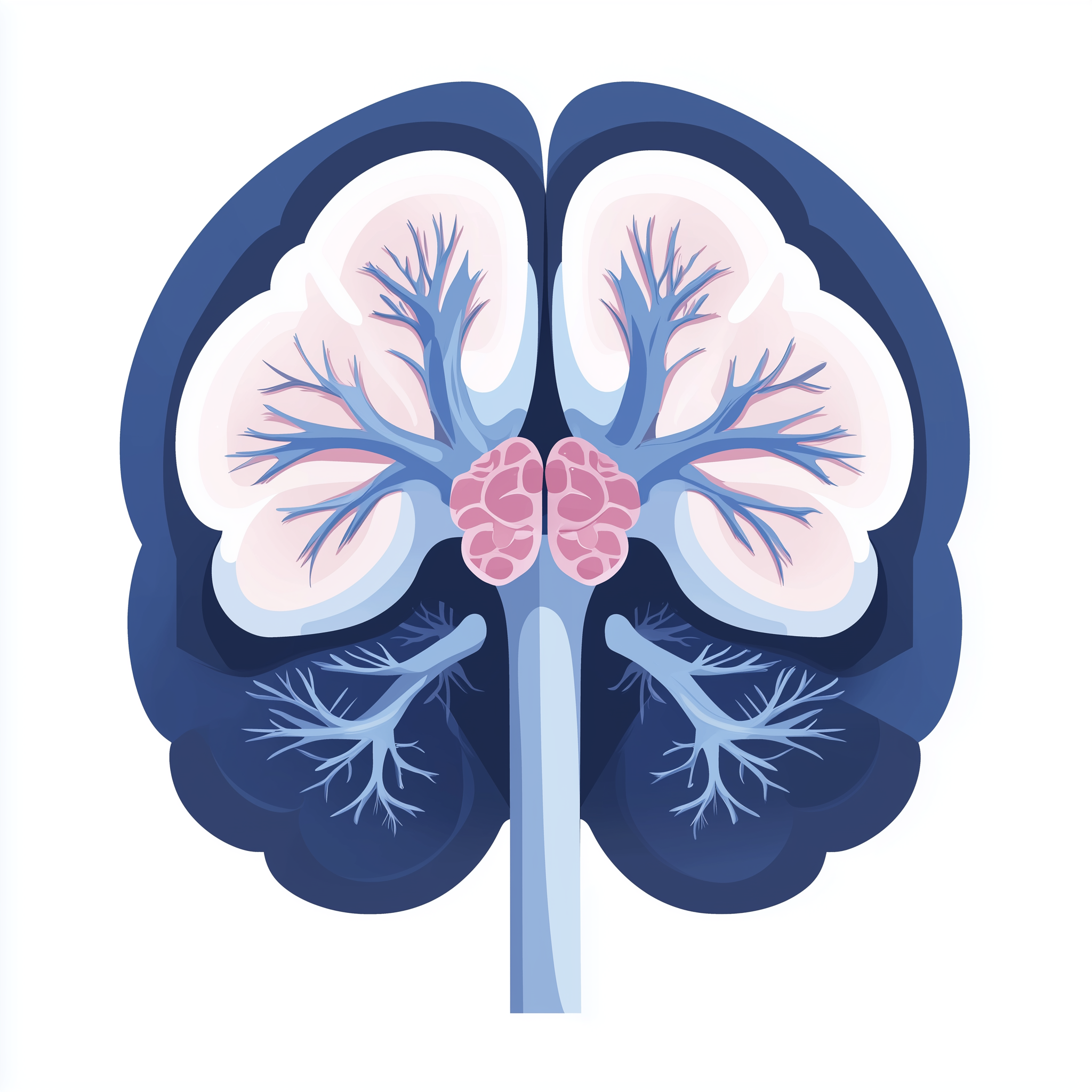
Gaucher disease type 2 primarily affects the brain, causing extensive and progressive neurological damage. The accumulation of glucocerebroside in brain cells, particularly neurons, disrupts their normal function and leads to their degeneration. This neurodegeneration underpins many of the severe symptoms observed in affected infants, including developmental regression, movement disorders, and seizures.
Beyond the central nervous system, other organs are also commonly affected. The liver and spleen can become significantly enlarged due to the build-up of fatty substances within immune cells (macrophages) in these organs. This enlargement, known as hepatosplenomegaly, can impact their normal function. The lungs may also be affected, leading to respiratory complications. In some cases, bone marrow involvement can result in problems with blood cell production, such as anaemia (low red blood cell count) and thrombocytopenia (low platelet count).

Risks & severity
Gaucher disease type 2 is considered a very severe condition with a rapidly progressive course. Symptoms typically begin in infancy, often within the first year of life. The neurological deterioration is usually profound and swift, leading to significant developmental regression and loss of acquired skills. The combination of severe neurological issues, feeding difficulties, and respiratory problems contributes to significant morbidity.
Due to the aggressive nature of the disease and the widespread neurological damage, the prognosis for individuals with Gaucher disease type 2 is generally poor. Life expectancy is often very limited, with most affected children not surviving beyond early childhood [PMID:33678099]. Currently, there are no treatments that can halt or reverse the neurological progression of this specific type of Gaucher disease. The rarity of the condition means exact prevalence figures are not well established, but it is considered extremely rare.
Genetic causes
Gaucher disease type 2 is caused by pathogenic variants (sometimes called mutations) in the *GBA* gene. This gene provides instructions for making an enzyme called glucocerebrosidase (also known as acid beta-glucosidase). This enzyme is vital for the proper function of lysosomes, which are like the recycling centres within cells.
The glucocerebrosidase enzyme is responsible for breaking down a specific fatty substance called glucocerebroside into simpler components. When there are pathogenic variants in the *GBA* gene, the enzyme either isn't produced in sufficient quantities or doesn't work correctly. This leads to an accumulation of glucocerebroside within lysosomes, particularly in certain immune cells called macrophages. These cells, engorged with the fatty material, are known as Gaucher cells. In Gaucher disease type 2, these Gaucher cells infiltrate and damage various organs, most critically the brain, leading to the severe neurological symptoms characteristic of the condition [PMID:33678099].
- GBA glucosylceramidase beta 1The GBA gene provides instructions for producing the lysosomal acid glucosylceramidase enzyme, crucial for breaking down a fatty molecule called glucocerebroside within cells.
Inheritance pattern
Gaucher disease type 2 follows an autosomal recessive pattern of inheritance. This means that a child must inherit two altered copies of the *GBA* gene - one from each parent - to develop the condition. If a person inherits only one altered copy of the *GBA* gene, they are considered a 'carrier'. Carriers typically do not show symptoms of Gaucher disease because their single working copy of the gene produces enough functional enzyme.
When both parents are carriers of a pathogenic variant in the *GBA* gene, there is a 25% (1 in 4) chance with each pregnancy that their child will inherit two altered copies and be affected by Gaucher disease type 2. There is also a 50% (1 in 2) chance that their child will be a carrier like them, and a 25% (1 in 4) chance that their child will inherit two working copies of the gene and not be affected and not be a carrier. Genetic counselling is an important resource for families to understand these inheritance patterns and their implications.
When both parents are carriers, each child has a 25% chance of being affected, 50% of being a carrier, and 25% of being unaffected.
Diagnosis & testing
The diagnosis of Gaucher disease type 2 is typically suspected based on characteristic clinical signs and symptoms observed in infancy. Confirmation usually involves biochemical testing and genetic testing. Biochemical tests measure the activity of the glucocerebrosidase enzyme, often in white blood cells. A significantly reduced enzyme activity level can indicate Gaucher disease [PMID:25605727].
Genetic testing, specifically sequencing of the *GBA* gene, is used to identify the specific pathogenic variants responsible for the condition. This provides a definitive diagnosis and can sometimes help to predict the severity and type of Gaucher disease. In the UK, genetic testing for suspected inherited metabolic disorders is available through the NHS Genomic Medicine Service, often following a referral from a paediatrician or a clinical genetics specialist. The relevant NHS National Genomic Test Directory R-code for Gaucher disease is R138 for inherited metabolic disorders.
Management & lifestyle
Currently, there is no specific treatment that can stop or reverse the severe neurological progression seen in Gaucher disease type 2. Management focuses on supportive care to address the symptoms and improve the child's quality of life. This often involves a multidisciplinary team of specialists, including paediatric neurologists, gastroenterologists, respiratory specialists, and palliative care teams.
Supportive care may include strategies for managing feeding difficulties, such as specialised diets or feeding tubes, and interventions for respiratory problems. Anti-epileptic medications may be used to control seizures. Physical therapy and occupational therapy can help with muscle tone issues and positioning. Genetic counsellors play a crucial role in providing information and support to families, helping them understand the condition and its implications. In the UK, care pathways for rare metabolic conditions are coordinated through specialist centres within the NHS Genomic Medicine Service.
UK care pathway
In the UK, individuals suspected of having rare inherited conditions such as Gaucher disease type 2 typically enter a care pathway within the NHS Genomic Medicine Service. A referral to a clinical genetics service or a specialist paediatric metabolic team is usually the first step, often initiated by a general practitioner or another hospital specialist. These teams can provide expert assessment, arrange for diagnostic genetic testing (covered by NHS R-codes), and offer genetic counselling.
Genetic counsellors are key healthcare professionals who provide support and information to individuals and families regarding genetic conditions. They can explain the inheritance patterns, discuss testing options for family members, and help navigate the complex emotional and practical aspects of living with a genetic diagnosis. For Gaucher disease type 2, ongoing care often involves a network of specialists managed through regional metabolic centres.
Frequently asked questions
What is the difference between Gaucher disease type 1, 2, and 3?
All three types are caused by pathogenic variants in the *GBA* gene, but they differ in severity and whether they affect the brain. Type 1 is generally milder and does not involve the brain. Type 2 is the most severe, with rapid neurological progression in infancy. Type 3 also affects the brain but progresses more slowly than Type 2.
Can Gaucher disease type 2 be cured?
Currently, there is no cure for Gaucher disease type 2. Treatments focus on managing symptoms and providing supportive care to improve the child's quality of life. Unfortunately, available treatments cannot stop or reverse the severe neurological damage in this type.
How is Gaucher disease type 2 inherited?
Gaucher disease type 2 is inherited in an autosomal recessive manner. This means a child must inherit two altered copies of the *GBA* gene - one from each parent - to develop the condition. Parents who carry one altered gene copy usually do not show symptoms.
What are the early signs of Gaucher disease type 2?
Early signs often appear in infancy and can include feeding difficulties, difficulty swallowing, abnormal eye movements, increased muscle tone, seizures, and an enlarged liver and spleen. These symptoms usually progress rapidly.
Where can families get support in the UK?
Families in the UK can access support through NHS Genomic Medicine Service clinical genetics departments and specialist metabolic centres. Genetic counsellors can provide information and emotional support. Patient advocacy groups also offer valuable resources and community connections.