

On this page
Frasier syndrome
This rare syndrome leads to a progressive kidney disease called focal segmental glomerulosclerosis, often resulting in end-stage kidney failure. It also causes abnormalities in the reproductive system, particularly in individuals who are genetically male.
Available at Jeen Health
Clinical tests that include this
Overview
Frasier syndrome is a rare genetic disorder characterised by two main clinical features: a specific type of kidney disease and abnormalities in the development of the reproductive system [PMID:10729227]. The kidney disease, known as focal segmental glomerulosclerosis (FSGS), usually progresses over time and can lead to kidney failure. The reproductive system abnormalities vary, but often involve differences in sexual development, especially in children with XY chromosomes. The condition is complex, with varying degrees of severity in individuals.
Symptoms & clinical features
The symptoms of Frasier syndrome typically develop gradually. Kidney problems often begin in childhood or adolescence, presenting as proteinuria - excessive protein in the urine - which may cause swelling in the legs, ankles, or around the eyes (oedema) [PMID:10729227]. As the kidney disease progresses, individuals may experience symptoms of kidney failure, such as fatigue, poor appetite, and high blood pressure. Regarding reproductive development, genetically male individuals (with XY chromosomes) often have undeveloped testes that remain inside the abdomen (undescended testes) and may appear outwardly female or have ambiguous genitalia. Genetically female individuals (with XX chromosomes) generally have normal external genitalia and reproductive organ development, though they are also at risk of kidney disease [PMID:10729227].
Video: Genetics 101
Affected organs
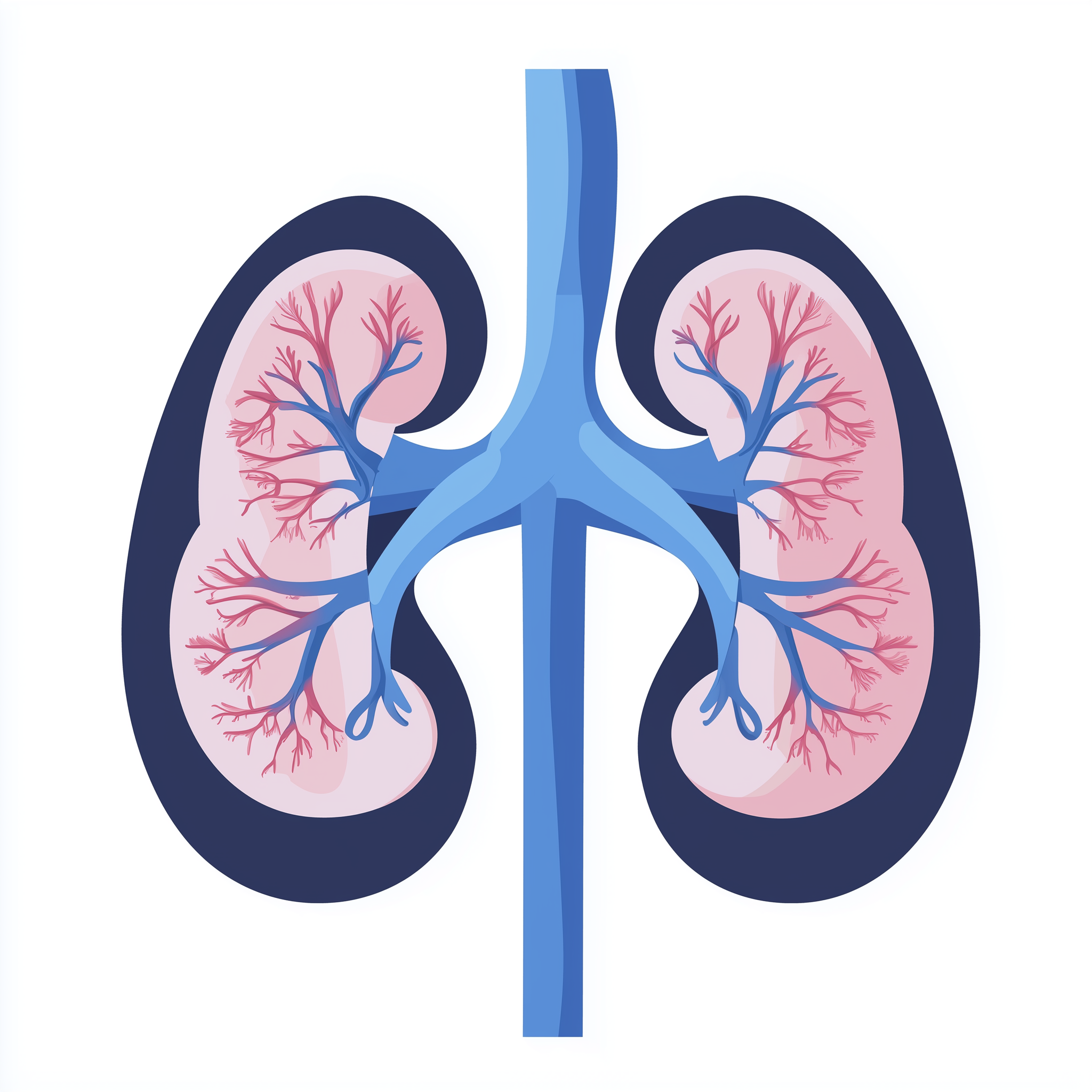
The primary organs affected in Frasier syndrome are the kidneys and the reproductive organs. In the kidneys, the glomeruli - tiny filtering units - become scarred, leading to focal segmental glomerulosclerosis (FSGS). This scarring impairs the kidneys' ability to filter waste from the blood effectively. In individuals with XY chromosomes, the testes may not develop properly or descend, leading to differences in sexual development. The ovaries and internal reproductive organs in XX individuals are typically unaffected by the syndrome.

Risks & severity
Frasier syndrome results in progressive kidney disease, with many individuals developing end-stage kidney failure by adolescence or early adulthood, requiring dialysis or a kidney transplant. The severity of kidney involvement can vary between individuals. For those with XY chromosomes, a significant risk associated with undescended or undeveloped testes is the increased likelihood of developing gonadoblastoma, a type of tumour in the gonads [PMID:33989394]. This risk often necessitates careful monitoring or surgical removal of these gonads. The exact prevalence of Frasier syndrome is not well established due to its rarity.
Genetic causes
Frasier syndrome is caused by pathogenic variants in the WT1 gene. The WT1 gene provides instructions for making a protein that acts as a transcription factor, which means it helps control the activity of other genes. This protein is crucial for the normal development of the kidneys and the reproductive system during foetal growth [PMID:33989394]. Pathogenic variants in WT1 can disrupt the precise regulation of gene expression, particularly affecting the formation of the kidneys' filtering units (glomeruli) and the differentiation of the gonads. This disruption leads to the characteristic features of Frasier syndrome.
- WT1 WT1 transcription factorThe WT1 gene provides instructions for a protein essential for the development of the kidneys and gonads, playing a critical role in cell growth, differentiation, and programmed cell death.
Inheritance pattern
Frasier syndrome is inherited in an autosomal dominant pattern. This means that a person only needs to inherit one copy of the altered WT1 gene from a parent to develop the condition. If a parent has Frasier syndrome, there is a 50% chance with each pregnancy that their child will also inherit the pathogenic variant and be affected. The condition can also arise from a new (de novo) pathogenic variant in the WT1 gene in an individual, meaning neither parent carries the altered gene. Family members of an affected individual may be offered genetic counselling to understand the inheritance risks.
Each child has a 50% chance of inheriting the pathogenic variant, regardless of sex.
Diagnosis & testing
Diagnosis of Frasier syndrome is typically considered when an individual presents with both specific kidney disease (focal segmental glomerulosclerosis) and abnormalities in reproductive system development. For genetically male individuals, differences in sexual development often prompt investigation. Confirmation of the diagnosis relies on genetic testing to identify a pathogenic variant in the WT1 gene. In the UK, genetic testing for Frasier syndrome (part of conditions related to WT1 gene) can be accessed through the NHS Genomic Medicine Service. Referrals for genetic testing are usually made by specialist clinicians, such as paediatricians, nephrologists, or clinical geneticists, often following an R-code testing pathway under the National Genomic Test Directory. Genetic counsellors can also help guide individuals and families through the diagnostic process.
Management & lifestyle
Management of Frasier syndrome focuses on addressing the kidney disease and monitoring or treating the reproductive system abnormalities. Kidney care involves managing proteinuria and high blood pressure, often with medication, and preparing for potential kidney failure, which may involve dialysis or kidney transplantation. For individuals with XY chromosomes, regular screening for gonadoblastoma is crucial, which may include ultrasound scans. Prophylactic removal of the undeveloped gonads may be considered if there is a high risk of tumour development. Management is multidisciplinary, involving nephrologists, endocrinologists, urologists, and geneticists. Individuals with Frasier syndrome should be followed up regularly by specialist teams within the NHS.
UK care pathway
In the UK, individuals suspected of having Frasier syndrome would typically be referred to specialist services within the NHS. This often begins with a referral to a paediatrician or nephrologist, who may then involve a clinical genetics service. Genetic testing for conditions like Frasier syndrome, which is associated with the WT1 gene, is available through the NHS Genomic Medicine Service (GMS) under specific R-codes listed in the National Genomic Test Directory. Clinical geneticists and genetic counsellors play a key role in explaining the condition, its inheritance, and available testing, as well as providing support to affected individuals and their families.
Frequently asked questions
What does it mean that Frasier syndrome is 'autosomal dominant'?
Autosomal dominant inheritance means that a person only needs one copy of the changed WT1 gene to develop Frasier syndrome. If a parent has the condition, there's a 50% chance with each child they have that the child will also inherit the changed gene and be affected.
Will someone with Frasier syndrome definitely need a kidney transplant?
Many individuals with Frasier syndrome do progress to end-stage kidney failure, which often necessitates dialysis or a kidney transplant. However, the exact timeline and severity of kidney disease can vary between individuals.
What is gonadoblastoma and why is it a concern for Frasier syndrome?
Gonadoblastoma is a type of tumour that can develop in the gonads (testes or ovaries). In Frasier syndrome, genetically male individuals with undeveloped or undescended testes have an increased risk of developing this tumour, which is why regular monitoring is recommended.
Can Frasier syndrome occur if neither parent has the condition?
Yes, Frasier syndrome can arise from a 'de novo' or new pathogenic variant in the WT1 gene. This means the genetic change occurred for the first time in the affected individual and was not inherited from either parent.
What kind of doctors treat Frasier syndrome?
Care for Frasier syndrome is typically managed by a team of specialists. This often includes nephrologists (kidney specialists), endocrinologists (hormone specialists), urologists (urinary and reproductive system specialists), and clinical geneticists.
References
- Adam MP, Bick S, Mirzaa GM. WT1 Disorder. 1993. PMID: 32352694
- Merkle LN, Linn SH, Guzzo JC. Frasier syndrome. Endocrine practice : official journal of the American College of Endocrinology and the American Association of Clinical Endocrinologists. 1996. PMID: 15251548
- Ezaki J, Hashimoto K, Asano T. Gonadal tumor in Frasier syndrome: a review and classification. Cancer prevention research (Philadelphia, Pa.). 2015. PMID: 25623218
- Lopez-Gonzalez M, Ariceta G. WT1-related disorders: more than Denys-Drash syndrome. Pediatric nephrology (Berlin, Germany). 2024. PMID: 38326647
- Jaubert F, Nihoul-Fékété C, Lortat-Jacob S. Hermaphroditism pathology. Romanian journal of morphology and embryology = Revue roumaine de morphologie et embryologie. 1999. PMID: 15847378
- Gregoire EP, De Cian MC, Migale R. The -KTS splice variant of WT1 is essential for ovarian determination in mice. Science (New York, N.Y.). 2023. PMID: 37917714
- Niaudet P, Gubler MC. WT1 and glomerular diseases. Pediatric nephrology (Berlin, Germany). 2006. PMID: 16927106
- Salomon R, Gubler MC, Niaudet P. Genetics of the nephrotic syndrome. Current opinion in pediatrics. 2000. PMID: 10763762