

On this page
Focal segmental glomerulosclerosis (INF2)
This condition causes progressive damage to the kidney's filtering structures, known as glomeruli, which can lead to kidney failure. It is an inherited disorder, meaning it can be passed on through families.
Overview
Focal segmental glomerulosclerosis (FSGS) is a type of kidney disease that specifically affects the glomeruli, which are tiny filtering units within the kidneys. In FSGS, some of these glomeruli develop scar tissue, impacting their ability to filter waste products from the blood effectively [PMID:27091564]. FSGS caused by genetic changes in the INF2 gene is a hereditary form of this condition.
This scarring can lead to protein leaking into the urine (proteinuria) and, over time, may cause the kidneys to stop working properly, a condition known as end-stage renal disease (ESRD). The journey of FSGS can vary significantly between individuals, even within the same family.
Symptoms & clinical features
The initial symptoms of FSGS can be subtle and might include swelling, particularly in the legs, ankles, and around the eyes, due to fluid retention. This swelling is often a sign of nephrotic syndrome, which is characterised by high levels of protein in the urine, low levels of protein in the blood, and high cholesterol.
As the condition progresses, individuals may experience fatigue, reduced appetite, and high blood pressure. These symptoms reflect the increasing strain on the kidneys. Blood tests often show abnormal kidney function, and urine tests detect elevated protein levels [PMID:24619790].
Video: Genetics 101
Affected organs
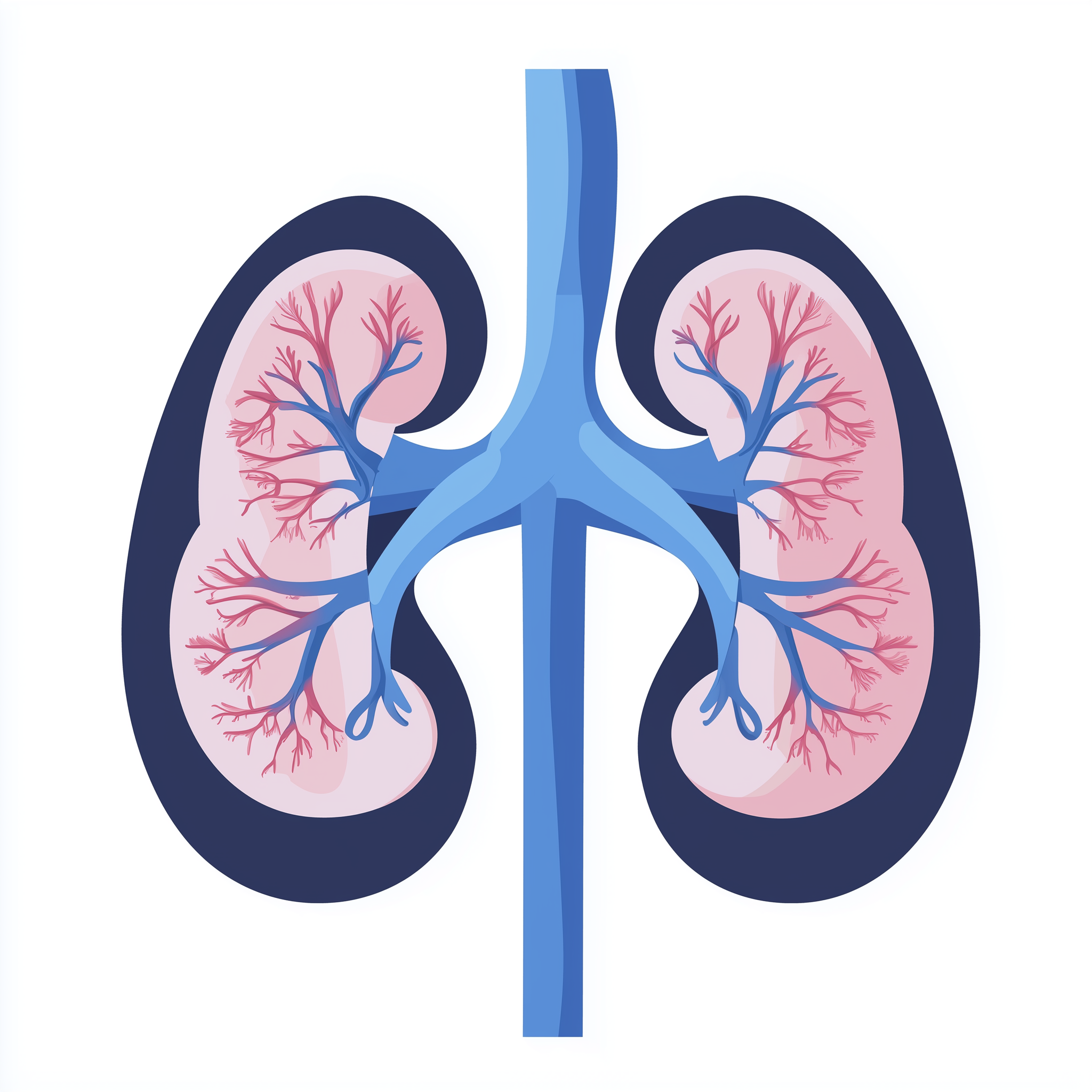
The primary organ affected by FSGS is the kidney. Specifically, the glomeruli within the kidneys are targeted, leading to scarring (sclerosis) in segments of these filtering units. This damage impairs the kidney's ability to perform its vital function of filtering waste products and excess fluid from the blood.
Over time, the cumulative damage can lead to a decline in overall kidney function, potentially progressing to end-stage renal disease, where the kidneys can no longer adequately support the body.

Risks & severity
The severity of INF2-related FSGS can vary, but it often leads to progressive kidney dysfunction. For many individuals, ESRD develops at an adult age, though onset can range from childhood to later adulthood [PMID:21317926]. The progression can be relatively slow for some, while others may experience a more rapid decline in kidney function.
There is a significant lifetime risk of developing ESRD, which often necessitates kidney dialysis or a kidney transplant. The exact prevalence of INF2-related FSGS is not well established, but it is considered a rare form of kidney disease.
Genetic causes
Focal segmental glomerulosclerosis connected to inherited changes in INF2 is caused by specific variants within the *INF2* gene. The *INF2* gene provides instructions for making a protein called inverted formin 2. This protein is important for maintaining the structure and function of podocytes, which are specialised cells in the glomeruli filter. Podocytes play a crucial role in preventing proteins from leaking out of the blood into the urine.
Pathogenic variants in *INF2* lead to a dysfunctional or missing inverted formin 2 protein. This disruption compromises the structural integrity of the podocytes, causing them to detach or become damaged, which then results in scarring of the glomeruli and the characteristic features of FSGS [PMID:21317926]. The mechanism is often described as affecting the cell's cytoskeleton, particularly actin dynamics.
- INF2 inverted formin 2
Inheritance pattern
FSGS due to *INF2* variants typically follows an autosomal dominant inheritance pattern. This means that only one altered copy of the *INF2* gene in each cell is enough to cause the condition. An affected individual has a 50% chance of passing on the variant gene to each of their children, regardless of the child's sex.
individuals can inherit the variant from an affected parent, or in some cases, the variant might arise spontaneously in the individual (a de novo variant) without a family history.
Each child has a 50% chance of inheriting the pathogenic variant, regardless of sex.
Diagnosis & testing
Diagnosing FSGS generally involves a combination of clinical evaluation, urine tests, blood tests to assess kidney function, and often a kidney biopsy to examine the glomeruli under a microscope. If FSGS is suspected, especially in cases with a family history or earlier onset, genetic testing for variants in genes associated with FSGS, such as *INF2*, may be recommended.
Genetic testing to confirm a diagnosis of *INF2*-related FSGS is typically carried out via an NHS Genomic Medicine Service (GMS) pathway. Referral to a clinical genetics service can facilitate this testing, which would fall under relevant NHS R-codes for renal disorders.
Management & lifestyle
While there is currently no specific cure for *INF2*-related FSGS, management focuses on slowing its progression and managing symptoms. Treatment strategies often include medications to reduce proteinuria and control blood pressure, such as ACE inhibitors or ARBs. Diuretics may be used to manage swelling.
Regular monitoring of kidney function by a nephrologist (a kidney specialist) is essential. In advanced stages of kidney failure, treatment options include dialysis or kidney transplantation. Genetic counselling is often recommended to help individuals and families understand the inheritance pattern and implications of the condition.
UK care pathway
In the UK, individuals suspected of having an inherited kidney condition like *INF2*-related FSGS are typically referred to a nephrologist through their GP. If a genetic cause is suspected, referral to a clinical genetics service is an important step. These services can arrange for genetic testing through the NHS Genomic Medicine Service, often using a PanelApp-approved gene panel that includes *INF2* under appropriate R-codes for renal disease.
Genetic counsellors play a vital role in providing information and support to families, helping them understand genetic test results, inheritance patterns, and potential implications for other family members.
Frequently asked questions
What is the difference between FSGS and other kidney diseases?
FSGS specifically affects the glomeruli, the tiny filters in the kidneys, causing scarring. Other kidney diseases may affect different parts of the kidney or have wider-ranging causes, but the common outcome for many progressive kidney conditions is a decline in kidney function.
If I have INF2-related FSGS, will my children definitely inherit it?
No, not definitely. Since it is an autosomal dominant condition, there is a 50% chance for each child to inherit the altered *INF2* gene from an affected parent. This chance is the same for every pregnancy.
Can a kidney transplant cure INF2-related FSGS?
A kidney transplant replaces the failing kidneys with a healthy donor kidney, which can be life-changing. While it treats the end-stage kidney failure, research suggests there is a possibility of FSGS recurring in the transplanted kidney, though this risk can vary depending on the specific genetic cause.
Are there any lifestyle changes I should make if I have INF2-related FSGS?
Managing FSGS often involves maintaining a healthy lifestyle. This typically includes a balanced diet, limiting salt intake to help manage blood pressure and swelling, and avoiding medications that can be harmful to the kidneys. Your nephrologist can provide personalised dietary and lifestyle advice.
How often will I need to see a doctor if I have INF2-related FSGS?
Regular follow-up appointments with a nephrologist are crucial for monitoring kidney function, adjusting medications, and managing symptoms. The frequency of these appointments will depend on the stage and progression of your kidney disease, as determined by your medical team.