

On this page
Fragile X-associated primary ovarian insufficiency
FXPOI affects approximately one in five women who carry a premutation in FMR1, the gene also linked to fragile X syndrome. It causes early loss of ovarian function, leading to irregular periods, infertility, and menopausal symptoms at a younger age than typical menopause.
Available at Jeen Health
Clinical tests that include this
Overview
Fragile X-associated primary ovarian insufficiency, often shortened to FXPOI, occurs when a woman's ovaries stop functioning normally before she reaches 40 years of age. The condition is caused by specific changes in FMR1, a gene located on the X chromosome. Unlike the full mutation that causes fragile X syndrome, FXPOI arises from smaller expansions termed premutations, which contain between 55 and 200 CGG trinucleotide repeats in the FMR1 gene [PMID:15247927]. Women with this premutation range have an elevated risk of developing primary ovarian insufficiency compared to the general population.
Primary ovarian insufficiency itself describes a spectrum of ovarian dysfunction, ranging from subtle menstrual irregularities to complete cessation of periods and infertility. Around 20 per cent of women carrying an FMR1 premutation develop FXPOI at some point during their reproductive years [PMID:16301476]. The age at which symptoms begin varies considerably, with some women experiencing irregular cycles in their twenties whilst others maintain regular periods until their late thirties. This variability makes counselling and family planning particularly complex for premutation carriers.
FXPOI sits within a broader group of fragile X-associated disorders. Whilst the full FMR1 mutation leads to intellectual disability in males and milder cognitive effects in females, the premutation causes a distinct set of conditions in adulthood, including FXPOI in women and fragile X-associated tremor/ataxia syndrome in older adults. Understanding the genetic mechanisms underlying these different presentations has important implications for family members who may also carry the premutation.
Symptoms & clinical features
The clinical hallmark of FXPOI is menstrual irregularity developing before age 40, though the presentation varies widely among affected individuals. Some women notice that their periods become less frequent or unpredictable, occurring every few months rather than monthly. Others experience hot flushes, night sweats, vaginal dryness, and sleep disturbance - symptoms commonly associated with menopause. Fertility becomes reduced or absent, and many women discover they carry an FMR1 premutation only after seeking medical help for difficulty conceiving.
Symptoms often begin subtly, with cycles lengthening or becoming irregular several years before periods stop altogether. Some women continue to have occasional menstrual bleeding even after a diagnosis of primary ovarian insufficiency, because ovarian function can fluctuate unpredictably. This intermittent activity means that spontaneous pregnancy remains possible in some cases, though the likelihood declines as ovarian reserve diminishes. Emotional and psychological effects are common, particularly when FXPOI is diagnosed in women who had hoped to have children or who were unaware of their carrier status.
The age of onset shows considerable variation. Women with larger premutation repeat sizes - closer to 100 CGG repeats - may face higher risk or earlier onset compared to those with smaller expansions, though this relationship is not absolute [PMID:17126805]. Other factors, including genetic background and environmental influences, likely contribute to individual differences in disease expression.
Video: Genetics 101
Affected organs
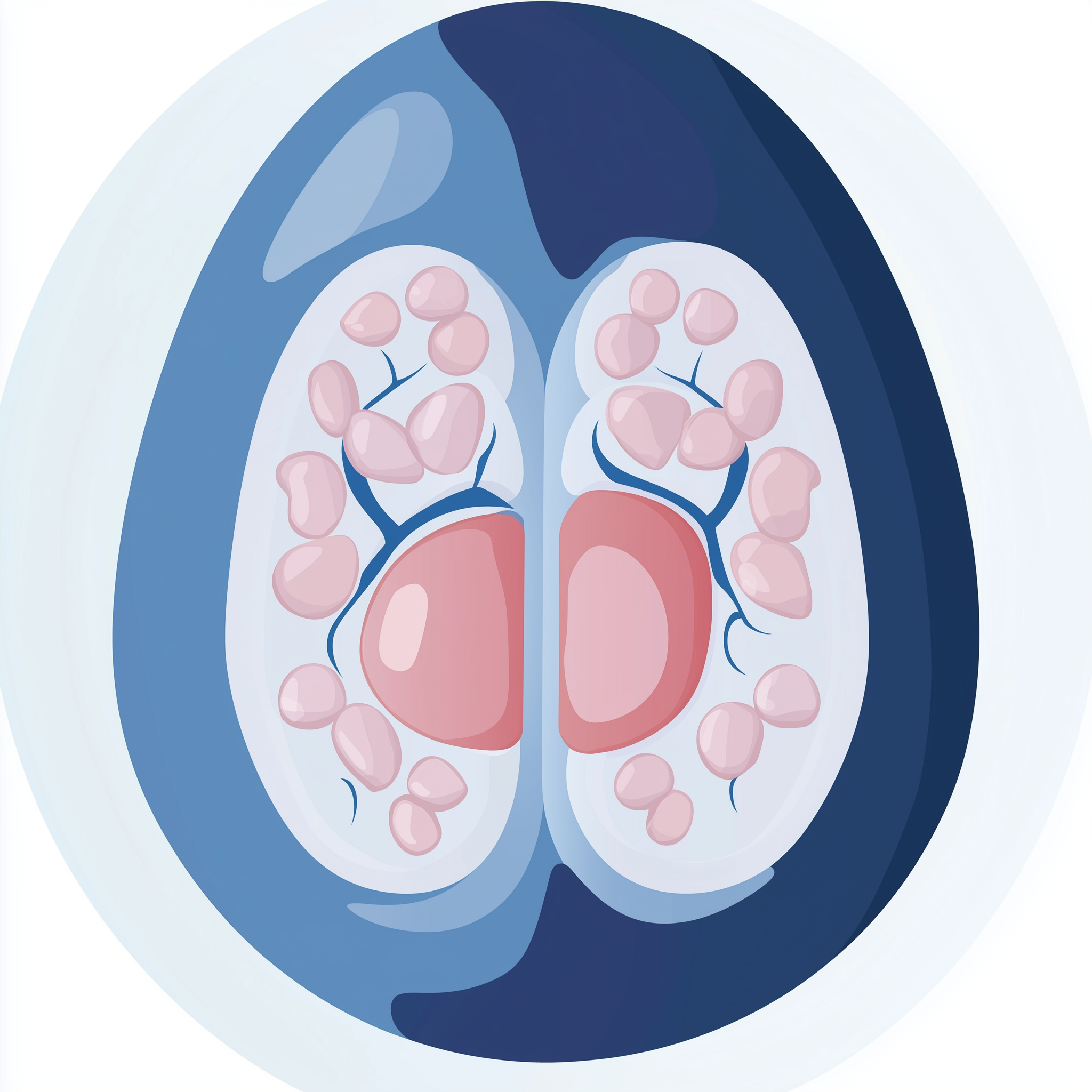
FXPOI primarily affects the ovaries, the paired organs responsible for producing eggs and manufacturing oestrogen and progesterone. In primary ovarian insufficiency, the ovaries contain fewer developing follicles than expected for a woman's age, and those follicles that remain often fail to mature properly. This leads to reduced oestrogen production, which in turn causes the classic symptoms of oestrogen deficiency such as hot flushes and bone density loss.
Beyond the reproductive system, prolonged oestrogen deficiency can affect multiple body systems if left untreated. Bone health may decline more rapidly, increasing the risk of osteoporosis at a younger age than typical menopause. Cardiovascular health can also be affected, as oestrogen plays a protective role in maintaining healthy blood vessels and cholesterol profiles. Some women report mood changes, difficulty concentrating, or reduced sense of wellbeing, though it remains unclear whether these effects stem directly from low oestrogen or reflect the emotional impact of an early menopause diagnosis.
Risks & severity
Severity in FXPOI ranges from mild menstrual irregularity with preserved fertility to complete ovarian failure in the twenties or early thirties. Approximately 20 per cent of women carrying an FMR1 premutation will develop clinically significant primary ovarian insufficiency, though milder subclinical ovarian dysfunction may be more common. The remaining 80 per cent of premutation carriers do not develop FXPOI and experience typical reproductive ageing.
For those who do develop the condition, the age at which ovarian function declines varies widely. Some women present in their early twenties with absent or very irregular periods, whilst others maintain relatively normal cycles until their late thirties before experiencing premature menopause. Evidence suggests that repeat size may influence risk, with intermediate premutation lengths carrying the highest likelihood of FXPOI, though individual outcomes remain difficult to predict. Long-term health implications relate primarily to prolonged oestrogen deficiency: reduced bone mineral density, increased cardiovascular risk, and potential effects on cognitive function and mood. Timely diagnosis and appropriate hormone replacement therapy can mitigate many of these risks.
Genetic causes
FXPOI is caused by premutation-range expansions in FMR1, a gene that provides instructions for making fragile X messenger ribonucleoprotein 1, commonly called FMRP. The normal FMR1 gene contains fewer than 45 CGG trinucleotide repeats near its start. In premutation carriers, this region expands to between 55 and 200 repeats. This expansion does not silence the gene completely - as occurs in the full mutation that causes fragile X syndrome - but instead leads to increased FMR1 messenger RNA levels and paradoxically reduced FMRP protein production.
The mechanisms linking FMR1 premutations to ovarian dysfunction remain an active area of investigation. One leading hypothesis suggests that elevated FMR1 mRNA becomes toxic to ovarian follicle cells, potentially through sequestration of important RNA-binding proteins or activation of cellular stress pathways. This RNA toxicity model is supported by observations in other fragile X-associated conditions, particularly fragile X-associated tremor/ataxia syndrome, where similar molecular disturbances occur in the brain. Alternative mechanisms may involve subtle deficiencies in FMRP function, though levels are typically much higher in premutation carriers than in individuals with the full mutation.
Ovarian follicles, which contain developing eggs, appear particularly vulnerable to these molecular perturbations. The premutation may accelerate follicle depletion or impair the normal maturation process, leading to earlier exhaustion of the ovarian reserve than would occur in non-carriers. The incomplete penetrance - the fact that only one in five premutation carriers develops FXPOI - suggests that additional genetic or environmental factors modify individual risk.
- FMR1 fragile X messenger ribonucleoprotein 1The FMR1 gene provides instructions for making the FMRP protein, which is vital for proper brain development, synaptic plasticity, and is associated with several inherited conditions including Fragile X syndrome.
Inheritance pattern
FXPOI follows an X-linked recessive pattern of inheritance, reflecting the location of FMR1 on the X chromosome. Women have two X chromosomes, so even those carrying a premutation on one copy typically have a second, normal copy that provides some functional FMR1 protein. Men have only one X chromosome, so they cannot develop FXPOI, though male premutation carriers can pass the altered gene to all their daughters and face risk of developing fragile X-associated tremor/ataxia syndrome themselves.
When a woman carries an FMR1 premutation, each of her children has a 50 per cent chance of inheriting that X chromosome. Daughters who inherit the premutation become carriers themselves and face the same ~20 per cent risk of developing FXPOI. Sons who inherit the premutation are also carriers but do not experience ovarian insufficiency. An important complication is that FMR1 premutations can expand when passed from mother to child, occasionally growing into the full mutation range that causes fragile X syndrome. This expansion risk is higher for larger premutations and when transmitted through the maternal line. Families affected by FXPOI should therefore consider genetic counselling to understand implications for future generations, including the possibility of fragile X syndrome in children or grandchildren.
X-linked recessive: sons of a carrier mother have a 50% chance of being affected. Daughters have a 50% chance of being carriers.
Diagnosis & testing
Diagnosis of FXPOI requires evidence of ovarian dysfunction developing before age 40 in a woman known to carry an FMR1 premutation, or conversely, genetic testing that identifies a premutation in someone presenting with early ovarian insufficiency. Clinically, primary ovarian insufficiency is typically confirmed through blood tests showing elevated follicle-stimulating hormone levels on two occasions at least one month apart, combined with low oestradiol levels and menstrual irregularity or absent periods.
FMR1 genetic testing analyses the number of CGG repeats in the gene, distinguishing normal alleles (fewer than 45 repeats), premutation alleles (55-200 repeats), and full mutations (more than 200 repeats). This testing is usually performed through PCR-based sizing methods followed by Southern blot analysis to confirm larger expansions. Within the NHS, genetic testing for FMR1 is typically arranged through clinical genetics services or reproductive medicine specialists, particularly when there is a family history of fragile X syndrome, premature ovarian insufficiency, or tremor/ataxia syndrome. Relevant PanelApp panels include those for primary ovarian insufficiency and fragile X-related disorders, supporting referral through NHS Genomic Medicine Service pathways.
Management & lifestyle
Management of FXPOI focuses on replacing deficient hormones, preserving fertility options where desired, and monitoring long-term health. Hormone replacement therapy is the mainstay of treatment for most women diagnosed before natural menopause age, aiming to alleviate symptoms and protect against bone loss and cardiovascular disease. Treatment typically continues until the average age of natural menopause (around 51 years), though individual regimens should be discussed with an endocrinologist or gynaecologist. Lifestyle measures including weight-bearing exercise, adequate calcium and vitamin D intake, and smoking cessation support bone and cardiovascular health.
For women hoping to conceive, fertility preservation options should be discussed early, as ovarian function in FXPOI can be unpredictable. Some women retain intermittent ovarian activity and may achieve pregnancy naturally or with assisted reproductive techniques, though success rates are lower than in age-matched women without premature ovarian insufficiency. Donor egg in vitro fertilisation offers an alternative path to parenthood. Genetic counselling is essential before attempting pregnancy, to discuss the risks of transmitting an expanded FMR1 allele and the option of preimplantation genetic testing.
Regular monitoring includes bone density scanning (DEXA) to assess osteoporosis risk, cardiovascular risk assessment, and psychological support where needed. Within the NHS, care typically involves collaboration between clinical genetics, reproductive endocrinology, and primary care. Women diagnosed with FXPOI should have access to genetic counselling to understand implications for themselves and family members, and may benefit from support groups connecting them with others affected by premutation-related conditions.
UK care pathway
In the UK, women with suspected or confirmed FXPOI are typically managed through a combination of reproductive endocrinology services and clinical genetics. Referral to a genetics service may occur when there is a family history of fragile X syndrome or related conditions, or when FMR1 testing is needed to establish the genetic basis of primary ovarian insufficiency. The NHS Genomic Medicine Service includes primary ovarian insufficiency on relevant gene panels, with FMR1 listed as a causative gene, facilitating access to testing for eligible patients.
Genetic counselling plays a central role in helping women and their families understand inheritance patterns, recurrence risks, and options for predictive or prenatal testing. For women already known to carry an FMR1 premutation - perhaps identified through family cascade screening after a child is diagnosed with fragile X syndrome - reproductive counselling should ideally occur before symptoms develop, to discuss fertility preservation and family planning. Ongoing care often involves gynaecology or endocrinology for hormone replacement and fertility management, with genetics providing long-term oversight for cascade testing and emerging treatment options.
Frequently asked questions
If I carry an FMR1 premutation, will I definitely develop early menopause?
No. Approximately 20 per cent of women with an FMR1 premutation develop primary ovarian insufficiency before age 40. The remaining 80 per cent experience typical reproductive ageing and natural menopause at the usual time.
Can I still get pregnant if I have FXPOI?
Spontaneous pregnancy is possible but less likely, as ovarian function in FXPOI can be unpredictable and intermittent. Some women achieve pregnancy naturally or with fertility treatment, whilst others may consider donor eggs. Early discussion with a reproductive specialist and genetic counsellor is important.
Will my daughters inherit FXPOI if I have it?
Each daughter has a 50 per cent chance of inheriting your FMR1 premutation. If she inherits it, she faces the same ~20 per cent lifetime risk of developing FXPOI. Genetic counselling can help you understand family risks and testing options.
Should I take hormone replacement therapy if I'm diagnosed with FXPOI?
Hormone replacement is generally recommended for women with primary ovarian insufficiency before natural menopause age, to relieve symptoms and protect bone and heart health. Your gynaecologist or endocrinologist will discuss the benefits and any individual risks.
How is FXPOI different from fragile X syndrome?
FXPOI is caused by a premutation in FMR1 (55-200 CGG repeats), whilst fragile X syndrome results from a full mutation (more than 200 repeats). Premutation carriers typically have normal intelligence but face risk of ovarian insufficiency or tremor/ataxia syndrome, whereas full mutation carriers experience intellectual disability.
References
- Adam MP, Bick S, Mirzaa GM. FMR1 Disorders. 1993. PMID: 20301558
- Tassone F, Protic D, Allen EG. Insight and Recommendations for Fragile X-Premutation-Associated Conditions from the Fifth International Conference on FMR1 Premutation. Cells. 2023. PMID: 37759552
- Fink DA, Nelson LM, Pyeritz R. Fragile X Associated Primary Ovarian Insufficiency (FXPOI): Case Report and Literature Review. Frontiers in genetics. 2018. PMID: 30542367
- Lozano R, Rosero CA, Hagerman RJ. Fragile X spectrum disorders. Intractable & rare diseases research. 2014. PMID: 25606363
- Suardi GAM, Haddad LA. FMRP ribonucleoprotein complexes and RNA homeostasis. Advances in genetics. 2020. PMID: 32560791
- Lieb-Lundell CC. Three Faces of Fragile X. Physical therapy. 2016. PMID: 27340198
- Cao Y, Peng Y, Kong HE. Metabolic Alterations in FMR1 Premutation Carriers. Frontiers in molecular biosciences. 2020. PMID: 33195417
- Man L, Lekovich J, Rosenwaks Z. Fragile X-Associated Diminished Ovarian Reserve and Primary Ovarian Insufficiency from Molecular Mechanisms to Clinical Manifestations. Frontiers in molecular neuroscience. 2017. PMID: 28955201