

On this page
Ferroportin disease
This condition primarily affects the liver and certain immune cells, potentially leading to organ damage if left unmanaged. It is caused by genetic changes in the SLC40A1 gene and is passed down through families.
Overview
Ferroportin disease is a rare, inherited condition characterised by an excessive build-up of iron within the body [PMID:11986111]. This iron overload particularly affects certain organs such as the liver, as well as specialised immune cells known as macrophages. Unlike some other forms of iron overload, which store iron mainly in liver cells, ferroportin disease typically shows iron accumulation in a different pattern. If not managed, this iron build-up can progressively damage affected tissues and organs over time, impacting their normal function.
The condition is sometimes referred to as 'type 4 haemochromatosis' due to its distinct genetic cause and clinical presentation compared to more common forms of hereditary haemochromatosis. Early recognition and ongoing careful monitoring are important for individuals with ferroportin disease.
Symptoms & clinical features
The symptoms of ferroportin disease can be varied and often develop gradually over many years. Many individuals may not experience noticeable symptoms in the early stages [PMID:11986111]. When symptoms do appear, they are often related to the accumulation of iron in affected organs.
Commonly reported symptoms can include fatigue, weakness, and joint pain. The liver is typically a primary site of iron deposition, which may lead to an enlarged liver (hepatomegaly) or abnormal liver function tests. In some cases, skin pigmentation changes, giving a bronze or greyish tint, can also occur. As the condition progresses, if left unmanaged, the excess iron can contribute to more significant liver problems, including cirrhosis, although this is less common than in other types of haemochromatosis [PMID:14730628].
Video: Genetics 101
Affected organs
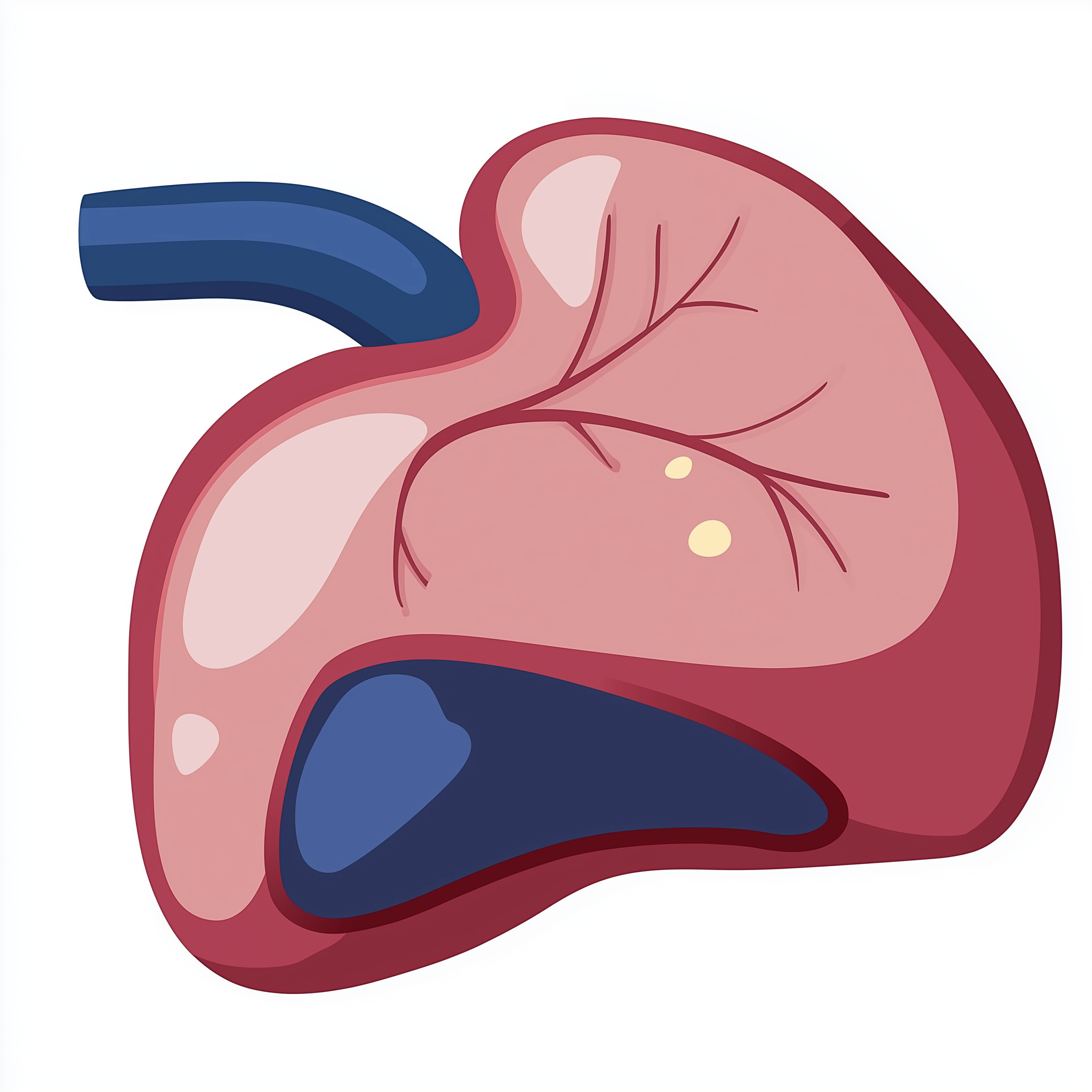
Ferroportin disease primarily affects organs involved in iron metabolism and storage. The liver is consistently and significantly impacted, with iron characteristically accumulating in Kupffer cells - specialised macrophages within the liver - rather than mainly in liver cells (hepatocytes) as seen in classical haemochromatosis. Iron can also build up in other macrophage-rich tissues, such as the spleen and bone marrow [PMID:11986111].
Over time, excess iron can also affect the pancreas, potentially contributing to diabetes, and the heart, which might lead to heart rhythm disturbances or heart failure. Joints may also be affected due to iron deposition, leading to conditions like arthropathy. The specific pattern and severity of organ involvement can vary between individuals.

Risks & severity
The severity of ferroportin disease can vary considerably among affected individuals. Some people may have mild iron overload with minimal symptoms, while others develop more significant complications. The age of onset for symptoms is also variable, often appearing in middle age, but can range from early adulthood to later life.
While the risk of severe liver damage, including cirrhosis and liver cancer (hepatocellular carcinoma), is generally considered lower in ferroportin disease compared to other forms of hereditary haemochromatosis, it is still a potential concern, particularly in individuals with significant, long-standing iron overload [PMID:14730628]. Regular monitoring is essential to assess iron levels and organ health, allowing for timely intervention if needed.
Genetic causes
Ferroportin disease is caused by pathogenic variants in the *SLC40A1* gene. This gene provides instructions for making a protein called ferroportin. Ferroportin plays a crucial role in regulating iron levels in the body by acting as the main iron exporter protein [PMID:14730628]. It is found on the surface of cells, such as those lining the gut, in liver cells (hepatocytes), and in macrophages.
Ferroportin enables the export of iron from cells into the bloodstream, where it can then be transported to other parts of the body or stored. Pathogenic variants in *SLC40A1* typically lead to a dysfunctional ferroportin protein. In ferroportin disease, specific variants can impair the ability of iron to be released from cells, particularly from macrophages and liver cells, resulting in iron accumulating within these cells despite normal or even reduced overall body iron levels in the blood.
This accumulation of iron in certain cell types can cause the characteristic patterns of iron deposition seen in the condition.
- SLC40A1 solute carrier family 40 member 1
Inheritance pattern
Ferroportin disease follows an autosomal dominant pattern of inheritance. This means that an individual only needs to inherit one copy of the altered *SLC40A1* gene from either parent to develop the condition.
If one parent carries a pathogenic variant in *SLC40A1*, there is a 50% chance with each pregnancy that their child will inherit the altered gene and therefore be affected by ferroportin disease. The condition can affect both males and females equally. Family members of an affected individual may also choose to undergo genetic testing to understand their own risk of carrying the pathogenic variant and developing the condition.
Each child has a 50% chance of inheriting the pathogenic variant, regardless of sex.
Diagnosis & testing
Diagnosing ferroportin disease typically involves a combination of clinical evaluation, blood tests, and genetic testing. Blood tests will often show elevated ferritin levels, which indicate high iron stores in the body. However, transferrin saturation, another marker of iron levels, may be normal or even low, which can distinguish it from other types of haemochromatosis [PMID:11986111].
Formal diagnosis is confirmed through genetic testing to identify a pathogenic variant in the *SLC40A1* gene. In the UK, individuals suspected of having ferroportin disease may be referred to a clinical genetics service or a gastroenterologist for assessment. Genetic testing for hereditary haemochromatosis, including *SLC40A1*, is available through the NHS Genomic Medicine Service and is covered by relevant R-codes, such as R86 OPA - Inherited metabolic disorders, targeted testing. A genetic counsellor can provide support and information throughout the diagnostic process.
Management & lifestyle
Management of ferroportin disease focuses on monitoring iron levels and preventing organ damage caused by iron overload. Regular blood tests to check ferritin and other iron markers are an important part of ongoing care. The primary treatment for excess iron is often venesection (therapeutic phlebotomy), which involves periodically removing blood to reduce total body iron stores. However, the approach to venesection in ferroportin disease may differ from other haemochromatosis types, sometimes requiring careful monitoring to avoid anaemic symptoms due to the specific iron distribution [PMID:14730628].
Care is typically managed by a specialist, such as a gastroenterologist or haematologist, often in conjunction with a clinical geneticist. Lifestyle considerations, such as avoiding iron supplements and highly fortified foods, may also be advised. Patients are encouraged to discuss tailored management plans with their healthcare team. For genetic testing and counselling, individuals can be referred through the NHS Genomic Medicine Service pathway.
UK care pathway
In the UK, individuals suspected of having ferroportin disease typically enter the NHS Genomic Medicine Service (GMS) pathway. This usually begins with a referral from a GP or specialist to a clinical genetics service or a gastroenterology/haematology clinic. Genetic counsellors play a vital role in this pathway, offering information, support, and guidance on genetic testing and its implications for both the individual and their wider family.
Genetic testing for inherited iron overload conditions, including ferroportin disease, is commissioned by the NHS and is covered by specific R-codes, such as R86 OPA. Results from these tests help to confirm a diagnosis and inform appropriate management strategies, which are often coordinated by a multidisciplinary team of specialists.
Frequently asked questions
What is ferroportin and what does it do?
Ferroportin is a protein that helps regulate iron levels in the body. It acts as an 'iron exporter', enabling iron to be released from cells into the bloodstream. In ferroportin disease, a faulty ferroportin protein means iron cannot be properly released from certain cells, leading to its build-up.
If I have ferroportin disease, will my children inherit it?
Ferroportin disease is inherited in an autosomal dominant pattern. If you have the condition, there is a 50% chance that each of your children will inherit the altered gene and potentially develop the disease. Genetic counselling can provide more personalised information.
How is ferroportin disease different from other types of haemochromatosis?
Ferroportin disease is distinct because it is caused by variants in the *SLC40A1* gene and typically leads to iron accumulating mainly within macrophages, such as those in the liver. Other types, like Type 1 haemochromatosis, are caused by *HFE* gene variants and primarily show iron overload in liver cells (hepatocytes).
Can diet help manage ferroportin disease?
While diet alone cannot cure ferroportin disease, avoiding iron supplements and foods highly fortified with iron is generally recommended. Always discuss any dietary changes with your healthcare provider, as management plans are individualised and overseen by specialists.
What kind of doctors manage ferroportin disease?
Management of ferroportin disease is typically overseen by specialists such as a gastroenterologist or a haematologist. A clinical geneticist and a genetic counsellor may also be involved, particularly for diagnosis and family planning aspects.
References
- Girelli D, Busti F, Brissot P. Hemochromatosis classification: update and recommendations by the BIOIRON Society. Blood. 2022. PMID: 34601591
- Cappellini MD, Russo R, Andolfo I. Inherited microcytic anemias. Hematology. American Society of Hematology. Education Program. 2020. PMID: 33275715
- Wallace DF, Subramaniam VN. Non-HFE haemochromatosis. World journal of gastroenterology. 2007. PMID: 17729390
- Pietrangelo A. The ferroportin disease. Blood cells, molecules & diseases. 2004. PMID: 14757427
- Corradini E, Buzzetti E, Pietrangelo A. Genetic iron overload disorders. Molecular aspects of medicine. 2020. PMID: 32912773
- Pietrangelo A. Ferroportin disease: pathogenesis, diagnosis and treatment. Haematologica. 2017. PMID: 29101207
- Pietrangelo A. Non-HFE hemochromatosis. Seminars in liver disease. 2005. PMID: 16315138
- Viveiros A, Schaefer B, Tilg H. Iron Matryoshka-Haemochromatosis nested in Ferroportin Disease? Liver international : official journal of the International Association for the Study of the Liver. 2019. PMID: 31127686