

On this page
Familial hemiplegic migraine type 1
This autosomal dominant disorder causes debilitating headache episodes with distinctive neurological symptoms including temporary hemiplegia (one-sided paralysis), visual disturbances, and sensory changes. While attacks resolve completely in most cases, they can be frightening and significantly impact quality of life.
Overview
Familial hemiplegic migraine type 1 represents a specific subtype of migraine with aura, distinguished by the presence of temporary motor weakness during attacks. The condition is inherited in families and typically begins in childhood or adolescence, though onset can occur at any age. Episodes vary considerably in frequency, duration, and severity between affected individuals, even within the same family.
Unlike common migraine, familial hemiplegic migraine is classified as a channelopathy - a disorder of ion channel function affecting how nerve cells communicate. Each attack involves temporary disruption of normal brain signalling, producing the characteristic combination of headache and neurological symptoms. Between episodes, most individuals function normally without ongoing neurological impairment. The condition is considered rare, though exact prevalence figures in the UK population are not well established.
Symptoms & clinical features
Attacks typically begin with an aura phase lasting from several minutes to over an hour. During this time, affected individuals experience progressive weakness or paralysis on one side of the body, which may involve the arm, leg, or face. This hemiplegia is always temporary, though it can be alarming when first experienced. Visual disturbances are common, including flashing lights, zigzag patterns, blind spots, or double vision. Sensory symptoms such as numbness, tingling, or pins-and-needles sensations often accompany the motor weakness.
As the aura symptoms peak and begin to resolve, severe headache typically develops, though occasionally the headache is mild or even absent. The headache is usually throbbing in character and may be accompanied by nausea, vomiting, sensitivity to light and sound, and difficulty concentrating. Some individuals experience confusion, altered consciousness, or speech difficulties during attacks. Episodes generally last several hours to a few days, with complete recovery expected between attacks. Attack frequency varies widely, from several episodes per week to only a few throughout life. Triggers may include minor head trauma, physical exertion, emotional stress, or certain foods, though many attacks occur without identifiable precipitants.
Video: Genetics 101
Affected organs
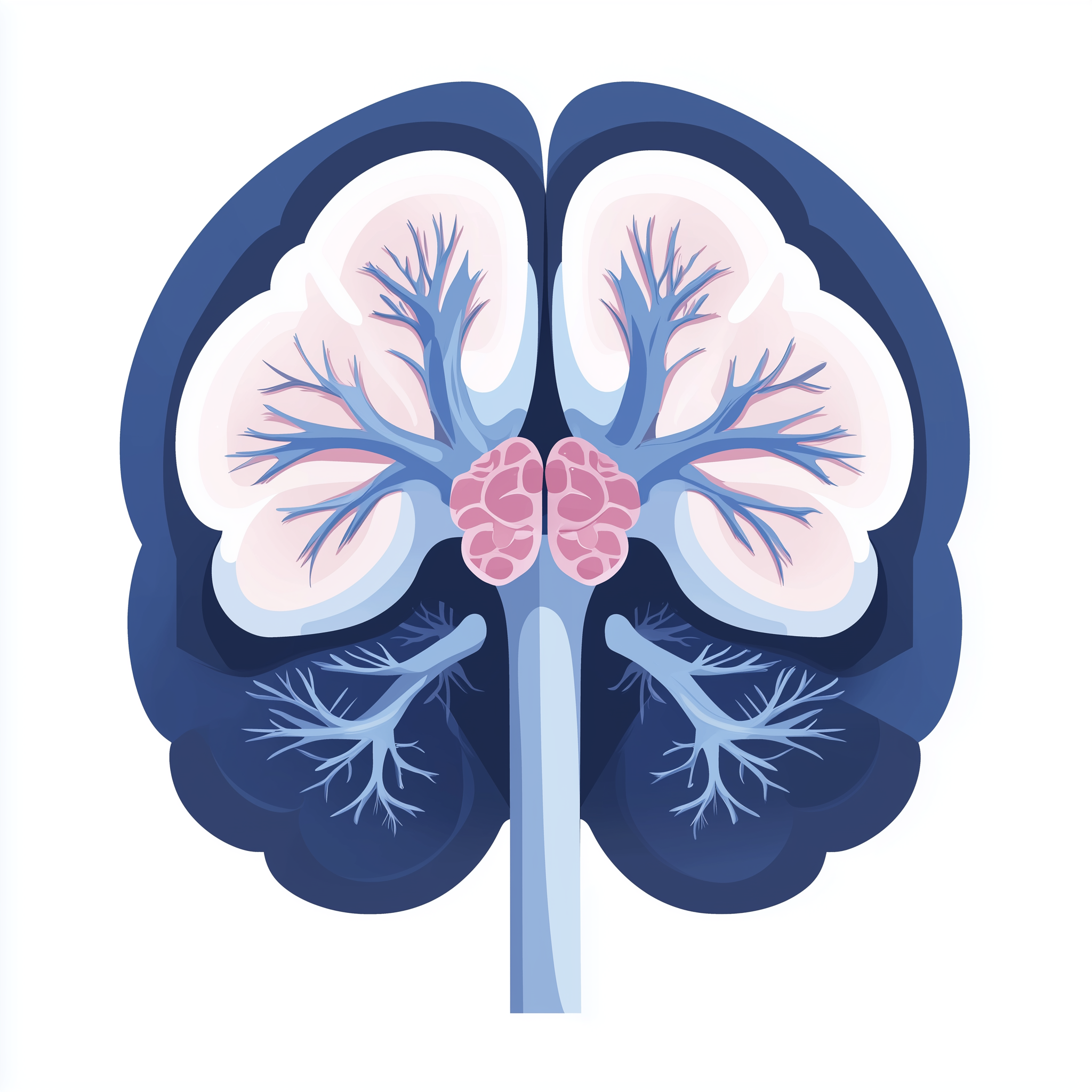
Familial hemiplegic migraine type 1 primarily affects the central nervous system, specifically involving disrupted neuronal signalling within the brain. The motor cortex and associated pathways are particularly implicated, given the characteristic weakness affecting one side of the body during attacks. Visual processing areas and sensory cortex are also commonly affected, producing the visual and sensory symptoms that form part of the aura.
While the condition is fundamentally neurological, some individuals experience additional features during severe attacks, including fever, confusion, or impaired consciousness. These systemic manifestations reflect widespread disturbance of brain function during the episode. Importantly, the heart, kidneys, liver, and other major organs are not structurally affected by this condition, and routine organ function remains normal.
Risks & severity
The severity spectrum of familial hemiplegic migraine type 1 is broad. Some affected individuals experience relatively mild, infrequent attacks with minimal disability, whilst others have frequent, prolonged episodes that significantly interfere with education, employment, and daily activities. The temporary paralysis during attacks can last from minutes to several days, and whilst recovery is typically complete, prolonged weakness can cause considerable anxiety and practical difficulty.
Rarely, severe attacks may be associated with more serious complications, including seizures, confusion, or impaired consciousness requiring hospital admission. Exceptionally, some individuals develop progressive cerebellar ataxia (impaired coordination and balance) that persists between migraine attacks, representing a more severe phenotype. Certain CACNA1A variants are associated with this additional feature. There is ongoing research into whether repeated severe attacks might contribute to long-term brain changes, though current evidence suggests most individuals do not develop permanent neurological injury from typical episodes. The condition generally begins in childhood or adolescence, with some individuals experiencing fewer attacks as they reach middle age.
Genetic causes
Familial hemiplegic migraine type 1 is caused by pathogenic variants in CACNA1A, located on chromosome 19. This gene encodes the alpha-1A subunit of a specific voltage-gated calcium channel (known as Cav2.1 or P/Q-type calcium channel) that is crucial for controlling calcium entry into nerve cells. These channels are particularly abundant at synapses, where they trigger the release of neurotransmitters that allow neurons to communicate with one another.
Pathogenic changes in CACNA1A alter how these calcium channels function, typically resulting in increased or prolonged calcium influx into neurons. This disrupts the normal balance of neuronal excitability and neurotransmitter release, making the brain more susceptible to a phenomenon called cortical spreading depression - a wave of abnormal electrical activity that moves across the brain cortex. This spreading wave of neuronal dysfunction is thought to be the biological basis for migraine aura, with the specific pattern of spread determining which symptoms occur. The motor weakness in hemiplegic migraine reflects involvement of motor cortex during this process. Between attacks, the calcium channels function well enough to support normal brain activity, explaining why most individuals have no ongoing symptoms.
- CACNA1A calcium voltage-gated channel subunit alpha1 A
Inheritance pattern
Familial hemiplegic migraine type 1 follows an autosomal dominant inheritance pattern. This means that inheriting a single pathogenic CACNA1A variant from one affected parent is sufficient to cause the condition. Each child of an affected parent has a 50% (1 in 2) chance of inheriting the familial variant and developing the condition themselves. The disorder affects males and females equally.
Because the condition is dominantly inherited, a family history spanning multiple generations is typical, though the severity and frequency of attacks can vary considerably between affected relatives. Occasionally, a CACNA1A variant arises as a new change (de novo) in an individual with no family history, representing the first affected person in that family. Once present, that variant can then be passed to future generations. Genetic counselling is valuable for affected families to understand inheritance risks and discuss options such as predictive testing for at-risk relatives or reproductive choices.
Each child of an affected parent has a 50% chance of inheriting the pathogenic variant, regardless of sex.
Diagnosis & testing
Diagnosis of familial hemiplegic migraine type 1 requires careful clinical assessment combined with genetic testing. A detailed history documenting the characteristic pattern of migraine attacks with temporary motor weakness is essential. Neurological examination between episodes is typically normal, unless the individual has developed persistent cerebellar signs. Brain imaging (MRI scan) is often performed to exclude other causes of the symptoms, such as stroke, vascular malformations, or structural brain lesions, and is usually normal in familial hemiplegic migraine.
Genetic testing of CACNA1A confirms the diagnosis and can be accessed through the NHS Genomic Medicine Service. Testing is typically arranged by a consultant neurologist or clinical geneticist following referral to a specialist neurology service or regional genetics centre. Identification of a pathogenic CACNA1A variant confirms the diagnosis and enables cascade testing of at-risk family members. PanelApp includes familial hemiplegic migraine on relevant neurogenetics testing panels. Genetic counselling is recommended before and after testing to discuss implications for the individual and their relatives.
Management & lifestyle
Management of familial hemiplegic migraine type 1 focuses on preventing attacks when possible, treating acute episodes appropriately, and avoiding potential complications. Individuals are typically under the care of a consultant neurologist with expertise in headache disorders. Identifying and avoiding personal triggers (such as certain foods, sleep deprivation, or stress) may help reduce attack frequency, though this is not always possible.
Prophylactic medications to reduce attack frequency may be considered for individuals with frequent or severe episodes. However, certain medications commonly used for typical migraine are contraindicated or require caution in hemiplegic migraine. For example, triptans and ergot-derived medications are generally avoided because of concerns about vasoconstriction in the context of neurological aura. Acute treatment focuses on symptom relief and supportive care, with analgesics and anti-nausea medications used as appropriate. Lifestyle factors including regular sleep patterns, adequate hydration, and stress management may contribute to overall wellbeing. Individuals and their families benefit from education about the condition, including reassurance that the weakness is temporary and recognition of when medical attention is needed. Genetic counselling provides information about inheritance and family planning.
UK care pathway
Individuals with suspected familial hemiplegic migraine type 1 are typically referred to specialist neurology services by their GP, often via a general neurology clinic initially. Following clinical assessment and appropriate investigations, referral to a specialist headache clinic or neurogenetics service may follow. Genetic testing can be accessed through the NHS Genomic Medicine Service, with neurologists or clinical geneticists arranging testing using appropriate gene panels that include CACNA1A.
Once a genetic diagnosis is established, ongoing care usually involves regular neurology follow-up to monitor symptoms, optimise management strategies, and address any complications. Access to specialist genetic counselling is available through regional genetics centres across England, Scotland, Wales, and Northern Ireland, providing information about inheritance, testing options for relatives, and reproductive choices. Some individuals may also benefit from liaison with specialist nursing services, headache support organisations, and educational or workplace accommodations during periods of frequent attacks.
Frequently asked questions
Will the weakness during an attack cause permanent damage?
In the vast majority of cases, the weakness or paralysis experienced during a hemiplegic migraine attack resolves completely without permanent damage. Full recovery is typical, though it may take hours to days. Very rarely, severe or prolonged attacks might require hospital assessment.
Can I take normal migraine medications if I have familial hemiplegic migraine type 1?
Some migraine medications, particularly triptans and ergot derivatives, are generally avoided in hemiplegic migraine because of safety concerns. Your neurologist will advise on appropriate preventive and acute treatment options specifically suitable for your condition.
Will my children definitely inherit this condition?
Each child has a 50% chance of inheriting the CACNA1A variant if you carry it. However, even if a child inherits the variant, the severity and frequency of attacks can vary considerably and may differ from your own experience.
Do attacks become more or less frequent over time?
Attack patterns vary significantly between individuals. Some people experience frequent episodes in childhood or adolescence with improvement in adulthood, whilst others have a different pattern. Tracking your own attack frequency helps your neurologist optimise management strategies.
References
- Pietrobon D. CaV2.1 channelopathies. Pflugers Archiv : European journal of physiology. 2010. PMID: 20204399
- Indelicato E, Raccagni C, Runer S. Instrumented gait analysis defines the walking signature of CACNA1A disorders. Journal of neurology. 2022. PMID: 34755206
- Indelicato E, Unterberger I, Nachbauer W. The electrophysiological footprint of CACNA1A disorders. Journal of neurology. 2021. PMID: 33544220
- Hommersom MP, van Prooije TH, Pennings M. The complexities of CACNA1A in clinical neurogenetics. Journal of neurology. 2022. PMID: 34806130
- Chan KY, Labastida-Ramírez A, Ramírez-Rosas MB. Trigeminovascular calcitonin gene-related peptide function in Cacna1a R192Q-mutated knock-in mice. Journal of cerebral blood flow and metabolism : official journal of the International Society of Cerebral Blood Flow and Metabolism. 2019. PMID: 28792272
- Loonen ICM, Voskuyl RA, Schenke M. Spontaneous and optogenetically induced cortical spreading depolarization in familial hemiplegic migraine type 1 mutant mice. Neurobiology of disease. 2024. PMID: 38211710
- Rinaldi D, Tangari MM, Ledda C. CACNA1A variant associated with generalized dystonia. Neurological sciences : official journal of the Italian Neurological Society and of the Italian Society of Clinical Neurophysiology. 2024. PMID: 38743163
- Eikermann-Haerter K, Yuzawa I, Qin T. Enhanced subcortical spreading depression in familial hemiplegic migraine type 1 mutant mice. The Journal of neuroscience : the official journal of the Society for Neuroscience. 2011. PMID: 21490217