

On this page
Diabetic retinopathy
This condition gradually impairs vision and can lead to blindness if left untreated. It is a common cause of vision loss among working-age adults and affects individuals with both type 1 and type 2 diabetes.
Overview
Diabetic retinopathy is a significant long-term complication of both type 1 and type 2 diabetes. It occurs when high blood sugar levels damage the tiny blood vessels that supply the retina, the light-sensitive tissue at the back of the eye. This damage can lead to fluid leakage, swelling, and the growth of abnormal new blood vessels, all of which interfere with vision [PMID:24855234].
The condition progresses through several stages, from mild non-proliferative retinopathy to severe proliferative retinopathy. Initially, symptoms might be absent or mild, meaning many people are unaware they have the condition until it becomes more advanced. Regular eye screening is crucial for individuals with diabetes to detect and manage diabetic retinopathy early.
Symptoms & clinical features
In its early stages, diabetic retinopathy often has no noticeable symptoms. As the condition progresses, a person might experience blurred vision, fluctuating vision, or dark spots and floaters in their field of vision [PMID:22095945]. Colours may also appear faded or washed out.
More advanced stages can lead to more severe symptoms, such as sudden vision loss or pain in the eye. This can result from bleeding into the vitreous gel that fills the eye or from retinal detachment. It is important for individuals with diabetes to attend regular eye screening appointments, even if they do not experience any visual changes.
Video: Genetics 101
Affected organs
The primary organ affected by diabetic retinopathy is the eye, specifically the retina. The retina is a critical component of the eye, responsible for converting light into signals that are sent to the brain, enabling sight. High blood sugar levels weaken and damage the small blood vessels within the retina.
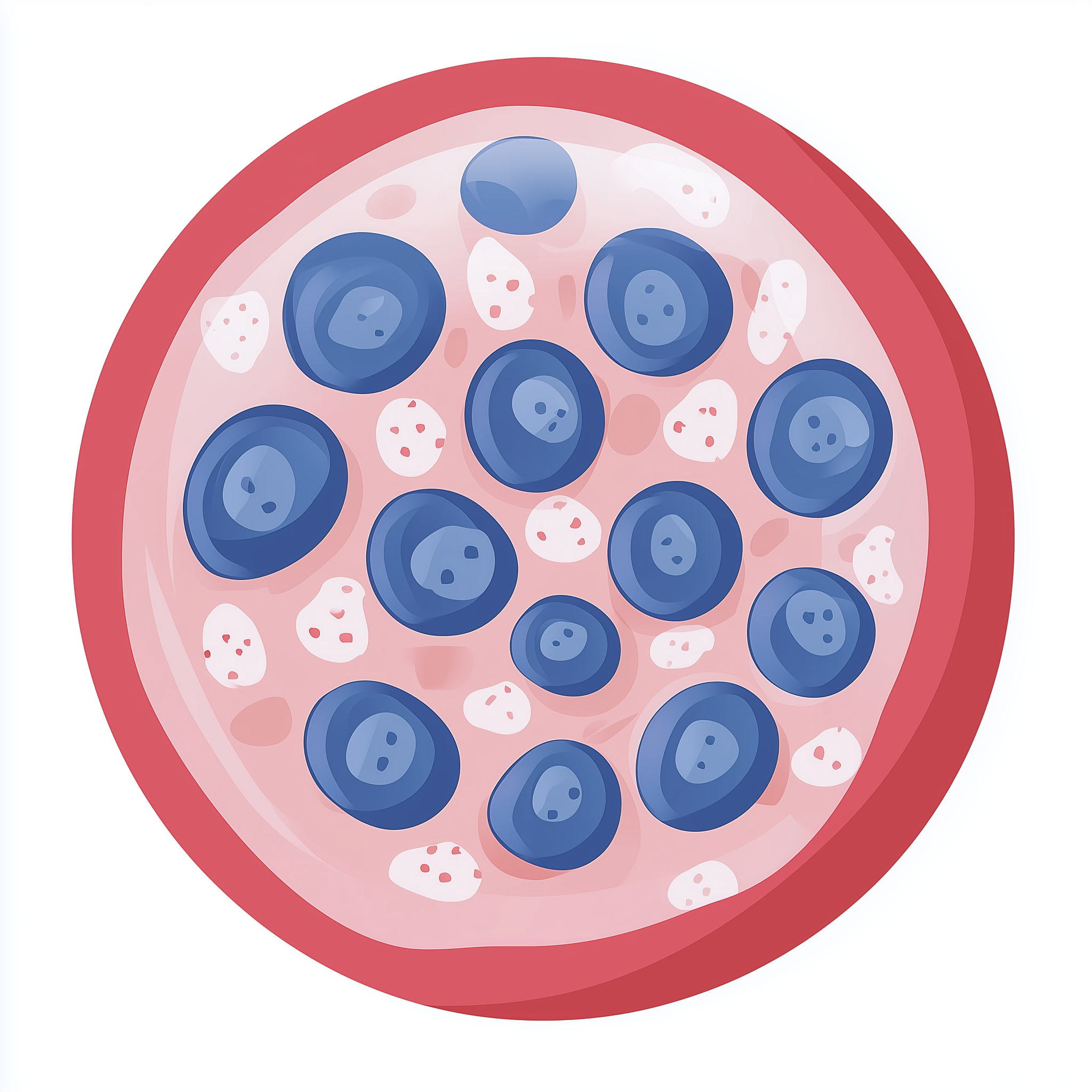
This damage can lead to several problems, including microaneurysms (tiny bulges in the blood vessels), haemorrhages (bleeding), and leakage of fluid or lipids into the retinal tissue, causing swelling (diabetic macular oedema). In more advanced stages, new, fragile blood vessels may grow on the surface of the retina, which can bleed or lead to scar tissue formation and retinal detachment.

Risks & severity
Diabetic retinopathy is a common complication, affecting approximately 35% of all individuals with diabetes over their lifetime. The severity of the condition can vary significantly. Factors that increase the risk of developing diabetic retinopathy include the duration of diabetes, consistently high blood sugar levels (poor glycaemic control), high blood pressure, and high cholesterol [PMID:22095945]. Ethnicity, particularly South Asian backgrounds, may also be associated with a higher risk.
Without appropriate management, diabetic retinopathy can lead to severe vision loss or blindness. The aim of treatment is to prevent progression and preserve vision, particularly targeting the more severe forms such as proliferative diabetic retinopathy and diabetic macular oedema. Regular monitoring and timely intervention are key to reducing the long-term impact of this condition.
Genetic causes
While diabetes itself has genetic predispositions, diabetic retinopathy is considered a polygenic or complex condition. This means that multiple genetic variations, along with environmental factors (such as blood sugar control, blood pressure, and cholesterol levels), contribute to an individual's risk of developing the condition and how it progresses.
Research suggests that variants in genes such as VEGFA (vascular endothelial growth factor A) and CFH (complement factor H) may play a role in susceptibility to diabetic retinopathy. The VEGFA gene is involved in the formation of new blood vessels, and abnormal activity of its protein can contribute to the growth of fragile new vessels seen in advanced retinopathy [PMID:24855234]. The CFH gene provides instructions for a protein that helps regulate the body's immune response, and variations might influence inflammation processes that contribute to retinal damage.
Inheritance pattern
Diabetic retinopathy follows a polygenic or complex inheritance pattern. This means it doesn't follow a simple Mendelian inheritance pattern (like autosomal dominant or recessive). Instead, it results from the combined effect of multiple genes interacting with lifestyle and environmental factors.
Therefore, while a family history of diabetes might increase an individual's risk of developing diabetes, and subsequently diabetic retinopathy, inheriting specific genetic variants does not guarantee the condition will develop. Similarly, not having these variants does not guarantee protection against the condition. The overall risk for relatives is influenced by shared genetic susceptibilities and common lifestyle choices.
Diagnosis & testing
Diagnosis of diabetic retinopathy is primarily made through a dilated eye examination, allowing an ophthalmologist or optometrist to thoroughly inspect the retina. Photographs of the retina are often taken as part of diabetic eye screening programmes. Key findings include microaneurysms, haemorrhages, exudates (leaked fats), and new blood vessel growth.
In the UK, all individuals aged 12 and over with diabetes are invited for annual diabetic eye screening as part of the NHS Diabetic Eye Screening Programme. This screening aims to detect retinopathy early before it causes vision loss. If retinopathy is detected, individuals are referred to an ophthalmologist for further assessment and management. Genetic testing is not routinely used for diagnosing diabetic retinopathy, as it is mainly a clinical diagnosis based on eye examination findings. The NHS R-code for diabetic retinopathy screening is R110.
Management & lifestyle
Management of diabetic retinopathy primarily focuses on maintaining good control of blood sugar levels, blood pressure, and cholesterol, as these are critical in slowing the progression of the disease. Regular monitoring through eye screening appointments is essential for early detection and intervention.
Treatment options, guided by an ophthalmologist, may include laser treatment (photocoagulation) to seal leaking blood vessels or destroy abnormal new vessels. Injections of anti-VEGF (vascular endothelial growth factor) medications into the eye can help reduce swelling and inhibit new vessel growth. In more advanced cases, surgery, such as a vitrectomy, may be necessary to remove blood from the eye or repair retinal detachment. These interventions are typically managed within the NHS secondary care ophthalmology services.
UK care pathway
In the UK, the NHS provides a structured care pathway for individuals with diabetes, including comprehensive eye screening. All people with diabetes aged 12 and over are eligible for annual diabetic eye screening through the NHS Diabetic Eye Screening Programme. If any signs of diabetic retinopathy are found during screening, individuals are referred to an ophthalmology clinic for specialist assessment and ongoing care. Clinical genetic services are generally not involved in the direct management of diabetic retinopathy given its complex inheritance pattern and primarily clinical diagnosis and management.
Frequently asked questions
Can diabetic retinopathy be cured?
Diabetic retinopathy often cannot be fully cured, but its progression can be slowed, and its effects on vision can be managed with treatment. Good control of blood sugar, blood pressure, and cholesterol, along with treatments like laser therapy or eye injections, can help preserve vision.
How often should I have my eyes checked if I have diabetes?
In the UK, if you have diabetes and are aged 12 or over, you should be invited for annual diabetic eye screening as part of the NHS Diabetic Eye Screening Programme. This regular screening is important for detecting any changes early.
What can I do to prevent diabetic retinopathy?
The best way to prevent or slow the progression of diabetic retinopathy is to manage your diabetes effectively. This includes maintaining blood sugar levels within target ranges, controlling blood pressure and cholesterol, following a healthy diet, exercising regularly, and avoiding smoking.
Will I go blind from diabetic retinopathy?
Not necessarily. While diabetic retinopathy is a leading cause of blindness, early detection through regular screening and timely treatment can significantly reduce the risk of severe vision loss. Many people with diabetic retinopathy maintain good vision with appropriate management.
Is diabetic retinopathy hereditary?
Diabetic retinopathy is considered a polygenic or complex condition. This means that while some genetic factors may increase susceptibility, it also depends on other factors like how well diabetes is managed, blood pressure, and cholesterol. It is not inherited in a straightforward way like single-gene disorders.
References
- Jonas JB. Diabetic retinopathy. Asia-Pacific journal of ophthalmology (Philadelphia, Pa.). 2024. PMID: 38795867
- Li H, Liu X, Zhong H. Research progress on the pathogenesis of diabetic retinopathy. BMC ophthalmology. 2023. PMID: 37697295
- Antonetti DA, Klein R, Gardner TW. Diabetic retinopathy. The New England journal of medicine. 2012. PMID: 22455417
- Hendrick AM, Gibson MV, Kulshreshtha A. Diabetic Retinopathy. Primary care. 2015. PMID: 26319349
- Gómez-Ulla F. Diabetic retinopathy. Current diabetes reviews. 2009. PMID: 19199890
- Jabbehdari S, Sallam AB. Gut microbiome and diabetic retinopathy. European journal of ophthalmology. 2022. PMID: 35266406
- Martins TGDS. Diabetic retinopathy: a neuropathy. Einstein (Sao Paulo, Brazil). 2020. PMID: 33338194
- Spencer BG, Estevez JJ, Liu E. Pericytes, inflammation, and diabetic retinopathy. Inflammopharmacology. 2020. PMID: 31612299