

On this page
CoPAN (COASY-related NBIA)
CoPAN belongs to a group of disorders called neurodegeneration with brain iron accumulation (NBIA). It typically begins in childhood or adolescence and leads to progressive neurological decline. The condition is caused by pathogenic variants in the COASY gene, which is essential for producing coenzyme A, a molecule vital to cellular metabolism.
Available at Jeen Health
Clinical tests that include this
Overview
CoPAN, also known as COASY-related NBIA, is an extremely rare inherited disorder affecting the nervous system. NBIA refers to a group of conditions in which iron builds up abnormally in certain parts of the brain, particularly the basal ganglia, which are regions involved in controlling movement and coordination. This iron accumulation damages nerve cells over time, leading to progressive neurological problems.
The condition typically presents during childhood or early adolescence, though onset and severity can vary between affected individuals. Features commonly include difficulties with movement and coordination, speech problems, and cognitive decline. Because CoPAN is so rare, much of our understanding comes from small case series and individual case reports in the medical literature. Affected individuals and their families typically require specialist input from neurologists with expertise in movement disorders and metabolic conditions.
Symptoms & clinical features
The hallmark features of CoPAN include progressive motor dysfunction, meaning movement becomes increasingly difficult over time. Affected individuals often develop dystonia, which causes involuntary muscle contractions leading to abnormal postures or repetitive movements. Parkinsonism may also occur, characterised by slowness of movement, muscle stiffness and tremor. Coordination difficulties (ataxia) can affect balance and walking, and many people develop spasticity, where muscles become stiff and resist stretching.
Cognitive difficulties are common, ranging from learning difficulties to progressive intellectual decline. Speech and swallowing problems often emerge as the condition advances, which can affect communication and nutrition. Behavioural changes and psychiatric symptoms have been reported in some cases. Seizures occur in a subset of affected individuals. The rate of progression varies considerably, but the condition is generally degenerative, meaning symptoms worsen over time. Some individuals remain able to walk independently for years, whilst others experience more rapid functional decline.
Video: Genetics 101
Affected organs
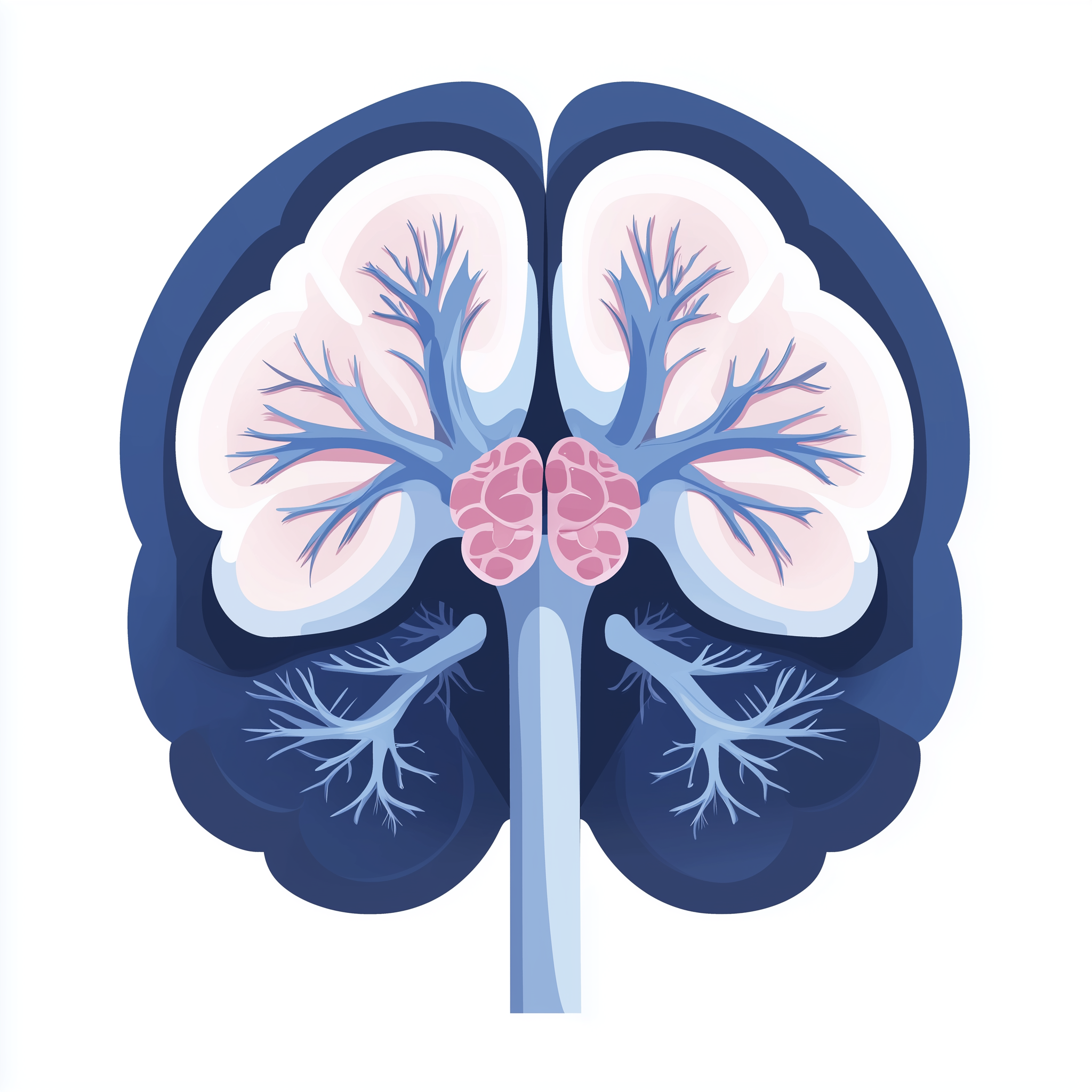
CoPAN primarily affects the central nervous system, particularly specific brain regions involved in movement control. The basal ganglia, deep brain structures that coordinate motor function, show characteristic iron accumulation visible on brain imaging. This iron deposition is thought to contribute directly to nerve cell damage and death in these regions.
The cerebellum, which coordinates balance and fine motor control, may also be affected, contributing to ataxia. Whilst the brain is the primary site of pathology, the systemic nature of coenzyme A deficiency means that other organs could theoretically be affected, though neurological features dominate the clinical picture. Some metabolic disturbances may occur, reflecting the widespread importance of coenzyme A in cellular function.

Risks & severity
CoPAN is considered a severe, progressive neurodegenerative condition. The age of onset often falls in childhood or adolescence based on reported cases, though later presentations have been documented. Once symptoms begin, progressive neurological decline is expected, though the rate varies between individuals. Some people experience relatively slow progression over years to decades, whilst others decline more rapidly.
The accumulation of disability over time significantly affects quality of life and independence. Movement difficulties often progress to the point where walking aids or wheelchair use become necessary. Cognitive decline can impact education, employment and daily decision-making. Speech and swallowing problems may necessitate feeding support. Life expectancy is likely reduced compared to the general population, though precise data are limited given the rarity of the condition. The severity and specific combination of features vary considerably between affected individuals, even within the same family.
Genetic causes
CoPAN is caused by pathogenic variants in COASY, which provides instructions for making coenzyme A synthase, an enzyme essential for producing coenzyme A. Coenzyme A is a cofactor required for hundreds of metabolic reactions throughout the body, including energy production, fatty acid metabolism, and the synthesis of various important molecules. The COASY enzyme performs the final two steps in coenzyme A biosynthesis.
When pathogenic variants disrupt COASY function, cells cannot produce adequate coenzyme A. This metabolic bottleneck impairs numerous cellular processes, though why the brain is particularly vulnerable remains incompletely understood. Reduced coenzyme A availability may compromise energy metabolism in nerve cells, which have exceptionally high energy demands. The abnormal iron accumulation in the brain may result from secondary metabolic disturbances affecting iron handling and storage. Different pathogenic variants can have varying effects on enzyme activity, which may partially explain the clinical variability observed between affected individuals.
- COASY Coenzyme A synthaseCOASY encodes an enzyme that catalyses the final steps of coenzyme A production, essential for cellular energy metabolism and lipid synthesis.
Inheritance pattern
CoPAN follows an autosomal recessive inheritance pattern. This means an affected individual has inherited two pathogenic variants in COASY, one from each parent. Parents of an affected child are typically carriers, each possessing one pathogenic variant and one working copy of the gene. Carriers generally do not show symptoms because one functioning copy of COASY is sufficient for normal health.
When both parents are carriers, each pregnancy has a 25% chance of producing an affected child, a 50% chance of producing a carrier child, and a 25% chance of producing a child with two working copies. If a sibling is unaffected, there is a two in three chance they are a carrier (rather than having two working copies). Extended family members may also be carriers. Genetic counselling can help families understand these risks and discuss options such as predictive testing for at-risk relatives or reproductive choices for future pregnancies.
When both parents are carriers, each child has a 25% chance of being affected, 50% of being a carrier, and 25% of being unaffected.
Diagnosis & testing
Diagnosis of CoPAN requires genetic testing to identify pathogenic variants in both copies of the COASY gene. Brain imaging, typically magnetic resonance imaging (MRI), plays a crucial supporting role by demonstrating characteristic iron accumulation in the basal ganglia. Specific MRI sequences are particularly sensitive to iron deposition and show a distinctive pattern in NBIA disorders, though the pattern alone cannot definitively distinguish CoPAN from other NBIA subtypes.
Clinical features such as progressive movement disorder beginning in childhood or adolescence raise suspicion, prompting neurological assessment and imaging. In the UK, genetic testing for NBIA disorders may be accessed through the NHS Genomic Medicine Service following referral to clinical genetics or specialist neurology services. Testing typically involves sequencing a panel of NBIA-related genes. Confirmation of the genetic diagnosis is important for counselling about prognosis, inheritance and reproductive risks. Metabolic testing may reveal secondary abnormalities but is not diagnostic on its own.
Management & lifestyle
There is currently no cure for CoPAN, and treatment focuses on managing symptoms and supporting quality of life. Movement difficulties may be addressed through a combination of medications and therapies. Neurologists may try medications used for dystonia or parkinsonism, though responses vary between individuals. Physiotherapy helps maintain mobility, flexibility and strength for as long as possible. Occupational therapy assists with adapting to functional limitations and accessing aids or equipment.
Speech and language therapy supports communication and addresses swallowing difficulties, whilst dietitians can advise on nutrition if oral intake becomes challenging. Some individuals may eventually require feeding tube support. Seizures, if present, are managed with antiepileptic medications. Regular follow-up with a multidisciplinary team, typically coordinated through specialist neurology services, allows ongoing assessment and adjustment of supportive care. Genetic counselling provides families with information about the condition, inheritance and options for reproductive planning. Some individuals may benefit from involvement with disability services and charitable organisations supporting people with rare neurological conditions. Clinical trials exploring potential therapies for NBIA disorders may occasionally be available, and families can discuss participation with their specialist team.
UK care pathway
Individuals suspected of having CoPAN or other NBIA disorders in the UK are typically referred to specialist neurology services, often paediatric neurology for childhood-onset cases. Referral to clinical genetics services enables genetic testing through the NHS Genomic Medicine Service. Genetic testing for NBIA-related genes, including COASY, may be requested via appropriate testing panels for neurodegenerative or metabolic disorders. Following genetic confirmation, ongoing clinical care is coordinated through specialist neurology teams with input from rehabilitation services, dietetics, speech and language therapy and other allied health professionals as needed. Genetic counsellors within clinical genetics services provide support for affected individuals and their families, discussing inheritance, implications for relatives and reproductive options.
Frequently asked questions
How is CoPAN different from other NBIA disorders?
All NBIA disorders share the feature of abnormal iron accumulation in the brain, but they are caused by variants in different genes and can have somewhat different clinical features. CoPAN specifically results from variants in COASY and tends to present in childhood or adolescence with progressive movement problems. Genetic testing is the definitive way to distinguish CoPAN from other NBIA subtypes.
Will my other children be affected if one child has CoPAN?
If both parents are carriers of a COASY variant, each pregnancy has a 25% chance of resulting in an affected child. Siblings who do not have symptoms may be carriers. Genetic testing and counselling can clarify the carrier status of siblings and provide information about risks for future pregnancies.
Can iron chelation therapy help remove the iron from the brain?
Iron chelation drugs, which remove excess iron from the body, have been tried in some NBIA disorders with limited success. Current evidence does not strongly support their use in CoPAN, and they are not part of standard management. Any experimental treatments would need to be discussed with specialist neurologists, ideally in the context of a clinical trial.
What support is available for families affected by CoPAN?
Families can access support through clinical genetics services, specialist neurology teams and disability services. Charitable organisations focused on rare neurological conditions or NBIA disorders specifically may provide information, peer support and connections to other affected families. Your clinical team can advise on relevant resources and support networks.