

On this page
Parkinson disease (LRRK2)
Parkinson disease (PD) linked to the LRRK2 gene is a form of Parkinsonism. It leads to progressive difficulties with movement and balance, typically appearing in middle to later life. Genetic changes in LRRK2 are a significant cause of inherited PD.
Overview
Parkinson disease (PD) is a progressive neurological condition affecting millions worldwide. It is primarily characterised by motor symptoms such as tremor, slowness of movement (bradykinesia), rigidity, and problems with balance [PMID:32060370]. While most cases of PD are considered 'idiopathic' (meaning the cause is unknown), a proportion of individuals have a genetic basis for their condition. Among these, changes in the LRRK2 gene are recognised as one of the most common genetic causes of PD.
PD linked to LRRK2 changes can present very similarly to other forms of Parkinson disease, making it challenging to distinguish without genetic testing. Estimates suggest it accounts for approximately 1-2% of all PD cases, but this proportion can be higher in certain populations or ethnic groups [PMID:32060370]. Understanding the genetic cause can be important for family planning and, in the future, for developing targeted treatments.
Symptoms & clinical features
The symptoms of Parkinson disease (LRRK2) largely mirror those seen in other forms of PD. They generally develop gradually and worsen over time. Initial symptoms might be subtle, such as a slight tremor in a limb, reduced facial expressions, or a change in walking pattern.
Key motor symptoms include resting tremor, which is an involuntary shaking that occurs when the limb is at rest; bradykinesia, which is a slowness of movement making everyday tasks difficult; and rigidity, or stiffness of the limbs and trunk. Problems with balance and posture, leading to an increased risk of falls, are also common as the disease progresses. Non-motor symptoms, such as sleep disturbances, loss of smell, constipation, and mood changes, can also occur and may sometimes appear years before motor symptoms [PMID:32060370].
Video: Genetics 101
Affected organs
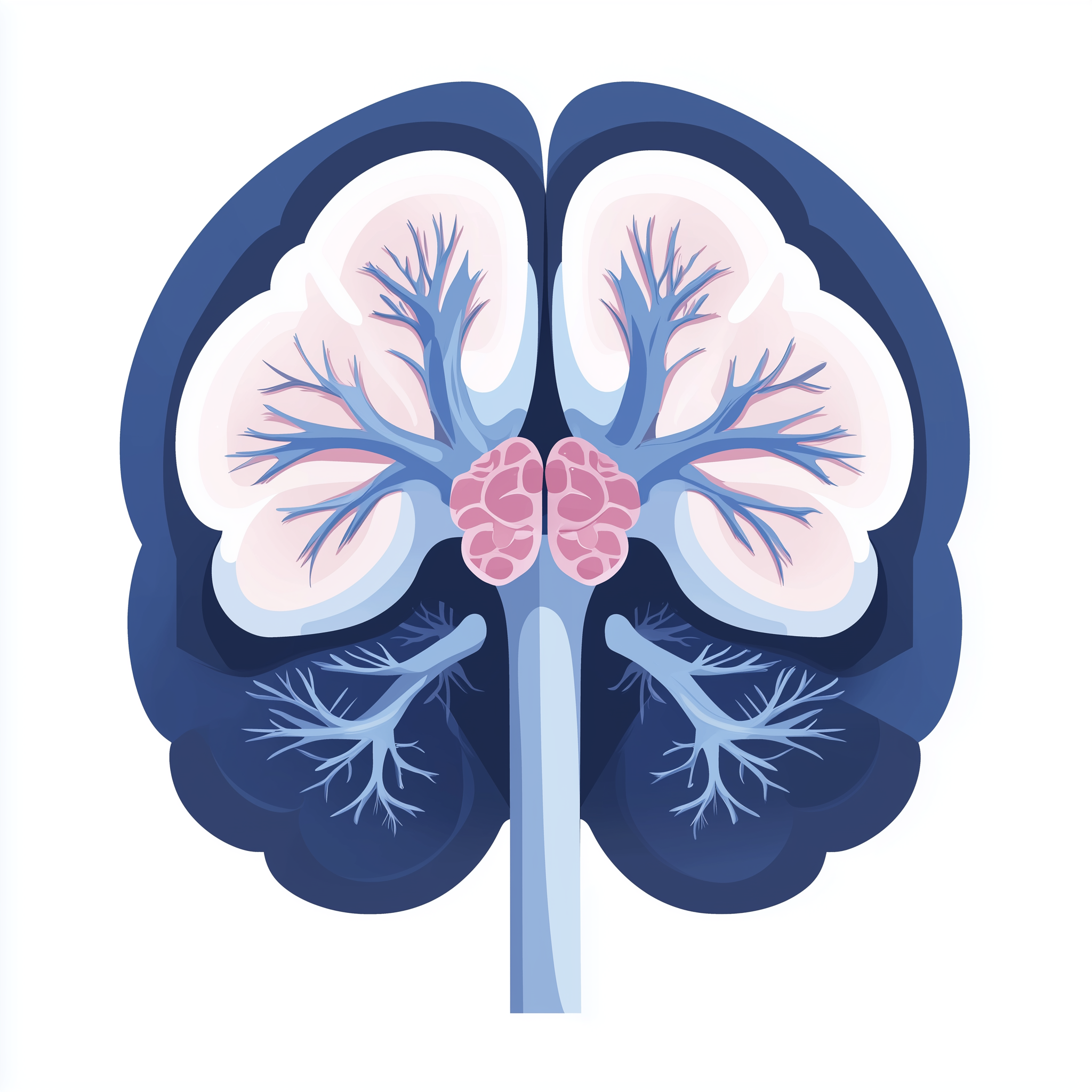
Parkinson disease primarily affects the brain and the central nervous system. The main pathological feature is the degeneration of dopamine-producing neurones in a specific area of the brain called the substantia nigra. Dopamine is a neurotransmitter that plays a crucial role in regulating movement, mood, and motivation. The clinical manifestations of LRRK2-related PD are predominantly neurological, with the progressive loss of these dopamine-producing cells driving the motor symptoms that characterise the condition.

Risks & severity
The age at which symptoms begin in Parkinson disease (LRRK2) is variable but typically falls between 50 and 70 years of age, similar to sporadic (non-genetic) PD [PMID:32060370]. However, some individuals may develop symptoms earlier or later. The progression and severity of the condition can also vary significantly between individuals, even within the same family. Some individuals might experience a milder progression, while others may have a more rapid decline in motor function.
Having an LRRK2 genetic change means there is an increased lifetime risk of developing Parkinson disease. However, it is important to understand that not everyone with a pathogenic LRRK2 variant will develop the condition; this is known as reduced penetrance. The precise lifetime risk can depend on the specific LRRK2 variant involved and other genetic or environmental factors, which are still being researched.
Genetic causes
Parkinson disease (LRRK2) is caused by pathogenic changes in the LRRK2 gene, which stands for leucine rich repeat kinase 2. This gene provides instructions for making a protein found throughout the body, but it is particularly abundant in the brain. The LRRK2 protein plays a role in several cellular processes, including regulating protein function, maintaining the structure of nerve cells, and supporting the transport of materials within cells [PMID:32060370].
When a pathogenic variant occurs in the LRRK2 gene, it can lead to an overactive LRRK2 protein or a protein that doesn't function correctly. This altered activity is thought to disrupt normal cellular processes, leading to the degeneration of dopamine-producing neurones in the brain, which in turn causes the motor symptoms characteristic of Parkinson disease. Many different changes within the LRRK2 gene have been identified, with some being more commonly associated with PD than others.
- LRRK2 leucine rich repeat kinase 2
Inheritance pattern
Parkinson disease (LRRK2) is inherited in an autosomal dominant pattern. This means that an individual only needs to inherit one copy of the altered LRRK2 gene from one parent to have an increased risk of developing the condition. If a parent has a pathogenic LRRK2 variant, there is a 50% chance with each pregnancy that their child will inherit the altered gene.
It is important to remember that inheriting the altered gene does not mean that a person will definitely develop Parkinson disease; this is due to reduced penetrance. Family members who do not inherit the altered gene will not be at an increased genetic risk and cannot pass the condition on to their children. Genetic counselling can provide more detailed information about inheritance patterns and personal risks.
Each child has a 50% chance of inheriting the pathogenic variant, regardless of sex.
Diagnosis & testing
The diagnosis of Parkinson disease is initially based on a clinical assessment by a neurologist, who will evaluate symptoms and conduct physical examinations. If there is a family history of PD or if symptoms appear at an earlier age, a genetic cause may be suspected. Genetic testing for LRRK2 variants can confirm a diagnosis of LRRK2-associated Parkinson disease and is usually arranged by a clinical geneticist or neurologist.
In the UK, genetic testing for Parkinson disease is available through the NHS Genomic Medicine Service (GMS). Referral to a clinical genetics service is typically made by a GP or specialist. Genetic testing for Parkinson disease, including LRRK2, often falls under the R-code R115 'Monogenic Parkinson's disease' in the NHS National Genomic Test Directory. A positive genetic test result can provide clarity for individuals and families, inform family planning, and may allow participation in specific clinical trials.
Management & lifestyle
While there is currently no cure for Parkinson disease, management aims to control symptoms and improve quality of life. Treatment strategies for Parkinson disease (LRRK2) are generally similar to those for other forms of PD. These typically include medications that help to replenish dopamine levels in the brain or mimic its effects. Examples include levodopa, dopamine agonists, and MAO-B inhibitors.
Beyond medication, a multidisciplinary approach is often beneficial, involving physiotherapists, occupational therapists, speech and language therapists, and specialist nurses. Regular exercise, a balanced diet, and managing non-motor symptoms like sleep disturbances and mood changes are also important aspects of care. Research is ongoing into therapies specifically targeting the LRRK2 pathway, which may offer more personalised treatment options in the future.
UK care pathway
In the UK, individuals with suspected genetic Parkinson disease typically access care through the NHS. After an initial assessment by their GP, a referral to a neurologist or a clinical genetics service may be made. The NHS Genomic Medicine Service (GMS) provides comprehensive genetic testing, guided by the National Genomic Test Directory. Genetic counselling is an integral part of this pathway, offering support and information to individuals and families before and after genetic testing.
For Parkinson disease, relevant R-codes in the NHS National Genomic Test Directory, such as R115 'Monogenic Parkinson's disease', outline the criteria for genetic testing. Clinical geneticists and genetic counsellors can help interpret genetic test results and discuss the implications for the individual and their relatives, including options for family planning and cascade testing.
Frequently asked questions
What does 'autosomal dominant' inheritance mean for LRRK2 Parkinson disease?
Autosomal dominant inheritance means that only one copy of an altered LRRK2 gene is needed to increase the risk of developing Parkinson disease. If a parent has the altered gene, each of their children has a 50% chance of inheriting it. However, inheriting the gene does not guarantee that someone will develop the condition.
If I have an LRRK2 variant, will I definitely get Parkinson disease?
Not necessarily. Having a pathogenic LRRK2 variant increases your risk of developing Parkinson disease, but it does not mean you will definitely get it. This is called reduced penetrance. The exact risk can vary depending on the specific variant and other factors.
How is genetic testing for LRRK2 Parkinson disease done in the UK?
In the UK, genetic testing is typically arranged through a clinical genetics service or a neurologist after referral from your GP or specialist. It usually involves a blood test. The testing is provided by the NHS Genomic Medicine Service and follows guidelines in the National Genomic Test Directory under specific R-codes, such as R115.
Are there specific treatments for LRRK2-associated Parkinson disease?
Currently, the treatments for LRRK2-associated Parkinson disease are generally the same as for other forms of Parkinson disease, focusing on managing symptoms with medications to improve dopamine levels. However, research is ongoing into therapies that specifically target the LRRK2 protein, which may lead to more personalised treatments in the future.
Can I pass LRRK2-associated Parkinson disease to my children if I have the gene variant?
If you have a pathogenic LRRK2 variant, each of your children has a 50% chance of inheriting that variant. If they inherit the variant, they will have an increased risk of developing Parkinson disease. Genetic counselling can help you understand these risks in detail and discuss family planning options.