

On this page
Congenital adrenal hypoplasia (X-linked)
This condition affects males predominantly, causing severe adrenal insufficiency typically in infancy or early childhood. Without prompt hormone replacement, affected individuals face serious health complications. With appropriate treatment and monitoring through NHS endocrinology services, most people can lead relatively normal lives.
Available at Jeen Health
Clinical tests that include this
Overview
Congenital adrenal hypoplasia is a disorder in which the adrenal glands - small organs sitting above each kidney - do not develop normally before birth. The X-linked form specifically affects the outer layer of these glands, called the adrenal cortex, preventing it from producing essential hormones. Because this condition follows an X-linked recessive inheritance pattern, it predominantly affects males, though female carriers may occasionally show milder features.
The condition typically presents in two main stages. Many affected infants develop adrenal crisis in the first weeks or months of life, whilst others may present later in childhood. A second key feature emerges during puberty, when many affected individuals fail to undergo normal sexual development due to hypogonadotropic hypogonadism. This combined presentation of adrenal and reproductive hormone deficiency distinguishes X-linked congenital adrenal hypoplasia from other forms of adrenal insufficiency.
Early recognition and treatment are critical for preventing life-threatening adrenal crises. The exact prevalence in the UK is not well established, but the condition is considered rare within the spectrum of inherited endocrine disorders.
Symptoms & clinical features
The hallmark presentation involves symptoms of adrenal insufficiency, which result from deficiency of cortisol and aldosterone hormones. Affected infants may show poor feeding, persistent vomiting, failure to gain weight appropriately, and lethargy. Without recognition and treatment, these symptoms can rapidly progress to adrenal crisis - a medical emergency characterised by severe dehydration, low blood pressure, low blood sugar, and electrolyte imbalances that can be fatal if untreated.
Some infants present with salt-wasting features, including excessive sodium loss in urine and dangerously high potassium levels in blood. Skin hyperpigmentation may develop over time due to elevated levels of adrenocorticotropic hormone. During adolescence, affected males typically fail to enter puberty spontaneously, with absent or incomplete development of secondary sexual characteristics such as facial hair, deepening voice, and genital maturation. Associated features may include a reduced sense of smell and, in some cases, developmental concerns or learning difficulties, though intelligence is typically within the normal range.
Video: Genetics 101
Affected organs
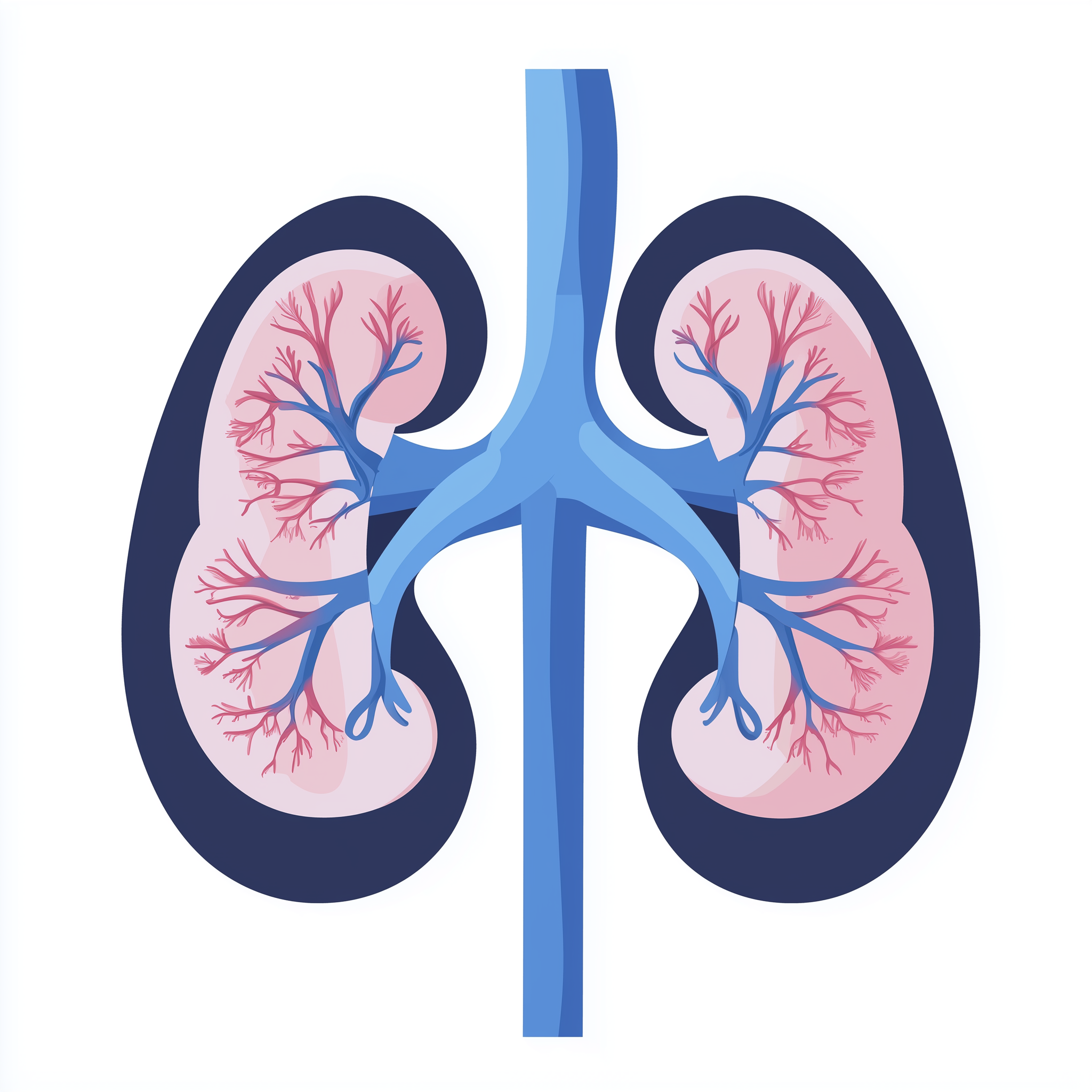
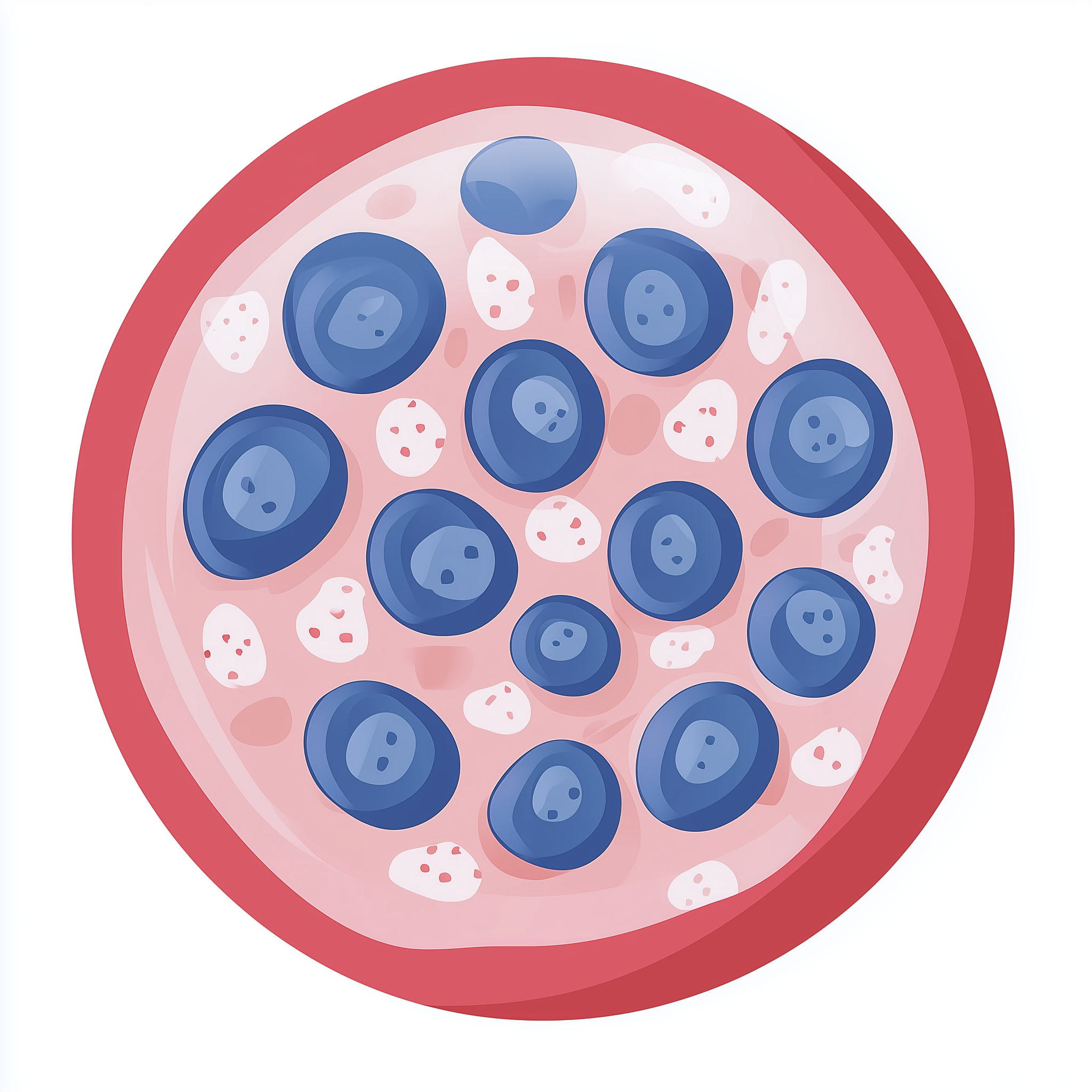
The primary organs affected are the adrenal glands, specifically the adrenal cortex. In this condition, the cortex is either markedly underdeveloped or shows an abnormal cellular structure that prevents normal hormone production. This affects production of glucocorticoids like cortisol, which help the body respond to stress and regulate metabolism, and mineralocorticoids like aldosterone, which control salt and water balance.
The hypothalamic-pituitary-gonadal axis is also significantly affected. The condition interferes with normal signalling between the brain and testes, preventing normal testosterone production and sexual development during puberty. In some individuals, the sense of smell may be reduced due to incomplete development of olfactory structures in the brain, though this feature is variable.
Risks & severity
The severity of X-linked congenital adrenal hypoplasia is generally considered high, particularly if undiagnosed in the newborn period. Adrenal crisis in early infancy carries significant mortality risk without prompt medical intervention. Research suggests that approximately 70 per cent of affected males present within the first two months of life with acute adrenal insufficiency, whilst others may present later in childhood with less dramatic symptoms.
With appropriate lifelong hormone replacement therapy, life expectancy can be normal, though affected individuals require careful medical supervision throughout their lives. The risk of adrenal crisis persists during periods of physiological stress such as illness, surgery, or injury, requiring adjustment of glucocorticoid doses. Fertility is typically significantly reduced or absent in affected males due to hypogonadotropic hypogonadism, though some individuals may achieve fertility with assisted reproductive technologies and appropriate hormone therapy.
Genetic causes
X-linked congenital adrenal hypoplasia is caused by pathogenic variants in NR0B1, which encodes a protein called DAX-1 (dosage-sensitive sex reversal, adrenal hypoplasia critical region, on chromosome X, gene 1). This protein functions as a nuclear receptor that plays a crucial role in the development and function of steroidogenic tissues - those organs and glands that produce steroid hormones.
The NR0B1 protein normally acts as a transcriptional regulator, controlling the expression of genes involved in adrenal gland development during foetal life and maintaining proper adrenal function after birth. It also regulates development and function of the hypothalamic-pituitary-gonadal axis, which controls reproductive hormone production. When pathogenic variants disrupt NR0B1 function, the adrenal cortex fails to develop its normal layered structure, and cells that should produce cortisol and aldosterone either do not form properly or cannot function effectively. Similarly, the protein's role in reproductive development is compromised, leading to hypogonadotropic hypogonadism in affected males.
- NR0B1 nuclear receptor subfamily 0 group B member 1The NR0B1 gene provides instructions for producing the DAX1 protein, which is vital for the proper development and function of several hormone-producing tissues, including the adrenal glands and reproductive organs.
Inheritance pattern
This condition follows an X-linked recessive inheritance pattern. Males have one X chromosome and one Y chromosome, so a single pathogenic variant in NR0B1 on their X chromosome is sufficient to cause the condition. Females have two X chromosomes, so they would typically need pathogenic variants in both copies to be affected - a very rare occurrence. Most females with one pathogenic variant are carriers and generally do not show symptoms, though rare cases of mild features in female carriers have been reported.
A mother who carries a pathogenic NR0B1 variant has a 50 per cent chance with each pregnancy of passing that variant to her child. Sons who inherit the variant will be affected, whilst daughters who inherit it will be carriers like their mother. Affected males cannot pass X-linked conditions to their sons, as sons inherit the Y chromosome from their father, but all daughters of affected males will be carriers. Genetic counselling is recommended for families to understand recurrence risks and reproductive options.
X-linked recessive: sons of a carrier mother have a 50% chance of being affected. Daughters have a 50% chance of being carriers.
Diagnosis & testing
Diagnosis typically begins with clinical suspicion based on symptoms of adrenal insufficiency in a male infant or child, particularly when combined with family history suggestive of X-linked inheritance. Biochemical testing reveals characteristic abnormalities including low cortisol, elevated adrenocorticotropic hormone, and electrolyte disturbances with low sodium and high potassium in many cases.
Genetic testing confirms the diagnosis through identification of a pathogenic variant in NR0B1. Within the NHS Genomic Medicine Service, testing may be arranged through clinical genetics or paediatric endocrinology services. The condition is included in relevant PanelApp panels for adrenal disorders. Referral criteria typically include male infants or children presenting with primary adrenal insufficiency, particularly when associated with hypogonadism or relevant family history. Newborn screening does not currently include this condition in the UK, so diagnosis relies on clinical recognition and appropriate investigation of symptomatic individuals.
Management & lifestyle
Management centres on lifelong hormone replacement therapy to substitute for the deficient adrenal hormones. Glucocorticoid replacement, typically with hydrocortisone, is essential and must be taken daily in divided doses. Mineralocorticoid replacement with fludrocortisone is often required to maintain salt and water balance. Dosing requires careful individualisation and adjustment during periods of illness, injury, or surgery - situations where the body would normally produce extra cortisol.
Patients and families receive education on recognising signs of adrenal insufficiency and administering emergency hydrocortisone injections during acute illness or if unable to take oral medication. Medical alert identification is strongly recommended. During adolescence, testosterone replacement therapy is typically initiated to induce and maintain male secondary sexual characteristics. Regular monitoring through specialist endocrinology clinics includes assessment of growth, development, blood pressure, electrolytes, and hormone levels. Within NHS care pathways, affected individuals are typically managed jointly by paediatric or adult endocrinologists and clinical genetics services, with access to genetic counselling for family planning discussions.
UK care pathway
Within the NHS Genomic Medicine Service, individuals with suspected X-linked congenital adrenal hypoplasia are typically referred to clinical genetics services or specialist paediatric endocrinology centres. Genetic testing for NR0B1 is available through the NHS and may be arranged following clinical assessment. The condition appears on relevant genomic test directories for disorders of adrenal development and function.
Care involves multidisciplinary input from endocrinologists, clinical geneticists, and specialist nurses. Families have access to genetic counselling to discuss inheritance patterns, recurrence risks, and reproductive options including prenatal diagnosis or preimplantation genetic testing. Transition from paediatric to adult endocrinology services requires careful planning to ensure continuity of hormone replacement and monitoring. Patient support may be available through endocrine patient organisations, though specific support groups for this rare condition may be limited within the UK.
Frequently asked questions
Will my son need hormone replacement for his entire life?
Yes, lifelong hormone replacement is essential for X-linked congenital adrenal hypoplasia. The adrenal glands cannot recover their function, so continuous glucocorticoid and often mineralocorticoid replacement remains necessary throughout life. Regular endocrinology follow-up ensures appropriate dosing as your son grows and his needs change.
Can affected males have children naturally?
Fertility is typically significantly reduced or absent in males with X-linked congenital adrenal hypoplasia due to hypogonadotropic hypogonadism. However, some individuals may achieve fertility with hormonal treatments and assisted reproductive technologies. Discussing reproductive options with an endocrinologist and fertility specialist is recommended for those considering fatherhood.
What happens during an adrenal crisis and how can I prevent one?
Adrenal crisis is a life-threatening emergency where the body lacks sufficient cortisol, causing severe vomiting, dehydration, low blood pressure, and confusion. Prevention involves never missing hormone doses, increasing glucocorticoid doses during illness or stress as directed by your endocrinologist, and having emergency injectable hydrocortisone available. Always wear medical alert identification and educate family members on emergency management.
If I am a carrier, what are the chances my future children will be affected?
As a female carrier, each son has a 50 per cent chance of inheriting the pathogenic variant and being affected, whilst each daughter has a 50 per cent chance of being a carrier like you. Genetic counselling can discuss these risks in detail and explain options such as prenatal diagnosis or preimplantation genetic testing for family planning.
References
- Yang J, Lv Y, Zhou Y. Identification of a novel mutation of NR0B1 in a patient with X-linked adrenal hypoplasia and symptomatic treatment. Journal of pediatric endocrinology & metabolism : JPEM. 2017. PMID: 29176027
- Meireles AR, Drummond JB, Abreu AP. A novel NR0B1 pathogenic variant in congenital adrenal hypoplasia presenting with azoospermia and normal testosterone. JCEM case reports. 2026. PMID: 41756471