

On this page
CAPOS syndrome
CAPOS syndrome typically affects young children, causing sudden-onset symptoms such as cerebellar ataxia, problems with movement control, and hearing loss. It is caused by genetic changes in the ATP1A3 gene.
Overview
CAPOS syndrome, an acronym for Cerebellar Ataxia, Progressive Encephalopathy, Ocular signs, and Sensorineural hearing loss, is a rare inherited neurological disorder. It primarily affects the brain, causing episodes that can lead to problems with coordination, movement, and cognitive function [PMID:24729314]. The condition typically emerges in early childhood, often triggered by fever, infection, or mild trauma.
While the symptoms can be distressing during episodes, many individuals experience significant recovery between them. However, repeated episodes may lead to progressive and lasting neurological impairments. Understanding the specific genetic cause helps in managing the condition and planning for future care.
Symptoms & clinical features
The symptoms of CAPOS syndrome commonly appear during the first five years of life. Initial signs often manifest as sudden-onset non-febrile encephalopathy, a type of brain dysfunction without fever, typically following an infection or fever [PMID:24270034]. Key features include cerebellar ataxia, which affects movement coordination, making activities like walking difficult. Children may develop a broad-based, unsteady gait and struggle with fine motor skills.
Other symptoms that can emerge during episodes include nystagmus (involuntary eye movements), weakness on one side of the body (hemiplegia), and speech difficulties (dysarthria). Some individuals may experience developmental delay, especially after repeated episodes, affecting areas such as learning and communication. Sensorineural hearing loss, affecting the inner ear, can also be a feature of CAPOS syndrome, which may be present at birth or develop later.
Video: Genetics 101
Affected organs
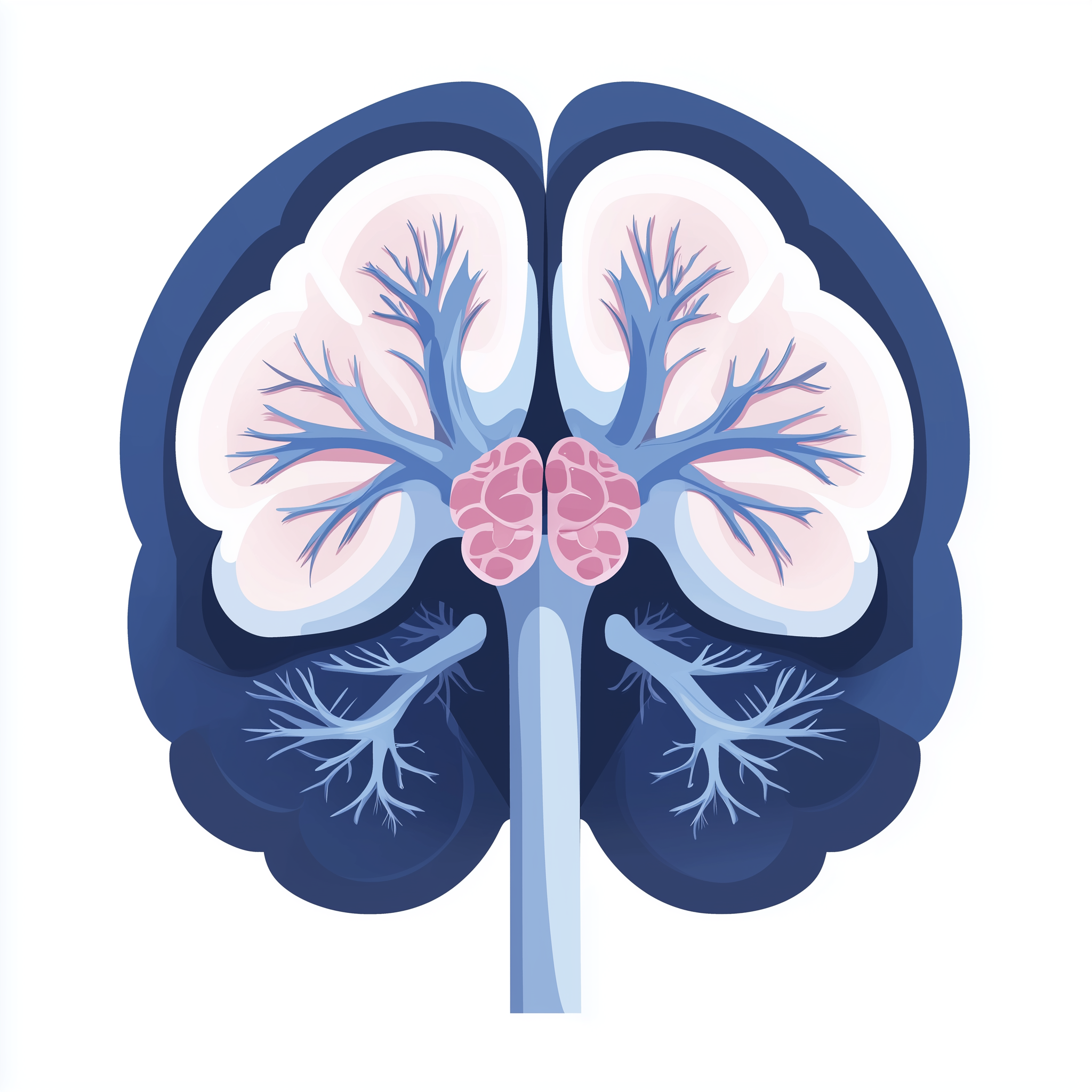
CAPOS syndrome primarily affects the brain, particularly the cerebellum, which is vital for coordination, balance, and motor control. During episodes, the basal ganglia, another part of the brain involved in regulating movement, can also be impacted. This can lead to the movement difficulties observed.
In addition to the central nervous system, CAPOS syndrome can sometimes affect the auditory system, leading to sensorineural hearing loss. The degree of this hearing loss can vary between individuals and may require specific interventions to support hearing.
Risks & severity
The severity of CAPOS syndrome can vary considerably among affected individuals. While some may experience single, isolated episodes with full recovery, others might have recurrent episodes leading to more persistent neurological deficits. Factors such as the frequency and severity of episodes, as well as the individual's response to management, can influence the long-term outcome.
Typically, the onset of symptoms occurs in early childhood, often before the age of five. Many individuals show improvement between acute episodes, but some may develop lasting problems with coordination, speech, or cognitive function. The exact prevalence of CAPOS syndrome is not well established; it is considered a very rare condition.
Genetic causes
CAPOS syndrome is caused by pathogenic variants in the ATP1A3 gene [PMID:24729314]. This gene provides instructions for making a protein called the alpha-3 subunit of the Na+/K+-ATPase pump. This pump is crucial for maintaining the electrochemical gradients across cell membranes, particularly in nerve cells in the brain.
Pathogenic changes in ATP1A3 can disrupt the normal function of this pump. This disruption can lead to an imbalance of ions within brain cells, particularly during periods of stress such as fever or infection. This cellular imbalance is thought to be the underlying mechanism responsible for the episodic neurological symptoms seen in CAPOS syndrome.
- ATP1A3 ATPase Na+/K+ transporting subunit alpha 3
Inheritance pattern
CAPOS syndrome is inherited in an autosomal dominant manner. This means that a person only needs one copy of the altered ATP1A3 gene in each cell to develop the condition. In most cases of CAPOS syndrome, the genetic change occurs spontaneously (de novo) in the affected individual and is not inherited from either parent [PMID:24729314].
If CAPOS syndrome is caused by a new genetic change, meaning neither parent carries the variant, the chance of future children in that family being affected is very low. However, if a parent does carry the pathogenic variant, there is a 50% chance with each pregnancy that their child will also inherit the condition. Genetic counselling can provide detailed information and support for families regarding inheritance patterns and risks.
Each child of an affected parent has a 50% chance of inheriting the pathogenic variant, regardless of sex.
Diagnosis & testing
Diagnosing CAPOS syndrome typically begins with a clinical evaluation based on the characteristic neurological episodes and features. This usually involves a paediatric neurologist. Imaging studies of the brain, such as an MRI, may be performed during or after an episode to assess for any changes, though these can often appear normal or show only subtle, temporary findings.
The definitive diagnosis of CAPOS syndrome is confirmed through genetic testing, which looks for pathogenic variants in the ATP1A3 gene. Genetic testing for neurological conditions, including those linked to ATP1A3, is available through the NHS Genomic Medicine Service (GMS) in the UK. Referrals for genetic testing are typically made by a specialist healthcare professional, often a clinical geneticist or neurologist, who can consider the appropriate R-code for testing, such as R256 Childhood onset movement disorder.
Management & lifestyle
Management of CAPOS syndrome primarily focuses on supportive care during acute episodes and minimising long-term neurological impact. During an episode, hospital admission may be necessary to monitor symptoms and provide supportive treatments. Some individuals respond to corticosteroids, which may help to reduce inflammation and shorten the duration of episodes [PMID:24270034].
Long-term management involves regular follow-up with a paediatric neurologist. Surveillance for hearing loss and developmental progress is important. Physiotherapy and occupational therapy can be beneficial in addressing motor difficulties, while speech and language therapy can help with communication challenges. Genetic counsellors can provide essential information and support regarding the genetic aspects of CAPOS syndrome and its implications for the family.
UK care pathway
In the UK, individuals suspected of having CAPOS syndrome would typically be referred to a paediatric neurologist or a clinical genetics service. These specialists can assess symptoms, arrange necessary investigations including genetic testing via the NHS Genomic Medicine Service (GMS), and provide a diagnosis. Genetic testing is usually requested by a specialist, using specific R-codes from the GMS test directory, such as R256 for childhood-onset movement disorders.
Following diagnosis, ongoing care is coordinated through specialist clinics, bringing together various healthcare professionals. Access to genetic counselling is an integral part of the pathway, offering support and information to individuals and families affected by CAPOS syndrome.
Frequently asked questions
What happens during a CAPOS syndrome episode?
During an episode, a child with CAPOS syndrome may suddenly develop problems with balance and coordination (ataxia), difficulty speaking, or weakness on one side of the body. These episodes are often triggered by infections or fevers and can last for several days.
Can CAPOS syndrome be cured?
There is currently no cure for CAPOS syndrome, but management focuses on treating the symptoms during episodes and providing supportive therapies to improve long-term outcomes. Some individuals recover well between episodes, while others may experience lasting effects.
Is CAPOS syndrome always inherited from parents?
No, in many cases, CAPOS syndrome results from a de novo (new) genetic change in the child, meaning it is not inherited from either parent. However, if a parent does carry the altered ATP1A3 gene, there is a risk of passing it on to their children.
What kind of support is available for families affected by CAPOS syndrome?
Families can receive support from clinical genetics services, paediatric neurologists, and genetic counsellors who provide information, guidance, and help with navigating the condition. Various therapies like physiotherapy and speech therapy are also available to address specific symptoms.
Are there specific triggers for CAPOS syndrome episodes?
Yes, episodes of CAPOS syndrome are often triggered by common childhood infections, fevers, or sometimes mild physical trauma. Identifying and managing these triggers can sometimes help in reducing the frequency or severity of episodes.
References
- Adam MP, Bick S, Mirzaa GM. ATP1A3-Related Disorder. 1993. PMID: 20301294
- Duat Rodriguez A, Prochazkova M, Santos Santos S. Early Diagnosis of CAPOS Syndrome Before Acute-Onset Ataxia-Review of the Literature and a New Family. Pediatric neurology. 2017. PMID: 28483396
- Chang IJ, Adam MP, Jayadev S. Novel pregnancy-triggered episodes of CAPOS syndrome. American journal of medical genetics. Part A. 2018. PMID: 29090527
- Potic A, Nmezi B, Padiath QS. CAPOS syndrome and hemiplegic migraine in a novel pedigree with the specific ATP1A3 mutation. Journal of the neurological sciences. 2015. PMID: 26453127
- Roenn CP, Li M, Schack VR. Functional consequences of the CAPOS mutation E818K of Na(+),K(+)-ATPase. The Journal of biological chemistry. 2019. PMID: 30409907
- Kaneshiro S, Hiraumi H, Kobayashi Y. Childhood fever and hearing loss associated with CAPOS syndrome. Auris, nasus, larynx. 2024. PMID: 38821025
- Carecchio M, Zorzi G, Ragona F. ATP1A3-related disorders: An update. European journal of paediatric neurology : EJPN : official journal of the European Paediatric Neurology Society. 2018. PMID: 29291920
- Sharawat IK, Kasinathan A, Suthar R. CAPOS Syndrome: A Rare ATP1A3-Related Disorder. Annals of Indian Academy of Neurology. 2020. PMID: 32606553