

On this page
Alternating hemiplegia of childhood
AHC is a rare genetic condition primarily affecting children, characterised by recurring episodes of weakness or paralysis that can switch sides of the body. It also involves other neurological symptoms such as developmental delay and movement disorders.
Overview
Alternating Hemiplegia of Childhood (AHC) is a very rare and complex neurological condition that typically starts in infancy or early childhood. The defining feature of AHC is repeated, transient episodes of hemiplegia, which means weakness or paralysis that affects one side of the body. These episodes can vary in duration, lasting minutes to several days, and often switch between the left and right sides of the body [PMID:33675079].
Beyond these episodes, individuals with AHC also commonly experience a range of other neurological challenges. These can include developmental delays, learning difficulties, problems with movement control (dystonia), and epileptic seizures. The severity and combination of symptoms can differ significantly among affected individuals, even within the same family.
Symptoms & clinical features
The primary symptom of AHC is the sudden onset of weakness or paralysis affecting one side of the body, known as hemiplegia. These episodes can alternate between the left and right sides, or occasionally affect both sides of the body simultaneously. Triggers for these episodes can be varied and include emotional stress, specific foods, changes in temperature, fatigue, or even bright lights.
In addition to the paralytic attacks, individuals with AHC may experience other neurological features. These often include dystonia, which causes involuntary muscle contractions leading to twisting or repetitive movements, and nystagmus, an uncontrolled, repetitive eye movement. Developmental delay, particularly affecting motor skills, and learning difficulties are also frequently observed. Some individuals may also develop epileptic seizures over time [PMID:24606775].
Video: Genetics 101
Affected organs
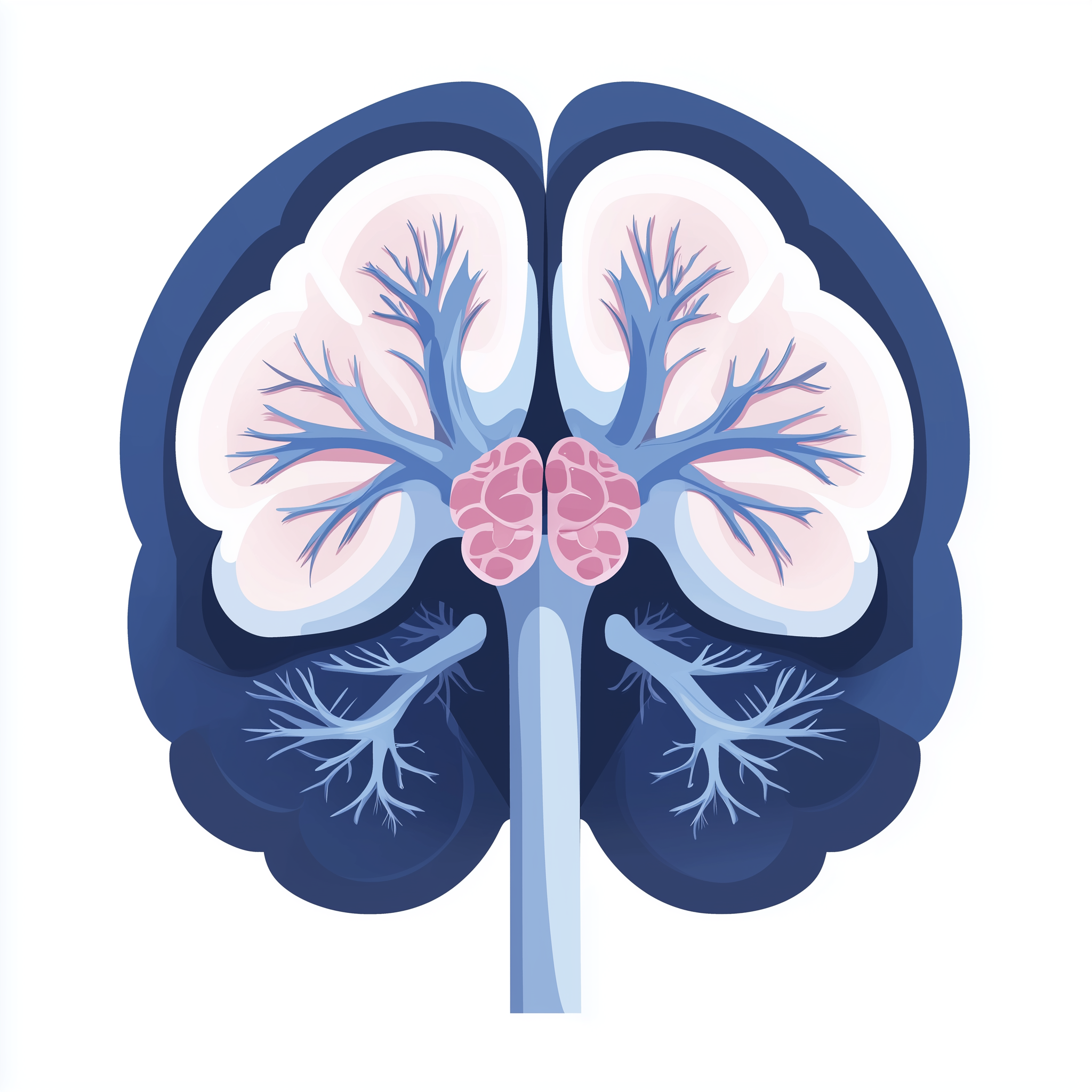
AHC primarily affects the brain and nervous system, leading to a spectrum of neurological symptoms. The episodes of paralysis and other movement disorders stem from disrupted signalling within the brain. While the paralytic episodes are temporary, the underlying genetic change can lead to more permanent neurological impacts on development and learning.
Risks & severity
AHC is considered a severe neurological disorder due to its chronic nature and the potential for significant developmental and cognitive impact. The severity of symptoms, particularly the frequency and duration of paralytic episodes and the extent of developmental delay, can vary widely among individuals. The condition is usually present from infancy or early childhood, with paralytic episodes typically appearing before 18 months of age.
AHC is a very rare condition, with an estimated prevalence of about 1 in 1,000,000 individuals. While the paralytic episodes are typically not life-threatening themselves, complications from severe seizures or prolonged immobility can occur. The long-term outlook for individuals with AHC varies, with some experiencing significant disability through adulthood, while others may have milder presentations.
Genetic causes
Alternating Hemiplegia of Childhood is most commonly caused by pathogenic variants in the ATP1A3 gene. This gene provides instructions for making a protein that is a crucial component of the sodium-potassium pump, an enzyme found in brain cells. This pump plays a vital role in maintaining the correct balance of sodium and potassium ions across cell membranes, which is essential for normal nerve cell function and electrical signalling in the brain [PMID:22960295].
When there is a pathogenic variant in ATP1A3, the sodium-potassium pump may not function correctly. This disruption in ion balance can lead to abnormal electrical activity in the brain, which is thought to underlie the characteristic episodes of paralysis, movement disorders, and other neurological symptoms seen in AHC. Other genes are rarely associated with AHC, but ATP1A3 is the primary genetic cause.
- ATP1A3 ATPase Na+/K+ transporting subunit alpha 3
Inheritance pattern
AHC has an autosomal dominant inheritance pattern. This means that only one copy of the altered ATP1A3 gene in each cell is enough to cause the condition. In most cases, the pathogenic variant occurs spontaneously and is not inherited from either parent. This is known as a de novo variant, meaning new and not present in the parents’ genetic material.
If an individual has AHC due to a de novo variant, their siblings are typically not at an increased risk of inheriting the condition. However, an affected individual has a 50% chance of passing on the variant to each of their children, should they choose to have a family. Genetic counselling can provide detailed information about inheritance risks for specific families.
Each child of an affected parent has a 50% chance of inheriting the pathogenic variant, regardless of sex.
Diagnosis & testing
Diagnosing Alternating Hemiplegia of Childhood typically involves a combination of clinical evaluation and genetic testing. A paediatric neurologist will assess the characteristic neurological symptoms, such as the recurrent, alternating episodes of hemiplegia, dystonia, and developmental delays, particularly if they begin in early childhood. Video-EEG monitoring during these episodes can sometimes provide supportive evidence.
Confirmation of an AHC diagnosis usually relies on identifying a pathogenic variant in the ATP1A3 gene through genetic testing. In the UK, genetic testing for AHC can be accessed via the NHS Genomic Medicine Service (GMS) pathways, often initiated after a referral from a specialist paediatrician or neurologist. The relevant R-code for testing related to this condition would typically be found under the neurological disorder test directory. Genetic counsellors play a key role in explaining the testing process and interpreting results.
Management & lifestyle
The management of AHC focuses on reducing the frequency and severity of the paralytic episodes and addressing the associated neurological symptoms. While there is no cure, various medications may be used. Flunarizine is often considered, although its effectiveness can vary. Other medications might be prescribed to manage seizures or dystonia if present.
Supportive therapies are crucial for individuals with AHC. These can include physiotherapy to help maintain muscle strength and flexibility, occupational therapy to assist with daily living activities, and speech and language therapy for communication difficulties. Educational support is also essential for developmental and learning needs. Management is typically coordinated through a multidisciplinary team within the NHS, often involving paediatric neurologists, physiotherapists, and genetic counsellors. Regular review and adjustment of treatment plans are common as symptoms can evolve over time.
UK care pathway
In the UK, suspected cases of Alternating Hemiplegia of Childhood are typically referred by a general practitioner (GP) or a paediatrician to a specialist paediatric neurologist. If AHC is suspected, the patient can be referred for genetic testing through the NHS Genomic Medicine Service (GMS), which uses R-codes to guide appropriate testing based on clinical need. A clinical genetics service can provide further advice on diagnosis, inheritance, and management, often including access to a genetic counsellor.
Frequently asked questions
What triggers the episodes of paralysis in AHC?
The paralytic episodes in AHC can be triggered by various factors, including emotional excitement, physical exertion, certain foods, changes in temperature, fatigue, and sometimes even bright lights. Identifying and avoiding individual triggers can sometimes help reduce episode frequency, but this is not always possible.
Is AHC always inherited from a parent?
No, in most cases, AHC is not inherited from a parent. The genetic change in the ATP1A3 gene often occurs spontaneously in the affected child, meaning it was not present in either parent's genetic material. This is known as a de novo variant.
Can AHC be cured?
Currently, there is no cure for Alternating Hemiplegia of Childhood. Management focuses on treating the symptoms, reducing the frequency and severity of paralytic episodes and improving quality of life through medication and various supportive therapies.
What kind of doctors treat AHC?
Individuals with AHC are typically cared for by a team of specialists. This often includes a paediatric neurologist, who manages the neurological symptoms, along with physiotherapists, occupational therapists, speech and language therapists, and genetic counsellors, all coordinated within the NHS.
Will my child's symptoms get worse over time?
The progression of AHC symptoms varies greatly among individuals. While some children may experience stable symptoms, others might see worsening developmental delays or increased frequency of paralytic episodes. Regular monitoring by specialists helps to adapt management strategies as needed.
References
- Vezyroglou A, Akilapa R, Barwick K. The Phenotypic Continuum of ATP1A3-Related Disorders. Neurology. 2022. PMID: 36192182
- Mikati MA, Panagiotakaki E, Arzimanoglou A. Revision of the diagnostic criteria of alternating hemiplegia of childhood. European journal of paediatric neurology : EJPN : official journal of the European Paediatric Neurology Society. 2021. PMID: 33975787
- Sousa AA, Terrey M, Sakai HA. In vivo prime editing rescues alternating hemiplegia of childhood in mice. Cell. 2025. PMID: 40695277
- Blumenfeld AE, Victorio MC, Berenson FR. Complicated Migraines. Seminars in pediatric neurology. 2016. PMID: 27017017
- Panagiotakaki E, Arzimanoglou A. Brain volumetrics in alternating hemiplegia of childhood. European journal of paediatric neurology : EJPN : official journal of the European Paediatric Neurology Society. 2020. PMID: 32376083
- Pearl PL. Autonomic risks in Alternating Hemiplegia of Childhood. European journal of paediatric neurology : EJPN : official journal of the European Paediatric Neurology Society. 2022. PMID: 35487825
- Ananthavarathan P, Kamourieh S. Alternating hemiplegia of childhood. Handbook of clinical neurology. 2023. PMID: 38043964
- Poole J, Zagaglia S, Demurtas R. Alternating hemiplegia of childhood: An electroclinical study of sleep and hemiplegia. PloS one. 2022. PMID: 36178910