

On this page
Alzheimer disease (late-onset)
Also known as Alzheimer's disease · Alzheimers disease
This form of Alzheimer disease typically affects older adults, leading to a gradual decline in cognitive abilities, including memory, thinking, and reasoning. It is a complex condition influenced by multiple genetic and environmental factors.
Available at Jeen Health
Clinical tests that include this
Overview
Late-onset Alzheimer disease (LOAD) is the most common form of dementia, generally appearing after the age of 65. It is a progressive condition, meaning that symptoms gradually worsen over time, impacting daily life. The disease is characterised by changes in the brain, including the accumulation of specific protein deposits and nerve cell damage, which disrupt normal brain function [PMID:30127532].
While the exact cause of LOAD is not fully understood, it is considered a complex or polygenic condition. This means that a combination of genetic predispositions, alongside environmental and lifestyle factors, are thought to contribute to its development. LOAD differs from early-onset Alzheimer disease, which typically has a stronger genetic link to specific single genes and appears at a younger age.
Approximately 10% of individuals over 65 years of age are affected by Alzheimer disease. This prevalence increases with advancing age. Understanding the genetic and environmental factors involved is an active area of research aimed at developing better prevention and treatment strategies [PMID:30950348].
Symptoms & clinical features
The initial symptoms of late-onset Alzheimer disease often involve mild memory problems, such as difficulty remembering recent events, names, or conversations. People may also experience challenges with planning, problem-solving, and making judgments. These changes are initially subtle and might be mistaken for normal ageing [PMID:30127532].
As the disease progresses, cognitive decline becomes more pronounced. Individuals may struggle with communication, navigation, and performing routine tasks. They might become disoriented, experience changes in personality and mood, and require increasing assistance with personal care. Behavioural symptoms, such as agitation, wandering, or depression, can also emerge, significantly impacting quality of life for both the affected individual and their carers [PMID:30950348].
Eventually, in the advanced stages of the disease, individuals typically lose the ability to recognise loved ones, communicate verbally, and perform most daily activities independently. This necessitates comprehensive care and support.
Video: Genetics 101
Affected organs
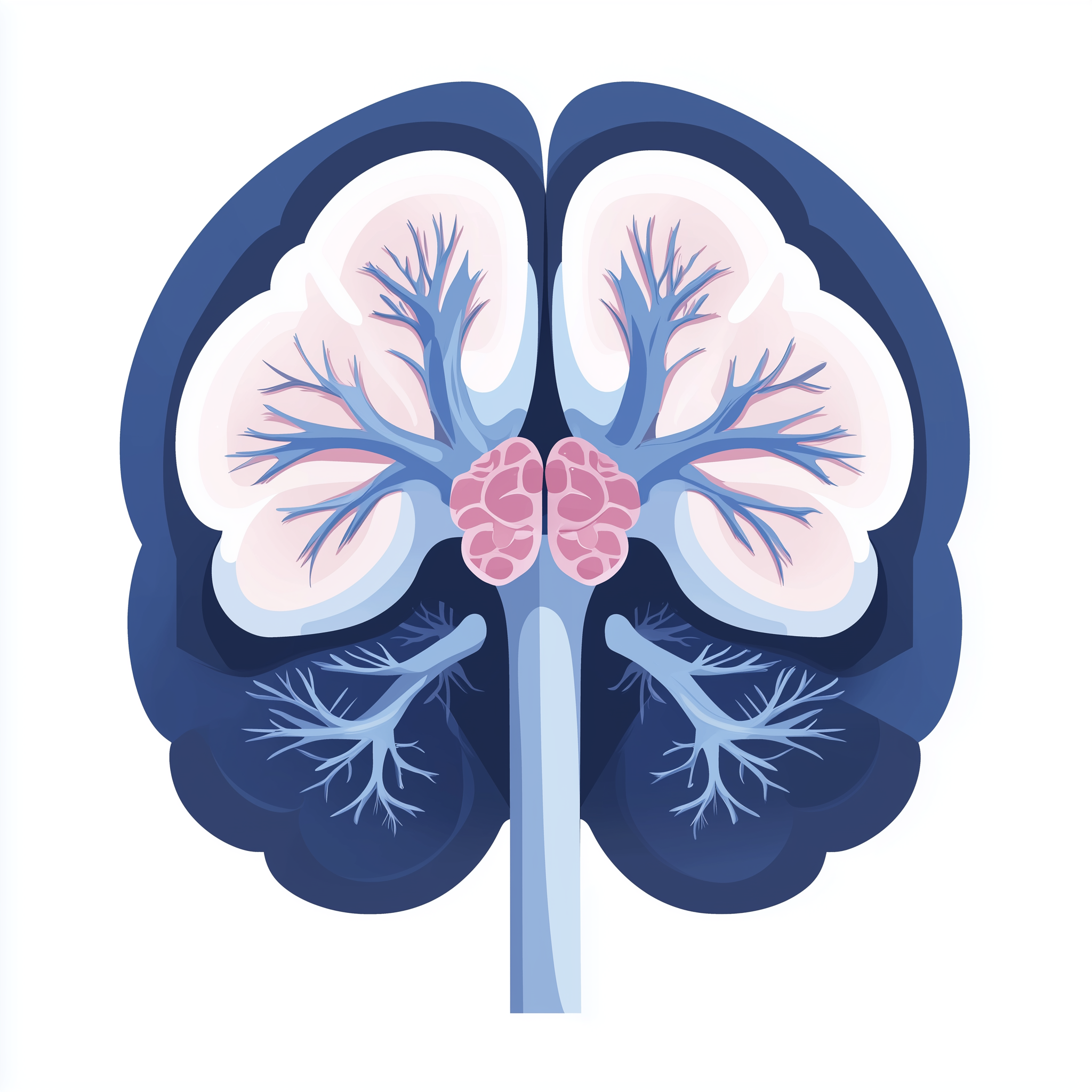
Late-onset Alzheimer disease primarily affects the brain. The characteristic features include the accumulation of amyloid-beta plaques outside nerve cells and tau tangles inside nerve cells. These protein aggregates disrupt communication between brain cells and eventually lead to nerve cell death and brain tissue shrinkage, particularly in areas important for memory and cognition. Over time, these changes become more widespread throughout the brain.
Risks & severity
The main risk factor for late-onset Alzheimer disease is increasing age; the likelihood of developing the condition rises significantly after age 65. A family history of Alzheimer disease can also increase an individual's risk, suggesting a genetic predisposition, though not a direct inheritance pattern like in some other genetic conditions. Other potential risk factors include cardiovascular disease, diabetes, obesity, and traumatic brain injury.
LOAD is a progressive condition, meaning its severity worsens over time. The rate of progression can vary between individuals, but typically, an individual lives for several years after diagnosis. There is currently no cure, and management focuses on supporting quality of life and managing symptoms. The severity of the disease can range from mild cognitive impairment in the early stages to severe dementia requiring full-time care in advanced stages.
Genetic causes
Late-onset Alzheimer disease is considered a polygenic or complex disorder, meaning that multiple genes, in combination with environmental factors, contribute to its development. Unlike early-onset forms of Alzheimer disease, where specific single gene mutations often have a strong causal link, LOAD involves a more intricate interplay of genetic variants, each contributing a small risk.
Research has identified several genes associated with an increased risk of developing LOAD. These include BIN1, CLU, and TREM2. For example, BIN1 (bridging integrator 1) is involved in processes that affect the brain's immune response and the removal of cellular waste. Variants in CLU (clusterin) are thought to play a role in lipid transport and amyloid-beta clearance in the brain. Similarly, TREM2 (triggering receptor expressed on myeloid cells 2) helps regulate immune cell function in the brain and is critical for clearing amyloid plaques and maintaining brain health [PMID:30950348].
Carrying a genetic variation associated with LOAD risk does not guarantee that an individual will develop the disease. These genetic factors are part of a broader picture, interacting with lifestyle choices and other environmental influences.
Inheritance pattern
Late-onset Alzheimer disease generally follows a polygenic or complex inheritance pattern. This means that the condition is not typically caused by a single gene mutation passed down in a straightforward manner (like autosomal dominant or recessive inheritance). Instead, it results from the combined effect of multiple genetic variations acting together, alongside environmental and lifestyle factors.
Family history is a risk factor, suggesting a genetic predisposition, but it does not mean the condition is directly inherited from one generation to the next in every case. Relatives of someone with LOAD may have an increased statistical risk compared to the general population, but this risk is influenced by the number of risk variants they carry and other non-genetic factors. The likelihood of developing the condition for any individual is complex and cannot be predicted simply by looking at whether a parent had it.
Diagnosis & testing
Diagnosing late-onset Alzheimer disease typically involves a multi-faceted approach, as there is no single definitive test. A clinical assessment usually includes a detailed medical history, neurological examination, and cognitive evaluations to assess memory, problem-solving, and other thinking skills. Blood tests may be performed to rule out other causes of memory impairment, such as vitamin deficiencies or thyroid issues.
Brain imaging, such as MRI or CT scans, can help identify structural changes in the brain and rule out conditions like strokes or tumours. More specialised imaging, like PET scans, can sometimes detect amyloid plaques or tau tangles, which are hallmarks of Alzheimer disease. In the UK, genetic testing for risk factors is generally not routinely offered for diagnostic purposes in LOAD, as these variants indicate risk rather than direct causation for complex conditions. Referrals for assessment related to memory concerns are typically made by a GP to memory clinics or specialist neurology services, which can be found via the NHS Genomic Medicine Service (GMS) pathways if further genetic investigation is deemed appropriate (though rare in LOAD).
Management & lifestyle
While there is currently no cure for late-onset Alzheimer disease, management focuses on supporting individuals and their families to maintain quality of life and manage symptoms. This often involves medication to help improve cognitive symptoms, such as cholinesterase inhibitors or memantine. These medications may help to slow the progression of some symptoms for a period of time, though they do not stop the underlying disease process.
Non-pharmacological approaches play a crucial role, including cognitive stimulation activities, routine exercise, and a balanced diet. Support groups and counselling services are available for both individuals with Alzheimer disease and their carers, providing practical advice and emotional support. Care pathways in the UK involve multidisciplinary teams, including doctors, nurses, occupational therapists, and genetic counsellors if a genetic component is being explored, working to provide holistic care. Regular monitoring and adjustments to care plans are essential as the disease progresses.
UK care pathway
In the UK, if there are concerns about memory or cognitive decline, the first step is typically to consult a GP. They can perform an initial assessment and, if needed, refer to specialist memory clinics or neurology services. These services are part of the broader NHS Genomic Medicine Service (GMS) pathways, though genetic testing for late-onset Alzheimer disease is usually not a primary diagnostic tool. Clinical genetics services and genetic counsellors become involved if there are unusual features, early onset of symptoms, or a strong family history suggestive of a monogenic cause, which is less common for late-onset forms. Relevant R-codes for dementia panels may be considered in very specific circumstances, but for typical late-onset Alzheimer, diagnosis remains primarily clinical.
Frequently asked questions
Is late-onset Alzheimer disease inherited?
Late-onset Alzheimer disease is considered a complex condition, influenced by multiple genes working together with environmental factors. While a family history can increase your risk, it's not typically inherited in a straightforward way like some other genetic conditions. You can't usually predict it simply based on whether a parent had it.
Can diet and lifestyle reduce the risk of Alzheimer disease?
Research suggests that a healthy lifestyle, including a balanced diet rich in fruits and vegetables, regular physical exercise, and staying mentally and socially active, may help reduce the risk of cognitive decline. However, these are not guarantees against developing the disease.
What is the difference between late-onset and early-onset Alzheimer disease?
Late-onset Alzheimer disease typically develops after age 65 and is a complex condition involving multiple genetic and environmental factors. Early-onset Alzheimer disease is much rarer, appearing before age 65, and is often linked to specific single gene mutations passed down in families.
Are there any treatments that can cure late-onset Alzheimer disease?
Currently, there is no cure for late-onset Alzheimer disease. However, various medications and non-pharmacological therapies are available to help manage symptoms, slow down cognitive decline for a period, and improve quality of life for those affected.
How is late-onset Alzheimer disease diagnosed?
Diagnosis involves a comprehensive assessment including medical history, neurological exams, cognitive tests, and may include brain imaging (like MRI or PET scans) to rule out other conditions and look for signs characteristic of Alzheimer disease. It's usually a clinical diagnosis based on these findings.
References
- Hodson R. Alzheimer's disease. Nature. 2018. PMID: 30046078
- Jarvik ME. Beneficial effects of nicotine. British journal of addiction. 1991. PMID: 1859921
- Wen H, Fang Z, Cui S. Astrocyte death in Alzheimer's disease: Current insights and future innovations. Asian journal of surgery. 2024. PMID: 39690029
- Busse W, Bartels C, Rosenkranz M. Brain-Airway Interactions in Asthma. Advances in experimental medicine and biology. 2023. PMID: 37464122
- Golde TE, Levey AI. Immunotherapies for Alzheimer's disease. Science (New York, N.Y.). 2023. PMID: 38096276
- Bryan MR, Almeida M, Pellegrino K. Synergistic MAPT mutations as a platform to uncover modifiers of tau pathogenesis. bioRxiv : the preprint server for biology. 2025. PMID: 39975235
- Phosphodiesterase-5 inhibitors for Alzheimer's disease? The Medical letter on drugs and therapeutics. 2022. PMID: 36383770
- Lieberman OJ, Bartolini F, Miniaci MC. GIRK channels in Alzheimer's disease. Aging. 2020. PMID: 33052882