

On this page
Frontotemporal dementia (GRN)
This type of frontotemporal dementia is caused by pathogenic variants in the GRN gene. It typically appears in adulthood and can significantly impact daily life, although its progression varies between individuals. Understanding the genetic basis is key for diagnosis and supporting families.
Overview
Frontotemporal dementia (FTD) is a group of related disorders that occur when nerve cells in the frontal and temporal lobes of the brain are damaged. These brain regions are largely responsible for personality, behaviour, and language [PMID:31546282]. Unlike Alzheimer's disease, which often affects memory first, FTD frequently presents with alterations in personality, problem-solving abilities, and communication skills. GRN-related FTD specifically refers to cases caused by changes in the GRN gene.
Symptoms & clinical features
The symptoms of GRN-related FTD can be diverse, reflecting the functions of the affected brain areas. Common initial signs include gradual changes in personality and behaviour, such as becoming disinhibited, apathetic, or losing empathy for others. Individuals may also develop repetitive behaviours, altered food preferences, or difficulties with planning and organisation. Language difficulties are also common, which might include trouble finding the right words, speaking less, or problems understanding spoken language [PMID:24760888]. Some people with FTD, including those with GRN-related FTD, may also experience motor symptoms similar to Parkinson's disease, such as stiffness, tremor, or problems with balance and coordination, often referred to as parkinsonism.
Video: Genetics 101
Affected organs
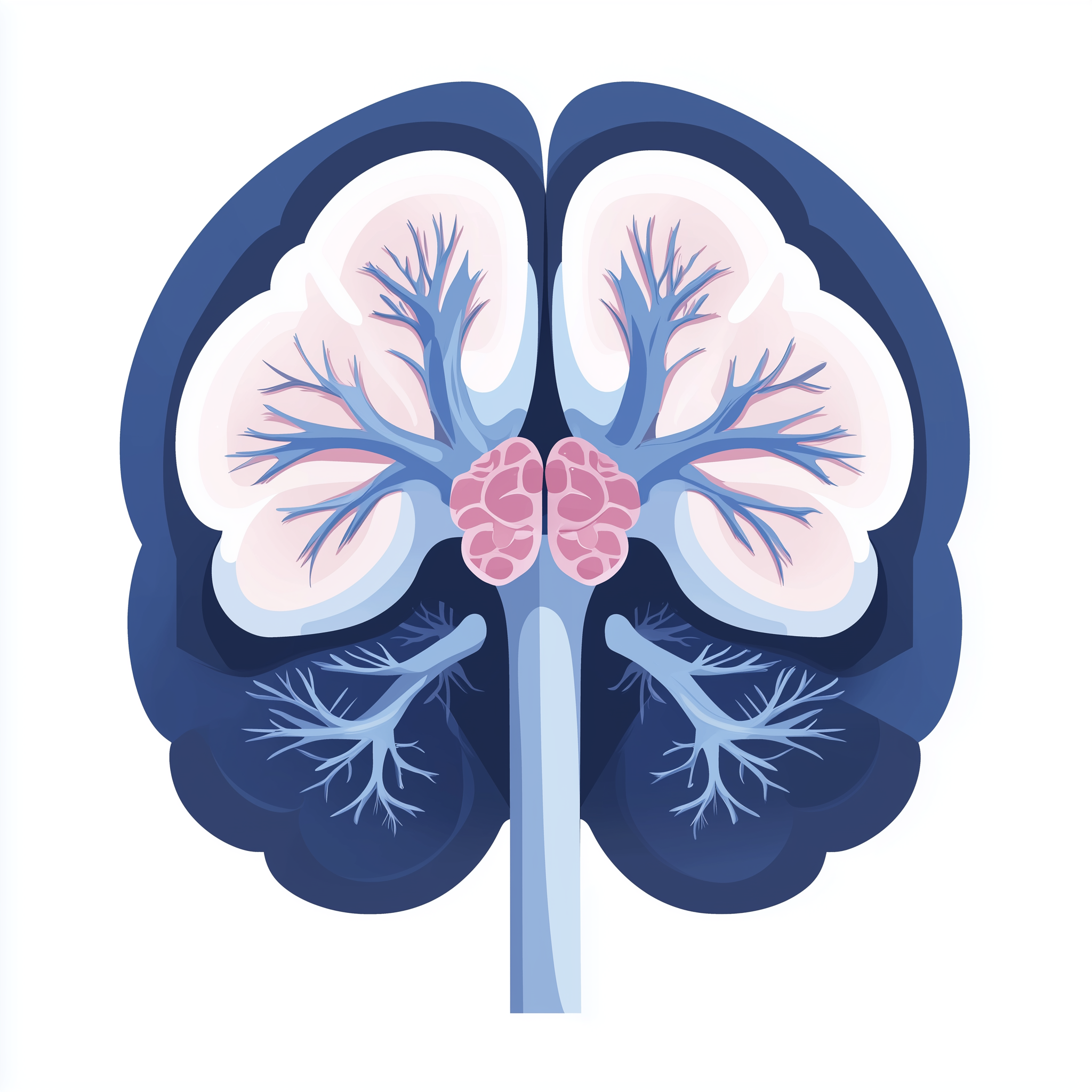
The primary organ affected in GRN-related FTD is the brain, specifically the frontal and temporal lobes. These areas control executive functions, social behaviour, personality, and language. As the condition progresses, brain tissue in these regions gradually atrophies (wastes away). In some individuals, GRN-related FTD can also be associated with motor neuron disease symptoms, affecting the nerves that control voluntary muscle movement, leading to muscle weakness and wasting.
Risks & severity
GRN-related FTD typically has an adult onset, often appearing between the ages of 45 and 64, though it can occur outside this range [PMID:24760888]. The condition is progressive, meaning symptoms gradually worsen over time. The rate of progression and the specific symptoms experienced can vary considerably between individuals. Due to its progressive nature, GRN-related FTD can lead to significant disability, impacting an individual's ability to maintain employment, manage finances, and care for themselves independently. Because it is an inherited condition, family history is an important risk factor.
Genetic causes
GRN-related FTD is caused by pathogenic (disease-causing) variants in the GRN gene, which provides instructions for making a protein called progranulin. Progranulin is involved in several important cellular processes, including cell growth, survival, and inflammation, particularly in nerve cells in the brain. It also plays a role in the function of lysosomes, which are cellular compartments responsible for recycling waste products [PMID:31546282]. Pathogenic variants in GRN typically lead to a reduction in the amount of functional progranulin protein. This 'haploinsufficiency' (having only one functional copy of the gene, leading to insufficient protein) is thought to impair lysosomal function and neuronal survival, contributing to the neurodegeneration seen in FTD.
- GRN granulin precursor
Inheritance pattern
Frontotemporal dementia caused by GRN variants is inherited in an autosomal dominant pattern. This means that only one altered copy of the GRN gene is sufficient to cause the condition. A person with GRN-related FTD has a 50% chance of passing on the pathogenic variant to each of their children, regardless of the child's sex. Siblings of an affected individual also have a 50% chance of inheriting the variant. Unaffected family members typically do not carry the pathogenic variant and therefore cannot pass it on to their children.
Each child has a 50% chance of inheriting the pathogenic variant, regardless of sex.
Diagnosis & testing
Diagnosing FTD involves a thorough neurological examination, cognitive assessments, and brain imaging (such as MRI scans) to look for characteristic patterns of brain atrophy. Genetic testing for variants in the GRN gene can confirm a diagnosis of GRN-related FTD, especially when there is a family history of the condition. In the UK, genetic testing for FTD is available through the NHS Genomic Medicine Service (GMS) via the Rare and Inherited Disease eligibility criteria, covered by R-codes such as R102 (for inherited dementia). Referral for genetic testing is typically made by a neurologist or a clinical genetics specialist following a suspected clinical diagnosis.
Management & lifestyle
Currently, there is no cure for GRN-related FTD, and treatments focus on managing symptoms and supporting individuals and their families. Medications may be used to help manage behavioural symptoms like agitation or depression. Non-pharmacological approaches, such as speech therapy for language difficulties, occupational therapy to maintain daily living skills, and cognitive rehabilitation, can also be beneficial. Regular follow-up with a neurologist is important to monitor symptoms and adjust management plans. Family support, education, and access to genetic counselling are crucial components of care, helping families understand the condition and its inheritance, and plan for the future. Individuals can access these support services through their GP and local NHS trusts.
UK care pathway
In the UK, suspected cases of inherited neurological conditions like GRN-related FTD are typically referred to specialist neurological services. If a genetic cause is suspected, individuals may be referred to a clinical genetics service. These services provide expert assessment, genetic counselling, and access to NHS Genomic Medicine Service (GMS) testing, often guided by specific R-codes from the National Genomic Test Directory. Genetic counsellors play a vital role in explaining inheritance patterns, implications for family members, and discussing available support.
Frequently asked questions
Is GRN-related FTD always inherited?
Yes, GRN-related FTD is an inherited condition. It follows an autosomal dominant inheritance pattern, meaning that if one parent has a pathogenic GRN variant, each child has a 50% chance of inheriting it and potentially developing the condition.
When do symptoms of GRN-related FTD usually begin?
Symptoms of GRN-related FTD typically begin in middle adulthood, often between the ages of 45 and 64. However, the age of onset can vary, and some individuals may experience symptoms earlier or later in life.
Can GRN-related FTD be cured?
Currently, there is no cure for GRN-related FTD. Management focuses on alleviating symptoms and providing supportive care to help individuals and their families cope with the progression of the condition.
How can I get tested for GRN-related FTD in the UK?
If GRN-related FTD is suspected, your GP can refer you to a neurologist or a clinical genetics service within the NHS. They can assess your symptoms and family history, and if appropriate, arrange genetic testing through the NHS Genomic Medicine Service.
Does GRN-related FTD affect memory like Alzheimer's disease?
While both are forms of dementia, GRN-related FTD typically affects personality, behaviour, and language abilities first, rather than memory. Memory problems may develop later in the disease course, but they are not usually the initial or most prominent symptom, differing from typical Alzheimer's presentations.