

On this page
Woodhouse-Sakati syndrome
This syndrome is characterised by features including hypogonadism, dystonia, and alopecia, often appearing in childhood or adolescence. It is caused by genetic changes in the DCAF17 gene and follows an autosomal recessive inheritance pattern.
Available at Jeen Health
Clinical tests that include this
Overview
Woodhouse-Sakati syndrome (WSS) is a rare genetic disorder that impacts several body systems, most notably the nervous and endocrine systems [PMID:36005703]. Individuals with WSS typically experience a combination of features, which can include hypogonadism (underactive reproductive glands), dystonia (involuntary muscle contractions), and alopecia (hair loss) [PMID:32252562]. The condition often becomes apparent during childhood or adolescence, although the specific signs and their severity can vary among affected individuals.
First described in 1975, WSS is considered a multisystem disorder due to its wide-ranging effects on different parts of the body. Understanding this condition is important for providing appropriate medical support and management tailored to the individual's specific needs.
Symptoms & clinical features
The clinical presentation of Woodhouse-Sakati syndrome is typically progressive, meaning that symptoms may develop and worsen over time. A key feature is hypogonadism, which often leads to a lack of pubertal development or infertility. Other common endocrine problems include diabetes mellitus and, less frequently, underactive thyroid function (hypothyroidism) [PMID:32252562].
Neurological symptoms are also a significant component of WSS. Dystonia, characterised by sustained or repetitive muscle contractions leading to twisting and repetitive movements or abnormal fixed postures, is frequently observed. Speech difficulties (dysarthria), balance problems (ataxia), and intellectual disability may also occur. Progressive alopecia, affecting the scalp and sometimes other body hair, is another characteristic sign. Skin changes, such as palmoplantar keratoderma (thickening of skin on palms and soles), have also been reported in some individuals [PMID:36005703].
Not every person with WSS will experience all these symptoms, and the severity can differ considerably, even within the same family. Clinical evaluation is essential for accurate diagnosis and for planning management strategies.
Video: Genetics 101
Affected organs
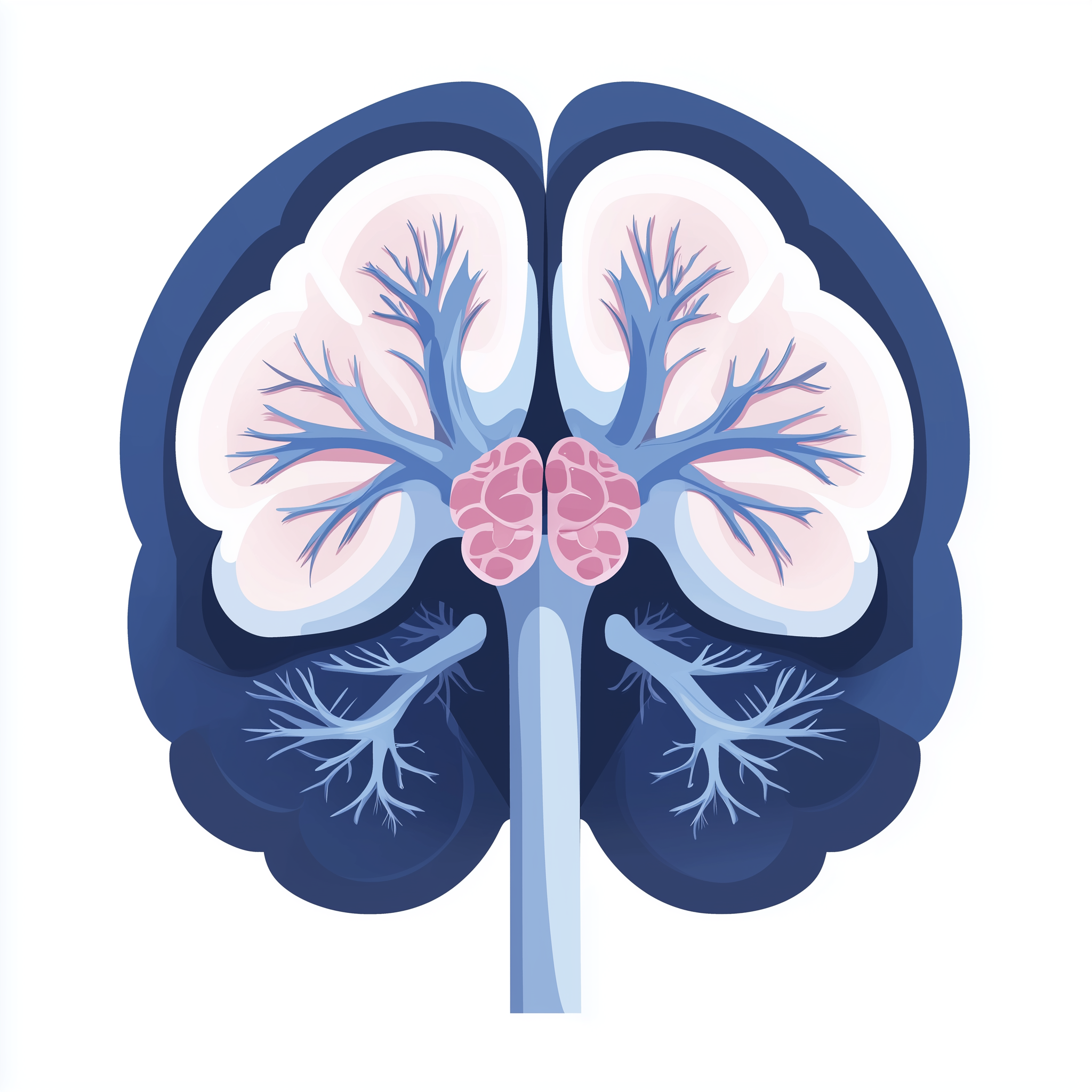
Woodhouse-Sakati syndrome primarily affects several key organ systems. The central nervous system is significantly impacted, leading to a range of neurological issues such as dystonia, speech difficulties, and cognitive impairment. These symptoms result from changes in brain function and structure.
The endocrine system is also consistently affected. The reproductive glands (gonads) often do not function correctly, leading to hypogonadism. The pancreas can be affected, contributing to diabetes mellitus. Less commonly, the thyroid gland may be underactive. Additionally, hair follicles are affected, causing alopecia, and skin changes may occur in some individuals.

Risks & severity
Woodhouse-Sakati syndrome is a rare condition, and its exact prevalence is not well established. The severity of WSS can vary considerably, from milder forms where symptoms develop slowly to more severe presentations with significant neurological and endocrine involvement. Typically, symptoms begin to manifest during childhood or adolescence, often with features such as delayed puberty or neurological changes being among the first indications [PMID:32252562].
As a progressive disorder, the features of WSS may worsen over time, requiring ongoing medical attention and adjustments to management strategies. The long-term outlook for individuals with WSS is highly dependent on the specific symptoms present and their severity, as well as the timing and effectiveness of clinical management. Due to its rarity, comprehensive natural history studies are challenging to conduct, but ongoing research helps improve understanding of its progression.
Genetic causes
Woodhouse-Sakati syndrome is caused by genetic changes in the *DCAF17* gene. This gene provides instructions for making a protein called DCAF17, which is expressed in many tissues throughout the body, including the brain, skin, and liver. While the precise cellular role of the DCAF17 protein is not yet fully understood, it is believed to be involved in various cellular processes [PMID:36005703].
Pathogenic variants (genetic changes) in *DCAF17* disrupt the normal function of this protein. This disruption leads to the wide range of symptoms seen in WSS, affecting different body systems. Research continues to investigate the exact mechanisms by which a faulty DCAF17 protein causes the specific neurological, endocrine, and skin manifestations of the syndrome.
- DCAF17 DDB1 and CUL4 associated factor 17The DCAF17 gene provides instructions for a protein whose precise function is still being investigated, but it is known to be associated with Woodhouse-Sakati syndrome.
Inheritance pattern
Woodhouse-Sakati syndrome is inherited in an autosomal recessive pattern. This means that a person must inherit two altered copies of the *DCAF17* gene - one from each parent - to develop the condition. If a person inherits only one altered copy and one normal copy, they are considered a carrier. Carriers typically do not show symptoms of the syndrome.
When both parents are carriers of a pathogenic variant in the *DCAF17* gene, there is a 25% (1 in 4) chance with each pregnancy that their child will inherit two altered copies and develop WSS. There is a 50% (2 in 4) chance that their child will be a carrier, and a 25% (1 in 4) chance that their child will inherit two normal copies of the gene and not be affected or a carrier. Genetic counselling is available to families to explain these inheritance patterns and discuss reproductive options.
When both parents are carriers, each child has a 25% chance of being affected, 50% of being a carrier, and 25% of being unaffected.
Diagnosis & testing
The diagnosis of Woodhouse-Sakati syndrome is typically suspected based on the characteristic clinical features, including the combination of hypogonadism, dystonia, alopecia, and other associated symptoms. A comprehensive clinical evaluation by a specialist, such as a neurologist or endocrinologist, is usually the first step.
Confirmation of the diagnosis is achieved through genetic testing, which looks for pathogenic variants in the *DCAF17* gene. In the UK, genetic testing for suspected rare genetic conditions like WSS can be accessed through the NHS Genomic Medicine Service (GMS). Referrals for genetic testing are typically made by clinical geneticists or other specialists. The relevant NHS National Genomic Test Directory R-code for conditions with a neurological phenotype, including dystonia, would guide the specific test requested.
Management & lifestyle
Currently, there is no cure for Woodhouse-Sakati syndrome, so management focuses on addressing the specific symptoms and providing supportive care. Treatment plans are highly individualised and involve a multidisciplinary team of specialists, which may include neurologists, endocrinologists, dermatologists, and physiotherapists.
Endocrine issues such as hypogonadism and diabetes mellitus can be managed with hormone replacement therapy and insulin or other diabetes medications, respectively. Neurological symptoms like dystonia may be managed with medications, such as muscle relaxants or botulinum toxin injections, and physical or occupational therapy can help improve mobility and quality of life. Regular monitoring for the progression of symptoms and adjustments to treatment are essential. Genetic counsellors can provide support and information to individuals and families affected by WSS, helping them navigate the condition and its implications within the NHS framework.
UK care pathway
In the UK, individuals suspected of having a rare genetic condition such as Woodhouse-Sakati syndrome would typically enter the NHS Genomic Medicine Service (GMS) pathway. Initial referral often comes from a GP to a relevant specialist, such as a paediatrician, neurologist, or endocrinologist, who can then refer to a clinical genetics service. Clinical geneticists and genetic counsellors play a crucial role in assessing for genetic conditions, coordinating genetic testing, and providing comprehensive support and information.
Genetic testing for conditions with specific neurological or endocrine features, potentially including WSS, falls under relevant R-codes within the National Genomic Test Directory. This ensures that appropriate and high-quality genomic testing is provided. Genetic counsellors offer invaluable support, explaining inheritance patterns, implications for family members, and helping individuals and families make informed decisions about their healthcare.
Frequently asked questions
What does 'autosomal recessive' mean for Woodhouse-Sakati syndrome?
Autosomal recessive inheritance means that a person needs to inherit two altered copies of the *DCAF17* gene - one from each parent - to develop Woodhouse-Sakati syndrome. If someone inherits only one altered copy, they are a 'carrier' and typically do not show symptoms.
When do symptoms typically start for Woodhouse-Sakati syndrome?
Symptoms of Woodhouse-Sakati syndrome usually begin to appear during childhood or adolescence. The specific age of onset and the severity of symptoms can vary between individuals, even within the same family.
Is there a cure for Woodhouse-Sakati syndrome?
Currently, there is no cure for Woodhouse-Sakati syndrome. However, treatments are available to manage the symptoms and improve quality of life. This often involves a team of specialists addressing specific issues like hormone imbalances or neurological problems.
How is Woodhouse-Sakati syndrome diagnosed in the UK?
Diagnosis of Woodhouse-Sakati syndrome in the UK typically involves a clinical assessment by a specialist, followed by genetic testing. This testing looks for specific changes in the *DCAF17* gene and is usually accessed through the NHS Genomic Medicine Service after a referral from a clinical geneticist.
What kind of doctors treat Woodhouse-Sakati syndrome?
Individuals with Woodhouse-Sakati syndrome are often cared for by a multidisciplinary team. This team may include neurologists for muscle control issues, endocrinologists for hormone and diabetes management, dermatologists for skin and hair changes, and genetic counsellors for genetic information and support.
References
- Adam MP, Bick S, Mirzaa GM. Woodhouse-Sakati Syndrome. 1993. PMID: 27489925
- Schipper DA, Schipper HM. Neurodegeneration with Brain Iron Accumulation. Advances in experimental medicine and biology. 2025. PMID: 40603798
- Messina C. Woodhouse-Sakati syndrome: A review. Revue neurologique. 2025. PMID: 38320940
- Kohil A, Abdallah AM, Hussain K. Genetic epidemiology of Woodhouse-Sakati Syndrome in the Greater Middle East region and beyond: a systematic review. Orphanet journal of rare diseases. 2023. PMID: 36721231
- Ali R, Al-Dewik N, Mohammed S. Expanding on the phenotypic spectrum of Woodhouse-Sakati syndrome due to founder pathogenic variant in DCAF17: Report of 58 additional patients from Qatar and literature review. American journal of medical genetics. Part A. 2022. PMID: 34590781
- Agopiantz M, Corbonnois P, Sorlin A. Endocrine disorders in Woodhouse-Sakati syndrome: a systematic review of the literature. Journal of endocrinological investigation. 2014. PMID: 24464444
- Abusrair A, AlHamoud I, Bohlega S. Multimodal Evoked Potential Profiles in Woodhouse-Sakati Syndrome. Journal of clinical neurophysiology : official publication of the American Electroencephalographic Society. 2022. PMID: 33417382
- Kurnaz E, Türkyılmaz A, Yaralı O. A novel DCAF17 homozygous mutation in a girl with Woodhouse-Sakati syndrome and review of the current literature. Journal of pediatric endocrinology & metabolism : JPEM. 2019. PMID: 31472064