

On this page
Perrault syndrome
This syndrome typically affects reproductive function in females and the ability to hear in both males and females. It is caused by genetic changes that disrupt essential cellular processes, leading to a range of clinical features.
Available at Jeen Health
Clinical tests that include this
Overview
Perrault syndrome is a rare inherited condition impacting individuals assigned female at birth through ovarian insufficiency, meaning their ovaries do not function as expected. Both sexes can experience sensorineural hearing loss, which is caused by damage to the inner ear or the nerve pathways that carry sound to the brain [PMID:33675095]. The condition can vary in its severity and the specific symptoms experienced, even within the same family.
Symptoms & clinical features
For individuals assigned female at birth, the main reproductive symptom is primary ovarian insufficiency (POI). This means the ovaries stop working properly before the age of 40, often leading to irregular or absent menstrual periods, and infertility. Hormone replacement therapy may be needed [PMID:24227341]. Hearing loss is another key feature, typically sensorineural, and can range from moderate to profound. This can be present from birth (congenital) or develop during childhood. Some individuals may also experience neurological symptoms, such as problems with balance or coordination, and difficulties with nerve function, although these are less common and vary between individuals.
Video: Genetics 101
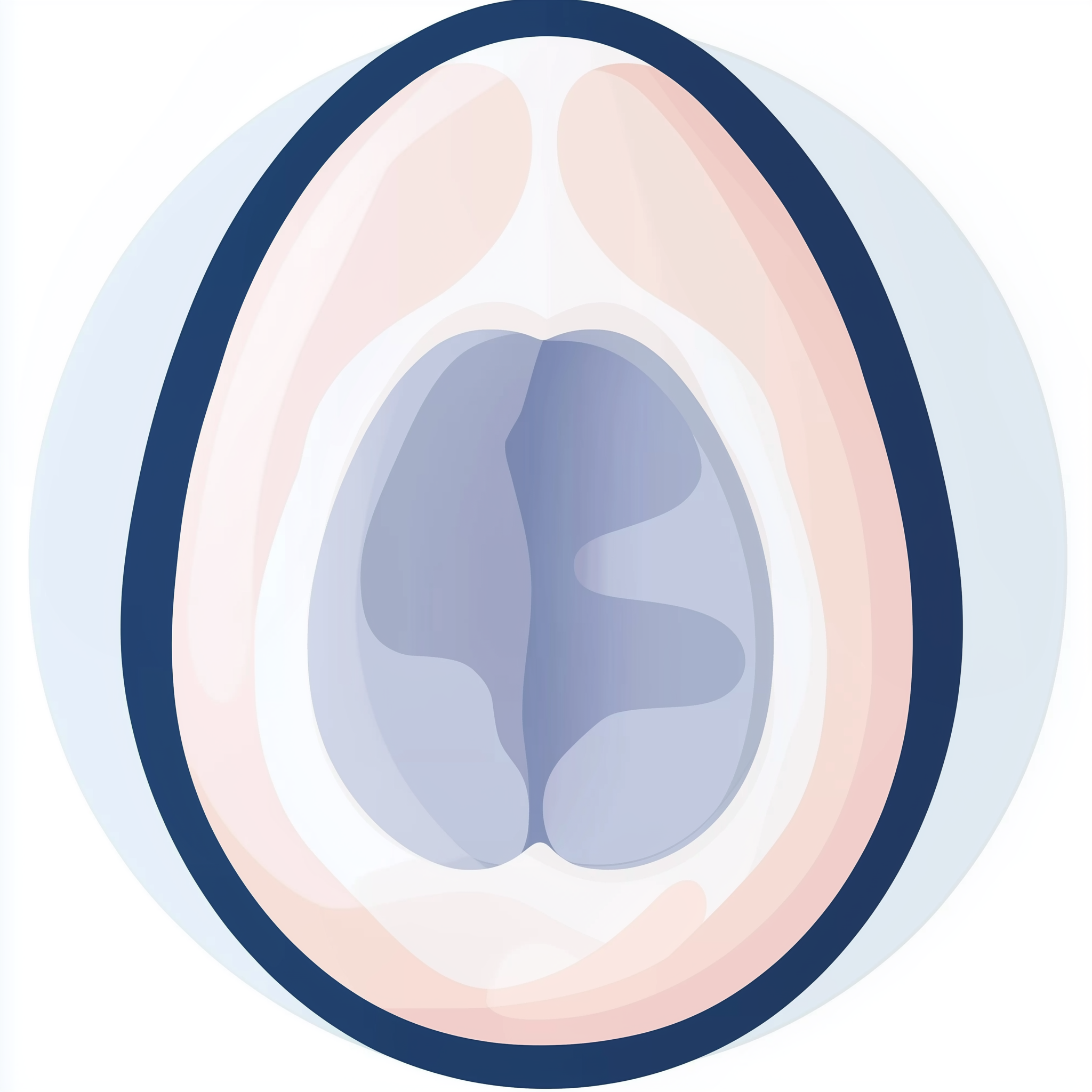
Affected organs
The primary organs affected in Perrault syndrome are the ovaries in individuals assigned female at birth and the inner ear (cochlea) in both sexes. The ovaries are crucial for reproductive hormone production and egg release, while the inner ear is essential for hearing. In some cases, the nervous system may also be impacted, leading to neurological signs.

Risks & severity
Perrault syndrome is considered a rare condition, though its exact prevalence in the UK population is not well established. The severity of hearing loss and ovarian insufficiency can vary significantly among affected individuals. For females, primary ovarian insufficiency carries a risk of infertility and potential long-term health concerns associated with low oestrogen levels, such as reduced bone density. Neurological symptoms, when present, can also range in severity and impact daily life. The age of onset for hearing loss and ovarian insufficiency can differ, with some symptoms present from birth and others developing later in childhood or adolescence.
Genetic causes
Perrault syndrome is caused by pathogenic variants in several genes. These include HARS2, HSD17B4, and LARS2. These genes are involved in critical cellular functions, particularly within the mitochondria, which are the 'powerhouses' of cells. For example, HARS2 and LARS2 provide instructions for making specific enzymes (tRNA synthetases) that are vital for protein production in the mitochondria [PMID:33675095]. HSD17B4 encodes an enzyme called D-bifunctional protein, which is important for the breakdown of fatty acids in cellular compartments called peroxisomes. Pathogenic changes in these genes disrupt these fundamental cellular processes, leading to the clinical features of Perrault syndrome.
- HARS2 histidyl-tRNA synthetase 2, mitochondrial
- HSD17B4 hydroxysteroid 17-beta dehydrogenase 4The HSD17B4 gene encodes the D-bifunctional protein, a peroxisomal enzyme crucial for the breakdown of certain fatty acids within cells.
- LARS2 leucyl-tRNA synthetase 2, mitochondrial
Inheritance pattern
Perrault syndrome is inherited in an autosomal recessive pattern. This means that an individual must inherit two altered copies of the same gene - one from each parent - to develop the condition. Parents who each carry one altered copy of the gene are typically unaffected themselves, as they have one working copy. They are known as carriers. When both parents are carriers, there is a 1 in 4 (25%) chance with each pregnancy that their child will inherit two altered gene copies and develop Perrault syndrome. There is also a 2 in 4 (50%) chance the child will be a carrier like their parents, and a 1 in 4 (25%) chance the child will inherit two working copies of the gene.
When both parents are carriers, each child has a 25% chance of being affected, 50% of being a carrier, and 25% of being unaffected.
Diagnosis & testing
Diagnosis of Perrault syndrome typically involves a clinical assessment of symptoms, including evaluating hearing loss and, for females, ovarian function. Genetic testing is then used to confirm the diagnosis by identifying pathogenic variants in the causative genes such as HARS2, HSD17B4, or LARS2 [PMID:24227341]. In the UK, individuals suspected of having Perrault syndrome may be referred to clinical genetics services by their GP or another specialist. Genetic testing for conditions like Perrault syndrome falls under the NHS National Genomic Test Directory, with specific R-codes for genomic testing where clinically appropriate.
Management & lifestyle
Management for Perrault syndrome focuses on addressing the specific symptoms experienced by each individual. For hearing loss, interventions may include hearing aids or cochlear implants to improve auditory function. For individuals assigned female at birth with primary ovarian insufficiency, hormone replacement therapy is often prescribed to manage symptoms associated with low oestrogen levels and support bone health. Regular follow-up with specialists, such as audiologists, endocrinologists, and neurologists, is important to monitor the condition and adjust management strategies as needed. Genetic counsellors can provide support and information regarding the genetic aspects of the condition and its implications for family planning.
UK care pathway
In the UK, individuals with suspected Perrault syndrome are typically referred by their GP or another specialist to a clinical genetics service. These services are part of the NHS Genomic Medicine Service (GMS) and can offer genomic testing to confirm a diagnosis, aligned with the National Genomic Test Directory R-codes. Clinical genetics teams work closely with other specialists, including genetic counsellors, who provide essential support, information, and help with understanding the inheritance pattern and implications for the wider family.
Frequently asked questions
What is primary ovarian insufficiency (POI)?
POI occurs when a female's ovaries stop working as expected before the age of 40. This can lead to irregular or absent periods and may impact fertility. Hormone replacement therapy is often used to manage symptoms.
Can males be affected by Perrault syndrome?
Yes, males with Perrault syndrome can experience sensorineural hearing loss. While ovarian insufficiency only affects females, hearing loss is a feature that can impact both sexes.
Is Perrault syndrome inherited?
Yes, Perrault syndrome is an inherited genetic condition. It follows an autosomal recessive pattern, meaning both parents must be carriers of a gene change for their child to inherit the condition.
What kind of hearing loss is associated with Perrault syndrome?
The hearing loss associated with Perrault syndrome is typically sensorineural. This means it is caused by problems with the inner ear or the nerve pathways from the inner ear to the brain.
Where can I get support in the UK for Perrault syndrome?
If you or a family member are affected by Perrault syndrome, you can seek support through your NHS clinical genetics service. Genetic counsellors are available to provide information and guidance.
References
- Gonzalez-Latapi P, Sousa M, Lang AE. Movement Disorders Associated with Hypogonadism. Movement disorders clinical practice. 2021. PMID: 34631935