

On this page
Okur-Chung neurodevelopmental syndrome
This syndrome is caused by pathogenic variants in the CSNK2A1 gene and generally affects multiple aspects of a child's development, including motor skills, speech, and learning abilities. It is considered a rare neurodevelopmental disorder.
Overview
Okur-Chung neurodevelopmental syndrome is a rare genetic disorder that impacts development. Individuals with this condition typically experience varying degrees of developmental delay, intellectual disability, and may have characteristic facial features. The syndrome was first described in 2016 and is caused by genetic changes in the CSNK2A1 gene [PMID:26768852].
The severity of the syndrome can vary considerably between individuals. While some may experience significant developmental challenges, others might have milder forms of the condition. Support and interventions are often tailored to address the specific needs of each affected person.
Symptoms & clinical features
The symptoms of Okur-Chung neurodevelopmental syndrome can vary, but commonly include global developmental delay, meaning children reach developmental milestones later than expected. This often affects motor skills, such as sitting and walking, and language development [PMID:26768852]. Intellectual disability is also a common feature, ranging from mild to severe.
Other features that may be present include distinctive facial characteristics, such as a broad nasal bridge, widely spaced eyes, and a prominent forehead. Some individuals may experience problems with muscle tone, either being too floppy (hypotonia) or too stiff (hypertonia). Feeding difficulties in infancy, behavioural differences, and seizures have also been reported in some cases [PMID:33679822].
Video: Genetics 101
Affected organs
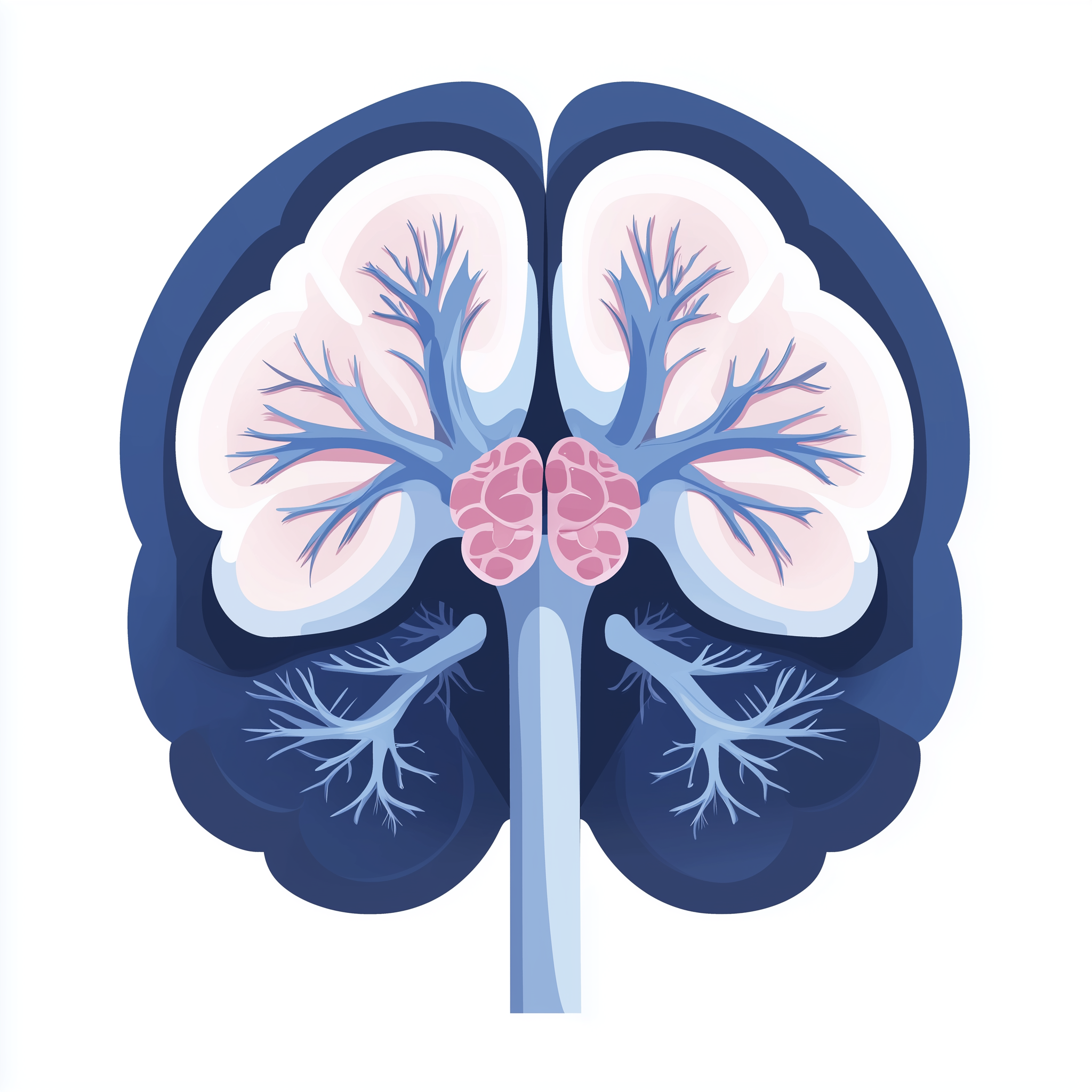
Okur-Chung neurodevelopmental syndrome primarily affects the brain and nervous system, leading to developmental and intellectual challenges. The impact on the nervous system underlies the delays in motor skills, speech, and cognitive functions. While the syndrome is predominantly neurological, it can also have an influence on other body systems, affecting overall growth and development.

Risks & severity
The severity of Okur-Chung neurodevelopmental syndrome can differ significantly among affected individuals. Some may have more profound intellectual and developmental challenges, while others might experience milder difficulties. The age of onset for developmental delays is typically in infancy or early childhood, as milestones are not met at the expected times. As it is a rare condition, the exact prevalence is not well established, and long-term outcomes are still being understood through ongoing research.
The condition is not typically associated with a shortened lifespan, but the focus of care is generally on managing symptoms and supporting development to improve quality of life. The long-term impact on health often depends on the specific symptoms present and their severity.
Genetic causes
Okur-Chung neurodevelopmental syndrome is caused by pathogenic variants in the CSNK2A1 gene. This gene provides instructions for making a protein called casein kinase 2 alpha 1. This protein is a component of casein kinase 2, an enzyme that plays a crucial role in many cellular processes, including cell growth, proliferation, and differentiation.
The CSNK2A1 protein is particularly important for brain development and function. Pathogenic variants in CSNK2A1 can disrupt the normal activity of the enzyme, leading to impaired brain development and the neurological symptoms seen in the syndrome. Most reported pathogenic variants are thought to lead to a loss of function of the CSNK2A1 protein [PMID:26768852].
- CSNK2A1 casein kinase 2 alpha 1
Inheritance pattern
Okur-Chung neurodevelopmental syndrome follows an autosomal dominant inheritance pattern. This means that a person only needs one copy of the altered CSNK2A1 gene in each cell to develop the condition. In most cases reported so far, the genetic change is a 'de novo' variant, meaning it occurred spontaneously in the affected individual and was not inherited from either parent.
If a parent has the condition, there is a 50% chance that each child they have will also inherit the altered gene and develop the syndrome. If the variant is de novo, the risk of future children having the condition is generally low, similar to the general population risk, although reproductive options like preimplantation genetic diagnosis may be discussed with a clinical genetics team.
Each child has a 50% chance of inheriting the pathogenic variant, regardless of sex.
Diagnosis & testing
A diagnosis of Okur-Chung neurodevelopmental syndrome is typically suspected based on clinical features, such as developmental delay and distinctive facial characteristics. Confirmation of the diagnosis is made through genetic testing, which can identify pathogenic variants in the CSNK2A1 gene. Genetic testing may involve whole exome sequencing or specific gene panel testing.
In the UK, referrals for genetic testing are usually made by a paediatrician, neurologist, or clinical geneticist. These specialists work within the NHS Genomic Medicine Service (GMS) pathways. The relevant R-code for genomic testing, which guides the NHS testing strategy, would be determined by the referring clinician based on the specific clinical presentation and suspected diagnosis.
Management & lifestyle
Management for Okur-Chung neurodevelopmental syndrome focuses on addressing the individual's specific symptoms and developmental needs. This often involves a multidisciplinary team approach. Early intervention therapies, such as physiotherapy for motor delays, speech and language therapy for communication difficulties, and occupational therapy for daily living skills, are often beneficial.
Educational support is also a key component of management, with individualised learning plans to help children reach their full potential. If seizures are present, they would be managed with appropriate anti-epileptic medication. Regular follow-ups with paediatricians and other specialists are important to monitor development and address any emerging health concerns. Genetic counsellors can provide valuable support and information to families regarding inheritance and future planning.
UK care pathway
In the UK, individuals suspected of having genetic conditions like Okur-Chung neurodevelopmental syndrome are typically referred to clinical genetics services within the NHS. Genetic counsellors play a vital role in providing information, support, and discussing the implications of genetic testing for individuals and their families. The NHS Genomic Medicine Service (GMS) provides a framework for accessing genomic testing, with specific R-codes guiding the appropriate tests for rare diseases.
Following a diagnosis, ongoing care is usually coordinated by a paediatrician, often in collaboration with specialist services such as neurology, developmental paediatrics, and allied health professionals. This ensures a comprehensive approach to managing the condition and supporting the individual.
Frequently asked questions
What does 'de novo' mean for this condition?
'De novo' means that the genetic change in the CSNK2A1 gene occurred spontaneously in the affected individual and was not inherited from either parent. This is common in Okur-Chung neurodevelopmental syndrome.
Will my child's symptoms get worse over time?
The developmental delays and intellectual disability associated with Okur-Chung neurodevelopmental syndrome are generally stable, meaning they do not typically worsen progressively. However, challenges may evolve as a child grows, and support will adapt accordingly.
Are there specific therapies for Okur-Chung syndrome?
There isn't a specific cure, but a range of therapies can help manage symptoms and support development. These often include physiotherapy, speech and language therapy, and occupational therapy, tailored to the individual's needs.
How common is Okur-Chung neurodevelopmental syndrome?
Okur-Chung neurodevelopmental syndrome is considered a rare condition. The exact number of affected individuals is not well established, but ongoing research helps to better understand its prevalence.
Can adults be diagnosed with Okur-Chung syndrome?
Yes, while symptoms typically manifest in childhood, a diagnosis can be made at any age if the characteristic features are present and genetic testing identifies a pathogenic variant in CSNK2A1. Adults would also benefit from tailored support.